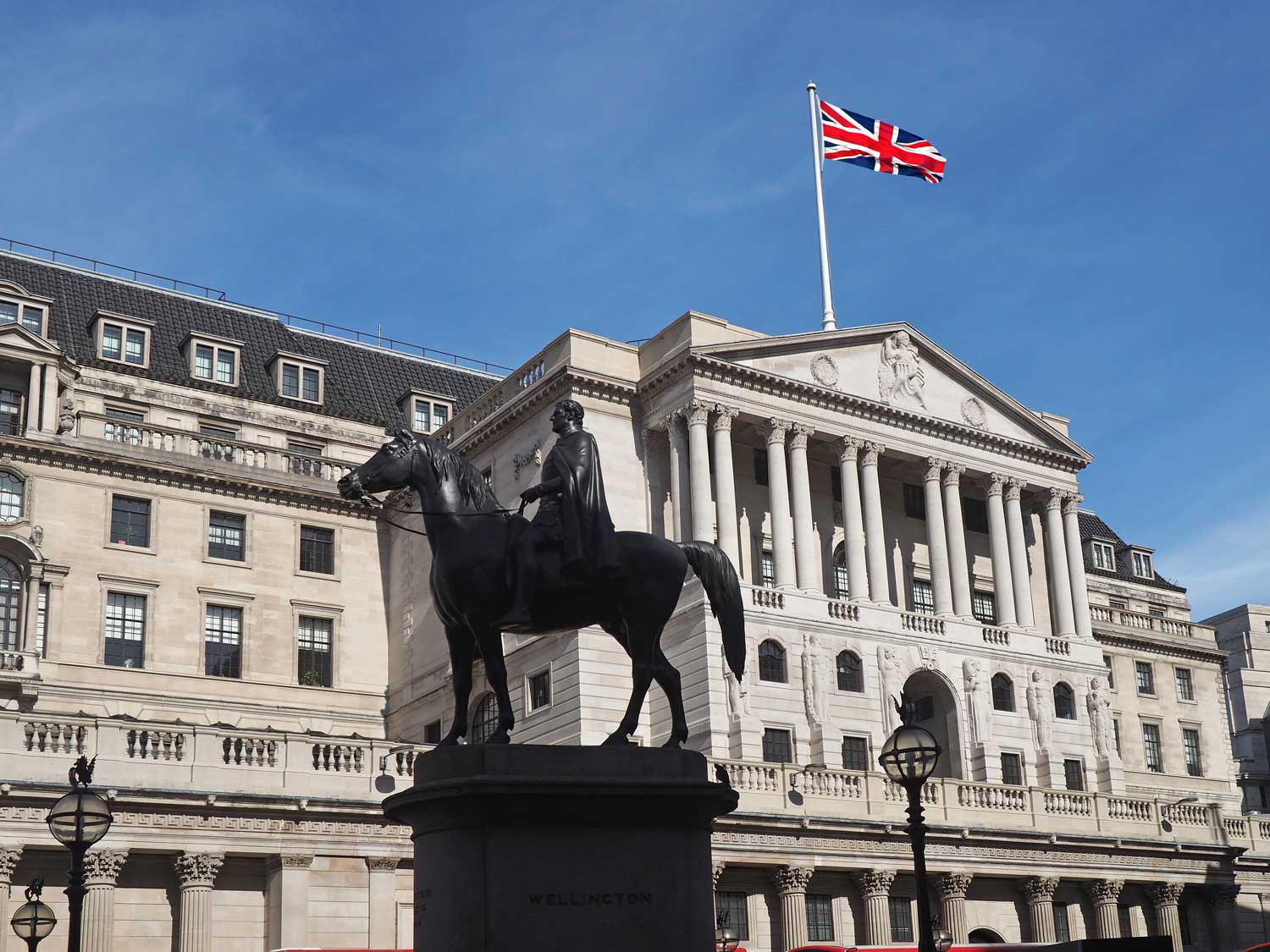
The Bank of England’s latest decision to hold interest rates at 3.75% reflects a delicate balancing act—one increasingly shaped not by domestic demand, but by geopolitical risk. While UK inflation has eased to around 2.8%, it remains above the Bank’s 2% target, and policymakers are now navigating a more complex threat: externally driven inflation linked to the ongoing conflict in the Middle East.
A “Pause” Rather Than a Pivot
At first glance, the decision to hold rates suggests stability. In reality, it signals uncertainty.
The Monetary Policy Committee (MPC) is caught between two competing forces:
- Cooling domestic inflation and a weakening economy, which would typically justify rate cuts
- Persistent and unpredictable energy-driven inflation, which could require tightening
The result is a “wait and see” approach. Even within the MPC, there is division, with some members voting for further increases—highlighting concern that inflation may not yet be contained.
Crucially, the Bank recognises that monetary policy is already restrictive. Acting too aggressively risks tipping the UK into a period of stagnation at a time when growth remains fragile.
The Middle East Effect: A Supply-Side Shock
Unlike demand-led inflation, the current risk is being driven externally—through energy markets and supply chains.
The conflict in the Middle East has disrupted global oil and gas flows, particularly through critical routes such as the Strait of Hormuz, which carries around 20% of global oil supply.
This has already translated into:
- A sharp rise in oil prices (exceeding $100 per barrel during peak disruption)
- Significant increases in gas prices and transport costs
- Higher fuel and utility bills for UK households and businesses
For the UK—an energy importer—this creates immediate inflationary pressure.
From Energy Prices to Inflation: The Transmission Channels
The inflation risk is not limited to fuel bills. The transmission mechanism is broader and more persistent:
1. Direct Impact
Higher oil and gas prices feed directly into:
- Petrol and diesel costs
- Household energy bills
These are already expected to rise further through regulated price caps in 2026.
2. Indirect (Second-Round) Effects
More significant—and more dangerous—are the “second-round” impacts:
- Increased logistics and transport costs
- Rising input costs across manufacturing and food supply chains
- Wage pressure as households seek to offset higher living costs
The Bank of England has explicitly warned that these second-round effects represent the key risk to inflation becoming embedded.
3. Supply Chain Disruption
Conflict-driven disruption is not limited to energy:
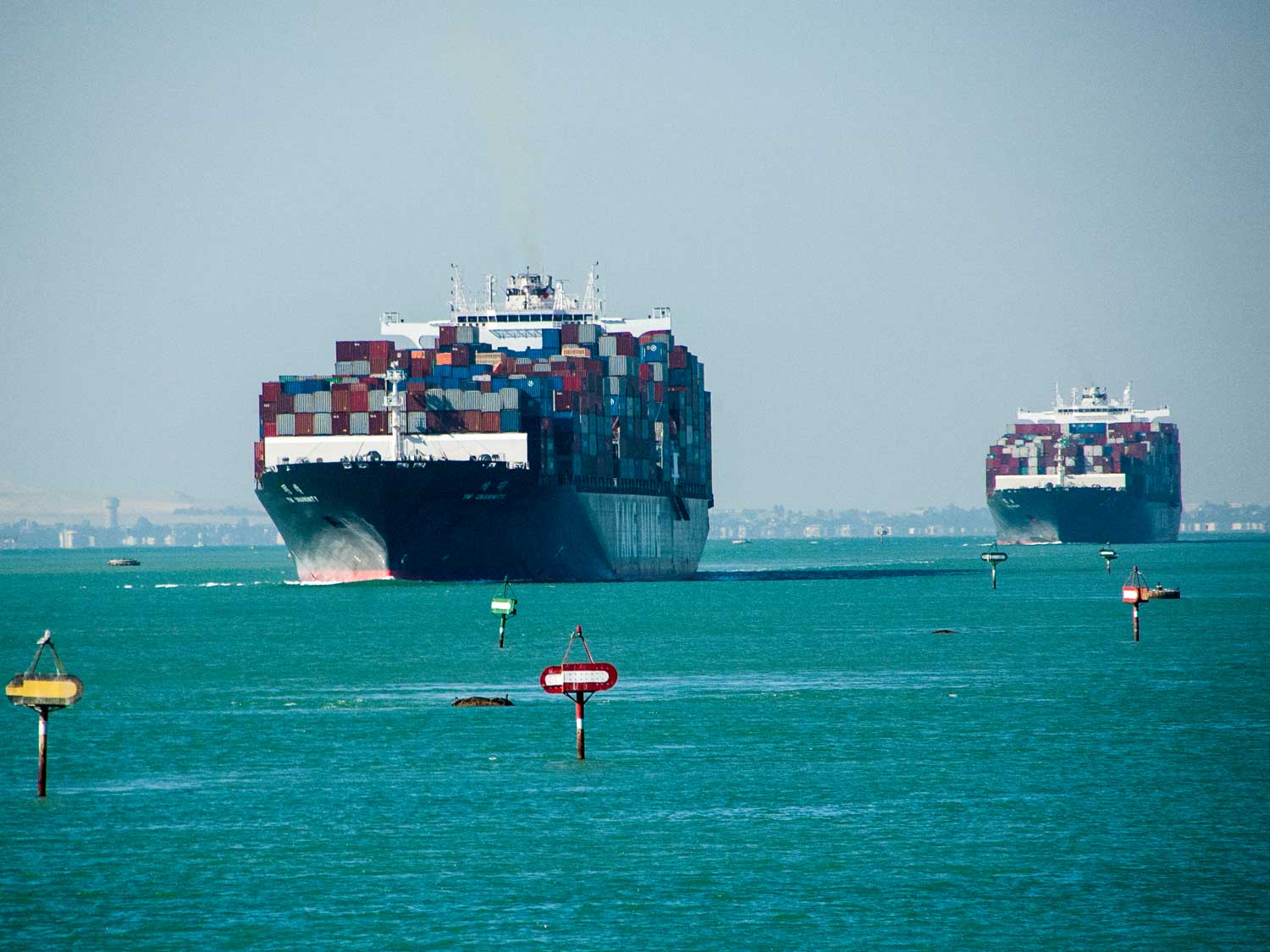
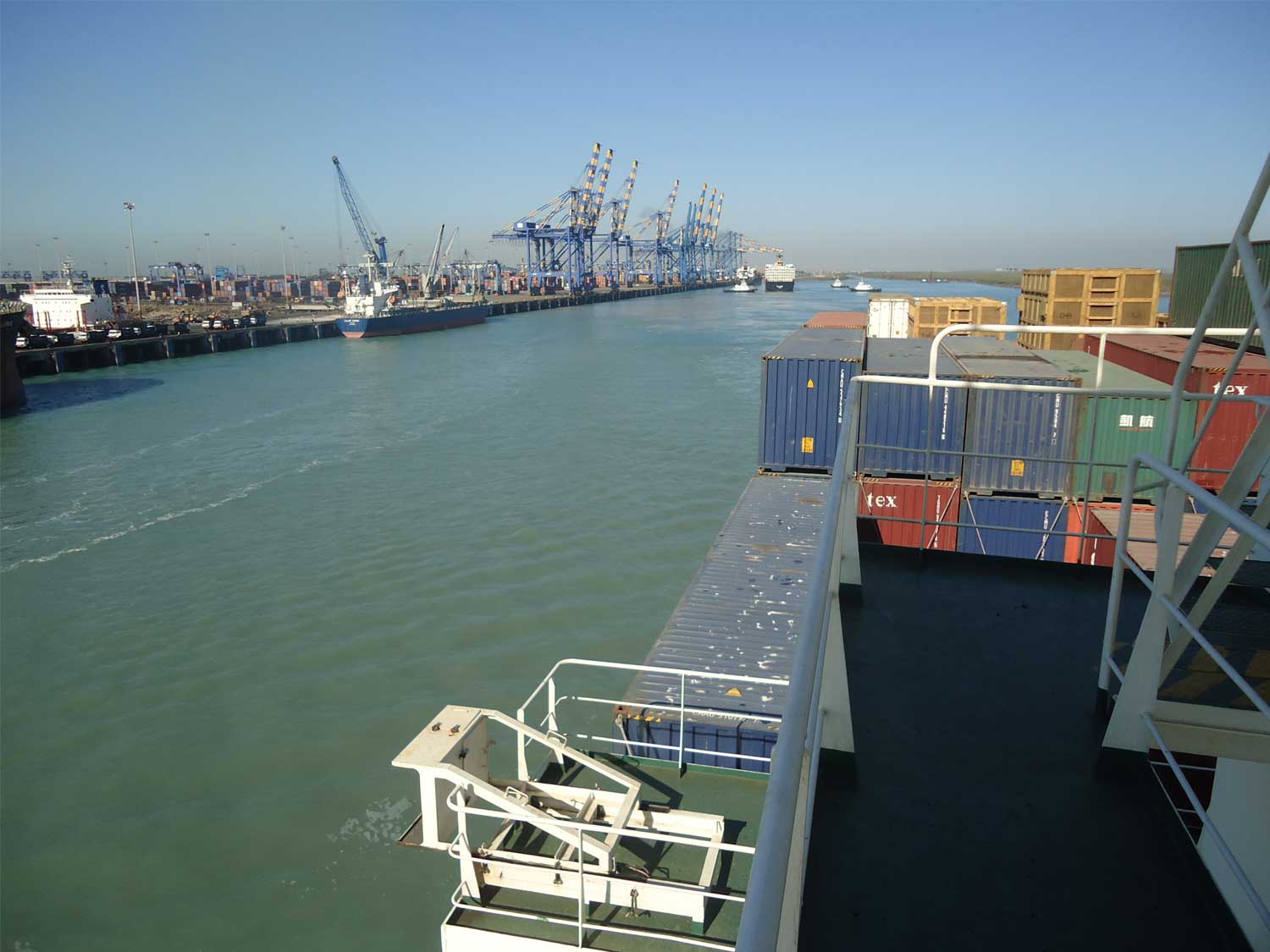
- Shipping routes and insurance costs are affected
- Freight costs rise as vessels reroute or avoid risk zones
- Input costs increase across traded goods
This dynamic mirrors previous inflation shocks but with a more direct geopolitical trigger.
Why the Bank Is Holding Rates (For Now)
Given this backdrop, the Bank’s decision to hold rates becomes clearer. There are three core reasons:
1. Energy Inflation Cannot Be Controlled Directly
Interest rates cannot lower oil prices. Tightening policy aggressively in response to a supply shock risks damaging growth without addressing the root cause.
2. Inflation Is Expected to Rise Again
Despite recent moderation, the Bank expects inflation to increase in the near term as higher energy costs feed through the system.
3. Economic Weakness Acts as a Counterbalance
The UK economy remains soft:
- Labour demand is easing
- Growth is subdued
This reduces the likelihood of sustained wage-price spirals—at least in the short term.
The Key Risk: Persistence
The central question is no longer whether inflation will rise—but whether it will persist.
Scenario analysis from policymakers suggests:
- A temporary energy shock may lift inflation modestly (e.g. +0.3 percentage points)
- A prolonged disruption could push inflation significantly higher and delay its return to target by up to a year
In more severe cases, inflation could rise materially above expectations, forcing the Bank to reverse course and increase rates again.
Conclusion: A Central Bank in a Holding Pattern
The Bank of England is not signalling victory over inflation—it is signalling caution.
The decision to hold interest rates at 3.75% reflects a recognition that the inflation battle has shifted:
- From domestic overheating
- To global geopolitical risk and energy market disruption
In this environment, monetary policy alone cannot drive outcomes. Instead, the path of inflation—and interest rates—will largely depend on events far beyond Threadneedle Street.
For now, the Bank is holding the line. But the direction of travel remains highly contingent on the trajectory of the Middle East conflict—and the energy markets it continues to disrupt.
To discuss how current economic and supply chain conditions could impact your business, EMAIL Laurence Burford, Chief Financial Officer.