
Sustainability
Action to protect the environment is far stronger than any words, which is why we are carbon neutral and lead the way with emissions measurement and CO2 offset and avoidance.

YEARS CARBON
NEUTRAL

K
SHIPMENTS
MONITORED

M
CO2 TONS
MEASURED

Sustainable supply chains
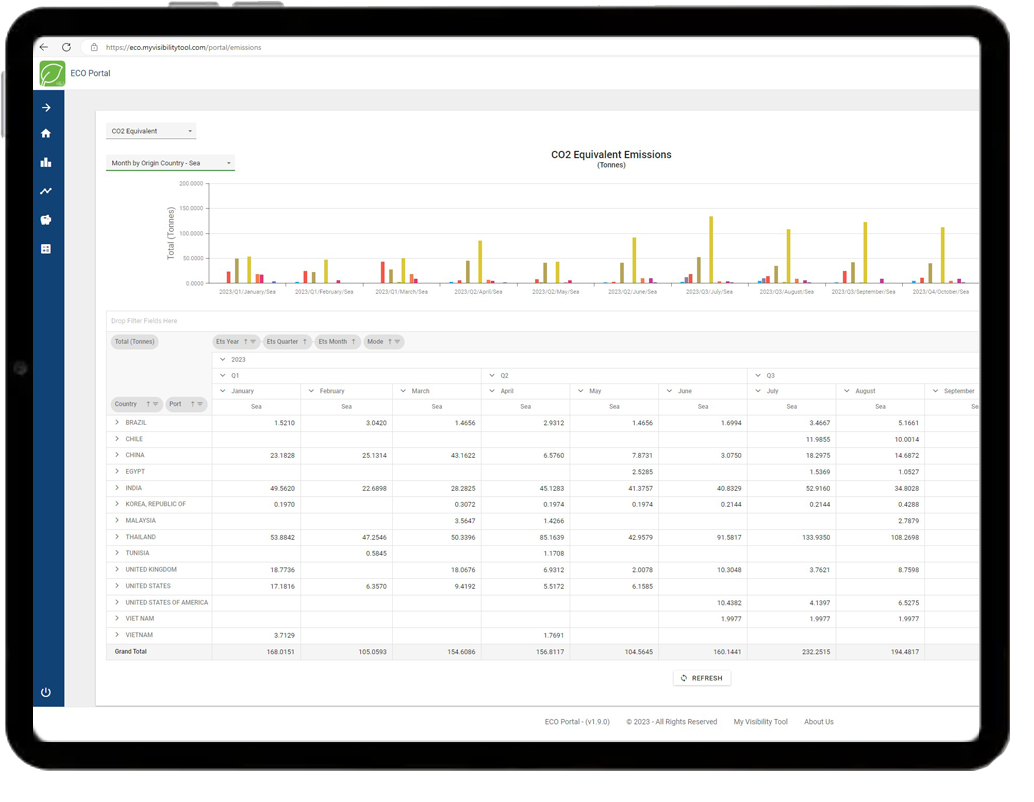
The highest environmental standards are expected and it is now critical that businesses can account for their actions. With MVT ECO shippers can forecast, measure, avoid or offset global supply chain emissions for every shipment, by every transport mode, end-to-end.
- N Accredited emission measurements
- N All modes of transport and shipment legs
- N Emissions footprint statements
- N Latest environmental technology deployed
Positive action
- N Environmental audit
- N ISO 14001 Accredited
- N Proactive carbon reduction
Driving change
- N Member of various sustainability policy groups
- N Established offsetting programmes
- N First UK forwarder to sign up to SAF
MVT ECO
- N 100+ active users
- N Greenhouse gas emissions monitored
- N Pre-shipment emissions calculator
Learn more

Sustainability News & Insights
Thames port disruption as derailment cuts rail freight services
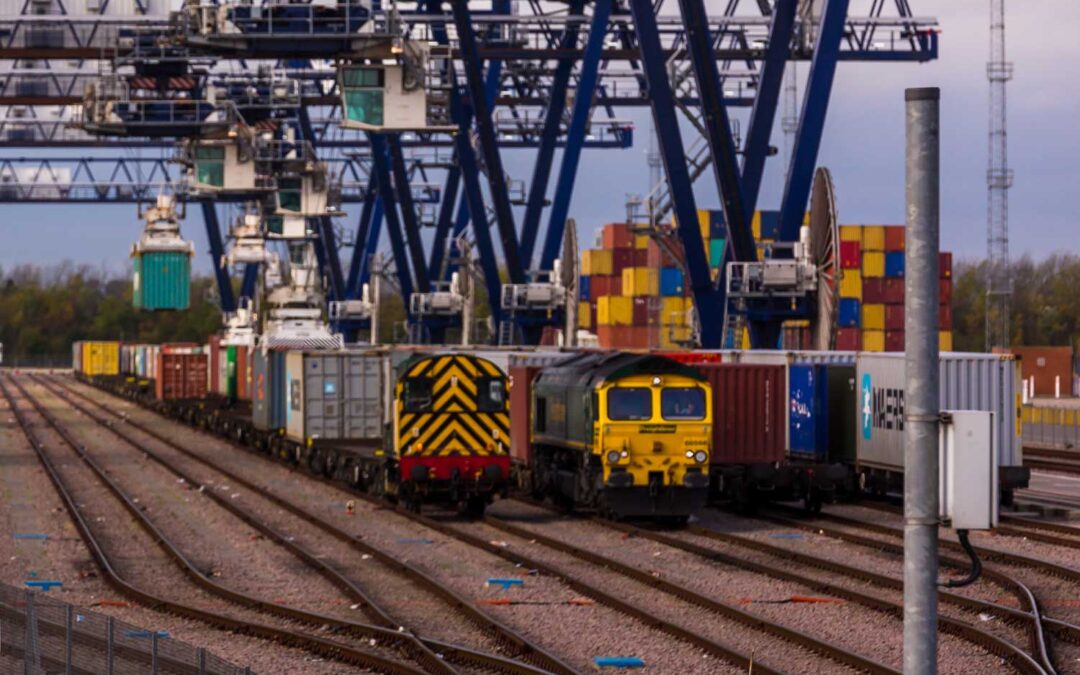
A freight train derailment in east London has severely disrupted rail connections serving London Gateway and Tilbury, with container backlogs threatening to build at two of the UK’s busiest gateways. Container movements through the Thames Estuary face significant disruption following…
Asia–Europe freight rates rebound as carriers tighten capacity
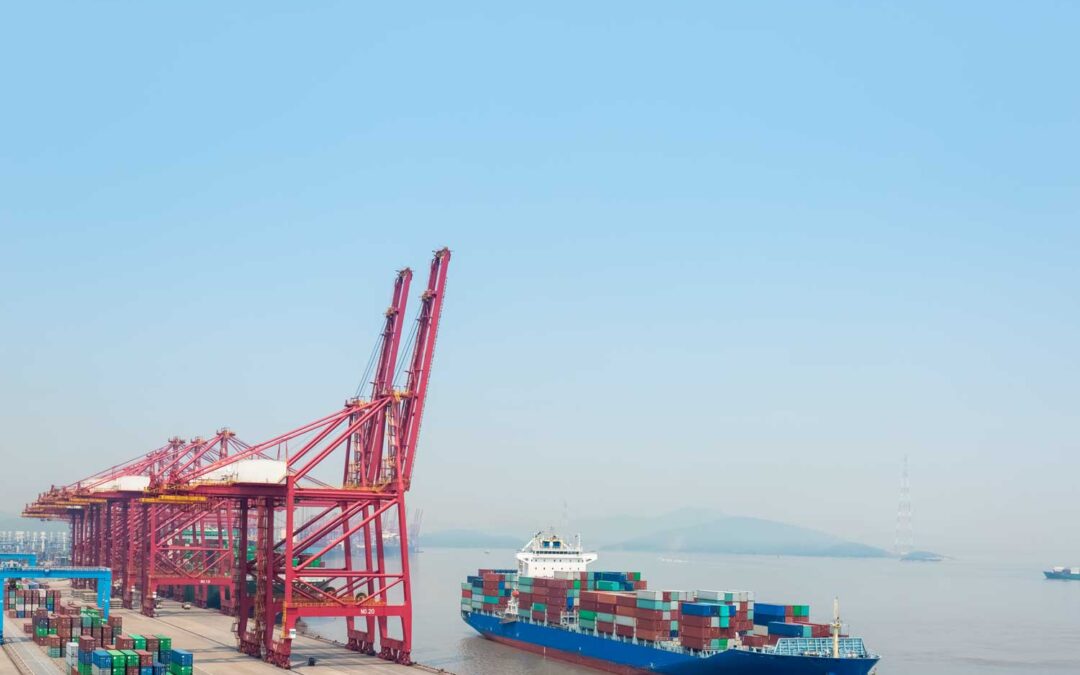
Ocean freight rates on Asia–Europe trades are rising again after months of downward pressure, but contrasting market indicators and increasing blank sailings suggest the recovery is being driven as much by carrier capacity management as underlying cargo demand. The Asia–Europe…

Global airfreight peak accelerates
Airfreight markets are entering the final quarter of 2026 with strengthening demand, sharply rising fuel costs and growing pressure on capacity, although significant differences between trades are creating contrasting conditions for shippers. Global air cargo demand rebounded strongly in September,…

Suez Canal return gathers pace
Nearly two-thirds of Far East–Europe container shipping capacity is now operating through the Red Sea and Suez Canal, marking a significant shift away from Cape of Good Hope diversions, although security concerns and changing service rotations mean the return remains…
US container gateways face pressure beyond the docks
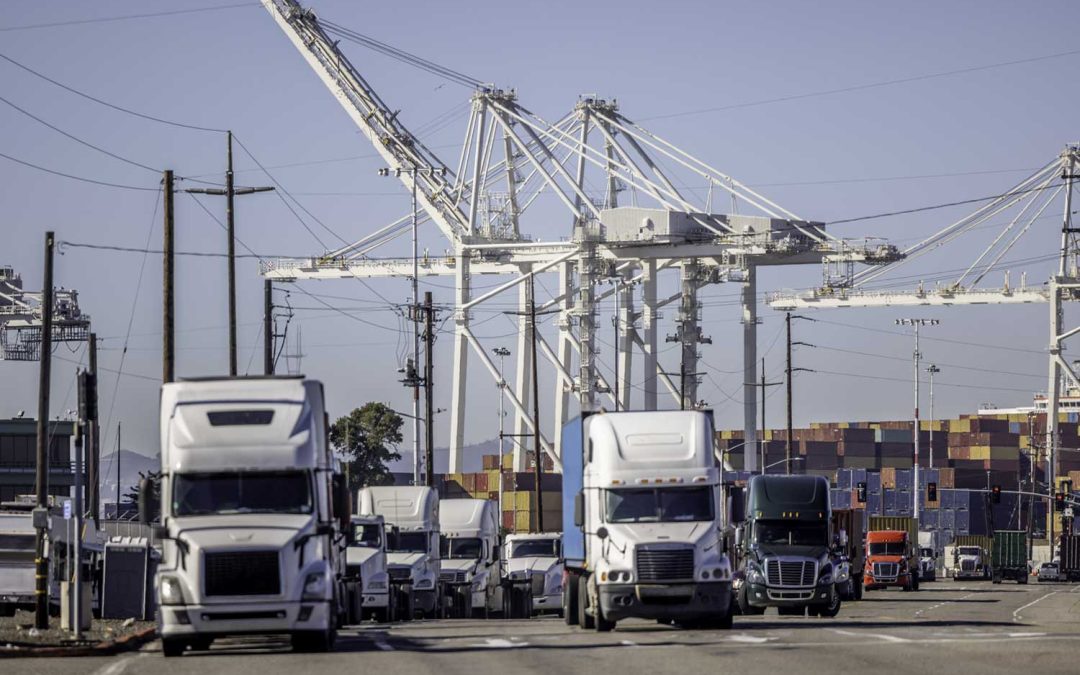
Strong import volumes, tightening trucking capacity and mounting difficulties returning empty containers are creating new challenges at major US ports, threatening delivery efficiency and increasing inland logistics costs. The pressures affecting America’s container gateways are changing. While vessel congestion and…
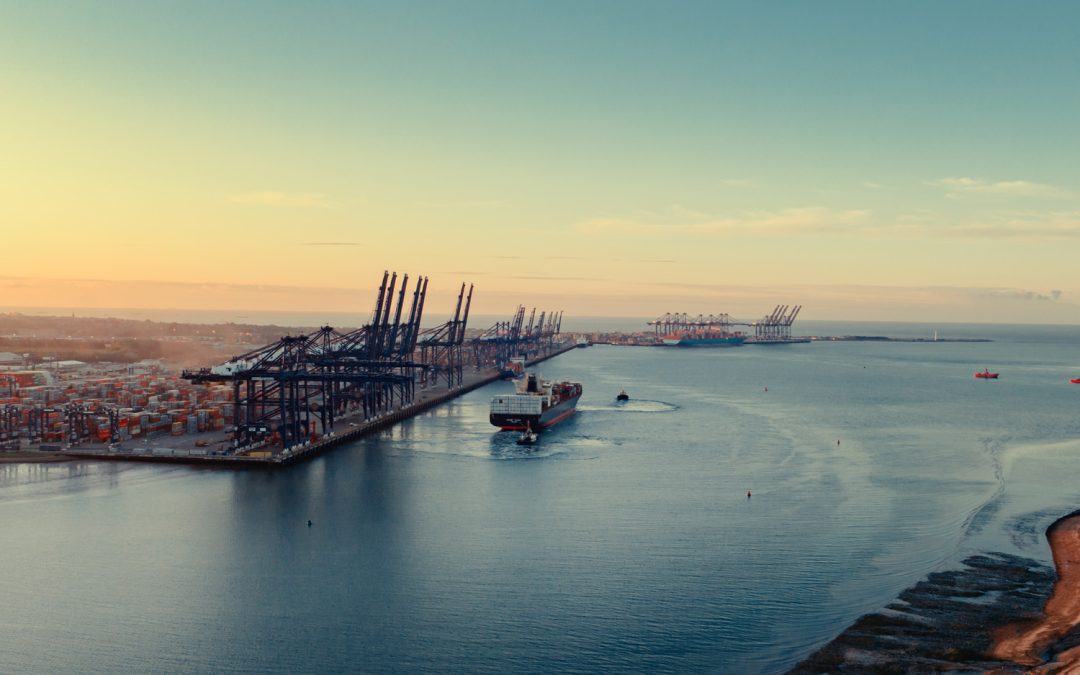
Global container trade breaks records as demand outpaces disruption
Global container volumes have reached another record high, with expanding trade flows across Asia, the Americas and Africa demonstrating the resilience of international commerce despite geopolitical uncertainty, rising transport costs and persistent shipping disruption. Global container trade reached 17.46 million…

Post-Golden Week capacity pressures diverge
Container shipping lines are adjusting capacity as Asian factories resume production following Golden Week, with relatively few cancelled sailings but contrasting conditions emerging on routes to Europe and the United States. As China’s Golden Week holiday ends and export activity…

Airfreight demand and Middle East disruption tighten peak-season
Airfreight markets are entering the fourth-quarter peak season with demand strengthening, capacity tightening on key routes and renewed disruption in the Middle East adding pressure to airline networks and transport costs. Global air cargo demand recovered strongly in September, with…
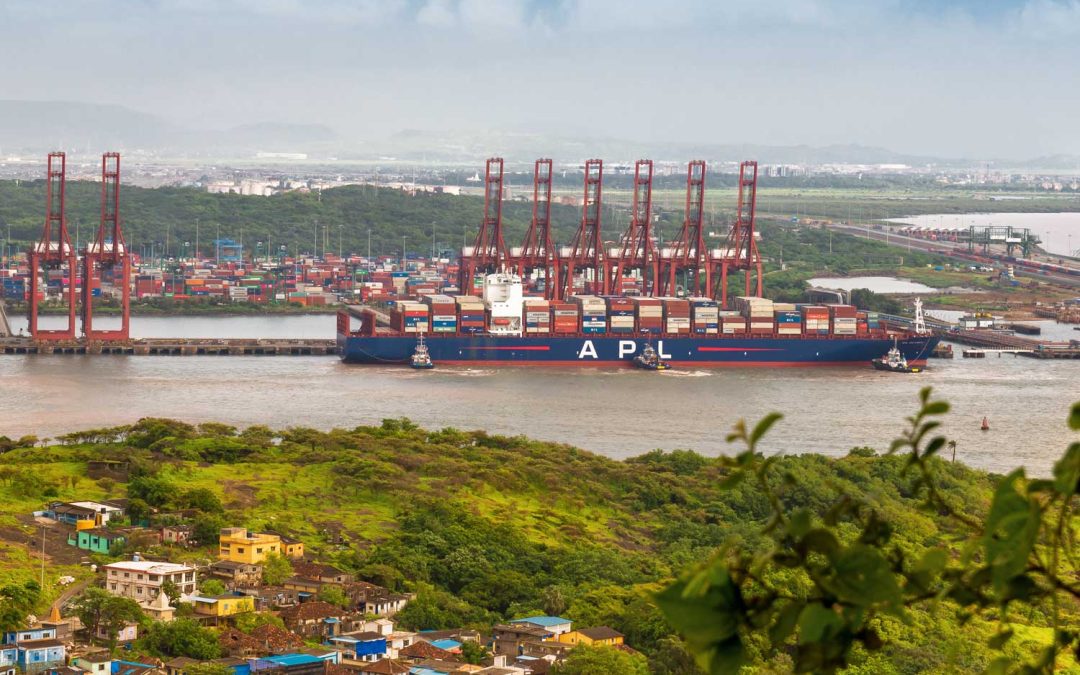
India’s changing shipping networks add pressure to US supply chains
Congestion across South Asia’s container shipping network is increasing costs and disrupting connections for US-bound cargo, while surging China–India demand and changing Middle East trade flows accelerate India’s emergence as a regional transhipment hub. India’s expanding manufacturing economy and the…

German port strikes averted, but Rhine disruption deepens
German dockworkers have accepted a new pay agreement, averting widespread port strikes, but record-low Rhine water levels continue to disrupt inland freight movements, increasing costs and threatening North European supply chains. North European importers have avoided another potential disruption after…
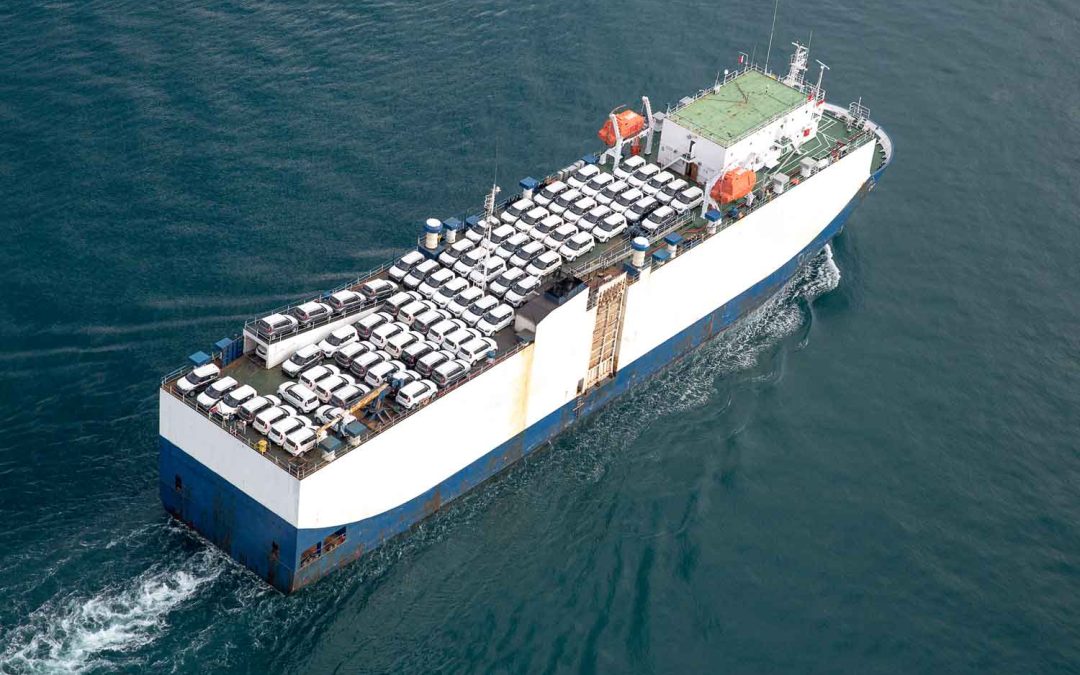
Car carrier expansion opens opportunities for European exporters
Surging Chinese vehicle exports are driving a new wave of car carrier investment, while European operators expand their fleets and develop more versatile vessels, creating potential opportunities for UK and European exporters. The global car carrier market is entering another…

Supply chain resilience moves from response to strategy
Supply-chain leaders meeting in London have highlighted a significant shift in priorities, as resilience, visibility and flexibility move from operational concerns to strategic business requirements. Recent years have tested international supply chains through pandemic disruption, port congestion, geopolitical conflict, Red…

Metro CEO joins Lloyds Bank to examine the changing global trade outlook
Metro CEO Grant Liddell joined Lloyds Bank’s Markets Matter briefing to examine how geopolitical disruption, changing sourcing strategies and rising transport costs are reshaping global supply chains and why underlying trade remains surprisingly resilient. The Lloyds Bank’s Markets Matter series…
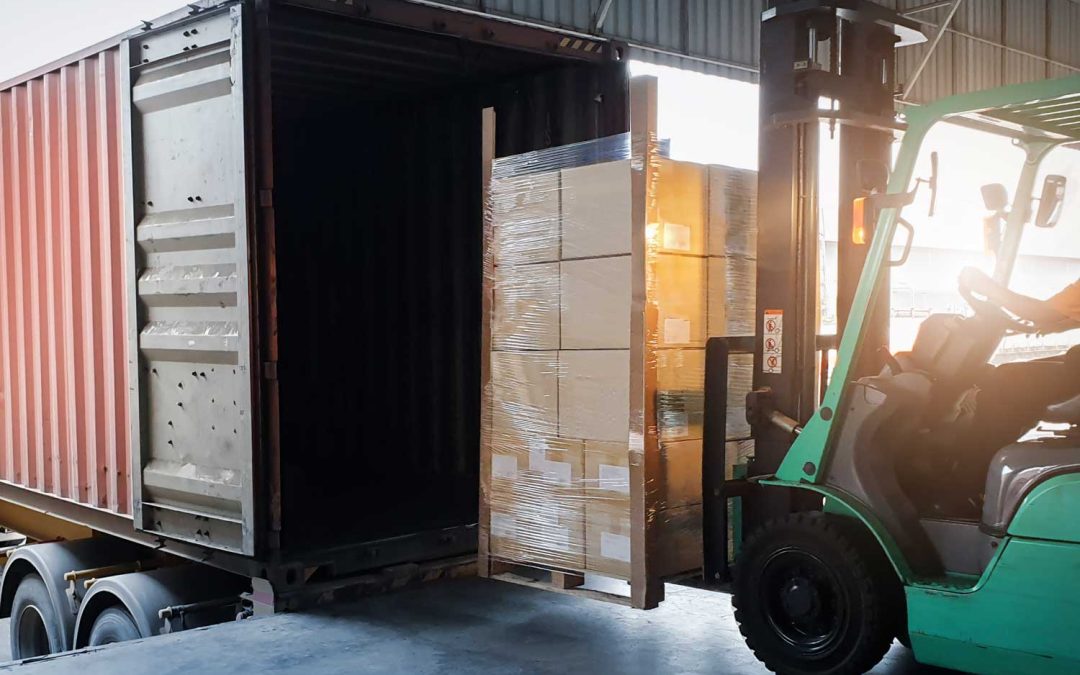
Asia–UK ocean market faces volatile October as capacity shifts
UK importers face an unusually volatile October as falling Asia–Europe freight rates collide with excess scheduled capacity, returning Suez services, short-notice blank sailings and continuing disruption across Asian ports. Ocean carriers are attempting to halt a 12-week decline in Asia–Europe…

Airfreight market strengthens as peak season nears
Global air cargo demand and rates are strengthening ahead of the traditional peak season, with rising volumes, firm pricing and higher fuel costs creating a more robust market as October begins. The latest TAC Index and WorldACD data point to…

Asian port congestion could disrupt supply chains well into 2027
Severe congestion across Asian container ports is tying up millions of TEU of capacity, driving schedule reliability to a four-year low and raising the prospect of disruption continuing well into 2027. Repeated typhoons, strong Asian export demand and congestion spreading…
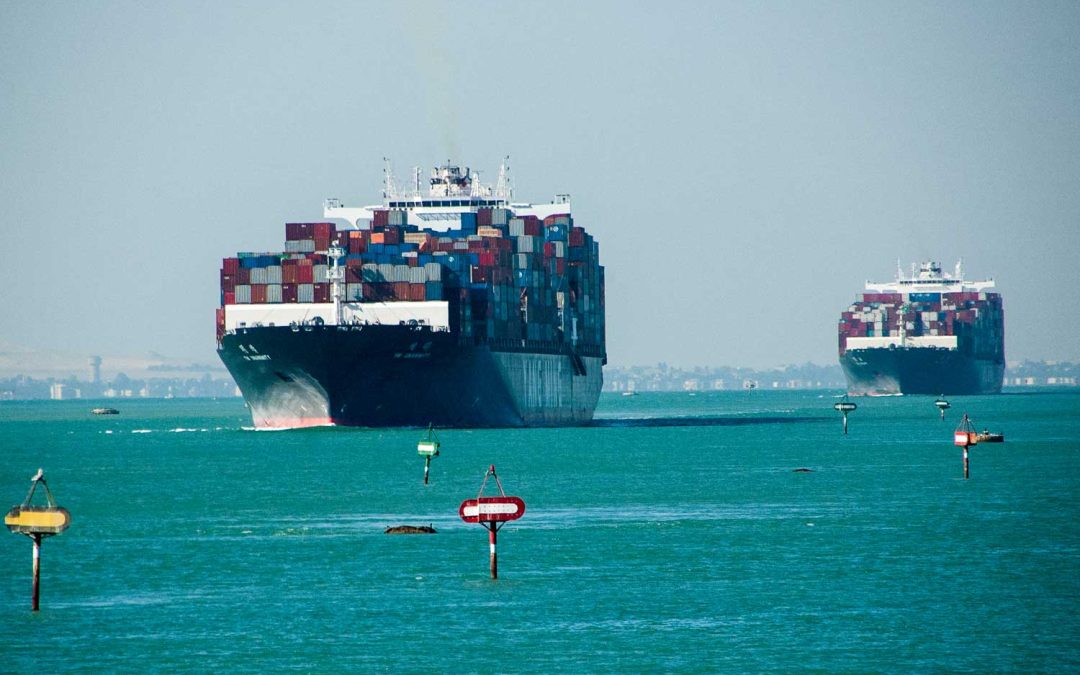
Suez returns as Middle East shipping risks intensify
Container lines are restoring services through the Red Sea and Suez Canal, promising shorter Asia–Europe transits and more effective capacity. But the security picture around the Middle East’s critical shipping chokepoints is becoming more complicated, not less. More Asia–Europe services…
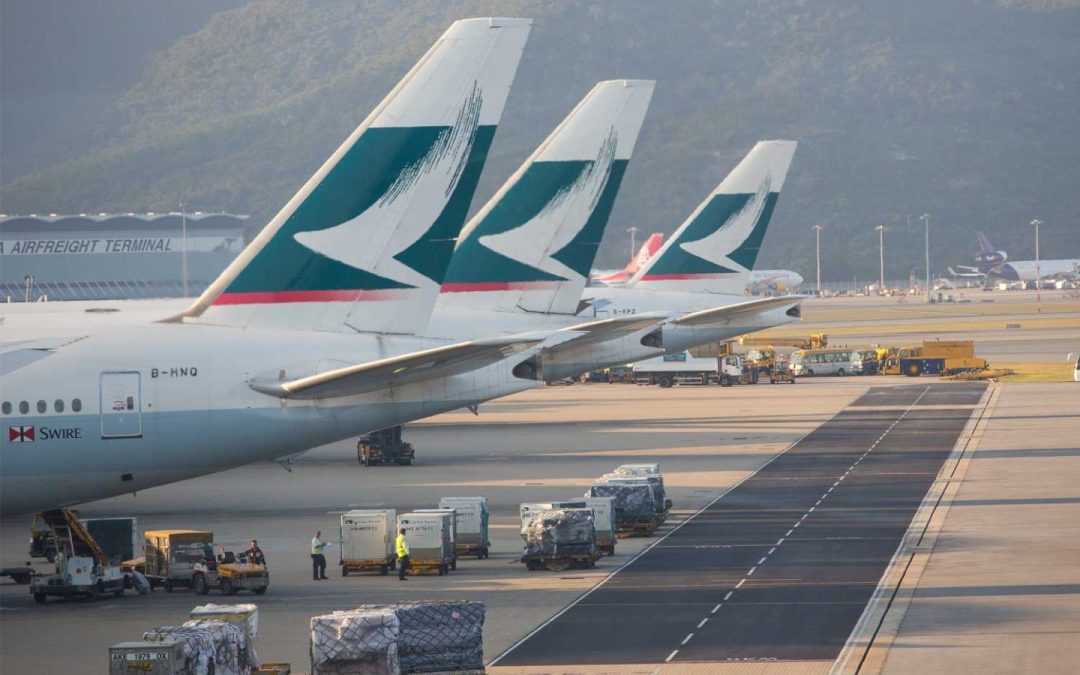
Asia air freight enters autumn with momentum intact
Air cargo’s traditional summer slowdown has failed to significantly loosen the market, with resilient demand, constrained capacity and renewed growth on key ex-Asia lanes keeping pressure on space and pricing as autumn begins. Global air cargo volumes were 6% higher…

Road freight resilience starts before the truck arrives
UK haulage is entering a period in which access to the right vehicle, route and transport option could become increasingly important. For shippers, that makes planning and flexibility just as important as the rate agreed for an individual movement. More…

EU supply-chain rules may be easing but shipper expectations are changing
The EU is reducing some sustainability and due-diligence obligations, but that does not necessarily mean businesses will need less supply-chain information. For shippers, the capabilities of their logistics partners could become increasingly important. For years, businesses have been preparing for…
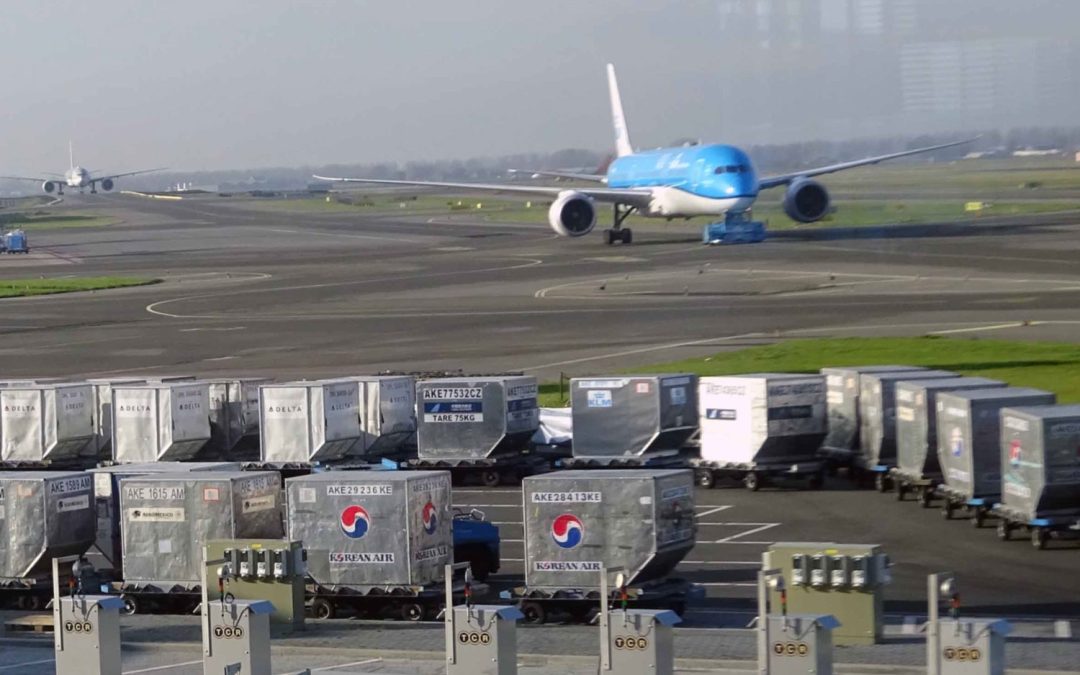
Air freight market tightens ahead of autumn peak
Air freight enters the traditional peak-season build-up with a finely balanced market, as capacity reductions and resilient pricing create the potential for rapid tightening when Asian export demand accelerates. The usual late-September surge may still be several weeks away, but…