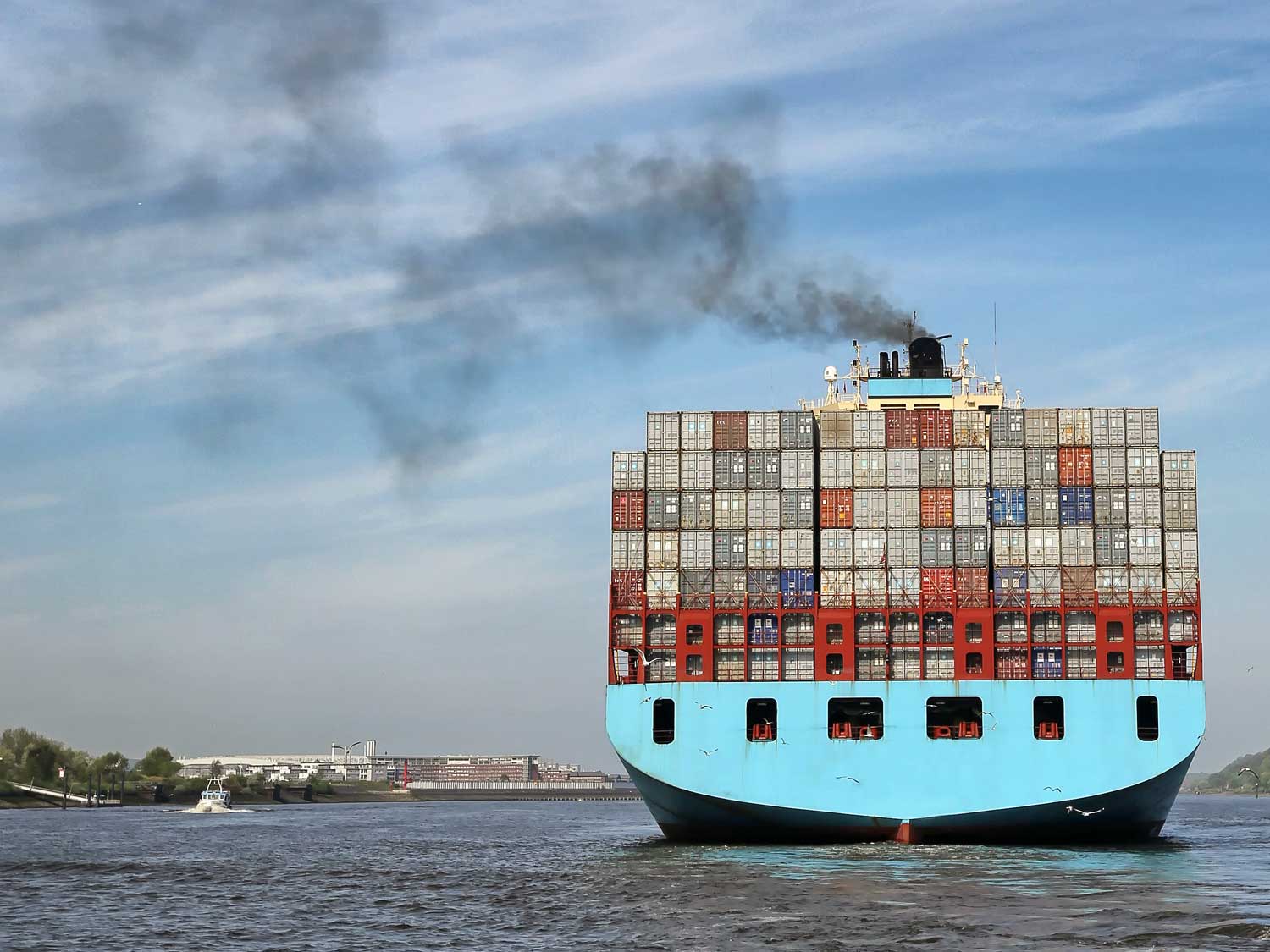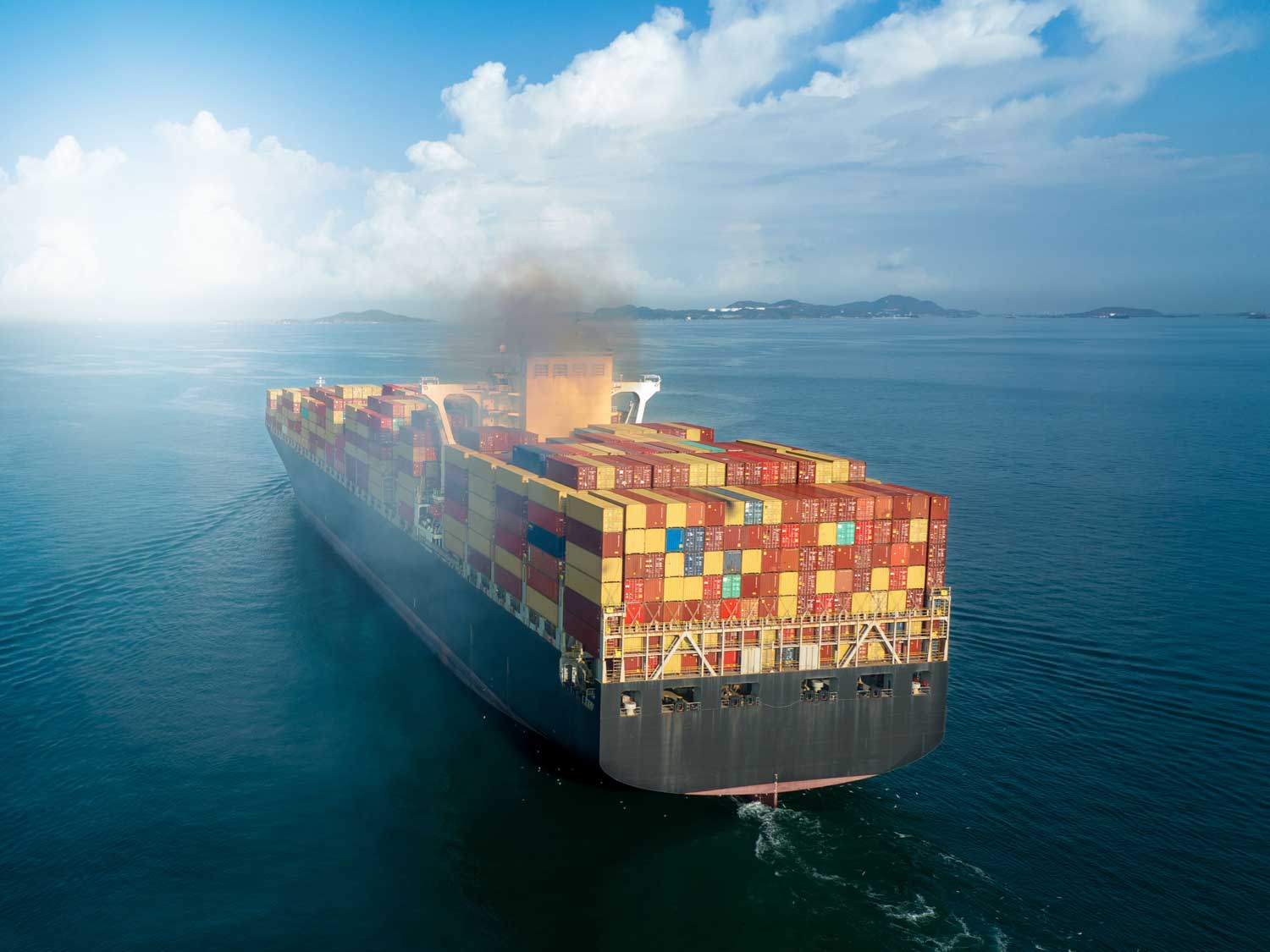
In just over two weeks, IMO 2023 will require containers ships to comply with new environmental efficiency and carbon intensity regulations, which older ships will have difficulty complying with and may prompt early scrapping, removing vast swathes of capacity from the market.
According to one of the world’s largest container shipping lines, 5 to 15% of additional capacity will be required as a result of IMO 2023 rules, while Hapag-Lloyd puts it at 5 to 10%. In effect a drop in current capacity, which could go a long way to shoring up rates with this added dilemma to the infrastructure of the worlds shipping fleet.
Beginning in January, the new IMO rules will require individual ship’s to measure and report its carbon impact, using a complex set of rules, which will effectively grade ships A through to E, with vessels that receive a grade of A, B, or C deemed to be compliant within that year.
Vessels graded D have a three-year grace period to achieve compliance, while those graded E will have one year to do so and, critically, the grading criteria will get increasingly tougher every year. That is just based on the current global legislation which could be further fettled and change.
Which means that a vessel which obtains a B grade in 2023, could score a D or even E in subsequent years, if the vessel’s environmental efficiency was not enhanced.
If the owner cannot make vessel’s rated D or E compliant, or fails to maintain and enhance compliant vessels ongoing, those vessels will have to be removed from service and likely scrapped. Removing capacity.
With container freight rates falling in recent months, the container shipping lines appear to be in for a tough year ahead, but limited shipping capacity growth is a likely by-product of IMO 2023 regulations that lead to vessel scrapping or speed reduction, that effectively removes capacity from supply.
Heavy investment in new container ships would be expected to add supply side pressure, but what seems to be massive capacity growth coming in 2023 and 2024 is going to be severely tempered both by scrapping and the new environmental regulations. A new market dynamic that may not have been considered or factored in by many outside of the shipping industry.
IMO 2023’s stricter emission limits, will further reduce sailing speed from 2024 and the impact may become significant in scrap activities from 2025 onwards with favourable age profile. Fourteen vessels were available for scrap on Monday. From an industry which only scrapped eleven in the last two years. That’s a huge impact already being directly implemented within the industry.
An unintended consequence of IMO 2023 might incentivise higher demurrage costs to reduce vessel time at berth and release tied-up capacity. As an observation.
While a significant drop in freight rates and with high bunker (fuel) prices has already reduced sailing speed, it is likely that IMO 2023 will prevent potential speed recovery, keeping available capacity subdued against the general market expectation of growth.
We share the most important IMO 2023 detail and developments, so that you are informed and prepared to make critical decisions.
Metro are huge advocates in achieving the reduction of further environmental damage caused by global logistics and supply chains. Please contact us to assist you with your own objectives and goals to ensure that you are both compliant and delivering a cleaner and clearer environmental strategy. Every action will contribute and we are able to proactively assist and deliver greener policies and ambitions.
Please contact Elliot Carlile, or Andy Smith to discuss your supply chain and the potential impact of IMO 2023. A greener environment and restriction on greenhouse gas emissions is always welcome – but it will come with an impact which may be invisible to many outside of the industry, for the short term.