Container shipping capacity continues to expand, but congestion, schedule disruption and longer delays are preventing a growing share of the global fleet from carrying cargo when and where shippers need it.
For cargo owners, the size of the global container fleet increasingly tells only part of the capacity story.
New vessels continue to enter service, but around 5% of global deep-sea capacity is currently being absorbed by vessel delays, equivalent to approximately 1.7 million TEU.
During the relatively stable years between 2011 and 2019, delays typically tied up around 2.2% of capacity. The difference between those figures means disruption alone is effectively removing around one million additional TEU from the market compared with historic norms.
That helps explain why significant fleet growth has not necessarily translated into abundant space or consistently softer market conditions.
Congestion is absorbing millions of TEU
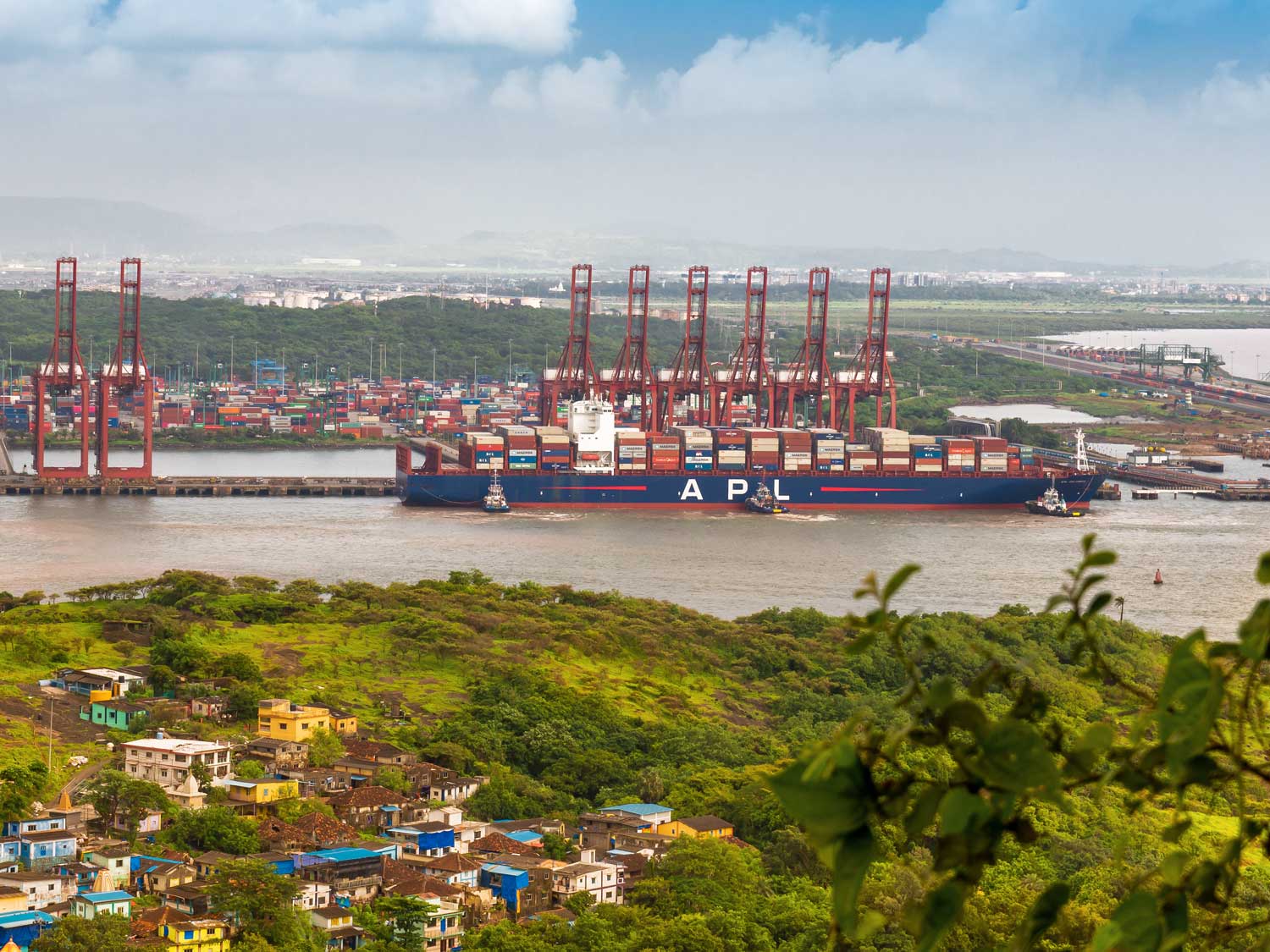
The scale of current port congestion illustrates the problem.
By week 34, more than 4.3 million TEU was waiting to berth at container ports globally, equivalent to 12.6% of the 34.4 million TEU fleet.
In absolute terms, that exceeds the approximately four million TEU caught in port congestion during the 2022 pandemic peak. Today's fleet is considerably larger, however, so the proportion affected remains below the 15.7% recorded at that time.
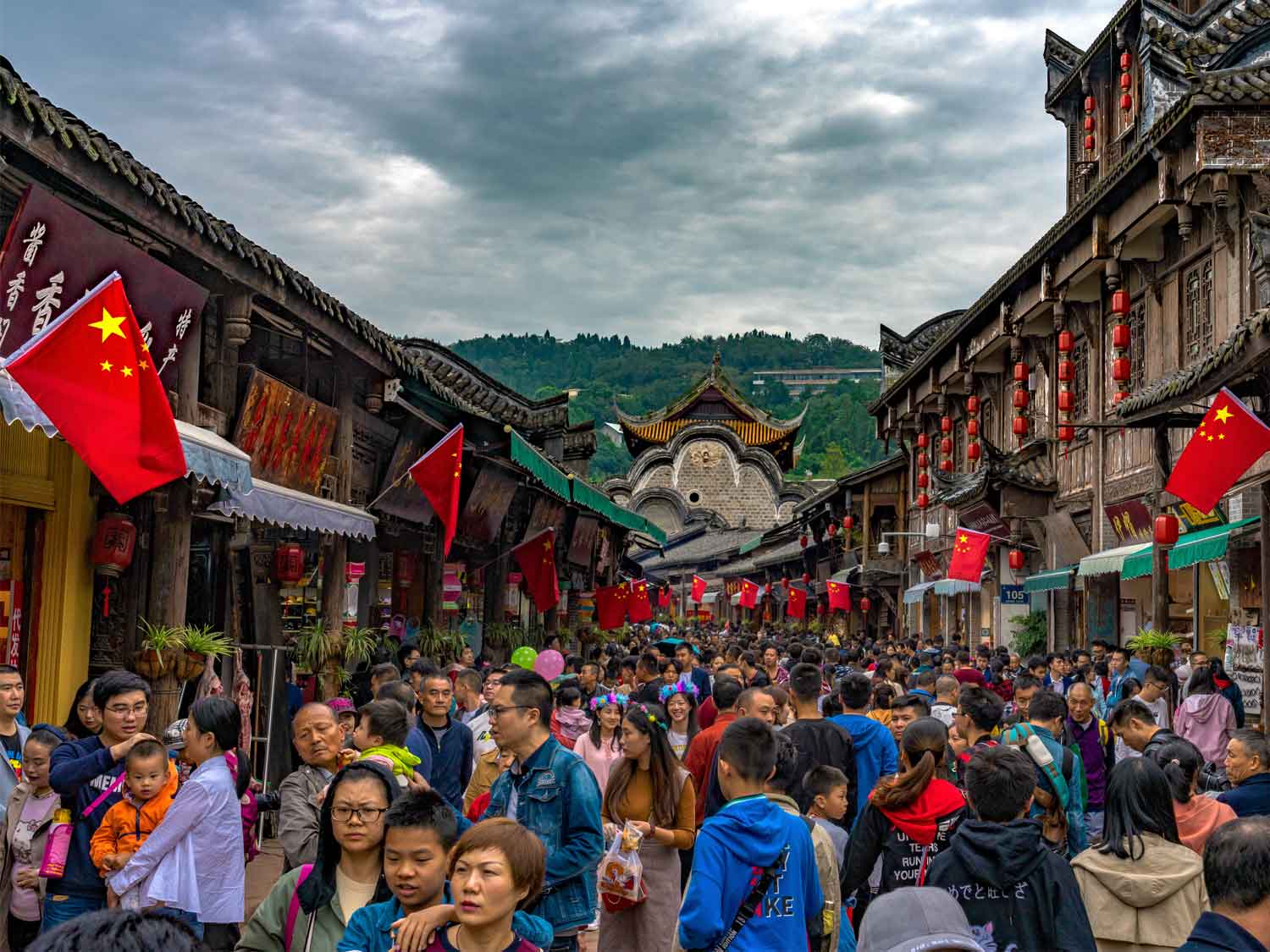
East Asia is responsible for much of the latest pressure, with severe weather disrupting some of the world's busiest container gateways.
China disruption ripples through global schedules
Typhoon Dolphin demonstrates how quickly a local event can affect global capacity.
Between early and mid-August, the number of vessels queueing at Shanghai increased from 24 to 139, while Ningbo's queue rose from 11 to 77.
Carriers responded with port omissions and changes to vessel rotations as they attempted to recover schedules. Across Shanghai, Ningbo and Yantian, these measures are estimated to have removed almost 500,000 TEU of scheduled capacity from affected services.
Asia–Europe has been among the trades affected, with vessels skipping calls to recover schedules and accommodate accumulated cargo. Some services have faced waiting times of five to eight days at Shanghai's Yangshan terminal, with individual vessels experiencing even longer delays.
The impact continues after ports reopen
Clearing a vessel queue does not immediately restore capacity. Containers diverted from congested Chinese ports have been discharged or transhipped through alternative hubs, including Busan and Hong Kong. Returning this cargo to its intended destination requires additional feeder movements and handling.
Port omissions can also leave cargo waiting for subsequent sailings, while late vessels risk missing berthing windows at later ports.
Disruption therefore travels through the network. A weather event lasting several days can affect vessel rotations and cargo flows for weeks afterwards.
This is compounded by structurally weaker schedule performance. Global reliability remains around 60–65%, compared with the 70–80% commonly achieved before the pandemic, while average delays have increased from around three to four days to approximately five to five-and-a-half days.
More ships do not automatically mean more space
Global container supply continues to grow, but physical fleet size is only one part of the equation.
Congestion, longer voyages, port omissions, diversions and disrupted rotations determine how much capacity is actually available on individual trade lanes.
Further pressure could emerge from the Panama Canal, where tighter draught restrictions and reductions in transit availability during September threaten to constrain capacity, particularly on services connecting Asia with the US East Coast.
Meanwhile, firm charter demand suggests carriers are still seeking additional tonnage despite the expansion of the global fleet.
The apparent contradiction disappears when nominal capacity is separated from effective capacity. The industry may have more ships, but disruption determines how productively those ships can be deployed.
Usable capacity is what matters to shippers
For shippers, the important question is not how much capacity exists globally, but how much is available on the required trade lane, sailing and date.
When disruption absorbs millions of TEU, available space can tighten quickly. Sailings can be omitted, containers rolled and transit times extended even while headline fleet statistics suggest the market is well supplied.
That makes early visibility, carrier choice and alternative routing increasingly important to ocean freight planning.
Metro combines extensive carrier relationships with a global network and strong Asian capabilities to give shippers access to alternative sailings, gateways and routings when effective capacity tightens.
With early market intelligence and joined-up origin and destination management, we can identify emerging constraints before they become critical and keep your cargo moving when disruption takes capacity out of the market.
EMAIL Andrew Smith, Metro’s Managing Director, to learn more.