Surging Chinese vehicle exports are driving a new wave of car carrier investment, while European operators expand their fleets and develop more versatile vessels, creating potential opportunities for UK and European exporters.
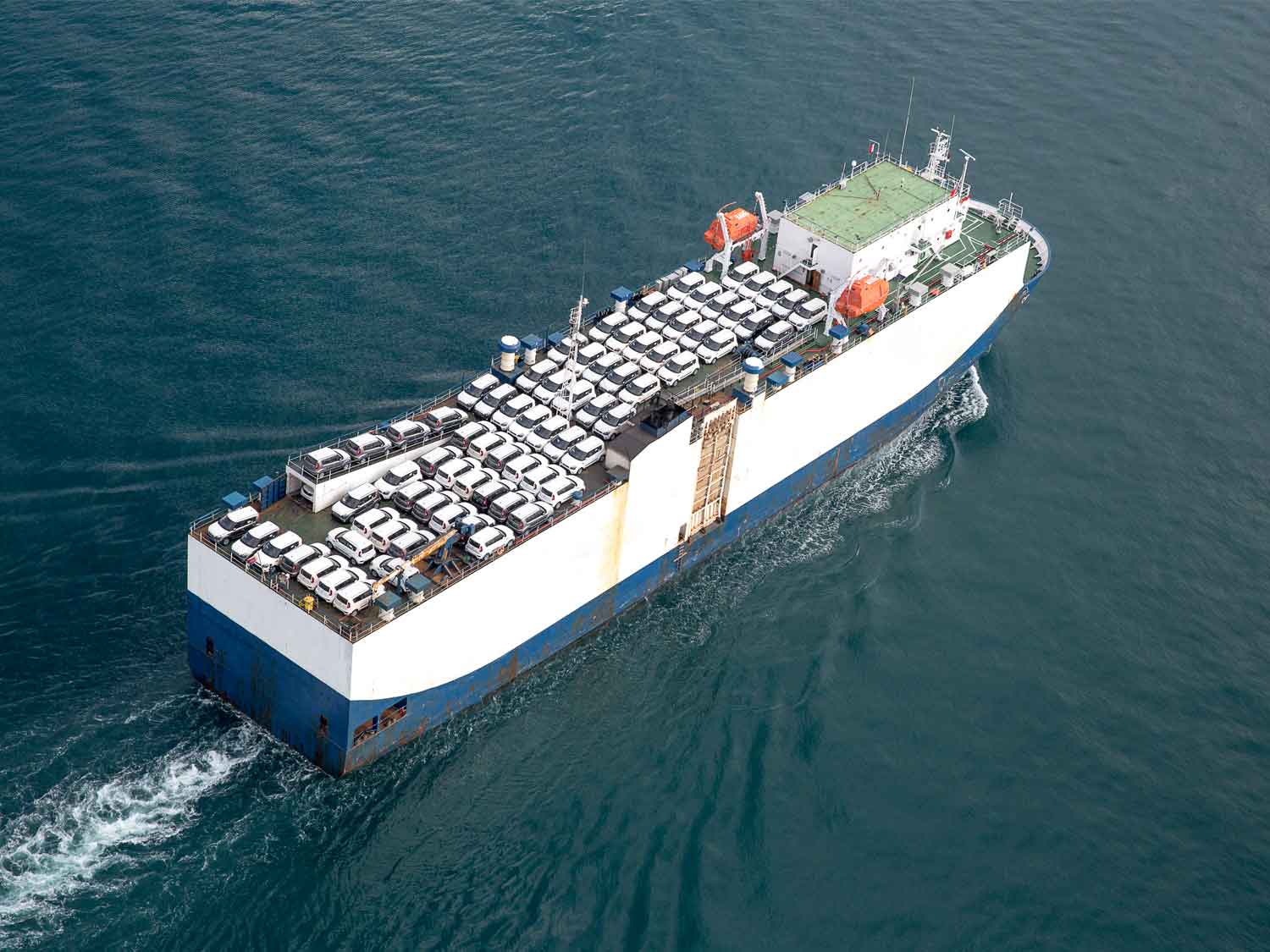
The global car carrier market is entering another period of expansion, with shipping lines and automotive manufacturers investing in larger, more efficient vessels to meet growing demand.
China is driving much of this investment, as its automotive exports continue to increase and manufacturers seek greater control over international distribution.
However, European shipping operators are also expanding their fleets, investing in new technology and developing more flexible cargo-carrying capabilities.
For UK and European exporters, these developments could eventually improve vessel availability and create new international shipping opportunities.
Chinese exports drive record investment
China's vehicle exports now exceed one million units per month, creating sustained demand for dedicated car carrier capacity.
Cosco Shipping, BYD and SAIC Anji Logistics are planning a combined investment in 21 vessels, each capable of carrying approximately 11,000 cars.
Elsewhere, Global Car Carriers has ordered eight additional 8,600-car vessels for delivery in 2029 and 2030.
The global car carrier order-book now represents approximately 27% of the active fleet, with 2026 potentially setting a new record for vessel orders.
Despite this investment, capacity remains constrained. Some operators have been unable to accommodate all available cargo, while an estimated three million Chinese vehicles could move in containers this year because of insufficient dedicated car carrier space.
European operators invest in capacity and versatility
The expansion is not confined to Chinese operators. European shipping companies are also investing in larger, more efficient vessels, including multipurpose roll-on/roll-off ships capable of transporting vehicles, trailers, containers and high-and-heavy equipment.
Grimaldi is developing a new generation of larger, more fuel-efficient container/RoRo vessels, alongside multipurpose ships designed to accommodate a wider range of automotive and industrial cargo.
The programme builds on its existing fleet expansion and reflects growing demand for flexible international shipping capacity.
CLdN has ordered two additional ro-ro vessels for delivery in 2029, designed to improve fuel efficiency by 30–40% compared with smaller ships in its existing fleet.
Stena RoRo is also expanding its E-Flexer programme, with two further vessels scheduled for delivery in 2030.
Operators are not simply adding capacity. They are investing in vessels that can carry more cargo, accommodate different vehicle types and improve operational efficiency.
Changing trade flows create export opportunities
China's automotive export growth is also reversing established shipping patterns.
Historically, European manufacturers generated substantial finished vehicle volumes moving eastwards to Asian markets.
Today, Chinese manufacturers are generating increasing westbound volumes, leaving some vessels with comparatively limited cargo for their return journeys.
For UK and European exporters, this imbalance could create opportunities to secure space on returning vessels.
Additional capacity may support exports of finished vehicles, commercial vehicles and specialist automotive cargo, although availability will depend on individual vessel rotations, port calls and destination markets.
Trade policy could also influence future capacity deployment, with recent EU restrictions on Chinese hybrid vehicle imports potentially redirecting shipments towards other international markets.
While the immediate market remains tight, new vessel deliveries and changing cargo flows could gradually improve shipping options for European manufacturers.
Turning capacity growth into export advantage
For automotive exporters, the opportunity extends beyond securing additional vessel space.
Larger ships, more versatile cargo capabilities and evolving carrier networks could provide greater flexibility in selecting routes, managing costs and coordinating international vehicle distribution.
However, identifying available capacity and matching it to specific export requirements will remain essential.
Metro's specialist automotive logistics team combines established carrier relationships with expertise in finished vehicle movements, multimodal transport and international distribution.
As shipping networks evolve, Metro can help manufacturers and exporters assess emerging capacity, identify alternative routings and develop efficient transport solutions.
Put changing automotive shipping patterns to work for your business. Talk to Metro's automotive specialists about securing capacity, improving routing options and strengthening your international vehicle supply chain.