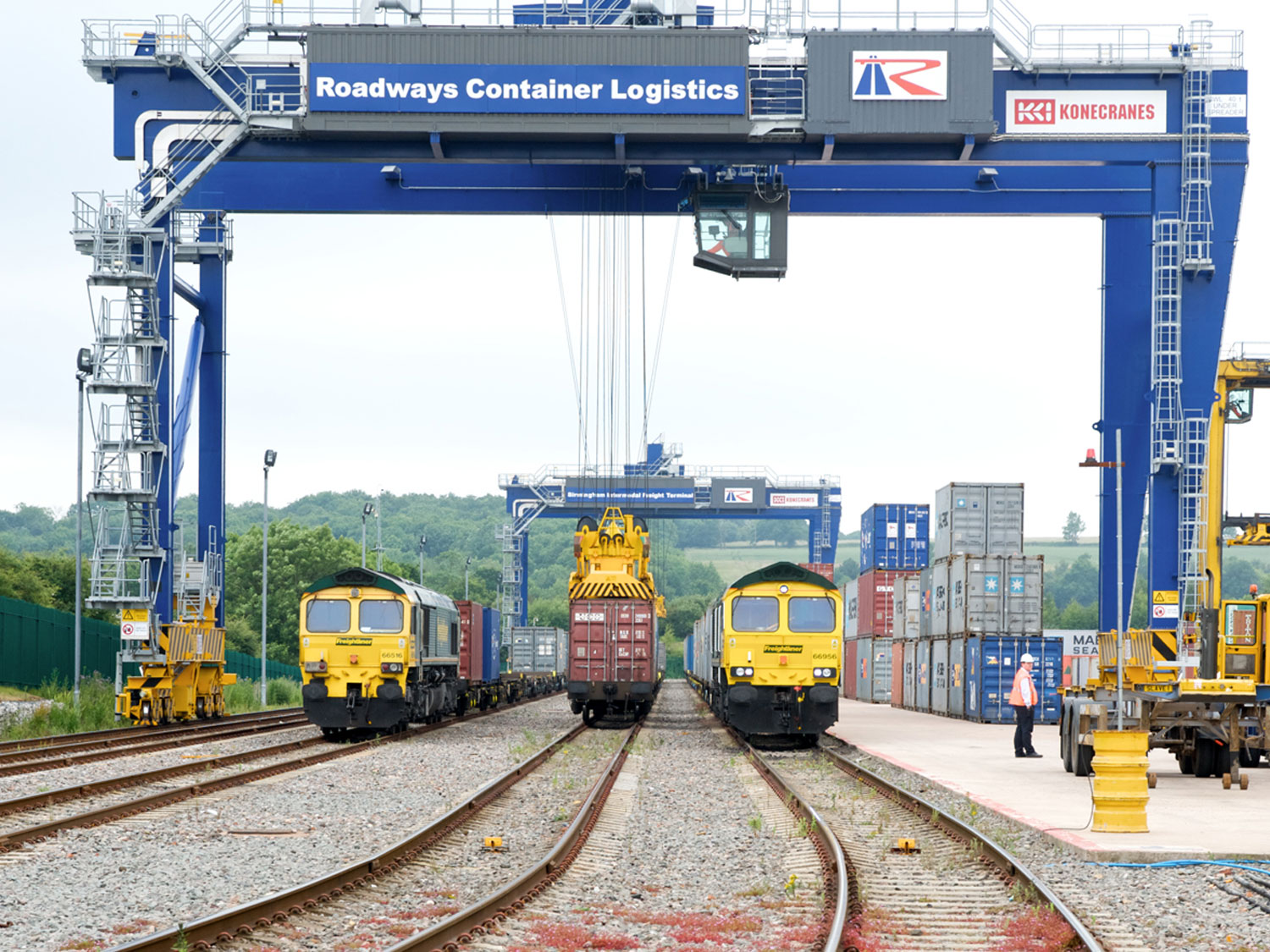
Plans to reintroduce regular cross-Channel rail freight services are moving forward, signalling a potential shift in how goods move between the UK and mainland Europe.
As investment in infrastructure gathers pace, rail is re-emerging as a viable complement to established road and sea routes.
A government-backed agreement to redevelop the Barking Eurohub in east London is expected to play a central role in restoring regular rail freight services through the Channel Tunnel.
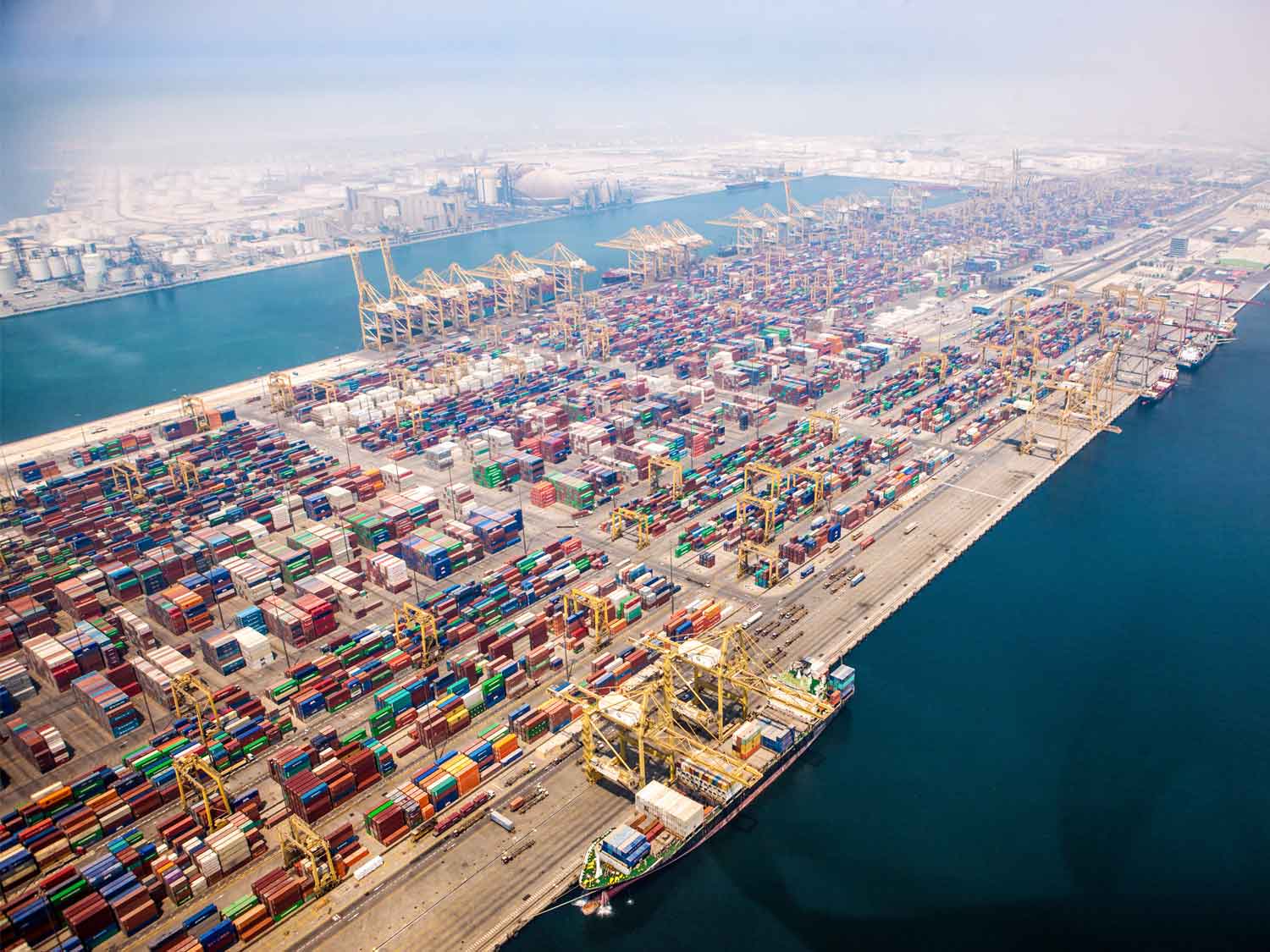
The site is being positioned as an international logistics hub, supporting intermodal trains that can move containers seamlessly between rail, road and sea. This would enable more direct connections between the UK and key European markets including France, Germany, Italy and Spain.
Currently, only a limited volume of rail freight passes through the Channel Tunnel, with most UK–EU cargo continuing to rely on short sea crossings and onward road transport.
The planned expansion of intermodal rail services is intended to rebalance that model and provide greater flexibility for cross-border supply chains.
Rail offers an alternative to congested road and port networks
The renewed focus on rail comes at a time when road and port infrastructure across the UK and Europe is under increasing pressure.
Shifting a greater share of freight onto rail has the potential to reduce congestion on key corridors in the south-east of England, while also improving transit predictability for certain flows. For shippers, this introduces an additional routing option that sits between road and sea in terms of both speed and cost.
Rail freight volumes have already been growing steadily, with increases of around 5% year on year and further gains in intermodal traffic. Forecasts suggest continued growth over the coming decade, supported by both infrastructure investment and policy commitments to expand rail’s role in the supply chain.
Unlocking new options for UK–Europe trade
The return of regular cross-Channel rail services could create new opportunities for both imports and exports.
For UK businesses, this includes more direct access to European markets for a wide range of goods, as well as improved inbound flows of time-sensitive products such as food and consumer goods. Intermodal rail also offers a more structured and predictable alternative for moving containerised cargo across borders.
However, realising this potential will depend on how effectively rail services are integrated into wider logistics networks. Efficient onward connections, competitive pricing and reliable scheduling will all be critical to making rail a commercially viable option at scale.
Rail is unlikely to replace road or sea, but it can play a valuable role as part of a broader intermodal strategy, particularly for flows that benefit from a balance of speed, cost and sustainability.
This is where coordination becomes critical. Moving containers efficiently between ports, rail terminals and final delivery points requires a joined-up approach across multiple modes and geographies.
Metro has extensive experience in pan-European intermodal transport, combining road, sea and rail solutions, alongside regular UK rail services connecting primary ports with inland destinations.
If you are looking to explore how cross-Channel rail could support your European flows, or how to integrate rail into your wider transport strategy, EMAIL Andrew Smith, Managing Director at Metro, for a practical discussion tailored to your network.