Global cargo volumes remained strong throughout June, finishing 9% higher than the same month last year and building on steady growth seen throughout the first half of 2026.
While capacity has gradually returned to the market following the disruption caused by the Iran-US conflict, pricing remains significantly above last year's levels as airlines continue to operate in a more complex and uncertain environment.
Although the ceasefire had allowed airlines to restore many services across the Gulf, it is proving to be very fragile and the market is far from returning to normal.
The European Union Aviation Safety Agency on 7 July extended guidance advising airlines to avoid Iranian, Iraqi and Lebanese airspace until the end of August following renewed exchanges between the US and Iran. While restrictions affecting several Gulf states have been relaxed, airlines operating between Europe and Asia continue to face longer routings around conflict zones, increasing both flight times and operating costs.
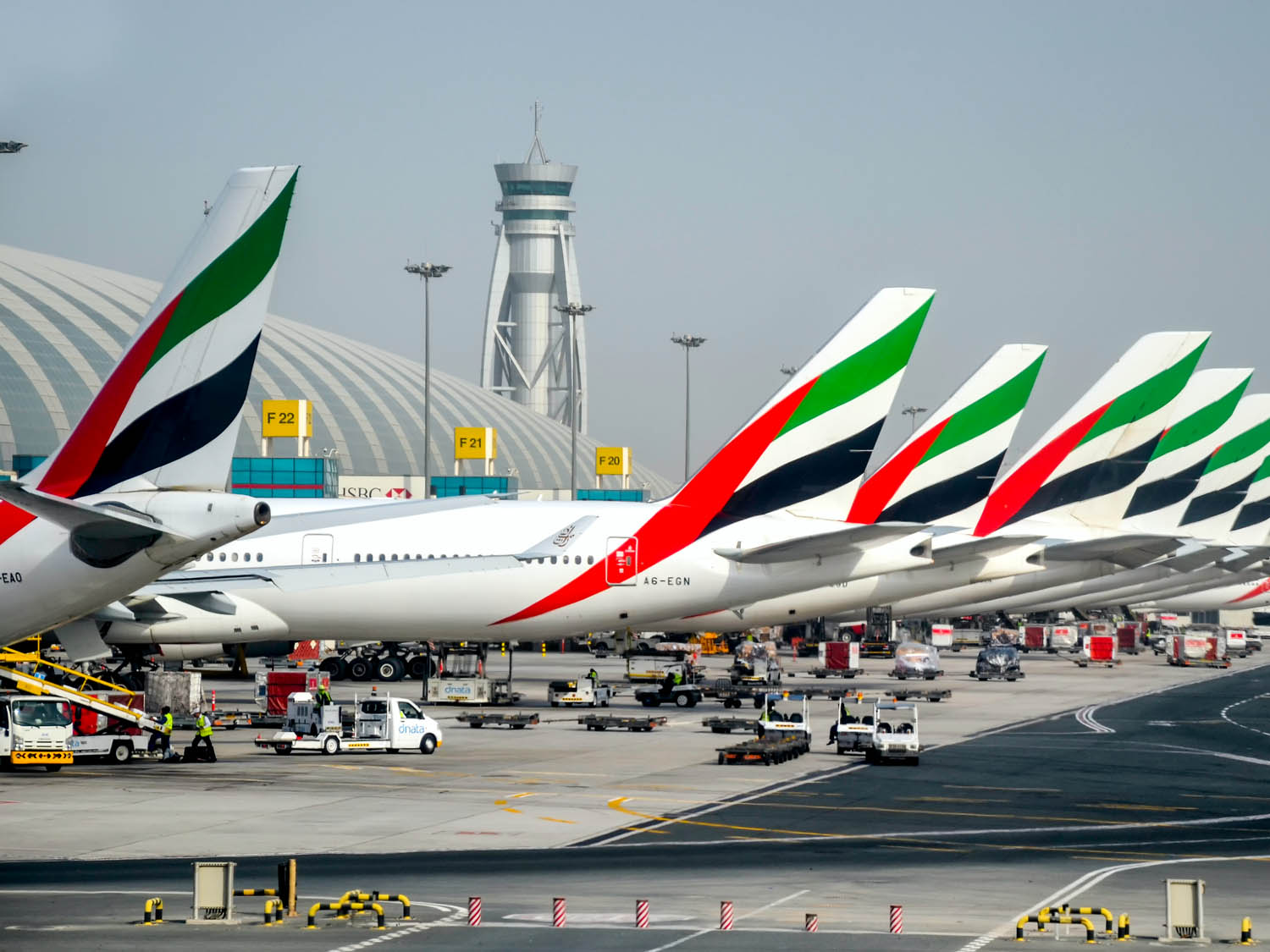
Many Gulf carriers have rebuilt schedules and returned aircraft to service, helping overall capacity recover. However, operational planning remains heavily influenced by evolving security assessments, insurance requirements and regulatory guidance, meaning disruption can quickly return if regional tensions escalate.
Capacity is improving but rates remain elevated
Global air freight capacity has increased by around 3% over recent weeks, with Middle East capacity now marginally above the same period last year. Despite this recovery, average freight rates during June remained approximately one-third higher than a year earlier, underlining how the market continues to price in operational risk as well as strong underlying demand.
Rates into the Middle East remain particularly elevated compared with pre-conflict levels, although they have eased from the exceptional highs seen during the height of the disruption as more capacity returns to affected trade lanes.
AI is replacing eCommerce as the growth engine
For several years, cross-border eCommerce drove much of the growth in global air cargo. Today, semiconductor manufacturing, AI infrastructure and high-value technology products have become the primary drivers of demand.
Strong exports from Taiwan and South Korea continue to generate significant volumes across global air freight networks, helping offset weaker eCommerce activity following changes to low-value import rules in both the US and Europe. Overall, air cargo demand continues to outperform expectations despite these changing market dynamics.
New regulations are reshaping eCommerce
The European Union has now removed de minimus duty-free treatment for low-value imports, introducing additional customs charges on individual shipments from outside the bloc. The immediate result has been a sharp reduction in direct freighter capacity between China and Europe as eCommerce operators assess the commercial impact and adapt their distribution strategies.
While experience in the US suggests volumes are likely to recover over time, many businesses are expected to shift towards larger consolidated consignments rather than individual parcel movements, changing the mix of cargo moving through international air freight networks.
While capacity is gradually returning and some pricing pressures have eased, the combination of geopolitical risk, regulatory change and evolving demand means air freight remains a market where agility and forward planning continue to deliver a competitive advantage.
Metro's air freight specialists monitor market developments daily, helping customers secure reliable capacity, identify the most effective routings and respond quickly as conditions evolve.
To discuss your international air freight requirements and build greater resilience into your supply chain, EMAIL Andrew Smith, Metro’s Managing Director.