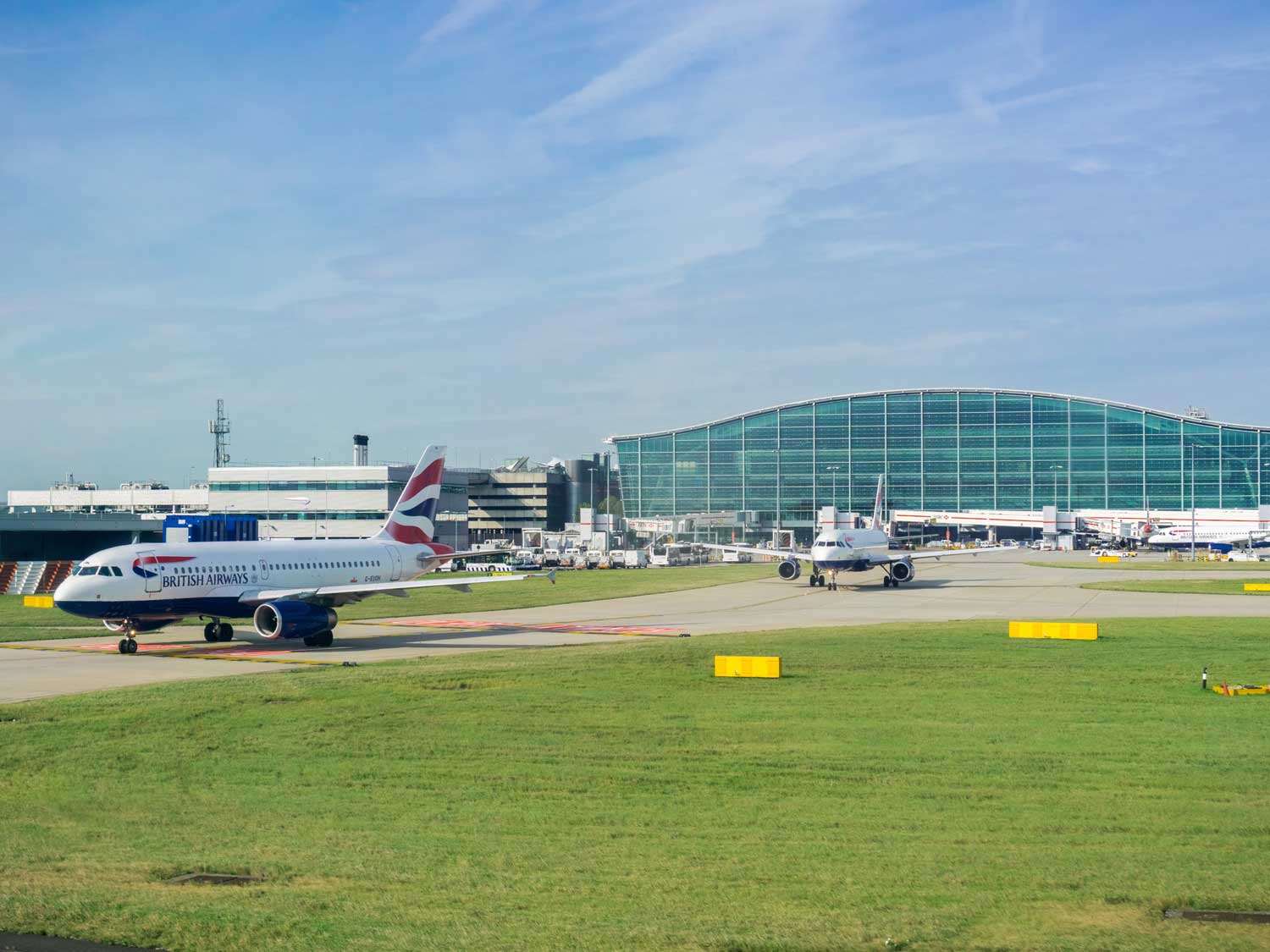
LHR terminal 5

Air freight markets under pressure as capacity struggles to recover

Global air freight markets continue to outperform expectations, but the balance between supply and demand remains fragile. 

What began as a short-term disruption following renewed conflict in the Middle East has evolved into a more structural capacity challenge, keeping rates elevated and limiting available space on key trade lanes.

Although airlines have adapted their networks and capacity is gradually returning, the market has yet to recover the capacity lost earlier this year. At the same time, resilient demand, particularly from the technology sector, continues to absorb available space, leaving shippers facing higher transport costs and reduced flexibility. 

Middle East disruption continues to shape the market

The collapse of the ceasefire between the United States and Iran has extended disruption across international air cargo networks well beyond initial expectations.

Several major international airlines have postponed the planned resumption of passenger and freighter services to the Gulf until at least late October, delaying the return of valuable belly-hold and freighter capacity that traditionally supports Asia-Europe cargo flows.

Before the conflict, around one-third of Asia-Europe air freight transited through Middle Eastern hubs. The loss of those services removed approximately 12% of global air cargo capacity almost overnight, forcing airlines to reroute shipments through alternative gateways and deploy additional direct freighter services wherever possible.

Despite these adjustments, capacity growth has lagged behind demand throughout 2026. Global air cargo demand increased by around 4% during the first half of the year, while available capacity expanded by only around 1%, creating the imbalance that continues to support elevated freight rates.

As a result, industry forecasts have changed significantly. Expectations that freight rates would fall during 2026 have been replaced by forecasts of annual increases up to 15%, reflecting the ongoing supply constraints affecting the market.

Demand remains resilient as market dynamics evolve

While geopolitical disruption has constrained capacity, changing demand patterns are also reshaping global air freight.

The rapid growth of artificial intelligence infrastructure is generating exceptional demand for semiconductor and data centre equipment, particularly on Transpacific services. Global semiconductor sales more than doubled year on year during the spring, creating sustained demand for premium air freight capacity.

Although AI-related shipments still represent a relatively small proportion of total air cargo volumes, they are highly concentrated on key trade lanes and typically require fast, reliable transport, placing additional pressure on available freighter capacity.

By contrast, the extraordinary growth in cross-border e-commerce that has supported air freight markets in recent years is beginning to moderate.

Changes to low-value import rules in both the United States and the European Union have reduced demand for some e-commerce shipments, with exports of low-value goods from China continuing to decline. While this has eased pressure on certain trade lanes, the reduction has been more than offset by continued strength in industrial manufacturing, technology exports and higher-value cargo.

Airlines continue to compete for scarce freighter capacity

The industry's ability to respond to changing demand remains constrained by a shortage of dedicated freighter aircraft.

Delays to new passenger aircraft deliveries continue to limit passenger-to-freighter conversion programmes, restricting the supply of additional cargo aircraft entering the market. As a result, airlines are increasingly competing not only for freight but also for access to aircraft.

Rather than expanding fleets rapidly, many operators are pursuing partnerships, aircraft acquisitions and strategic investments to secure long-term capacity. Others are repositioning aircraft between markets as demand changes, with freighter deployment shifting rapidly between Asia, Europe and the Americas in response to geopolitical events, humanitarian operations and changing trade flows.

This lack of spare capacity means the market remains particularly vulnerable to further disruption. Any significant geopolitical event, weather-related disruption or operational shock has the potential to tighten capacity quickly and place renewed upward pressure on rates.

Planning ahead remains the best strategy

Although capacity is expected to improve gradually during the second half of the year, market conditions remain unpredictable.

For shippers moving time-critical or high-value cargo, securing capacity early, maintaining flexible transport options and working closely with dependable logistics partners will remain essential. Businesses that rely on just-in-time supply chains or seasonal inventory should continue to allow additional planning time while airlines rebuild network resilience.

The market has demonstrated remarkable resilience throughout 2026, but it also highlights how quickly global air freight can be reshaped by geopolitical events, changing technology demand and structural capacity constraints.

Keeping your supply chain moving

When capacity is tight, reliability, experience, network strength and proactive planning make the difference.

Metro works with leading airlines and global carrier partners to secure stable air freight capacity across key international trade lanes. Our experienced teams provide tailored routing solutions, customs expertise and end-to-end shipment management, helping customers minimise disruption and keep critical cargo moving, even in challenging market conditions.

To discuss how Metro can strengthen your global air freight strategy and support your international supply chain, EMAIL Managing Director Andrew Smith today.

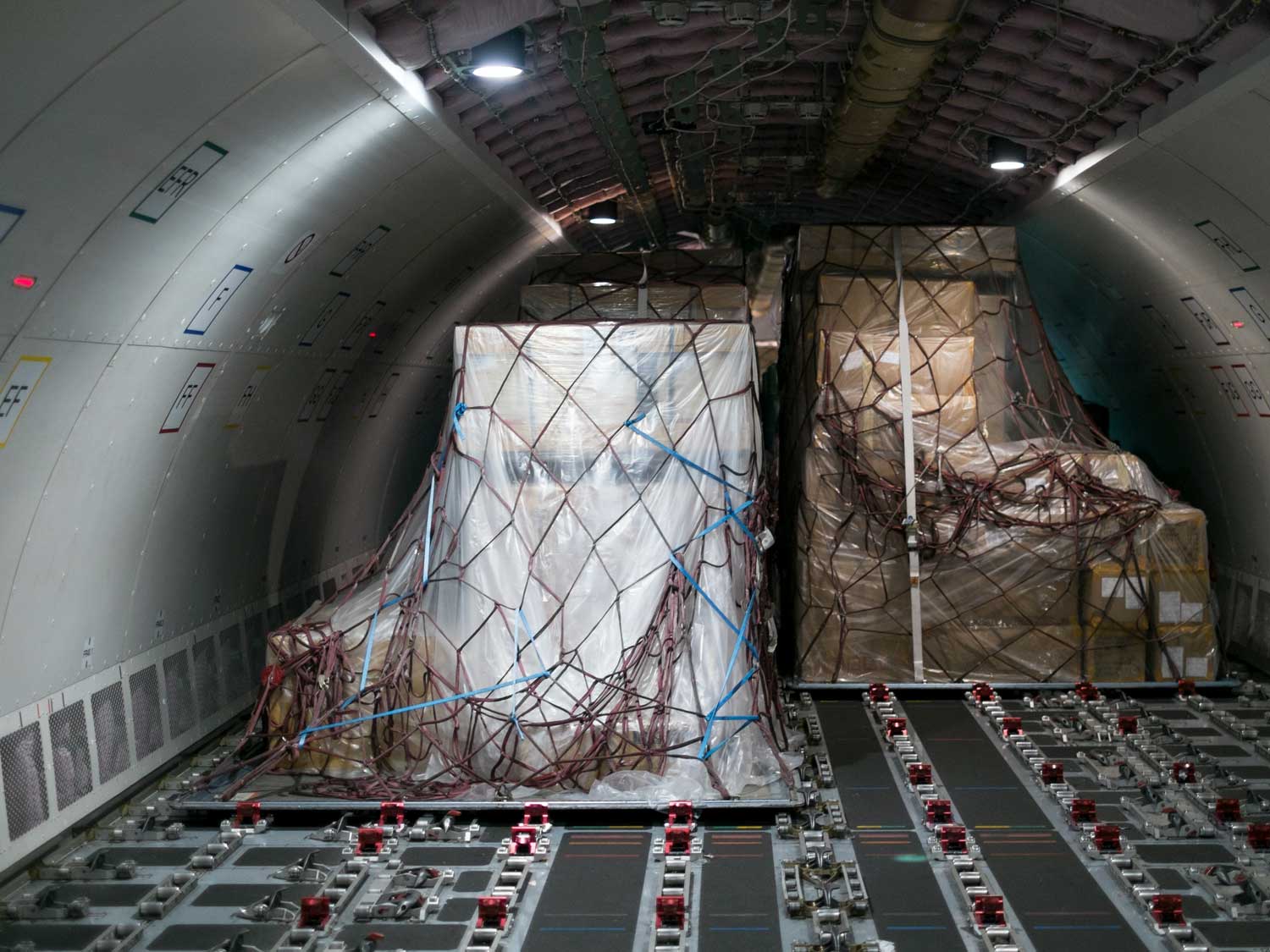
cargo aircraft

IATA’s new air waybill rules shifts risk where it doesn’t belong

On 1 July, the revised International Air Transport Association (IATA) Direct Air Waybill (DAWB) framework came into force, fundamentally changing the contractual relationship between airlines and freight forwarders. 

IATA's revised DAWB framework has prompted an unusually strong reaction from freight forwarding associations around the world. Their concern is that the new contractual arrangements could transfer legal responsibility for certain shipper failures onto freight forwarders, increasing liability, insurance costs and commercial risk across parts of the air cargo supply chain.

While the changes relate specifically to Direct Air Waybills rather than every airfreight shipment, they raise important questions about where responsibility should sit when something goes wrong.

A fundamental change in liability

Under the revised framework, airlines may now regard the freight forwarder as the primary contracting party rather than simply acting as the shipper's agent.

In practical terms, that means airlines could seek indemnification directly from the forwarder if cargo has been mis-declared, contains concealed dangerous goods or fails to meet packaging requirements, even where those failures originated with the shipper.

The change is particularly significant as air cargo continues to experience strong growth in high-value eCommerce shipments, many of which contain products such as lithium batteries that require strict compliance with dangerous goods regulations.

The concern for freight forwarders is straightforward. They rarely manufacture, pack or load the cargo they move. Yet under the revised framework they may now inherit liabilities arising from decisions made long before the shipment reaches their warehouse.

Why the industry is concerned

Industry associations have reacted strongly.

FIATA has argued that freight forwarders should not be expected to assume contractual obligations for cargo they neither own nor physically control. It has also criticised the speed of implementation, saying the agreed consultation and review process had not been completed before the rules came into force.

The US Airforwarders Association has echoed those concerns, warning members that the changes could expose them to liabilities traditionally carried by the shipper, including packaging failures, concealed dangerous goods and inaccurate cargo declarations.

Adding further uncertainty are reports that not every airline intends to implement the framework in exactly the same way. Instead of one globally consistent process, forwarders may now need to establish different contractual arrangements with individual carriers, creating additional administrative complexity across international air freight networks.

Insurance may no longer fit the risk

Perhaps the greatest concern is insurance.

Traditional freight forwarder liability policies have historically been designed to cover professional negligence, errors and omissions in arranging transport.

They were never intended to provide blanket protection against liabilities created by a shipper's actions.

Insurance specialists have warned that many existing policies may not automatically respond if forwarders are treated as the contractual shipper under the revised DAWB framework. That creates the possibility of coverage gaps, higher premiums and tighter underwriting requirements as insurers reassess the level of exposure.

If logistics providers face greater legal exposure, additional insurance costs and more complex contractual obligations, those costs are likely to flow through the supply chain.

Forwarders will also be expected to carry out more rigorous due diligence before accepting cargo. For shippers, that could mean additional checks, more detailed documentation requirements and longer acceptance processes, particularly for higher-risk commodities.

In reality, the revised framework has the potential to increase costs and administrative burden for everyone involved in the movement of air freight.

Metro can guide you through the changes

Regulatory change should never become an unnecessary commercial risk. Metro's air freight specialists work closely with customers to ensure documentation, dangerous goods compliance, cargo acceptance procedures and insurance considerations are properly managed before shipments enter the airline network.

If you would like to understand how the new DAWB framework could affect your business, EMAIL Andrew Smith, Managing Director to keep your cargo moving with confidence.

Emirates Dubai

Air freight remains resilient despite Middle East tensions

Global cargo volumes remained strong throughout June, finishing 9% higher than the same month last year and building on steady growth seen throughout the first half of 2026. 

While capacity has gradually returned to the market following the disruption caused by the Iran-US conflict, pricing remains significantly above last year's levels as airlines continue to operate in a more complex and uncertain environment. 

Although the ceasefire had allowed airlines to restore many services across the Gulf, it is proving to be very fragile and the market is far from returning to normal.

The European Union Aviation Safety Agency on 7 July extended guidance advising airlines to avoid Iranian, Iraqi and Lebanese airspace until the end of August following renewed exchanges between the US and Iran. While restrictions affecting several Gulf states have been relaxed, airlines operating between Europe and Asia continue to face longer routings around conflict zones, increasing both flight times and operating costs. 

Many Gulf carriers have rebuilt schedules and returned aircraft to service, helping overall capacity recover. However, operational planning remains heavily influenced by evolving security assessments, insurance requirements and regulatory guidance, meaning disruption can quickly return if regional tensions escalate. 

Capacity is improving but rates remain elevated

Global air freight capacity has increased by around 3% over recent weeks, with Middle East capacity now marginally above the same period last year. Despite this recovery, average freight rates during June remained approximately one-third higher than a year earlier, underlining how the market continues to price in operational risk as well as strong underlying demand. 

Rates into the Middle East remain particularly elevated compared with pre-conflict levels, although they have eased from the exceptional highs seen during the height of the disruption as more capacity returns to affected trade lanes. 

AI is replacing eCommerce as the growth engine

For several years, cross-border eCommerce drove much of the growth in global air cargo. Today, semiconductor manufacturing, AI infrastructure and high-value technology products have become the primary drivers of demand.

Strong exports from Taiwan and South Korea continue to generate significant volumes across global air freight networks, helping offset weaker eCommerce activity following changes to low-value import rules in both the US and Europe. Overall, air cargo demand continues to outperform expectations despite these changing market dynamics. 

New regulations are reshaping eCommerce

The European Union has now removed de minimus duty-free treatment for low-value imports, introducing additional customs charges on individual shipments from outside the bloc. The immediate result has been a sharp reduction in direct freighter capacity between China and Europe as eCommerce operators assess the commercial impact and adapt their distribution strategies.

While experience in the US suggests volumes are likely to recover over time, many businesses are expected to shift towards larger consolidated consignments rather than individual parcel movements, changing the mix of cargo moving through international air freight networks. 

While capacity is gradually returning and some pricing pressures have eased, the combination of geopolitical risk, regulatory change and evolving demand means air freight remains a market where agility and forward planning continue to deliver a competitive advantage.

Metro's air freight specialists monitor market developments daily, helping customers secure reliable capacity, identify the most effective routings and respond quickly as conditions evolve.

To discuss your international air freight requirements and build greater resilience into your supply chain, EMAIL Andrew Smith, Metro’s Managing Director.
container ship and naval escort

Iran/US ceasefires bring relief, but supply chains still face a long road back

The latest ceasefire agreement between Israel and Hezbollah, alongside the broader US/Iran framework aimed at ending months of regional conflict, has improved sentiment across energy and freight markets. 

Oil prices have retreated, financial markets have stabilised and hopes are growing that the Strait of Hormuz could gradually reopen to normal commercial traffic. Yet for supply chains, the crisis is entering a recovery phase rather than reaching a conclusion.

While diplomats work to turn temporary agreements into lasting settlements, the operational reality remains far more complicated. Shipping lines, insurers and logistics providers are preparing for a lengthy and uneven normalisation process rather than a swift return to pre-crisis conditions.

Diplomacy has moved faster than logistics

The new ceasefire between Israel and Hezbollah removes one of the biggest threats to wider regional stability and supports the broader US-Iran agreement. However, restoring confidence across global transport networks will take far longer than negotiating peace terms.

Although limited vessel movements have resumed, hundreds of ships remain affected by months of disruption and maritime authorities continue to treat the Strait of Hormuz with caution. Mine clearance operations, traffic management measures and elevated insurance requirements mean normal trading conditions remain some way off. Even where vessels are moving, transit remains slower and more tightly controlled than before the conflict.

Gulf supply chains face months of adjustment

Importers and exporters serving the GCC area, including major markets such as Saudi Arabia and the UAE, should not expect an immediate return to normal operations.

Regional carriers, feeder operators and overland transport providers have spent months redesigning networks around restrictions and delays. As cargo begins flowing again, ports and transhipment hubs are likely to experience congestion as stranded containers and equipment gradually work their way through the system.

Schedule reliability will improve, but only progressively. Backlogs accumulated over several months cannot be unwound in a matter of weeks, and businesses serving Gulf markets should continue planning for volatility through the summer.

Energy costs remain a major risk

Even though oil prices have fallen on hopes that hostilities are easing, energy markets remain highly sensitive.

Around one-fifth of global oil supply normally moves through the Strait of Hormuz. Any delays to reopening, security incidents or setbacks in ceasefire negotiations could quickly reverse recent gains.

Bunker fuel prices remain well above pre-crisis levels, while jet fuel and diesel markets continue to reflect constrained supply and cautious inventories. Fuel costs remain one of the largest components of transport pricing, meaning surcharges and cost pressures are unlikely to disappear quickly.

Airlines are closely monitoring fuel costs as they finalise winter schedules. Higher operating costs could place further pressure on passenger capacity, with consequences for belly-hold airfreight space.

Road freight operators face similar concerns. Diesel prices remain vulnerable to energy market swings, while ongoing uncertainty continues to influence transport costs across Europe and Asia.

Meanwhile, supply chains that have adapted to months of disruption are unlikely to reverse course overnight. Alternative routings, additional inventories and diversified sourcing strategies developed during the crisis are likely to remain part of many companies' long-term risk management plans.

Stability may return, but gradually

The ceasefires between Israel and Hezbollah and the wider US-Iran framework represent meaningful progress, despite the postponement of direct talks between the US and Iran. 

However, diplomacy has moved faster than physical supply chains.

Shipping schedules, equipment availability, insurance markets and energy supplies all require time to normalise. The coming months are likely to bring gradual improvement rather than an immediate reset.

Businesses that continue to secure capacity early, maintain inventory visibility and build flexibility into their transport strategies will be best positioned to complete the transition from crisis management to recovery.

Metro's teams are monitoring developments across ocean, air and road markets in real time. As conditions evolve, we help customers stay ahead of disruption, secure capacity and adapt quickly to changing circumstances. 

In volatile markets, resilience comes not from reacting faster than everyone else, but from being prepared before disruption arrives. EMAIL our Managing Director, Andrew Smith to learn more.