Record-low water levels on the Rhine are creating another significant challenge for European supply chains, restricting barge capacity, increasing transport costs and putting additional pressure on already constrained road and rail networks.
The Rhine is one of Europe's most important freight arteries, connecting Rotterdam and Antwerp-Bruges with industrial centres across Germany, France and Switzerland. Around 35% of containers moving between Rotterdam and their hinterland travel by inland waterway, making reliable barge operations an important part of the region's freight infrastructure.
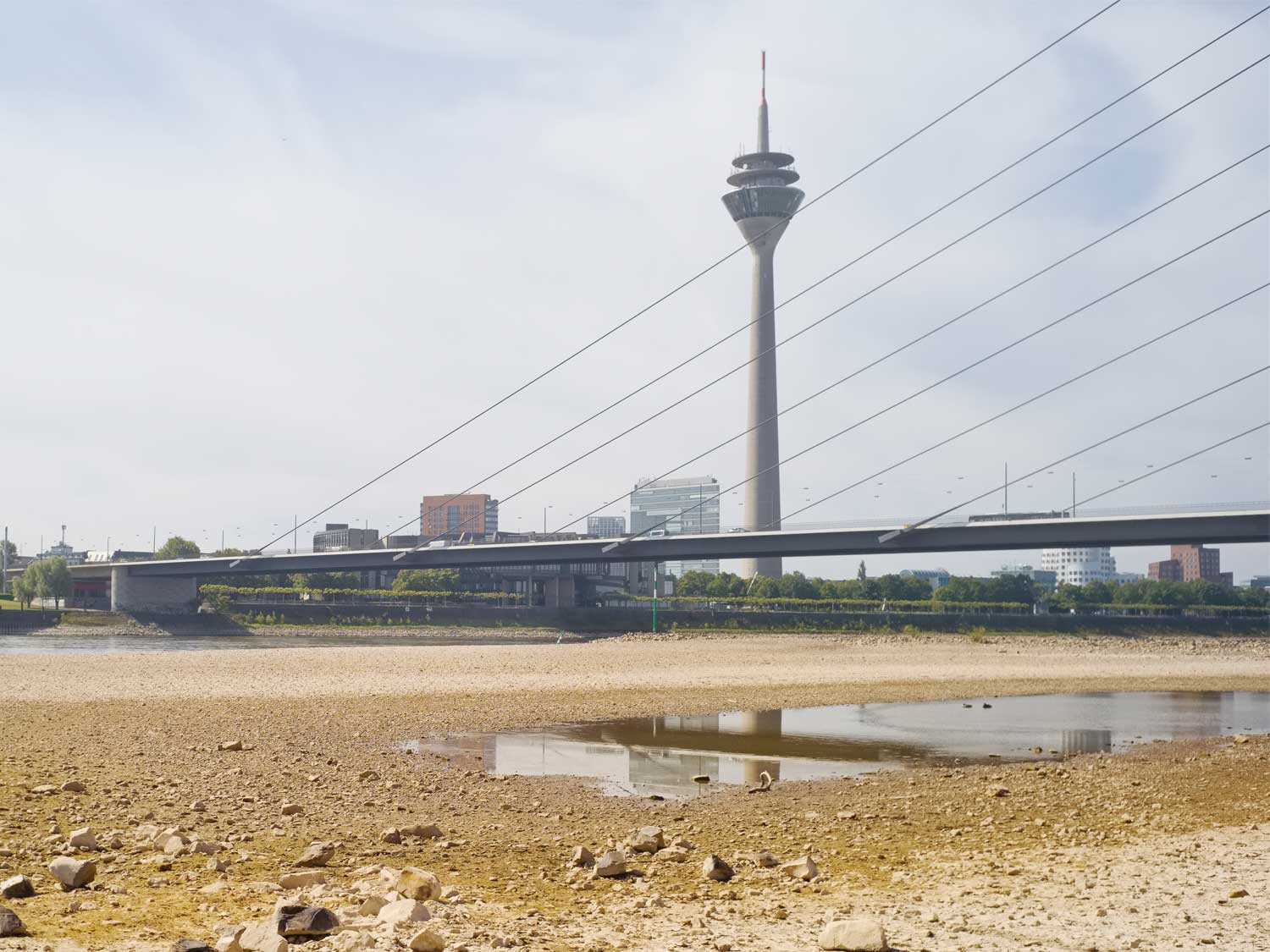
Persistent heat and drought have pushed water levels to exceptional lows, particularly around Kaub in Germany, a critical point for navigation on the Middle and Upper Rhine. Conditions have deteriorated to the point where some operators have suspended bookings beyond Kaub and sections of the river have become extremely difficult for container traffic.
The immediate problem is not simply whether barges can sail. Lower water levels dramatically reduce the amount of cargo they can safely carry.
Capacity disappears as the Rhine falls
Water levels at key Rhine gauges have fallen as low as 7cm at critical points, severely restricting barge operations and the impact on effective capacity is dramatic.
Some mid-sized container barges with a nominal capacity of around 300 TEU are reportedly able to carry only about 20% of their normal capacity, while larger barges offering around 400 TEU of capacity have been completely unable to navigate some river stretches.
That creates an unusual form of supply chain disruption. The physical infrastructure remains in place, but much of its freight capacity has effectively disappeared.
Costs are rising accordingly. Low-water surcharges on the most severely affected sections have reached €1,350 per TEU around Kaub and €895 per TEU around Cologne, adding
potentially substantial costs to container movements into Germany and Central Europe.
The disruption also threatens cargo flows through Europe's two largest container gateways. Around 35% of containers moving between Rotterdam and its hinterland travel by inland waterway, illustrating the scale of the potential problem if barge capacity remains restricted.
If containers cannot move inland quickly enough, they can accumulate at terminals in Rotterdam and Antwerp, potentially transferring congestion from the Rhine back towards the deep-sea ports.
Road and rail cannot simply replace barges
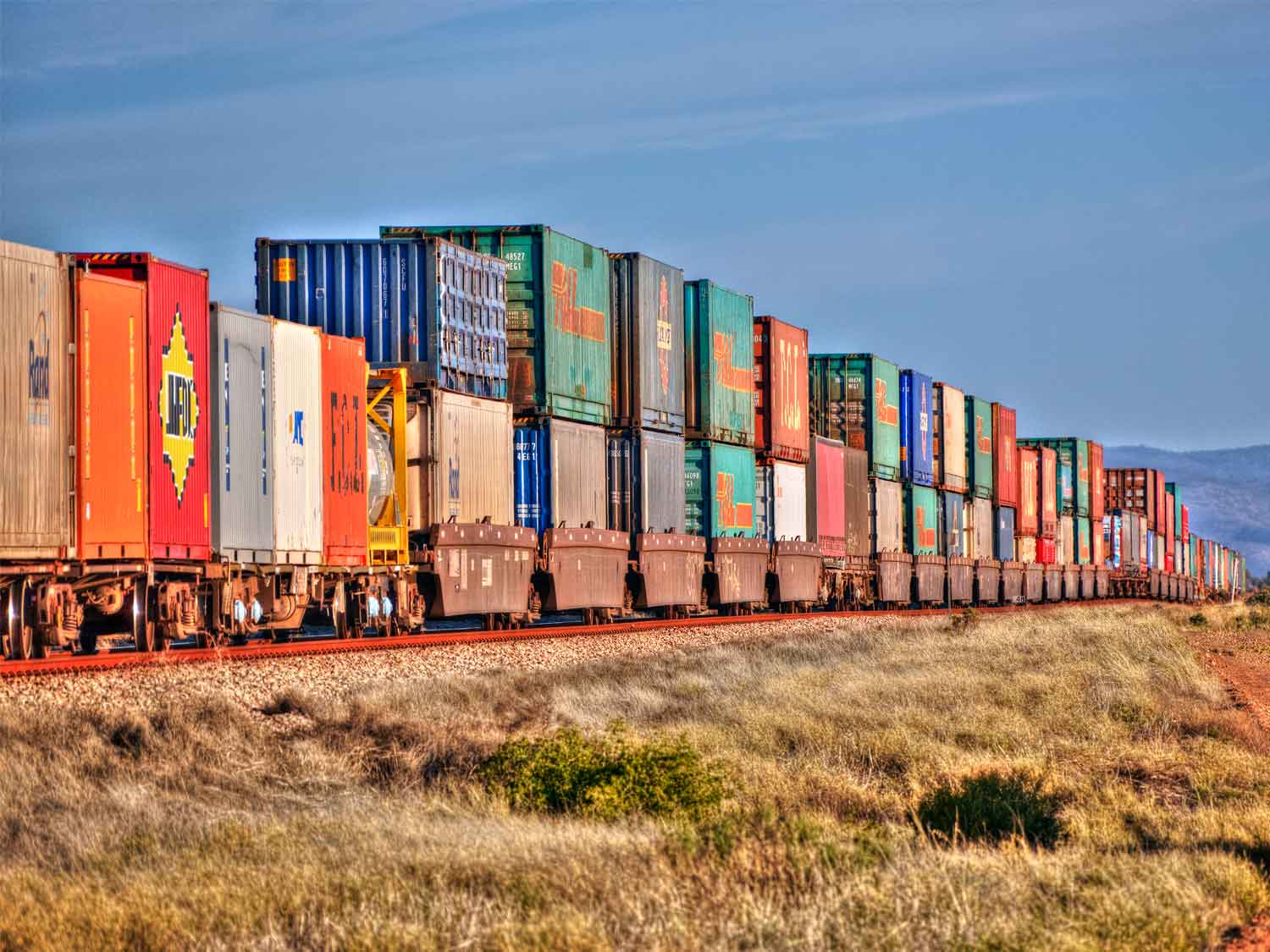
Shippers are increasingly turning to road and rail, but neither mode has enough spare capacity to replace lost barge movements quickly.
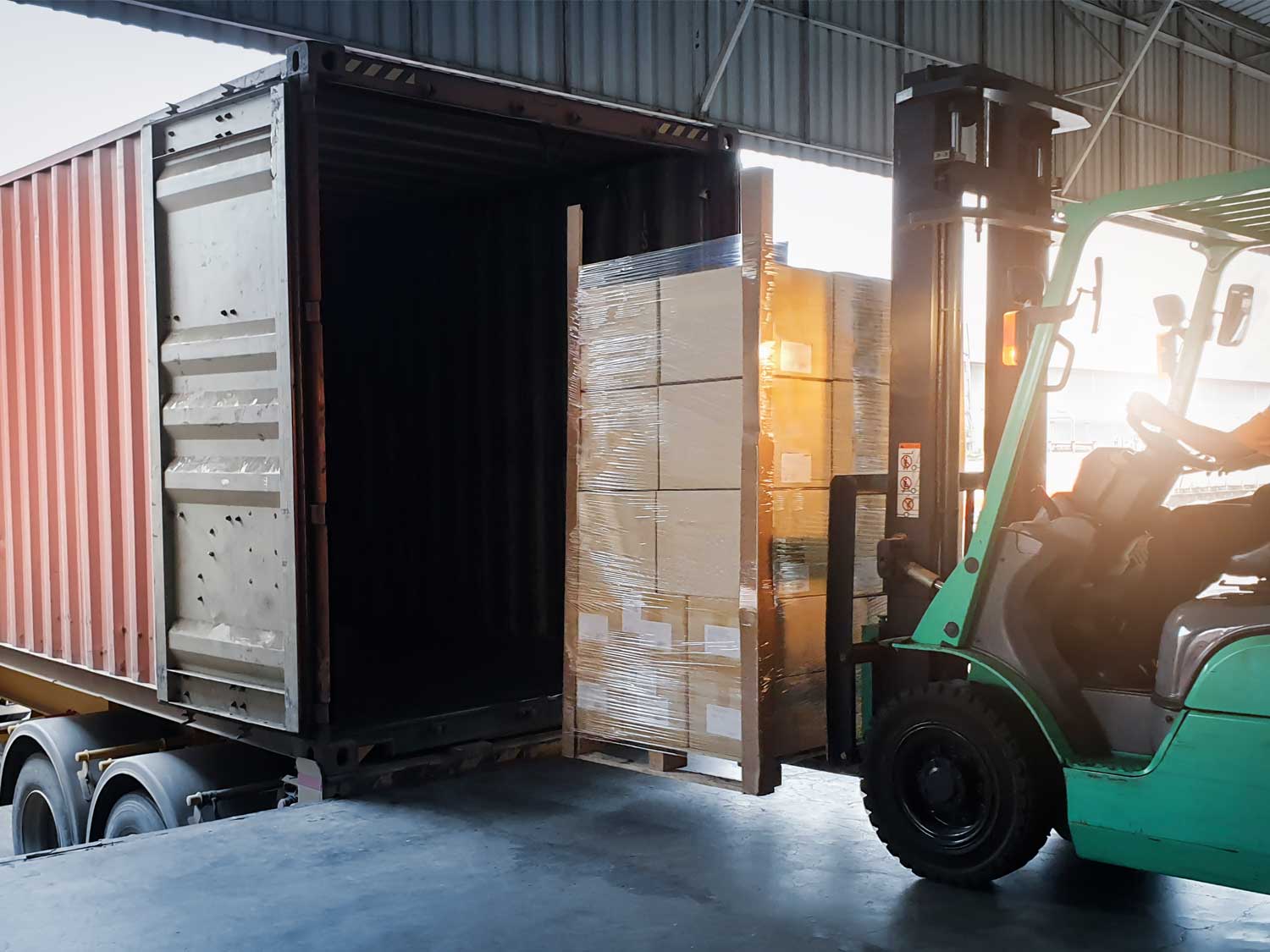
The scale of the substitution challenge is significant. Moving the containerised cargo carried by one barge can require more than 200 trucks. Replicating barge capacity by road would therefore place considerable additional pressure on trucking networks while increasing cost, congestion and emissions.
Available capacity is already tightening. In the most constrained areas, securing a truck can reportedly take up to two weeks, while additional rail capacity can require as much as six weeks' advance notice.
Rail also faces infrastructure constraints. Major renovation work on the Troisdorf–Wiesbaden corridor is restricting capacity on an important freight connection between Germany's inland regions and its European seaport gateways, just as demand for alternatives to barge transport is increasing.
The additional pressure is now feeding directly into transport costs. From 20 August, new congestion surcharges are being applied to selected container movements from Rotterdam and Antwerp, including €44 per container for trucking and €50 per container for rail and combined rail-road movements to and from affected German and Alsace locations.
For shippers, low Rhine levels are therefore no longer simply an inland-waterway issue. They are increasing costs and reducing available capacity across barge, road and rail simultaneously, while extending lead times and increasing the risk of missed delivery windows.
Weather is becoming a global supply chain variable
Extreme weather is increasingly affecting freight networks across different regions and modes. European heatwaves and drought are restricting inland waterways, while typhoons have recently disrupted Chinese ports and contributed to container and vessel-space shortages. Drought and water-management measures are also restricting vessel loading through the Panama Canal.
These events may be thousands of miles apart, but their supply chain effects are remarkably similar: effective capacity falls, schedules become less reliable, alternative routes become congested and transport costs increase.
As Metro recently highlighted in its analysis of how climate is becoming one of the biggest supply chain risks, extreme low-water events on the Rhine have reportedly occurred more frequently during the past decade than in the preceding five decades.
Contingency planning can no longer focus solely on recovering from an exceptional event. Shippers increasingly need supply chains designed to accommodate weather-related disruption as an ongoing operational risk.
Recovery could create another bottleneck
Rainfall would improve the situation, but higher water levels would not produce an immediate return to normal operations.
Barges and equipment displaced by weeks of disruption need to return to their scheduled rotations. A rapid recovery could also result in vessels arriving simultaneously at Rotterdam and Antwerp, transferring congestion from the river back towards the ports.
Shippers therefore need to consider both the immediate disruption and the recovery period that follows it.
Metro builds resilience beyond the port
When a major transport artery loses capacity, waiting for conditions to improve is rarely enough. Shippers need visibility of the disruption, early access to alternative capacity and the ability to switch between barge, rail and road before those alternatives become constrained.
Metro works across the supply chain to identify vulnerabilities and develop contingency options around individual cargo flows. By considering port choice, inland routing, available capacity, lead times and total transport cost together, Metro can help customers protect deliveries when established routes come under pressure.
Weather may be increasingly unpredictable, but your response does not have to be. Metro helps build flexibility into your European supply chain, giving you the options to keep cargo moving when critical links cannot operate as planned.
To learn more, EMAIL Managing Director Andrew Smith today