Transpacific shippers are entering October with ocean freight rates close to pandemic-era highs, continuing schedule disruption and a new cost pressure emerging after US diesel prices climbed sharply.
The market may finally be approaching a turning point after five months of rising transpacific rates, as China's Golden Week brings the traditional peak shipping period towards a close.
However, any correction is unlikely to remove the challenges facing shippers immediately. Carriers continue to actively manage capacity, schedule reliability remains under pressure and rapidly rising US diesel costs are feeding directly into inland transport surcharges.
Ocean rates approach historic highs
The scale of the transpacific increase has been exceptional. By 17 September, average Far East–US West Coast spot rates had risen 324% since late February, while East Coast rates were 325% higher. That left rates just 18% and 11% respectively below their pandemic-era records.
The East Coast has experienced particularly strong pressure, while carriers have responded by adding capacity. Offered Far East–US East Coast capacity increased by around 6–7% between August and September as shipping lines sought to take advantage of elevated demand and pricing.
That additional capacity could help moderate the market as the pre-Golden Week cargo rush ends.
There are already tentative signs of a change. The Shanghai Containerised Freight Index recorded a 1% decline on both US coast trades in its latest reading, potentially ending a five-month upward run.
Whether that develops into a sustained correction will depend partly on how carriers manage capacity as seasonal demand falls.
Blank sailings keep capacity tight
Shipping lines still have considerable scope to adjust available space. Across the major East–West trades, 58 of 712 scheduled sailings are expected to be cancelled between weeks 40 and 44, an 8% cancellation rate. Almost two-thirds of those blank sailings are concentrated on the eastbound transpacific.
Capacity is therefore only part of the challenge. Vessel utilisation on the eastbound transpacific has been running approximately 8% above pre-pandemic levels, while congestion and blank sailings have contributed to deteriorating schedule reliability.
Shippers can consequently secure space but still encounter rollovers or delayed departures. Where a booking rollover combines with a late vessel, delays can approach two weeks.
While congestion at Chinese ports has started to improve from its early September peak, some of that pressure has shifted into Southeast Asia, adding another source of potential disruption to vessel rotations.
Attention turns to US inland costs
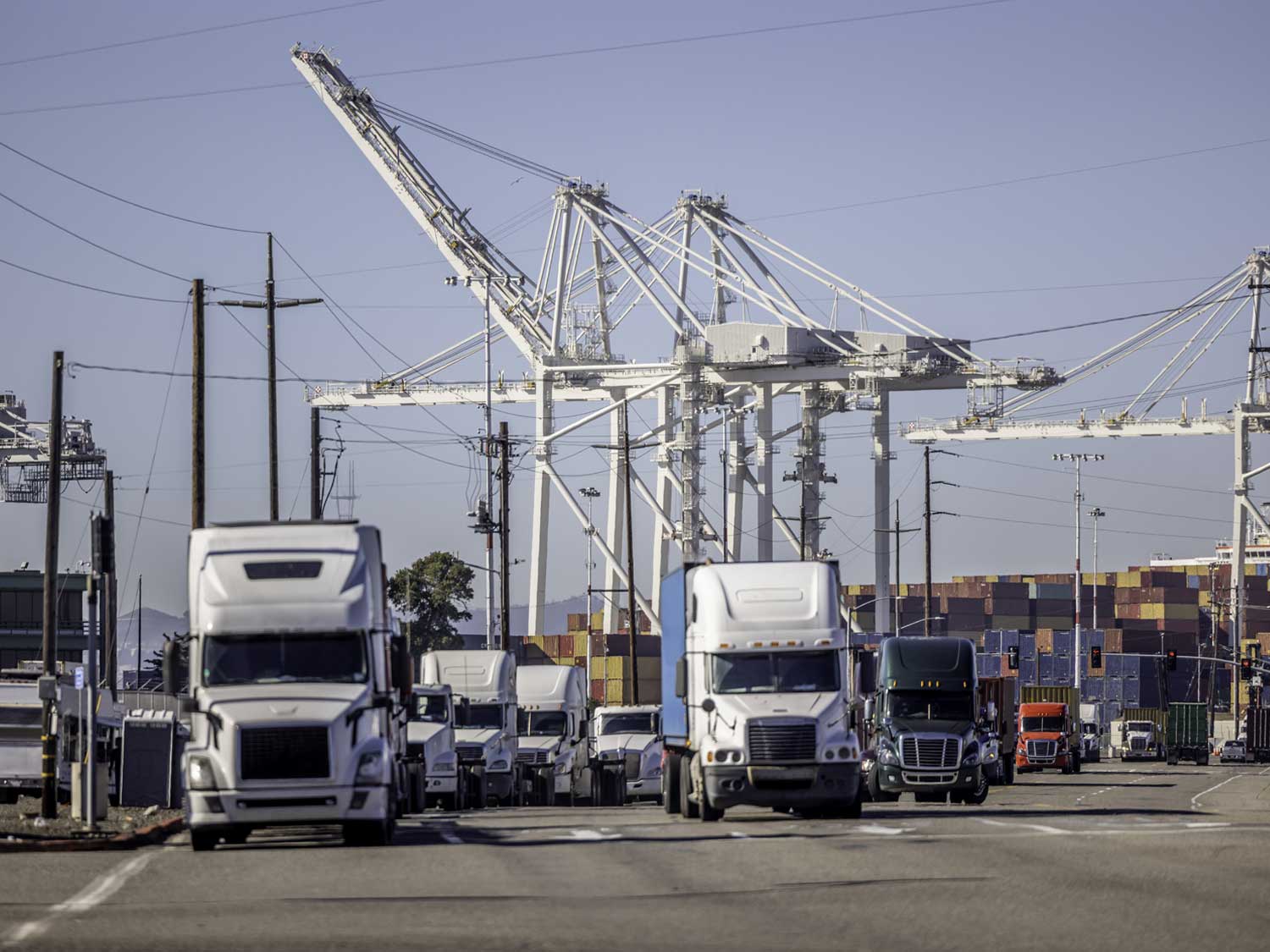
At destination, another significant cost pressure is emerging. US diesel prices reached a national average of $6.53 per gallon on 21 September, rising more than 24 cents in a week and $2.78 compared with the same period last year.
The immediate effect is being felt through fuel surcharges rather than a sudden increase in underlying freight demand.
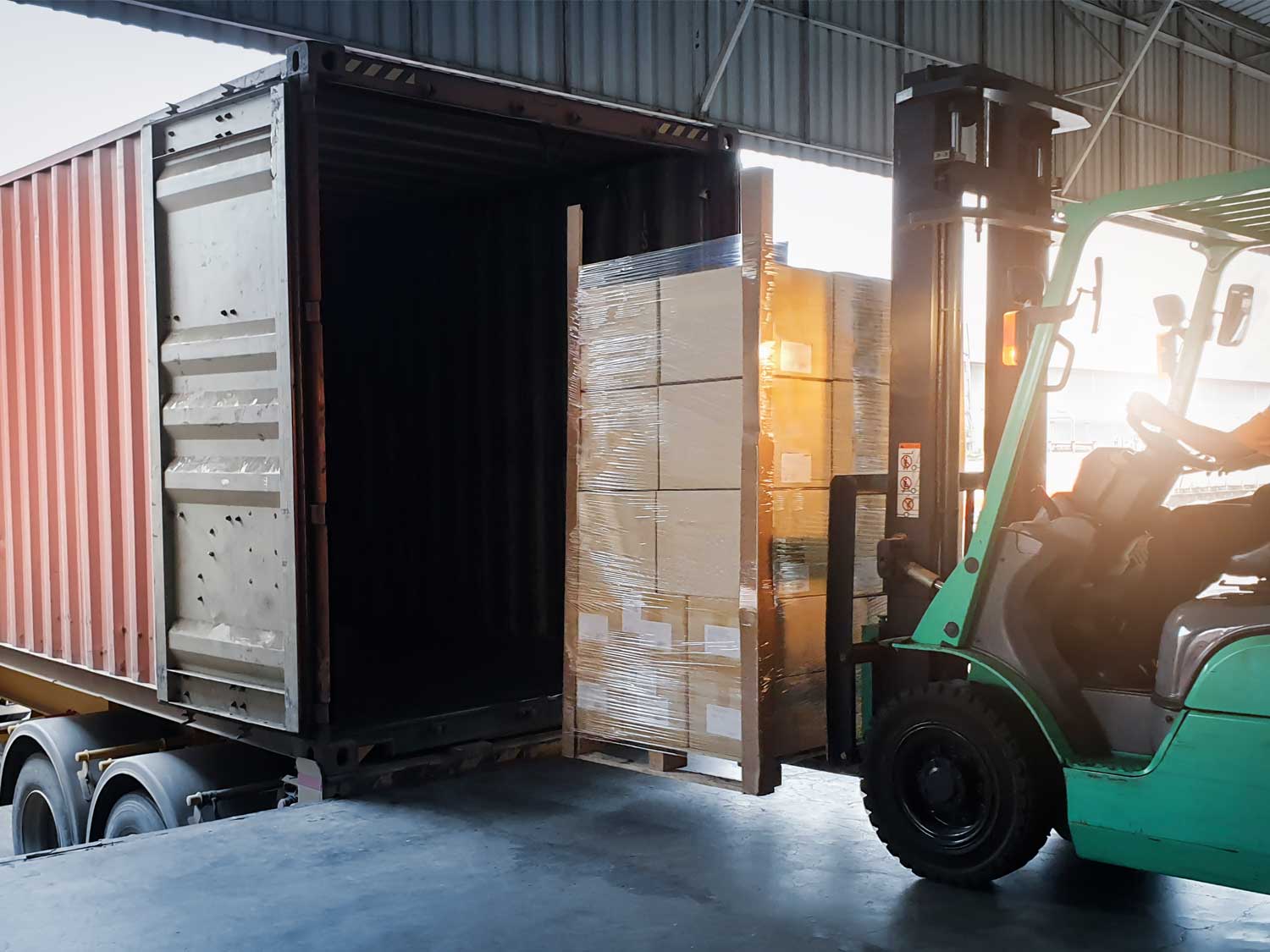
Industry estimates suggest higher fuel costs have increased truckload costs by approximately 25–30% since the beginning of the year, with total less-than-truckload shipment costs around 20% higher.
Regional differences also matter. West Coast diesel averaged $7.46 per gallon compared with $6.27 on the East Coast, creating potentially significant differences in the fuel component of inland transportation costs.
Spot trucking may take longer to adjust. Historically, spot rates require three to four weeks to catch up with rapid diesel increases, putting additional pressure on smaller carriers that cannot immediately recover higher fuel expenditure.
If that forces capacity from the market, shippers could face higher trucking costs even without a major increase in freight volumes.
A changing transpacific market
October could therefore mark a change in the transpacific market rather than an immediate return to normal conditions.
The end of the traditional peak and additional vessel capacity provide some scope for ocean freight rates to soften. But blank sailings give carriers the ability to respond to falling demand, while unreliable schedules continue to complicate shipment planning.
At the same time, the cost challenge is increasingly extending beyond the port.
For shippers, monitoring the complete Asia–US movement, including available sailings, schedule reliability, port choice, inland routing and fuel surcharges, will remain important as the market moves beyond peak season.
Metro's global carrier relationships, US office footprint and extensive US logistics capabilities give our teams visibility across the complete transpacific movement.
From origin through to destination and inland delivery we can assess alternative carriers, services, gateways and routings while coordinating US transport requirements, to help customers respond to changing capacity, schedules and costs.
Talk to Metro about your upcoming transpacific movements and the options available to protect capacity, transit time and total landed cost.