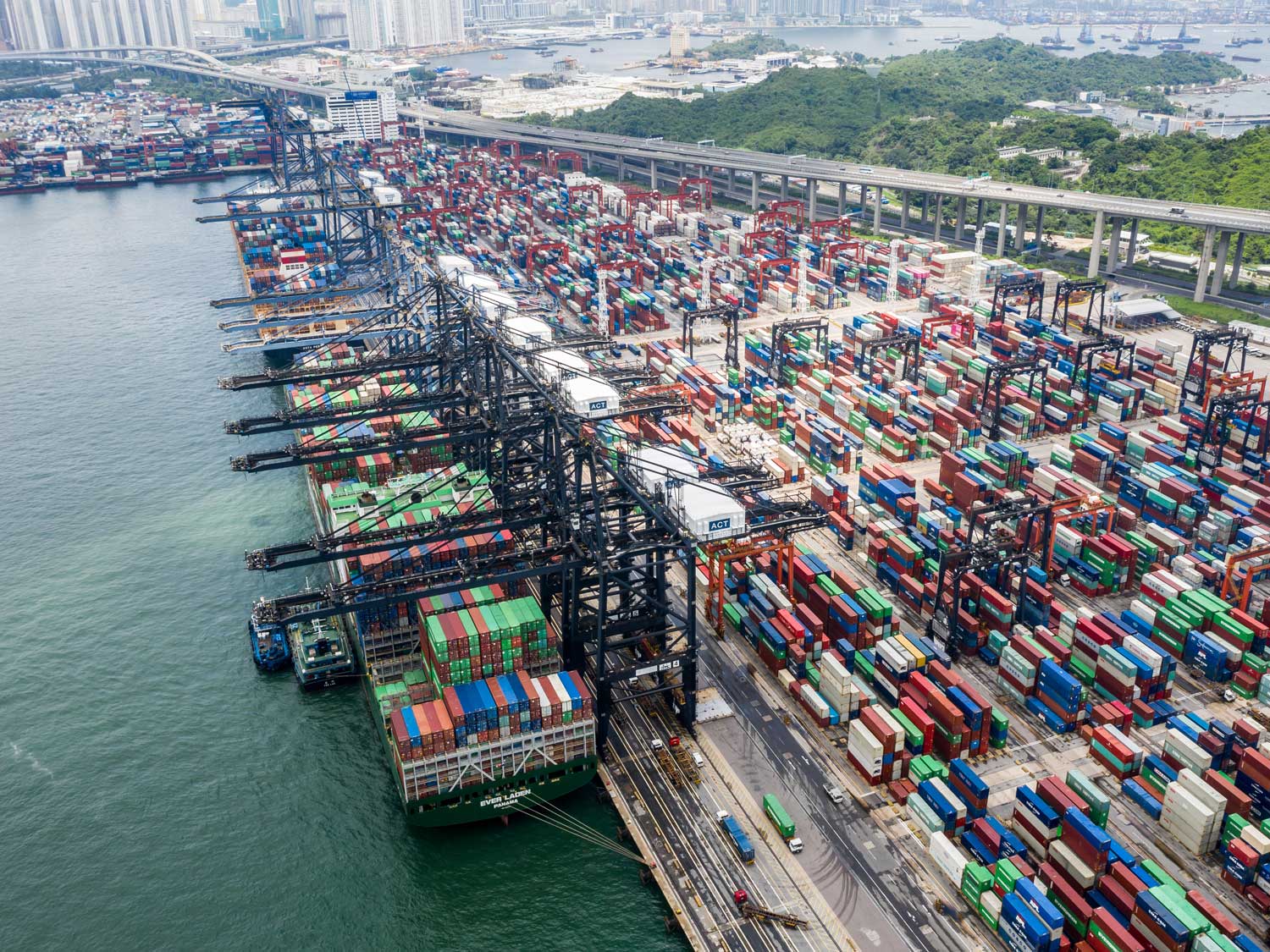
Severe congestion across Asian container ports is tying up millions of TEU of capacity, driving schedule reliability to a four-year low and raising the prospect of disruption continuing well into 2027.
Repeated typhoons, strong Asian export demand and congestion spreading between ports have created disruption comparable in scale with the peak of the pandemic.
While conditions should improve as weather disruption eases, analysis of previous congestion cycles suggests clearing the accumulated vessel and container backlogs could take considerably longer.
Sea-Intelligence estimates it could take up to ten months for congestion to return to the levels recorded in June 2025, potentially leaving supply chains dealing with the consequences through the first half of next year.
Reliability falls as capacity gets trapped
The immediate impact is already visible in global shipping schedules. Schedule reliability fell another 5.9 percentage points in Sea-Intelligences September report to 49.9%, its lowest level since September 2022 and the second consecutive significant monthly decline.
Late vessels are also getting later. Average delays increased by 0.6 days to 6.81 days, the highest since March 2022 and almost two days longer than a year earlier.
Estimates of the amount of capacity affected vary according to methodology and timing, but indicate the scale of the problem. Around 3.9m TEU is currently caught up in global port congestion, returning congestion volumes to levels last experienced in 2022.
Sea-Intelligence calculates the disruption is absorbing around 8.5% of the global containership fleet, effectively removing millions of TEU of usable vessel capacity from the market.
That helps explain why the industry's substantial influx of new vessels has yet to translate fully into available capacity. Ships waiting outside ports or arriving significantly behind schedule cannot provide the capacity their nominal deployment suggests.
Disruption spreads across Asian networks
Weather has been an important catalyst. Repeated typhoons have reduced effective port capacity at major Chinese gateways at the same time as strong export demand has increased pressure on terminals.
But congestion rarely remains confined to the port where the original disruption occurs.
Late vessels arrive together at subsequent calls, creating bunching and additional terminal pressure. Carriers may respond by omitting badly affected ports, but that can simply transfer containers and vessel calls to alternative gateways and transhipment hubs.
Some of that pressure is already shifting towards Southeast Asia and the Indian subcontinent.
The distortion can also make scheduled capacity figures misleading. Asia–North Europe deployment around Golden Week reached around 1.5m TEU over four weeks, approximately 27% higher year on year and 60% above pre-pandemic averages.
Rather than representing a straightforward increase in available space, part of that apparent capacity reflects vessels bunching as disrupted schedules overlap.
Rates reflect shrinking effective capacity
The consequences are particularly visible within Asia. Drewry's Intra-Asia Container Index has reached record territory as Golden Week demand meets restricted effective capacity. Shanghai–Laem Chabang increased 22% in its latest assessment, while Shanghai–Jakarta rose 12%.
The impact extends further afield. Asia–US rates remain close to pandemic-era records, while charter markets are also signalling exceptionally tight vessel availability.
This creates an important distinction for shippers: deployed capacity and usable capacity are not the same thing.
Even as carriers receive new vessels, congestion can absorb that additional capacity before customers see the benefit through improved availability, reliability or pricing.
The landside challenge could last longer
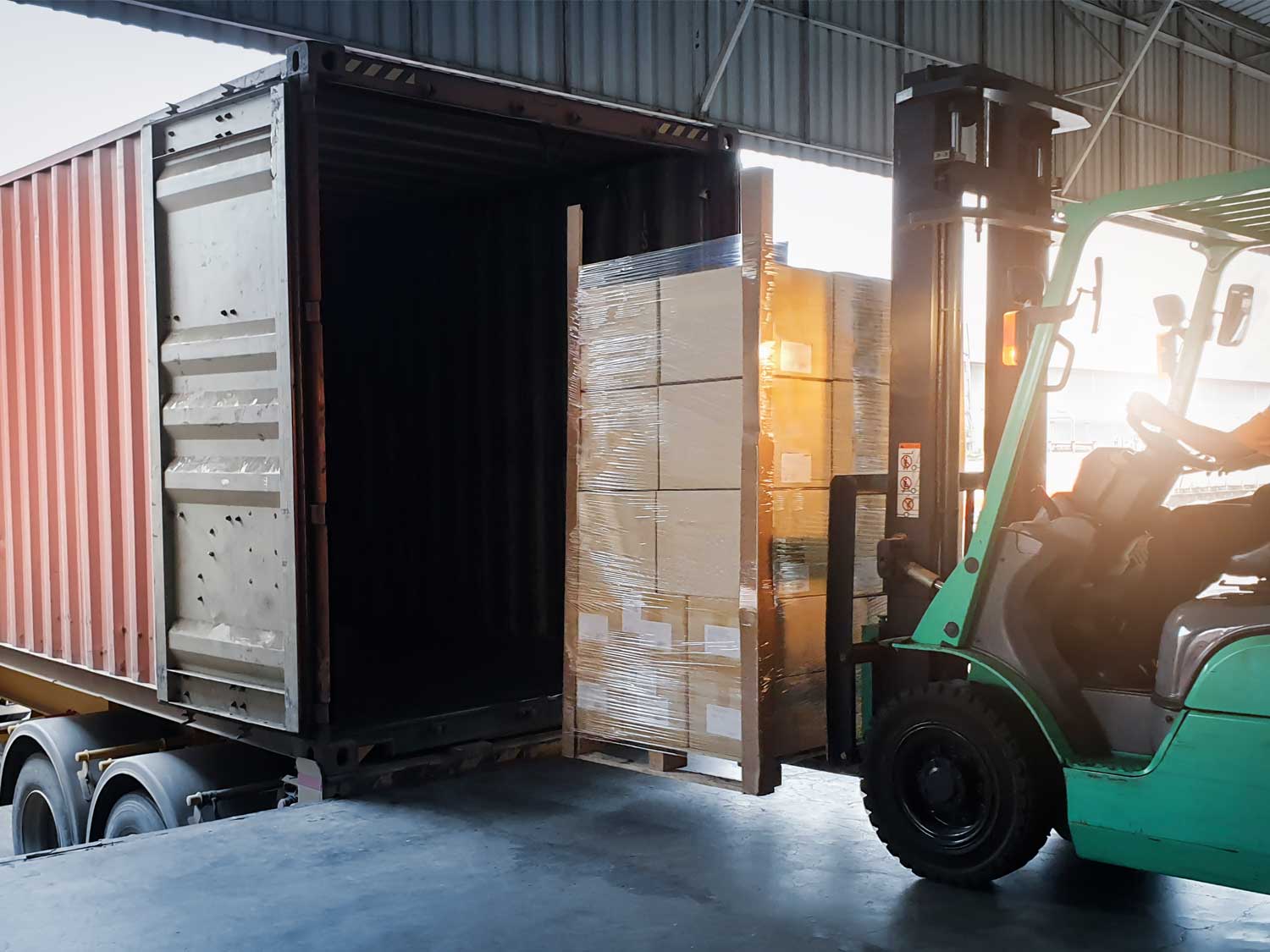
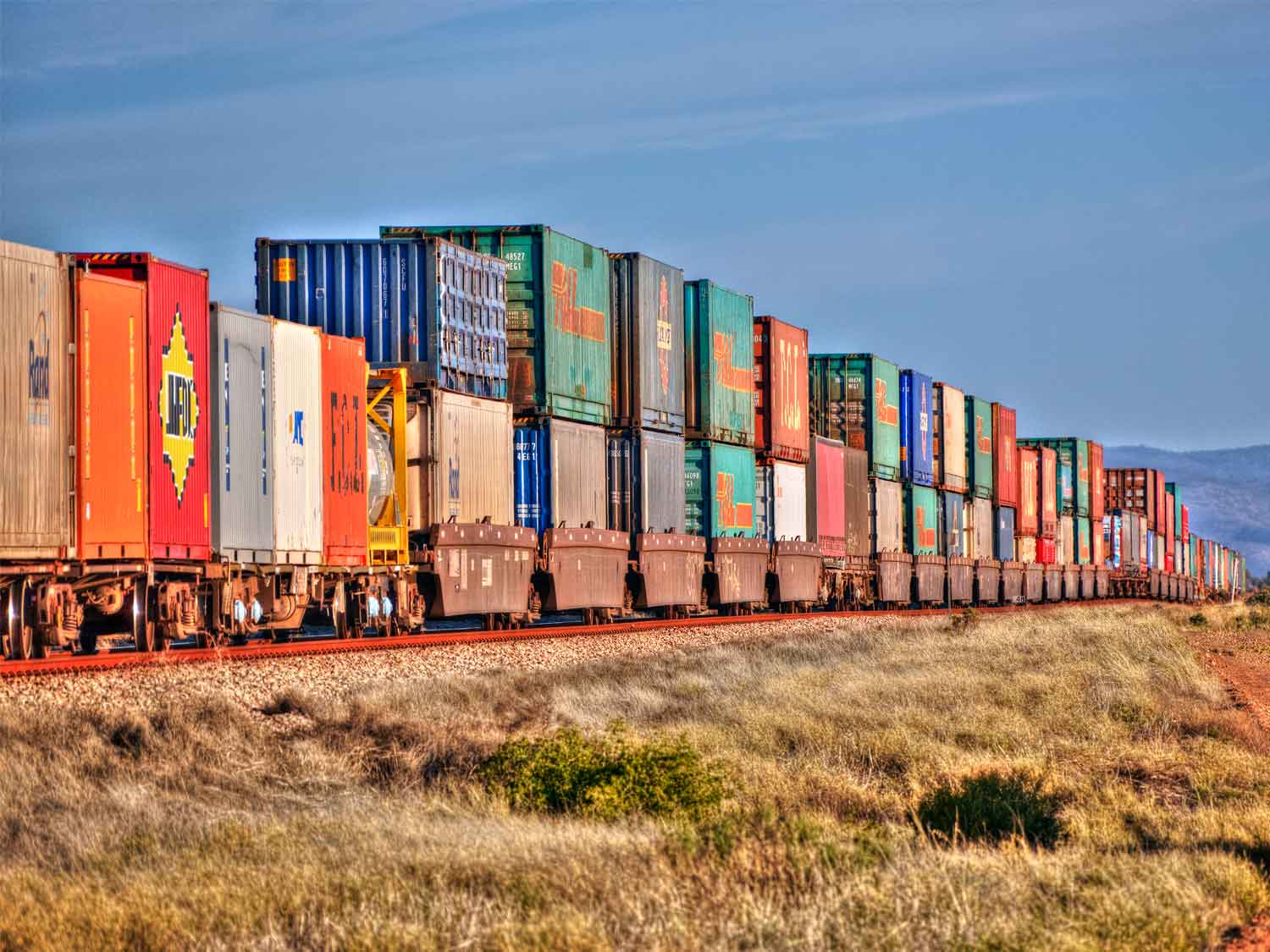
Port congestion also has consequences beyond vessel schedules. For individual shippers, reliability ultimately depends on when cargo actually becomes available and reaches its destination. Vessel bunching can create sudden surges in container volumes through terminals, rail connections, depots and road networks.
Those supporting networks cannot expand as quickly as vessel capacity.
Terminal, rail and road infrastructure requires long-term investment, while operators also need to maintain high asset utilisation. That leaves less spare capacity available to absorb sudden spikes following weather disruption or vessel bunching.
The result can be a second wave of delay after a vessel reaches port, particularly where terminals and inland networks are already operating close to capacity.
Chinese New Year becomes the next pressure point
The length of the potential recovery is therefore significant.
Based on recovery patterns following the pandemic and the initial Red Sea disruption, Sea-Intelligence estimates congestion could take six to eight months simply to return to conditions seen at the end of 2025, and 10 months to return to the much lower levels recorded in June 2025.
That timeline extends beyond Golden Week and potentially into the next major Asian shipping peak.
Chinese New Year falls on 6 February 2027, meaning the traditional pre-holiday cargo rush could arrive before networks have fully cleared today's disruption.
For shippers planning Q4 movements and early 2027 supply chains, advance bookings, realistic transit assumptions and flexibility around routing and gateways could therefore remain important well beyond the current congestion peak.
Keeping cargo moving when networks tighten
Metro combines established global carrier relationships with extensive origin, destination and inland capabilities, giving our teams the flexibility to respond when congestion disrupts established shipping patterns.
Through consolidation services, alternative carrier and routing options, gateway selection and coordinated inland transport, we can assess the complete movement rather than relying on a single service or routing.
With Asian congestion potentially affecting capacity and schedules well into 2027, talk to Metro about upcoming movements and the options available to protect space, maintain visibility and build greater flexibility into your supply chain.