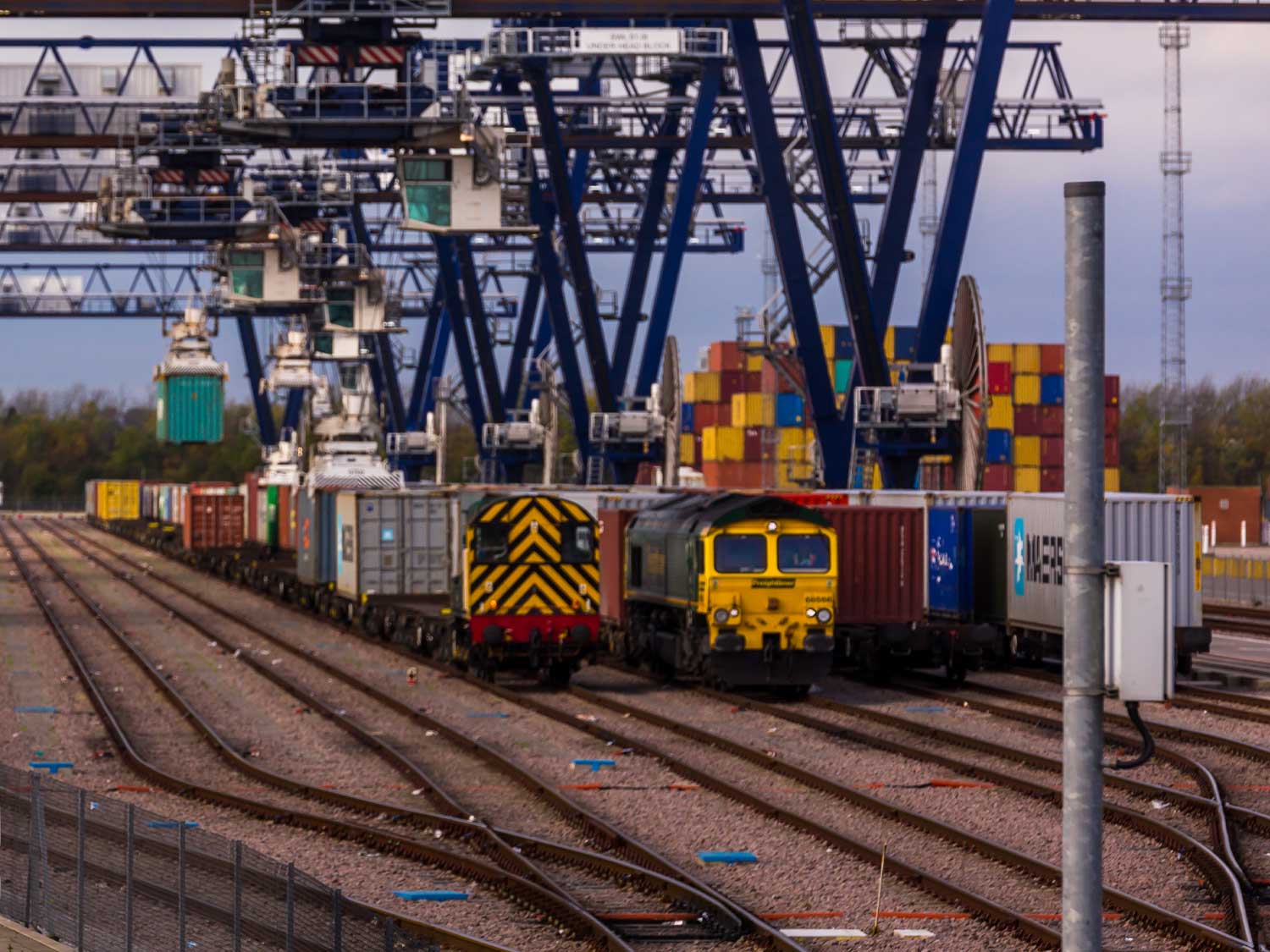
A freight train derailment in east London has severely disrupted rail connections serving London Gateway and Tilbury, with container backlogs threatening to build at two of the UK's busiest gateways.
Container movements through the Thames Estuary face significant disruption following a derailment at Barking on Friday 23 October, which damaged a key railway corridor connecting the ports with inland freight terminals.
Rail services at Tilbury and Tilbury2 have been suspended, while London Gateway is operating a reduced service. Repairs are expected to continue for at least a week, with no confirmed date for restoring normal operations.
Extensive damage closes a critical freight corridor
The incident occurred at approximately 13:10 on Friday when a GB Railfreight train travelling from London Gateway towards Hams Hall in Birmingham derailed near Barking station.
Several container wagons were badly damaged, with derailed rolling stock reportedly dragged for approximately two kilometres, damaging railway tracks, signalling infrastructure and overhead electrical equipment.
The derailment has closed the railway corridor through Barking, Dagenham Dock, Rainham and Purfleet, which carries much of the freight traffic serving the Thames Estuary ports.
The incident also disrupted passenger services, including London Overground and c2c operations, adding complexity to the recovery and repair programme.
Network Rail teams are working to remove damaged equipment and restore the infrastructure, while the Rail Accident Investigation Branch investigates the incident.
However, the extent of the damage means the railway cannot yet provide a firm timetable for reopening.
Tilbury suspended as London Gateway reduces services
The operational consequences for container shippers are already significant.
Forth Ports has confirmed that no freight rail services will operate at Tilbury or Tilbury2 during the week beginning 26 October.
London Gateway has managed to maintain a reduced rail operation, although normal schedules remain disrupted.
Alternative rail routings are constrained by existing passenger services on the North London and Great Eastern Main Lines, limiting the ability to divert freight trains away from the damaged corridor.
Available capacity is being prioritised to protect deep-sea container flows and prevent congestion at the ports.
Nevertheless, inland connections to major distribution hubs, including Hams Hall, Birch Coppice and Daventry, are experiencing extended transit times.
With the duration of the closure still uncertain, container backlogs could increase if inland movements cannot keep pace with vessel arrivals.
Road haulage faces additional demand
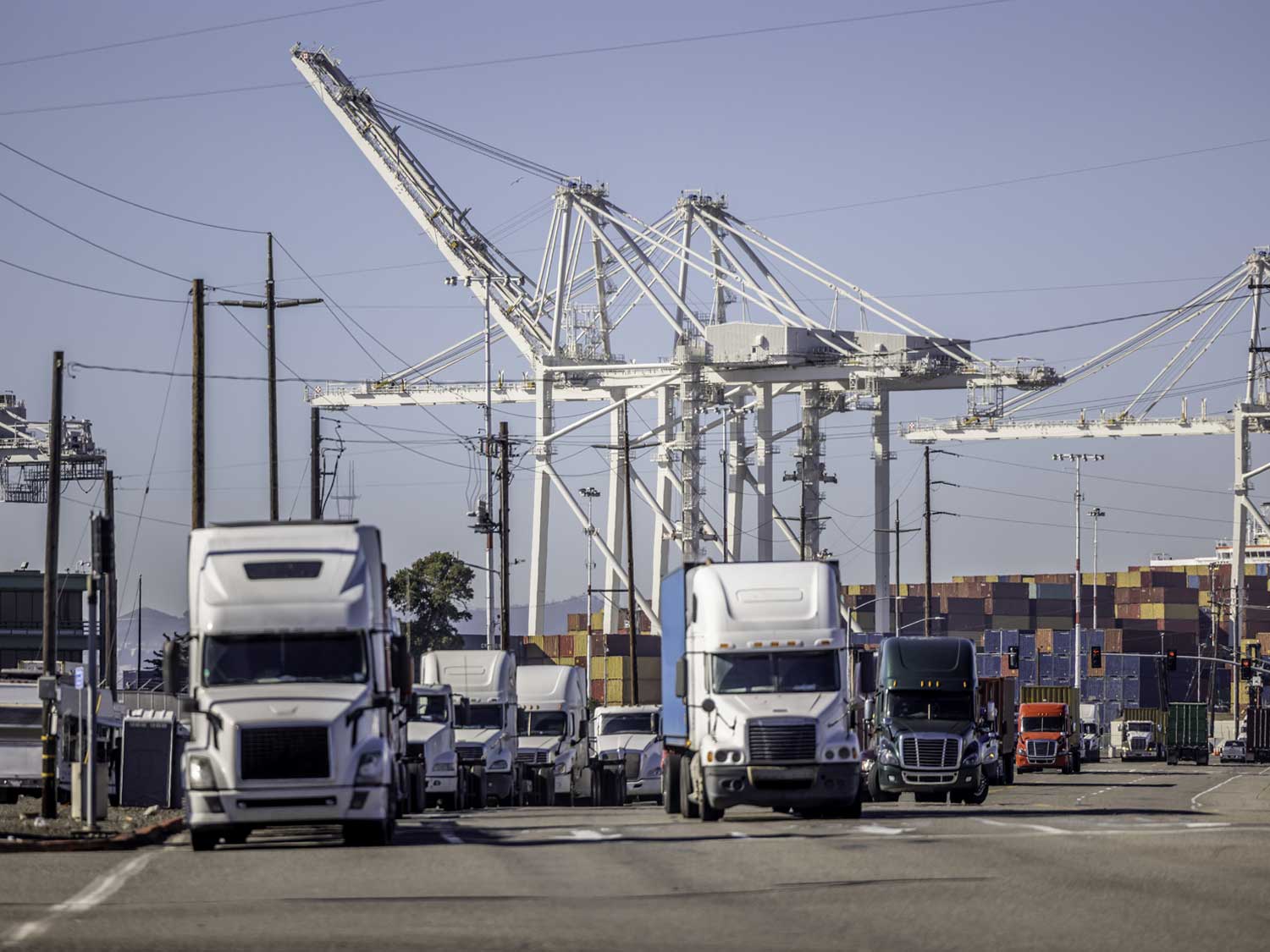
The disruption is also transferring pressure onto the road freight market.
Under normal circumstances, more than 30 daily rail services operate from Tilbury and London Gateway, connecting the ports with intermodal terminals across England, Wales and Scotland.
These services provide an efficient alternative to road transport, particularly for volume shippers moving containers on regular, fixed schedules.
The sudden reduction in rail capacity means a significant proportion of these movements may now require alternative arrangements.
However, the availability of sufficient road haulage capacity to absorb the displaced traffic remains uncertain and a concentrated increase in container movements could place additional pressure on costs, vehicle availability, collection slots and delivery schedules.
Shipping lines advise customers to review inland bookings
Ocean carriers have begun advising customers of the implications for inland container movements.
For merchant haulage arrangements, where the shipper controls inland transport, customers are being advised to organise road collection through their own transport providers.
For carrier haulage bookings, affected customers are being contacted to discuss alternative arrangements.
However, at least one major shipping line has warned that it cannot accept additional carrier haulage requests during the disruption, reflecting the difficulty of securing replacement capacity at short notice.
This distinction is particularly important for businesses with containers already booked onto rail services, as cargo owners will need to establish whether their existing inland arrangements remain valid, whether alternative transport can be secured and how any changes could affect delivery commitments.
Keeping containers moving when networks are disrupted
When a critical rail corridor closes, the challenge is not simply finding alternative transport. It is coordinating port collections, available capacity, customs arrangements and final delivery before disruption spreads through the supply chain.
Metro combines ocean freight expertise with established UK road transport capabilities, inland logistics coordination and relationships across the country's major container gateways.
Our teams can help customers assess affected shipments, review alternative road and rail options, coordinate container collections and prioritise deliveries according to operational requirements.
With Metro's own road transport resources, established haulage partnerships and shipment visibility through MVT, we can provide practical support when planned inland movements are disrupted.
We also recognise the long-term value of rail freight in reducing road mileage and supporting more sustainable supply chains. Where temporary road alternatives are necessary, our focus is on maintaining continuity while helping customers return to efficient intermodal arrangements as services recover.
If you have containers moving through London Gateway or Tilbury, contact Metro as early as possible to review your inland transport arrangements, identify available alternatives and minimise the impact on your delivery schedules.