Strong import volumes, tightening trucking capacity and mounting difficulties returning empty containers are creating new challenges at major US ports, threatening delivery efficiency and increasing inland logistics costs.
The pressures affecting America's container gateways are changing. While vessel congestion and terminal capacity have traditionally dominated attention, increasingly the challenge is moving containers efficiently between ports, inland destinations and equipment return facilities.
From Southern California to Houston and New York–New Jersey, different operational problems are producing a common result: longer truck journeys, reduced equipment availability and rising costs.
With the traditional import peak extending into October, these constraints are proving difficult to resolve, even where marine terminals continue to handle cargo effectively.
Southern California struggles with empty container accumulation
The ports of Los Angeles and Long Beach continue to handle substantial import volumes, with US imports from Asia reaching 1.8 million TEU in September, up 14% year on year.
Approximately half of these shipments enter through Southern California, where imports during the first nine months of 2026 increased 6% compared with 2025.
However, the sustained influx is creating growing difficulties with empty container returns.
Trucking operators report that inconsistent terminal acceptance policies and restrictions on returning empties are leaving containers accumulating in storage facilities and occupying valuable terminal space.
Some industry representatives also question whether sufficient empty equipment is being repositioned to Asia, although terminal operators maintain that containers are being evacuated and port operations remain manageable.
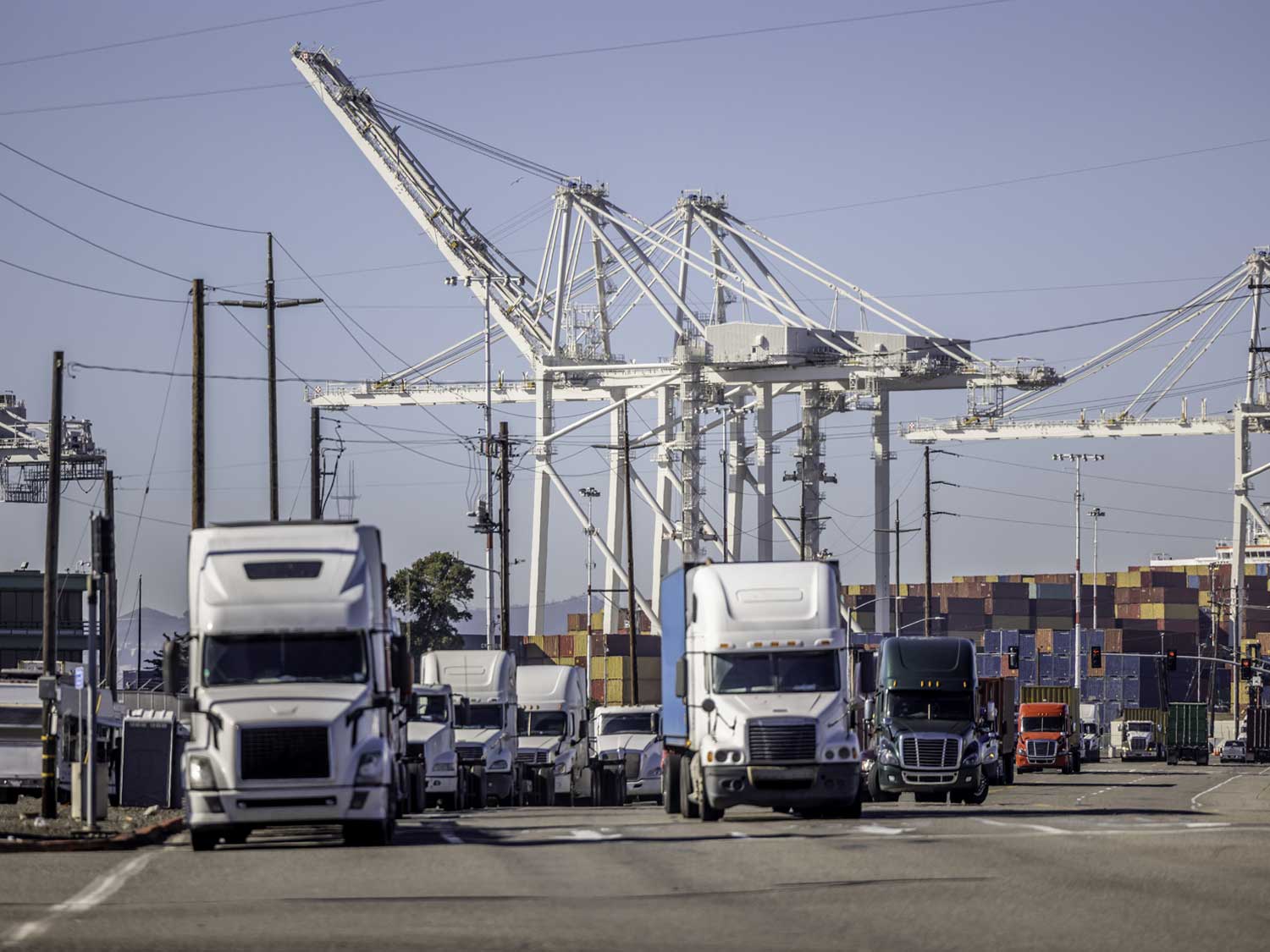
The operational impact is becoming more apparent. Average truck turnaround times at Los Angeles and Long Beach reached 63 minutes in September, their highest since November 2025.
More significantly, the proportion of truck visits taking at least two hours increased from 7% in April to 11% in September.
These extended turnaround times reduce driver productivity, limit available trucking capacity and increase the cost of moving containers away from the ports.
Houston's growth is stretching inland transport
The challenges at Houston are different, but the consequences for cargo owners are similar.
Rapid manufacturing expansion across Texas, investment in artificial intelligence infrastructure and growing demand for equipment and materials are generating substantial additional cargo movements.
Houston's container throughput increased 3% year on year during the first half of 2026, while loaded imports through August rose approximately 5%. Imports from Asia increased nearly 12%.
Additional demand is coming from cargo diverted away from other gateways, shipments destined for Mexico and stronger resin exports following disruption to competing Middle Eastern suppliers.
This growth is stretching the availability of local trucking services. Houston drayage rates have reportedly increased by approximately 34% year on year, compared with a national average increase of 18%.
Some operators have experienced increases of around 40% over four months.
The pressure reflects a tightening trucking market, with drivers moving from port drayage into long-haul transport during the extended peak season.
Although Houston's port and chassis infrastructure continues to handle the higher volumes relatively effectively, securing trucking capacity has become a significant concern.
For importers and exporters, early arrangements for drayage and specialist equipment are becoming increasingly important.
New York–New Jersey highlights a nationwide equipment problem
On the US East Coast, the challenge is less about the volume of containers arriving than the difficulty of returning empty equipment after delivery.
Trucking operators at the Port of New York and New Jersey have asked the Federal Maritime Commission (FMC) to introduce enforceable rules governing empty container returns.
The proposed measures would require ocean carriers to provide accurate return locations, ensure designated facilities can accept containers and compensate trucking operators when returns cannot be completed.
Currently, drivers can be directed to terminals without available appointments or off-dock depots that have already reached capacity.
The result is wasted journeys, additional fuel and labour costs, and containers occupying chassis and storage space that could otherwise support new cargo movements.
Industry representatives estimate that only 30% of truckers at the gateway can return an empty container and collect a loaded import during the same terminal visit.
This significantly reduces transport productivity and creates additional costs throughout the supply chain.
The FMC has received the petition, but any regulatory changes would require further review and consultation.
Why port congestion is no longer just a terminal issue
Although the circumstances differ between gateways, the underlying problems are closely connected.
Strong imports increase the demand for container handling, trucking and equipment repositioning. When empty containers cannot be returned efficiently, they occupy chassis, storage space and driver time.
This reduces the capacity available to move loaded containers, creating further pressure even where port terminals are operating normally.
The consequences can extend well beyond the gateway itself. Longer turnaround times and constrained trucking availability affect inland distribution schedules, increase costs and reduce the flexibility available to importers.
Changing port selection may provide alternatives, but it can also transfer pressure to other gateways, as Houston's growing volumes demonstrate.
What this means for shippers
The latest developments highlight three important considerations for businesses moving goods through US ports.
- Gateway selection requires a wider assessment. Ocean schedules and freight rates need to be considered alongside terminal performance, drayage availability, inland connections and equipment return arrangements.
- Empty container management affects delivery costs. Delays returning equipment can generate additional trucking, chassis and storage charges, even after cargo has reached its destination.
- Early inland planning is becoming essential. Securing trucking capacity, coordinating collection appointments and anticipating equipment constraints can help protect delivery schedules during periods of elevated demand.
Connecting US gateways with reliable inland delivery
Securing an ocean booking is only part of the solution. The real challenge is ensuring containers move efficiently from vessel arrival through customs, inland transport and final delivery.
Metro's expanding US network combines international ocean freight expertise with local gateway knowledge, customs brokerage, inland transport coordination and established relationships with logistics partners.
Our teams monitor port conditions, trucking availability and equipment constraints, helping customers evaluate alternative gateways, coordinate container collections and manage the complete import or export movement.
Whether you're experiencing delays in Southern California, rising inland costs through Houston or container return challenges on the East Coast, Metro can help identify practical solutions that protect delivery performance and control total logistics costs.