

ECO globe

Sustainability is good business

As the effects of climate change intensify, the pressure on the food sector will increase over the coming decades, which is encapsulated by the FDF’s environmental ambition in creating a more sustainable food system. 

Supply chain issues, labour shortages, threats to energy security and rising inflation have added a new set of challenges for the food and drink industry over the last 12 months, however despite these obstacles, FDF members remain focused on their ambition to reach Net Zero by 2040 – a decade earlier than government targets.

The oft-quoted Forbes survey found that 82% of consumers want brands to practice sustainability and while some cracks have crept into the sustainability narrative as the cost of living crisis bites, the global pandemic and recent environmental disasters have maintained demand for sustainable practices and products.

Sustainability is good for business; it builds brand value, meets consumer expectations, attracts talent and creates new opportunities, but only if you communicate your efforts credibly, and avoid being perceived as greenwashing.

According to NielsenIQ survey data, 46% of consumers still expect brands to take the lead on bringing about sustainable change, which means that brands can no longer greenwash themselves. 

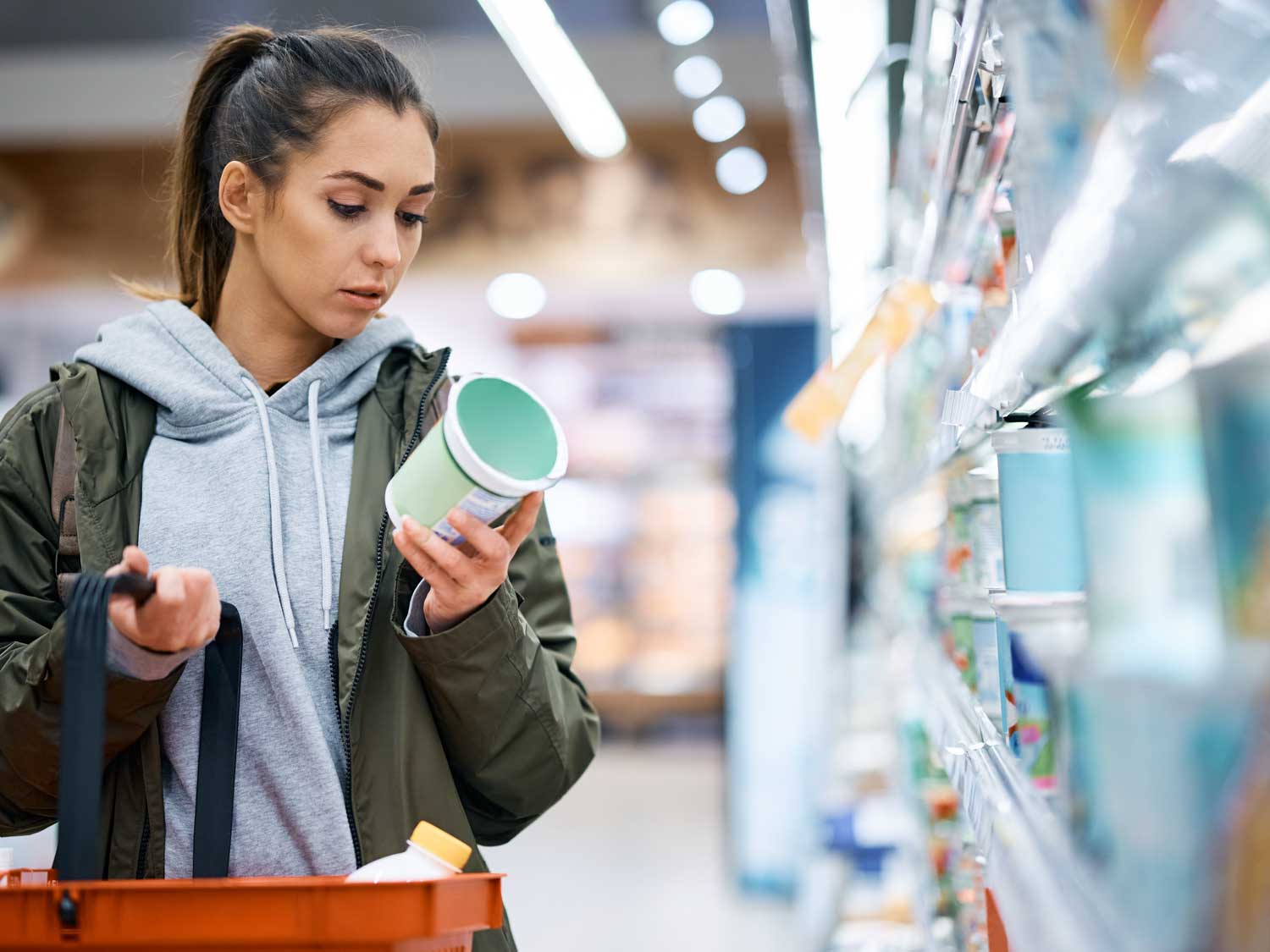
Packaging and last-mile delivery are primary sources of emissions with 53% of US and UK consumers wanting brands to produce less packaging and an average of 25% willing to pay a surcharge for eco-friendly delivery.

Manufacturers, producers, brands and retailers are already rethinking their practices, to find sustainable solutions, including the adoption of eco-friendly packaging, more climate-friendly shipping options, optimised waste management and completely eliminating packaging waste.

Despite today’s economic uncertainty, consumers are still open to sustainable products if they are affordable and offer value, which is why effective implementation and communication of these initiatives is critical.

Metro can help shippers switch to sustainable packaging for their products, by sourcing sustainable and ecological packaging materials, while our freight centres use renewable materials, which reduce packaging waste to a minimum.

Through our MVT ECO initiative, Metro is measuring and monitoring the emissions of every shipment, by every mode, for all of our customers, with offsetting alternatives, so they can work towards carbon neutrality in their global supply chain. 

CO2 emissions caused by transport are calculated according to EN 16258 to provide data and reporting that complies with the most demanding frameworks and methodologies. 

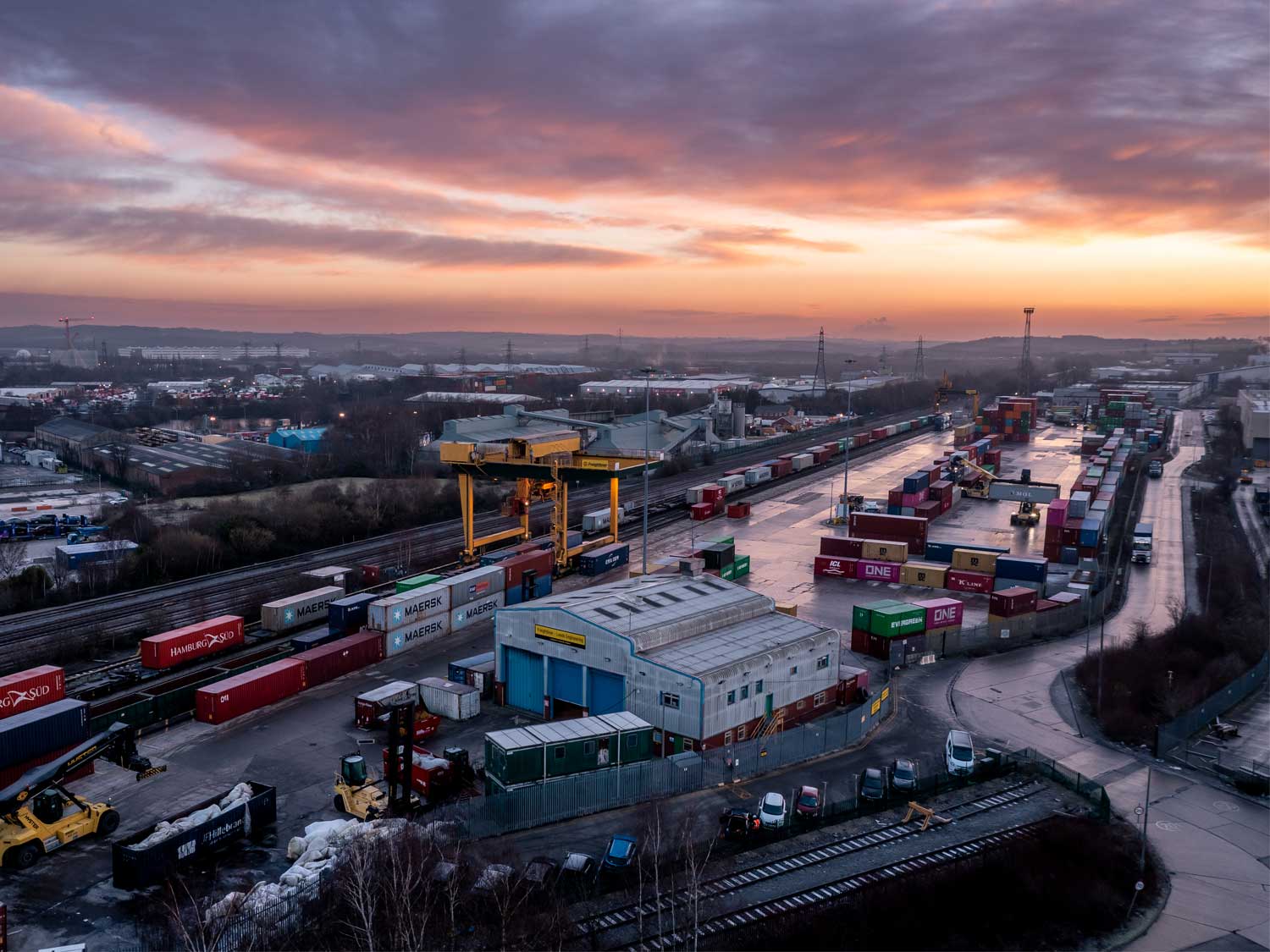
Using our latest generation MVT Eco module, we develop intelligent supply chain solutions. With accurate and representative data, that are respectful of the environment, we create low-carbon multi-modal solutions that blend air, road, sea, inland waterways and rail, together with NGV and electric vehicles.

The MVT ECO module is available free-of-charge to customers on their MVT dashboard. To request a demo or discuss your requirements, please EMAIL Simon George.
food visibility

Visibility in the food supply chain

For many importers, the underlying problem that prevented them from pivoting their supply chain as the pandemic’s impact became more pervasive was lack of visibility and control upstream. 

The food supply chain has stabilised since the pandemic, but new macro events continue to create disruption, including the war in Ukraine and the cost of living crisis and where there is a lack of visibility, it prevents the timely, proactive action that optimises operations in the face of disruption.

Participants across the food and drink sector still need that greater transparency and control, to ensure an effective, resilient and flexible supply chain is available, whatever challenges arise.

End-to-end visibility removes uncertainty in the supply chain, by providing the wider business with a view of inventory supply upstream and when they can expect to receive particular product batches. 

With clearer visibility and transparency between production, shipping, storage and distribution, it is easier to anticipate any supply shortages or delays, so they can immediately overcome the issue, or update the business, so that alternative sources may be accessed and implications for customers avoided. 

Delivering visibility in the food supply chain

This importer of food products and raw materials is a major international manufacturer of branded grocery products, that includes many market-leading household names and consequently has a vast integrated global supply chain, with many layers of complexity.

The supply chain visibility solution that has been developed for them by Metro comprises seven core functions, and a users portal with dashboard, which provides a real-time view of the entire supply chain, together with drill down options for each of the seven functions.

  • POMs (Purchase Order management)
    • We receive a feed of PO/SKU data, with suppliers confirming quantities, dates and place a booking at origin. Tolerances are set and approvals required for anything outside of certain dates or other values.
  • EBSA (E-booking space and allocation)
    • Vessels bookings are allocated to POs and carrier contracts.
  • Track and Trace with AI powered ETA
    • SKU level tracking with market leading predicted dates. Vessel AIS images and automated delay logging - with reasons.
  • Report centre
    • Key KPI reports such as average days a container is at port, transit and delivery times within SLA agreement, bookings per week by carrier split.
    • Bespoke reports also built around financial reporting and inbound forecasting.
  • DCM – Distribution centre management for 3rd party DCs
    • The DCM has been tailored to their requirements and includes integration with Port Health. Container landing, customs clearance, and released for collection are timed, so client can specify containers for priority, or ‘drill in’ to see the SKUs inside and prioritise collection accordingly.
  • My Notifications
    • Client is closely monitoring inbound vessel movements based around a strict tolerance.
  • MVT Eco
    • ECO tool measures emissions and GHG output, by individual shipment, within their supply chain.

EMAIL Simon George, Technical Solutions Director, to learn more.

solar panels

Delivering the sustainable future, today

Alongside customers in key verticals, including food, drink, cars and commercial vehicles, Metro is committed to the highest environmental standards, by maintaining carbon neutrality, investing in alternative fuels and supporting our customers with technology-enabled sustainable supply chains.

The global food system will face significant  pressures over the medium term as demand for resources and the effects of climate change intensify, which is why the sector is fully committed to cutting CO2 emissions, embedding environmental standards in transport and increasing sustainable supply chains.

Despite the challenges that 2022 brought, including supply chain issues, labour shortages and threats to energy security, our food and drink customers remain focused on sustainable, resilient, and responsible supply chains, with an ambition to reach Net Zero by 2040 – a decade earlier than government targets.

The automotive sector continues to improve its sustainability, reducing energy use, sourcing more responsibly and increasing recycling. Indeed, total energy use has declined, by -6.1% on last year, and water use per vehicle fell -6.3%. Waste to landfill also hit a record low, of 0.6%, with 17 leading companies reporting zero waste.

Supply chains need to become more sustainable but you can’t change what you can’t see and experts at Automotive Logistics’ supply chain events agreed that better tools and partnerships are needed to identify emissions in complex supply chains, as a means to start reducing them, because what you can’t measure, you can’t work on.

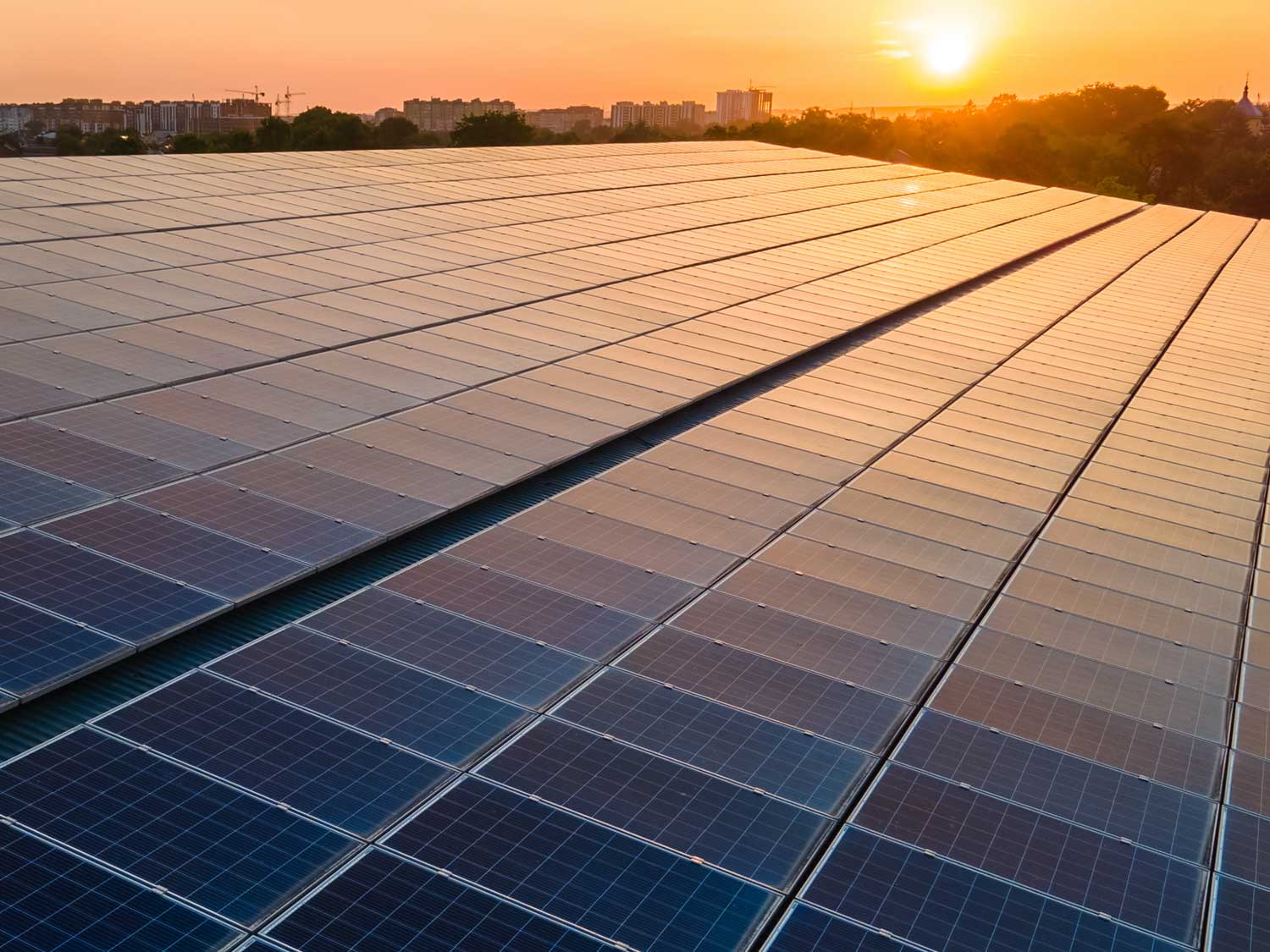
Hot on the heals of our industry investment in Sustainable Air Fuel (SAF) and the Sustainable Flight Challenge, Metro has invested in solar panels at our UKHQ to move beyond our net zero achievement, toward Climate Positive and joined the Midlands Net Zero Hub, to share the region's vision to decarbonise and support key priorities for the Midlands.

With Metro’s MVT Eco module, all the CO2 measuring and emission analysis tools our customers need can be found in one single place. Eco calculations conform to EN 16258, to provide data and reporting that complies with the most demanding frameworks and methodologies.

Our ‘on demand calculator’ module means that shippers can predict CO2 impact, by any mode and location, based on IATA or UNLOC codes and use those insights to create efficient, low-carbon supply chain solutions.

Using our latest generation MVT Eco module, we develop intelligent supply chain solutions, based on accurate and representative data, that are respectful of the environment. 

Low-carbon multi-modal solutions that blend air, road, sea, inland waterways and rail, together with NGV and electric vehicles.

The MVT ECO module is available free-of-charge to customers on their MVT dashboard. To request a demo or discuss your requirements, please EMAIL Simon George.
Intermodal 2

Supercharging supply chains for growth

The pandemic laid bare the critical importance of supply chains and executives tasked with managing them are much more significant figures in their businesses, as continuing success is highly dependent on improving supply chains.

For too many businesses the gap between supply chain planning, and the execution of that plan continues to grow, because the environment has already changed.

The pandemic, Brexit and Ukraine are the most recent examples of external factors having profound impacts on supply chains without warning.

At the same time, customer expectations are evolving, with increasing demands, including rapid delivery times and a growing number that want more focus on sustainability, so they can reduce the environmental impact of their supply chain. 

Supply chain resilience is essential for organisations to overcome the black swan events which are becoming more frequent and severe, and while over 54% of respondents to a CapGemini survey acknowledged that their supply chains have altered significantly in the past two years, only 27% are implementing end- to-end supply-chain transformation.

Businesses that want to thrive against the backdrop of a complex supply chain environment must pivot towards technology that provides end-to-end visibility, with purchase order management and transparency of inventory throughout the supply chain.

Synchronising inventory across all transport modes and locations, with accurate real-time dashboards and reports, provides executives with the data they need to assess and react to supply chain challenges.

Many supply chains have become too long and difficult to manage in an increasingly disrupted world and where once concentration was on scale and lowest transport cost, this generation of supply chains is characterised by resilience, sustainability and a broader definition of value.

To improve the quality and speed of decision making Metro’s MVT platform provides supply chain visibility and control, with the additional benefit of providing transparency to consumers, that products are on schedule and sourced with sustainably assured.

Metro’s supply chain audit embraces every event, process and participant, to uncover opportunities in five specific areas: Efficiency | Existing/new markets | Cost savings | Enhancing quality | Agility.

The audit is designed to add efficiencies, cut costs, increase profit and free up cashflow, by simplifying the end-to-end process. From raising the initial PO, through production, shipment, delivery and receipt to stock, we map the product flows, events and milestones, so that the customer can intercede on an order, at any time through the supply chain process, to SKU level.

Metro’s cloud-based supply chain management platform, MVT, helps our customers remove supply chain risk in challenging economic conditions, by managing their supply chain effectively, while tightening their control over inventory and suppliers. 

MVT helps companies adapt vendor and production strategy, by expanding procurement control and evolving their supply chain to match the future, with PO management, visibility and communication tools that manage and integrate new suppliers into the supply chain.

EMAIL Simon George, Technical Solutions Director, to learn more or arrange a demo.