The ongoing conflict across the Middle East continues to exert major pressure on global supply chains, with the effective closure of the Strait of Hormuz creating sustained disruption across ocean freight, air cargo, energy markets and regional transport networks.
Conditions across the region remain highly constrained as carriers, ports, airlines and logistics providers continue adapting to a freight environment shaped by rerouting, congestion, fuel volatility and severe operational bottlenecks.
The consequences are now being felt far beyond the Gulf itself, with delays, higher transport costs and capacity disruption rippling across Asia-Europe and intra-Asia supply chains.
Strait of Hormuz disruption keeps energy and shipping markets under pressure
The Strait of Hormuz remains the single most critical pressure point within the global logistics system.
With the waterway effectively closed to normal commercial operations and heavily impacted by military activity, shipping lines, tanker operators and insurers continue facing severe operational and financial challenges.
Insurance premiums remain exceptionally elevated, while tanker movements through the region are heavily restricted, delayed or rerouted entirely. The result is ongoing disruption to global energy flows and sustained volatility across bunker fuel, jet fuel and wider transport costs.
Ocean carriers continue absorbing longer routings, unpredictable schedules and significant operational inefficiencies, while air cargo operators are also facing increased costs and reduced network flexibility linked to airspace restrictions and fuel price volatility.
Regional port congestion spreads across alternative gateways
As carriers avoid the highest-risk areas, cargo flows are being redirected through alternative regional hubs, creating secondary congestion across ports outside the direct conflict zone.
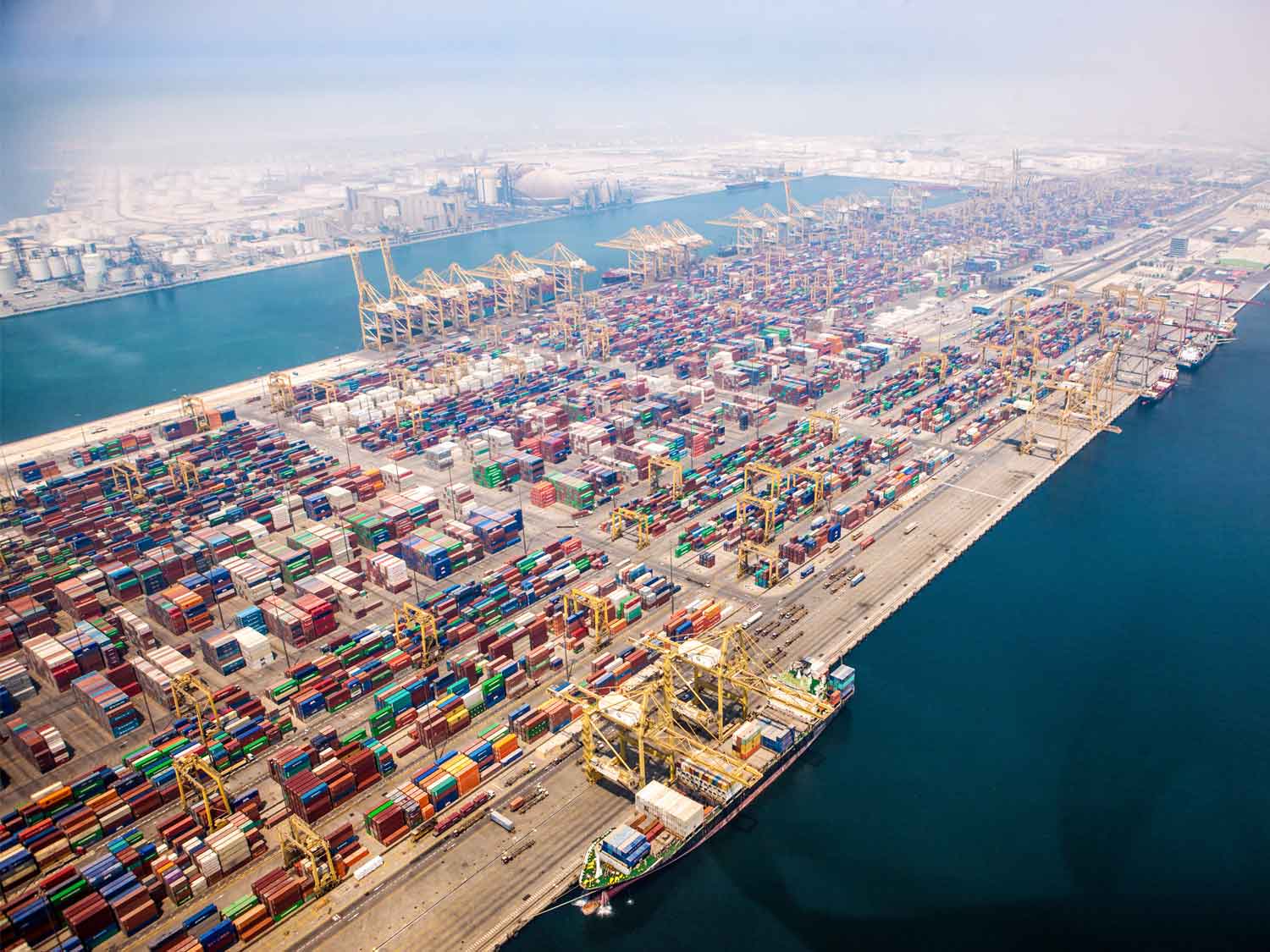
Jebel Ali has seen vessel calls fall sharply as operators reduce exposure to the Gulf, while alternative hubs including Salalah, Colombo, Jeddah and Khor Fakkan are now experiencing growing transhipment pressure and vessel bunching.
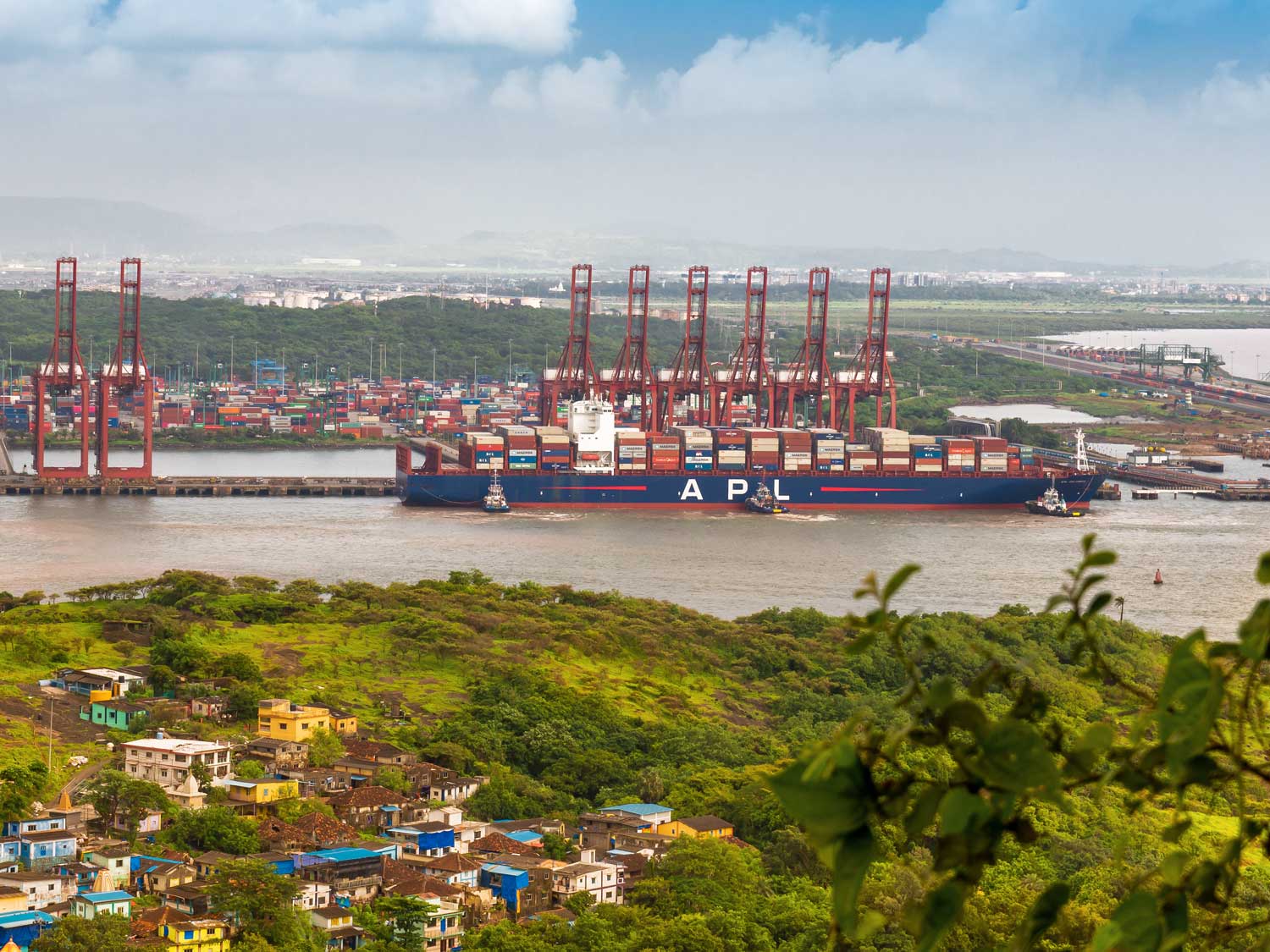
At India’s Nhava Sheva (JNPA) port, unexpected surges in Middle East transhipment cargo have created substantial congestion, with vessel waiting times extending to several days and terminal operations struggling under rising yard density and inland transport pressure.
Truck queues, delayed container evacuation, rollover cargo and missed vessel connections are all becoming more common as ports attempt to absorb volumes displaced from traditional Gulf routings.
Red Sea land-bridge options come under strain
The traditional Red Sea land-bridge model into the Gulf is also becoming increasingly difficult to operate.
Congestion linked to diverted cargo volumes, seasonal Hajj-related demand and overloaded customs and port administration systems has significantly reduced operational reliability through Jeddah and other Red Sea gateways.
Carriers including Maersk and Hapag-Lloyd have now suspended certain cross-border carrier haulage solutions via Jeddah for Upper Gulf cargoes, instead shifting traffic towards Arabian Sea gateways including Salalah, Khor Fakkan and Sharjah.
Containers previously routed through Saudi Arabian land-bridge solutions are increasingly being transhipped through alternative ports before moving inland or reconnecting to feeder services into Gulf destinations.
While these workarounds help maintain cargo flow, they also introduce additional handling, longer transit times and greater operational complexity.
What this means for supply chains
The Middle East situation is becoming a structural supply chain challenge affecting routing decisions, carrier networks, fuel pricing, inventory planning and transport reliability across multiple regions.
Importers and exporters are now operating in an environment where flexibility, contingency planning and proactive routing management have become essential.
Alternative gateway strategies, inland transport options and earlier booking windows are all becoming increasingly important as traditional network assumptions continue to break down.
Metro helps customers overcome volatile market conditions through flexible routing strategies, multimodal transport solutions and proactive supply chain management across Asia, Europe and the Middle East.
To discuss your supply chain planning, routing options or contingency strategies, EMAIL Managing Director Andrew Smith.