Global container volumes have reached another record high, with expanding trade flows across Asia, the Americas and Africa demonstrating the resilience of international commerce despite geopolitical uncertainty, rising transport costs and persistent shipping disruption.
Global container trade reached 17.46 million TEU in August 2026, surpassing July's previous record and marking the second consecutive month of unprecedented volumes.
The latest figures reveal an international trading environment that continues to expand despite considerable operational and economic challenges. Container volumes increased 3.7% compared with August 2025, while cumulative growth for the first eight months of 2026 reached 4.7%.
Looking further back, August volumes were 7.2% higher than in 2024 and 12.9% above 2023, highlighting the sustained expansion of containerised trade.
Asia drives growth as trade patterns evolve
The Far East remains the principal engine of global container trade, with exports increasing 8% year to date, equivalent to approximately 6.3 million additional TEU.
Every destination region recorded growth in imports from the Far East, with Sub-Saharan Africa and South and Central America delivering particularly strong percentage increases.
Sub-Saharan Africa also recorded the fastest overall import growth, up 13%, highlighting the growing importance of emerging consumer and industrial markets.
North American imports have returned to positive territory, increasing 2% year to date following a weaker start to 2026. Transpacific volumes are now 5% higher, supported by renewed demand for Far Eastern goods.
European exports have also stabilised after contracting earlier in the year, suggesting a gradual improvement in trading conditions.
However, growth remains uneven. Imports into the Indian Sub-Continent and Middle East declined 5%, while exports fell 10%, reflecting the significant disruption affecting regional trade flows.
These differences reinforce the importance of examining individual markets rather than relying on global averages when planning international supply chains.
Record volumes are adding to shipping costs
The strength of container demand has coincided with substantial freight pricing pressure.
The global container freight price index reached 117 points in August, its highest level since July 2024. The index has increased approximately 50% since January and stands 44% above August 2025.
The increase reflects more than cargo demand alone, with geopolitical disruption, longer vessel routings, congestion and constraints affecting major shipping corridors reducing the amount of vessel capacity effectively available to the market.
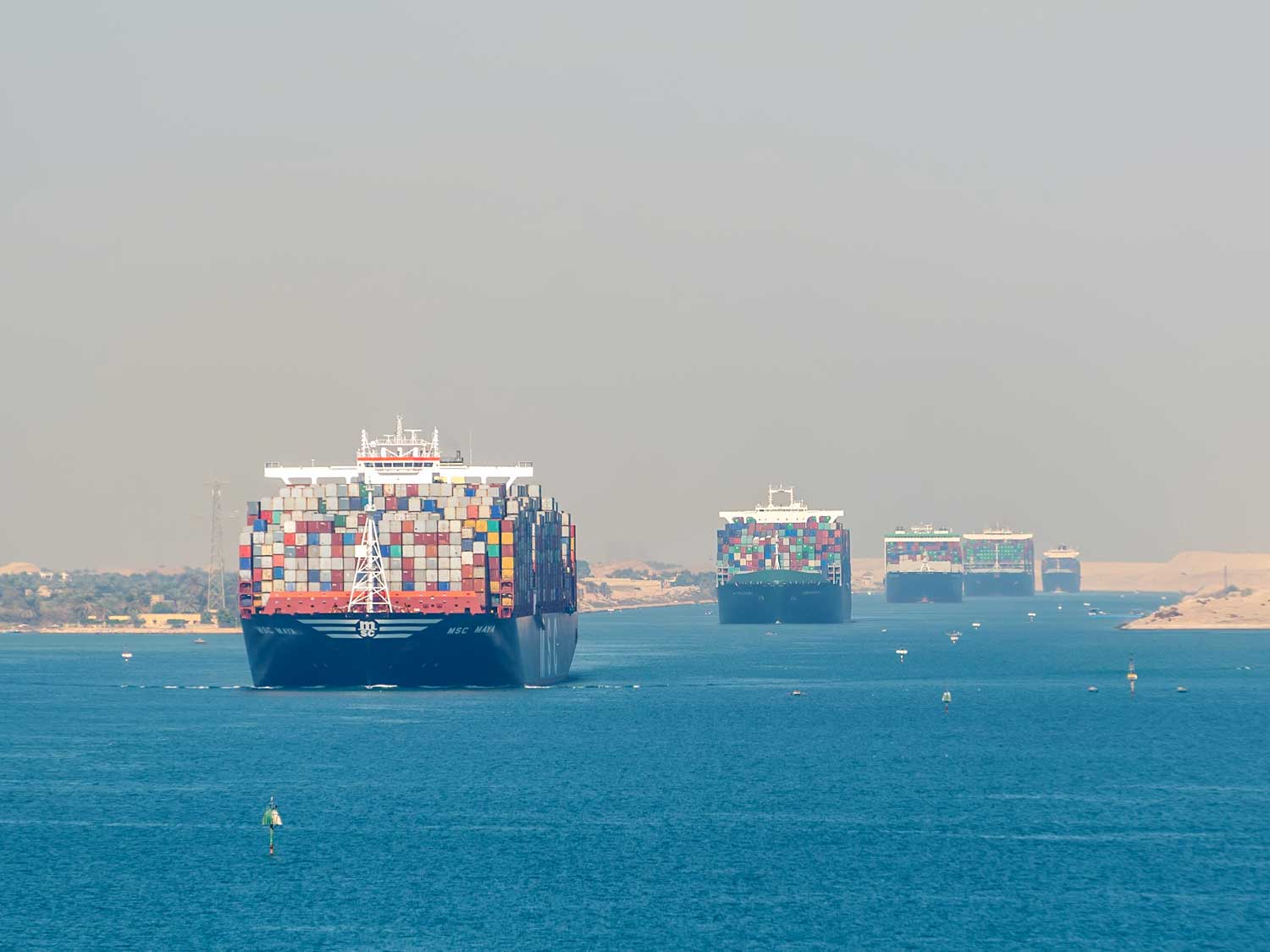
Ships diverted around the Cape of Good Hope spend longer completing voyages, while delays and congestion absorb capacity that would otherwise support additional sailings.
Consequently, even substantial investment in new vessels does not necessarily translate into improved availability or lower costs.
The distinction between the size of the global container fleet and the capacity that can actually be deployed remains fundamental to understanding freight market conditions.
Growth is continuing, but the outlook is changing
Despite August's record, there are early indications that the pace of expansion may be moderating.
Volumes increased just 0.5% compared with July, suggesting that the exceptional momentum seen during the middle of 2026 could be approaching a turning point.
Meanwhile, the global containership order-book represents more than 46% of the existing fleet, with substantial new capacity scheduled for delivery during 2027 and 2028.
This creates the prospect of a different market balance. If trade growth moderates while new vessels enter service, the additional capacity could place downward pressure on freight rates, particularly as more shipping services resume shorter routes through Suez.
However, the transition is unlikely to be uniform. Carrier capacity management, port congestion, regional demand and geopolitical developments will continue to influence individual trades, potentially creating significant differences between headline market trends and the conditions experienced by shippers.
For businesses planning ahead, the challenge is to distinguish between temporary disruption, underlying demand growth and longer-term changes in available capacity.
Connecting growing markets with global capability
As international container trade reaches new highs, businesses need more than access to shipping space. They need the expertise, relationships and visibility to take advantage of changing trade patterns while controlling costs and protecting delivery performance.
Metro combines established global carrier relationships, competitive ocean freight procurement and extensive international logistics capabilities with local expertise across major sourcing and destination markets.
Our expanding presence in India and the US strengthens our ability to support changing trade flows, while our ocean freight, consolidation, customs and inland transport services provide coordinated solutions from origin to final delivery.
Whether you're expanding into new markets, reviewing your freight strategy or preparing for the next shift in container shipping capacity, Metro can help turn changing global trade conditions into a competitive advantage.
Contact Metro to review your international shipping requirements and identify the routes, services and opportunities that best support your business.