Metro CEO Grant Liddell joined Lloyds Bank’s Markets Matter briefing to examine how geopolitical disruption, changing sourcing strategies and rising transport costs are reshaping global supply chains and why underlying trade remains surprisingly resilient.
The Lloyds Bank’s Markets Matter series brings together its economists and market specialists with business leaders to give corporate and commercial clients practical insight into the economic, financial and operational issues affecting their businesses.
For its latest briefing, Navigating Markets Beyond Monetary Policy, Grant joined Lloyds Bank specialists to bring a logistics perspective to a discussion spanning interest rates, inflation, energy prices, government finances and the wider risks facing UK businesses.
With freight costs among the channels through which geopolitical disruption and higher energy prices can feed into inflation, the discussion turned to what Metro is seeing across international supply chains and how businesses are responding.
Global trade is proving resilient
Global logistics provides an unusually immediate barometer of international trade, and Grant highlighted the contrast between the economic headlines and what is actually moving through supply chains.
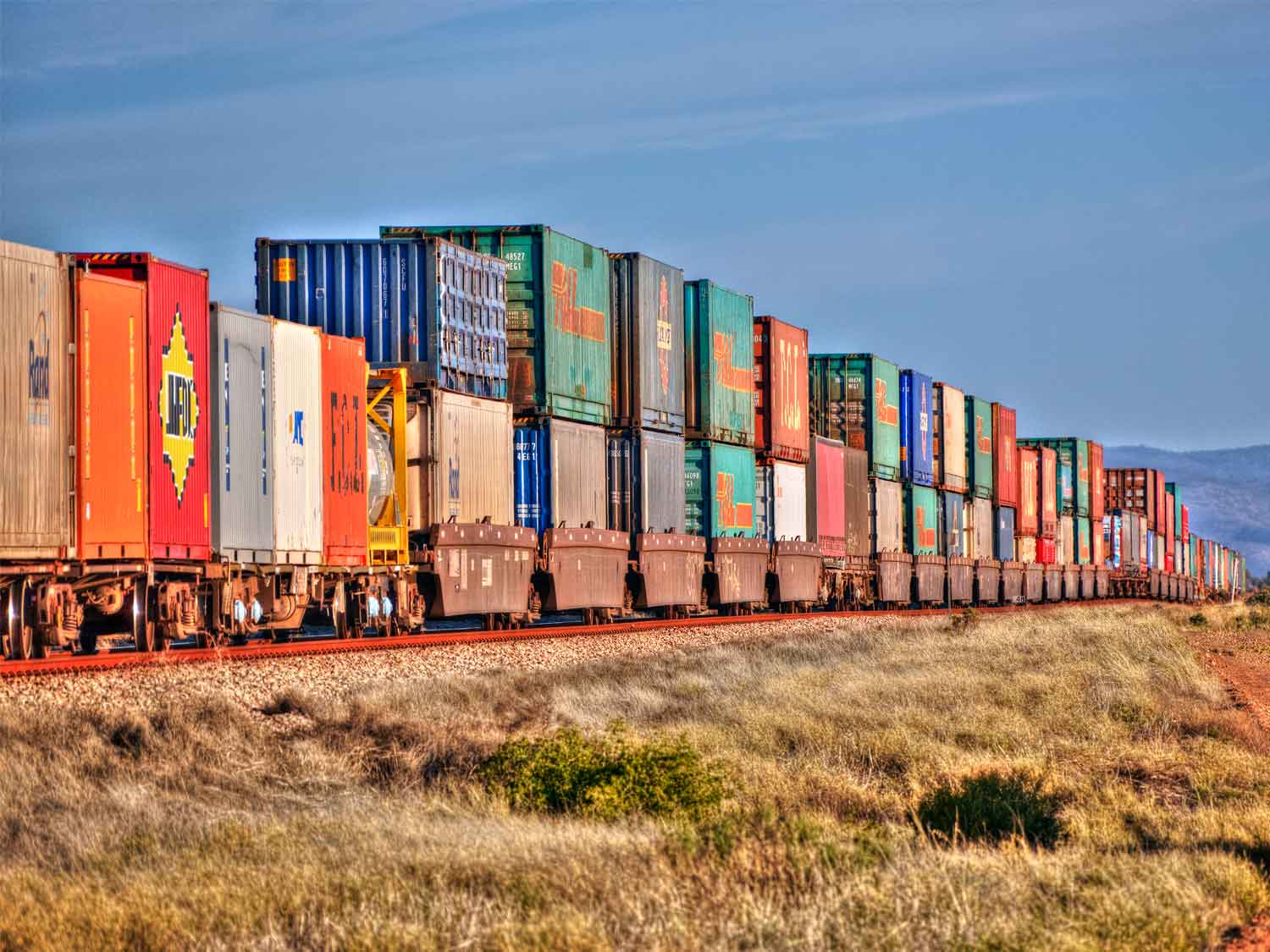
Global container volumes reached a record level during July, while containerised trade continued to grow year on year. Intra-Asia and Asian export trades have been particularly strong, despite tariffs, geopolitical tensions and changing sourcing patterns.
The picture is not uniform. European demand remains relatively subdued compared with the US, Far East and some emerging markets, while India is experiencing particularly strong growth.
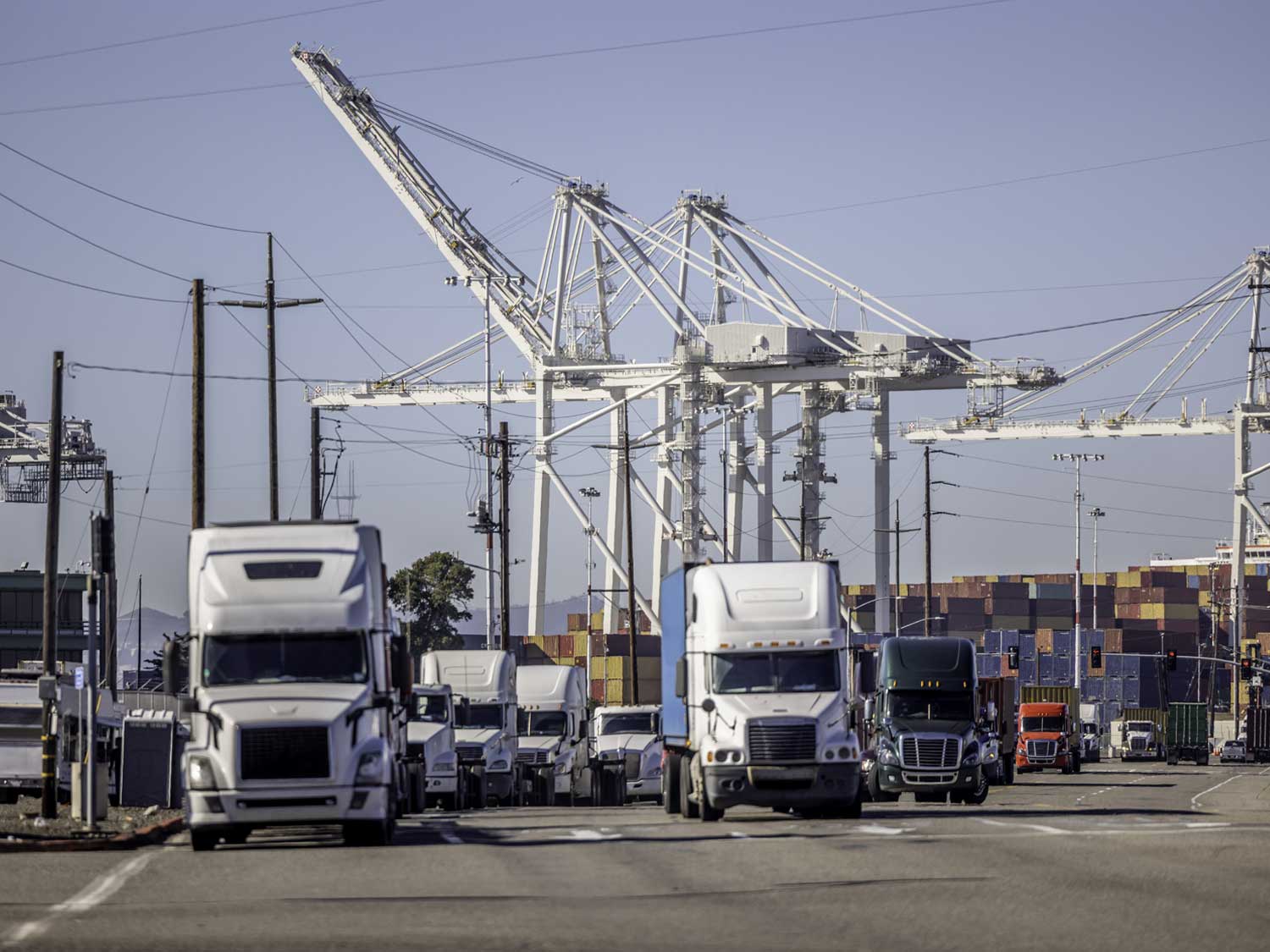
That demand has consequences. Freight operates as a highly responsive market, with rates capable of rising or falling rapidly as available capacity moves out of balance with cargo demand. Grant highlighted dramatic increases on some Indian ocean and airfreight trades this year, while transpacific ocean rates have returned towards levels last experienced during the pandemic.
Those increases do not stop with the freight invoice. Components and raw materials frequently cross borders several times before a finished product reaches its customer. Higher transport costs can therefore enter the production process at multiple stages, creating an indirect inflationary effect as well as increasing the final cost of distribution.
From just in time to ‘just given time’
One of Grant’s most interesting observations concerned the way businesses are responding to disruption.
The highly optimised just-in-time model used across many manufacturing and industrial sectors has become much harder to maintain as Red Sea diversions, geopolitical conflict, closed airspace and port congestion extend and destabilise transit times.
Grant described the reality as increasingly becoming “just given time” with businesses adapting their inventory and production strategies to supply chains where predictable lead times can no longer always be assumed.
That change is also accelerating interest in alternative sourcing locations. India is attracting manufacturing in sectors including technology and electronics, while Metro customers are increasingly considering production in the UK and Europe. North Africa is becoming more prominent and Turkey has attracted manufacturing across garments, automotive and engineering.
Some businesses had already begun reducing their dependence on China before the pandemic. Subsequent disruption has pushed resilience and diversification much higher up the agenda.
Yet this does not necessarily mean less international trade. Goods may travel shorter distances or move by truck rather than deep-sea container or airfreight, while rapidly expanding intra-Asian trade demonstrates how changing manufacturing footprints can create new freight flows rather than eliminate them.
Reliability becomes the critical supply-chain risk
Asked what businesses should be considering as they plan for 2027, Grant put reliability high on the list.
Strong demand is combining with congested ports, delayed vessels, weather disruption and geopolitical uncertainty. The resulting challenge is not simply securing a competitive freight rate, but ensuring components reach production lines and finished products reach markets when required.
That reinforces a theme running throughout the Lloyds discussion.
Higher freight and energy costs matter, but their wider economic impact depends partly on how businesses respond: whether costs are absorbed, reflected in pricing, influence wage decisions or become embedded in future contracts.
For supply-chain managers, the equivalent challenge is building enough flexibility into sourcing, inventory and transport strategies to withstand disruption without creating excessive cost.
Suez could change the equation again
There are also reasons why the freight outlook could change during 2027.
Grant highlighted the increasing use of the Red Sea and Suez route by carriers serving Asia, with several lines already using the route regularly.
A wider return would release effective vessel capacity because ships would no longer require the additional 15+ days associated with Cape of Good Hope diversions. That could improve supply and place downward pressure on freight rates.
But the outlook remains complicated by energy prices, aviation fuel costs and continuing geopolitical risk.
Near-shoring can provide another layer of protection, but changing a manufacturing footprint is neither quick nor straightforward. Establishing new suppliers and supply chains can take months or years.
The result, as Grant characterised it, is a mixed picture for 2027, and while significant risks remain businesses are actively changing how and where they source, manufacture and move products to manage them.
Turning global risk into practical supply-chain decisions
Perhaps the clearest message from the discussion was that geopolitical and economic uncertainty has not stopped global trade. Instead, it is changing its routes, costs and priorities.
With businesses already planning for 2027, the discussion provides useful context for understanding how economic and geopolitical risks could affect costs, sourcing and supply-chain decisions in the months ahead.
Click HERE to catch up with the full Lloyds Banking Group Markets Matter recording.