Autonomous vehicles

Environmental developments you may have missed

While we continue to drive forward our ‘green’ initiatives, by selecting environmentally focused partners and further developing our MVT ECO platform in managing, measuring and offsetting carbon emissions, we also monitor ‘green’ developments that may impact our sector.

The Hydrofoil alternative to air freight

Air freight emissions account for 0.5% of global emissions and are expected to grow to 6-13% by 2050. Boundary Layer Technologies (BLT) is developing a hydrofoil fast vessel powered by emission-free green hydrogen, as a viable alternative to air.

The vessel (Argo), due to be launched in intra-Asia trade lanes in the first quarter of 2025, will carry 20 TEU, with a range of 1,500 nautical miles and cruise at 40 knots, as a replacement for short-range air freight transport.

The team behind Argo’s development claim it can replace air freight with only a small increase in door-to-door transit time and will target high-value, time-sensitive cargo like electronics, automotive parts and pharmaceuticals. It will be equipped with power to support reefer containers and offer freight prices that will be 50% cheaper than air freight, based on average 2019 rates.

Argo is intended to be powered by green liquid hydrogen fuel cells, although BLT has yet to secure a supply contract for green hydrogen and it is unclear whether dedicated pipelines for the transport of green hydrogen to the ports used by Argo will be built in time for its launch.

ARGO image courtesy of Boundary Layer Technologies (https://www.boundarylayer.tech/argo)

Sustainable aviation fuel (SAF)

SAF is similar in its chemistry to traditional fossil jet fuel and is produced from sustainable feedstocks, including cooking oil, non-palm waste oils from animals or plants; solid waste from homes and businesses, and food scraps that would otherwise go to landfill or incineration. Other potential sources include forestry waste, such as waste wood, and energy crops, including fast growing plants and algae.

Using SAF results in a reduction of up to 80% in carbon emissions over the lifecycle of the fuel compared to the traditional jet fuel it replaces, depending on the sustainable feedstock used, production method and the supply chain to the airport. 

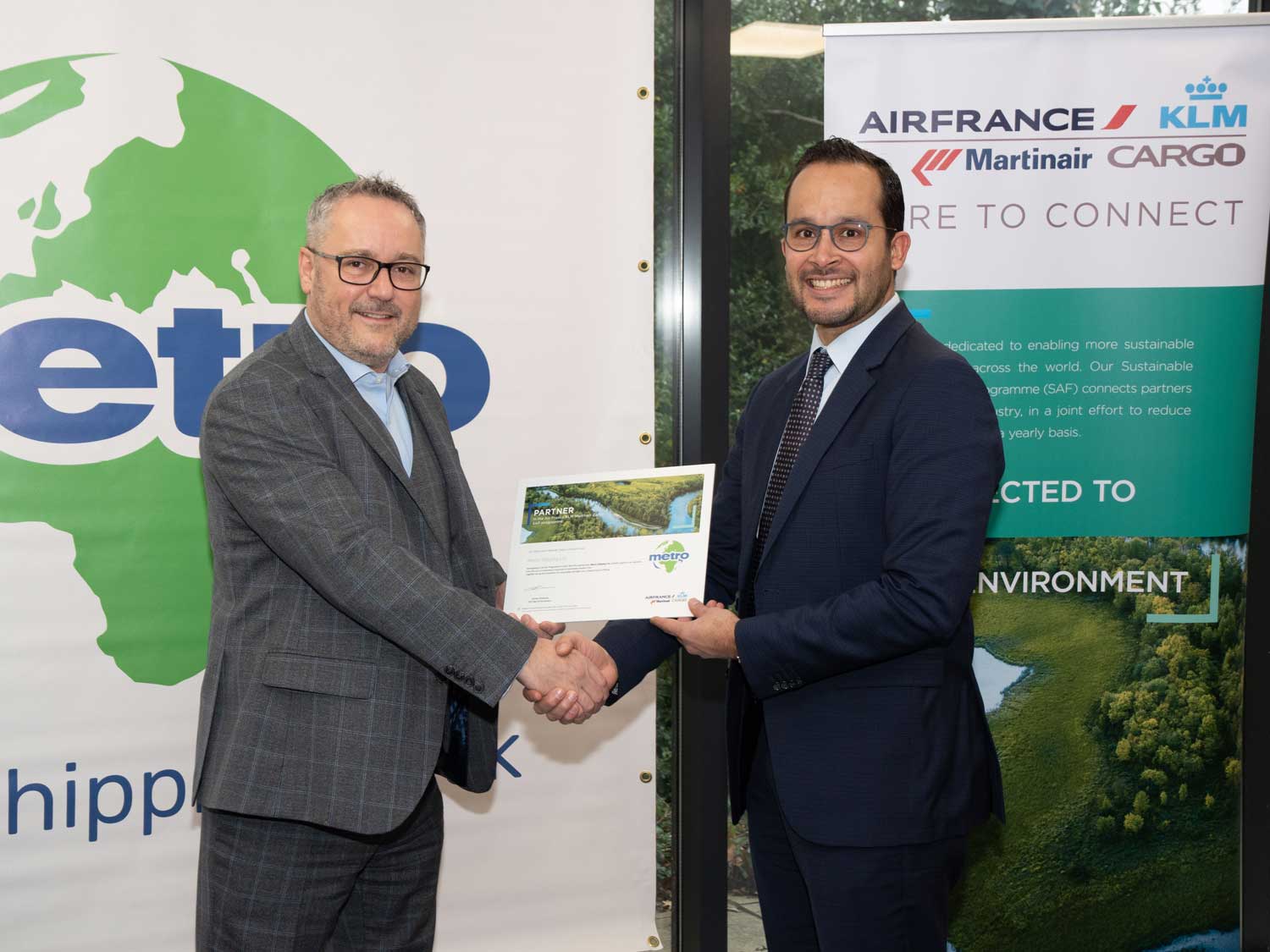
We work closely with the Air France/KLM/Martinair SAF programme, in growing the adoption of SAF and reducing the carbon footprint of our air cargo miles. We are considering migration to programme partnership and contributions to further SAF acquisition.

Driverless electric trucks on public roads

Swedish freight technology company Einride has granted a permit in the United States for a pilot project, to test electric, autonomous trucks, which will run for two weeks in the third quarter of 2022 and take place on public roads.

The Einride autonomous electric truck operates without a driver and is monitored by a specially-trained remote driver who can take control if necessary.

Autonomous trucks will mix with normal traffic on public roads located near project partner GE Appliance’s plant near Memphis, Tennessee. 

As part of the pilot, the autonomous trucks will test moving goods, as well as loading/unloading goods with warehouse teams at nearly locations.

Image courtesy of Einride (https://www.einride.tech)

Automated container terminals

Following on from ECT, which opened in 1993 and became the first fully automated terminal in the world, a new container terminal with five deep sea berths is being developed at Rotterdam. It will add 7m teu of annual capacity when it begins operations in 2027, with 2.6km of quay at the north end of the ECT terminal.

Like ECT, the new facility will be fully automated, with vessels unloaded by autonomous cranes and cabin-less ground vehicles.

The cleanest vessel power source

The greenest of power sources, wind propulsion, has received a lot of interest as ship owners aim to reduce fuel consumption and lower CO2 emissions. Depending on the size of the sails, efficiency gained from wind propulsion assists mechanisms generally in the range of 15-20%.

Maersk’s liquid bulk division sold the Maersk Pelican to an Indonesian carrier last year, the vessel was the world’s first product tanker to incorporate wind propulsion technology into its operations.

The vessel was sold with the technology installed on board and Maersk has confirmed that it will continue to work with relevant parties to enable the use of wind propulsion technology, optimise vessel performance and reduce CO2 emissions.

From giant kites that pull cargo ships to inflatable sails to spinning rotors that create lift, the move towards wind-powered commercial vessels will generate a doubling of such ships on the water by 2023, as lines work to help meet the industry goal of cutting greenhouse gas emissions from the global fleet by 50% by 2050, from 2008 levels.

In July, Japanese  carrier K Line boosted its kite orders to five and signed a contract to install as many as 50 on its fleet of about 420 vessels, as part of its move to net-zero greenhouse gas emissions by 2050.

Giant commodity trader Cargill will pilot-test two 120-foot-high rigid wind sails made of steel and composite glass that will be outfitted on the 751-foot-long carrier that it charters and could help cut emissions by as much as 30%, which equates to about 6,400 metric tons of carbon dioxide per year. If the trial is successful, Cargill will retrofit up to 10 more ships.

There are about 12 wind propulsion systems on the market, with seven more coming online in 2023, including 37 meter rigid sails, 100-square-meter inflatable wing sails and 35 meter rotor sails.

The biggest hurdle for many shipowners is the capital investment, with rotors and rigid sails easily costing $1 million to $1.5 million each and ships often needing at least three or more. The return on investment typically is about seven to eight years, but with higher fuel costs, that time is being trimmed dramatically.

Seawing image courtesy of K Line (https://klineurope.com)

Metro has committed to Sustainability Disclosure Requirements and is achieving CO2 neutrality by measuring, reporting and offsetting our CO2 emissions.

The ‘free of charge’ Eco module, that sits in our MVT supply chain platform, monitors the energy emissions, emission costs and CO2 equivalent emissions, of our customer’s consignments, by every mode. Which means that Metro customers can monitor the environmental impact of their supply chains and participate in offset projects that will eradicate their supply chain CO2 footprint.

To request a demo or discuss your requirements, please contact Simon George, who can outline our proven carbon reduction strategies and the availability of offset projects.
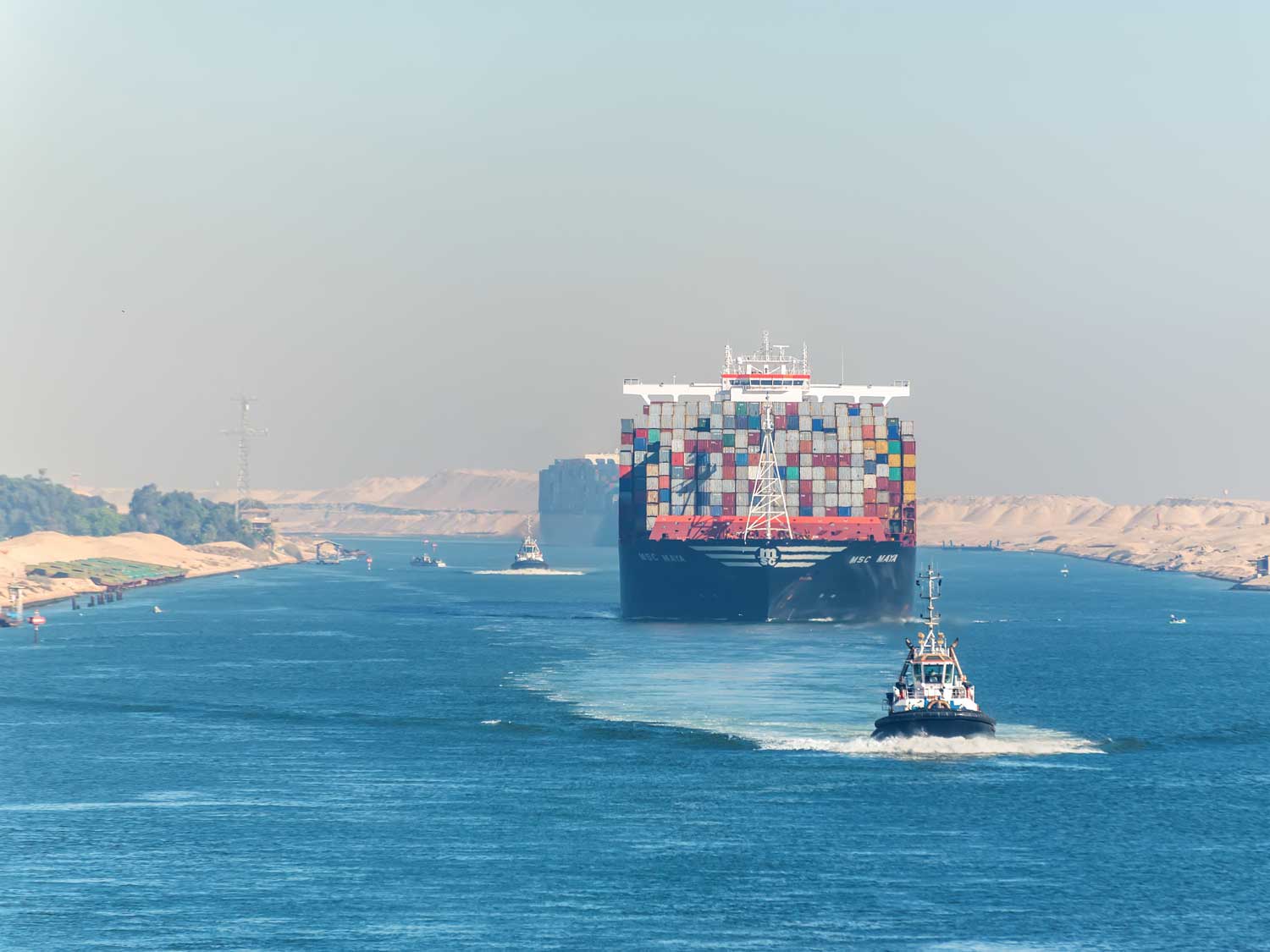
Emirates Dubai

Air freight market update

With very few route exceptions, the air freight market from India and Asia to Europe has generally been softening for a couple of months, reflected also in the US market, with only African and South American routes bucking the trend.

Lack of capacity continues to be an issue on most routes (with the exception of Thailand) and it is unlikely to be addressed in the short term, exacerbated as it was by regulations blocking the use of the passenger cabin for freight and the lack of belly-hold space, as passenger flight restrictions remain, due to subdued traveler sentiment.

Capacity is available from Vietnam and space is more flexible than before from Taiwan, with particular opportunities for high density cargo, but volume cargo might be liable to additional costs as carriers try to maximise their payloads with cargo that has a higher return.

There is little expectation that the government in China will open the door to allow more passenger flights, and the major freighter operators have no plans to increase capacity, while rates threaten to diminish their returns. In addition any returning passengers into China have to isolate and are subject to restrictions on arrival so this is reflected in the deployment of scheduled passenger flights from airlines. 

Spot freight rates have been fluctuating recently, but there is little expectation that rates will drop much more, as carriers cancel some flights to reduce capacity and maintain rates levels, as happened recently in Shanghai and on many other trade lanes throughout the Asian networks.

The market is anticipating that rates will harden as volumes recover from the past two months and, while it may not be the normal peak season, there should be a Christmas squeeze and with capacity and demand in a very fragile balance, the scales will quickly shift in favour of the carriers. And even if volumes don’t surge for long, any congestion will reduce effective capacity, with carriers likely to take advantage of the supply versus demand dynamic, to capitalise on the opportunity.

In the face of challenges posed by the COVID-19 pandemic and the air travel restrictions that characterised much of 2021, ground handlers have enjoyed burgeoning revenue, thanks primarily to their cargo operations and the return of passenger flights.

Despite this background of success we are seeing the biggest and most powerful ground handling operators at London Heathrow and other air cargo hubs, increasing costs and maintaining elevated revenues, with some operators rebadging a ‘COVID surcharge’ as an ‘economic surcharge’, with further increases being imposed from the 1st October 2022.

The global air freight market, like all logistics modes presently, is a discombobulated arena to operate in, whether as a carrier, a logistics provider, or an end customer. Reliability and consistent services are the main differentiator presently.

Despite the ongoing challenges, we continue to find cost-effective solutions for urgent and time-sensitive shipments, using a blend of scheduled, dedicated and chartered air cargo services. Metro will always provide the latest and best fit options available in the market. Ensuring that your time critical shipments reach their market on time and by their deadline. Creativity, connections and planning will ensure this is achieved.

Contact Elliot Carlie for further insights and advice on our air cargo solutions and for information on the latest weekly market position for any urgent movements, regardless of their nature. Proven, bespoke and time definite solutions are our area of expertise. 

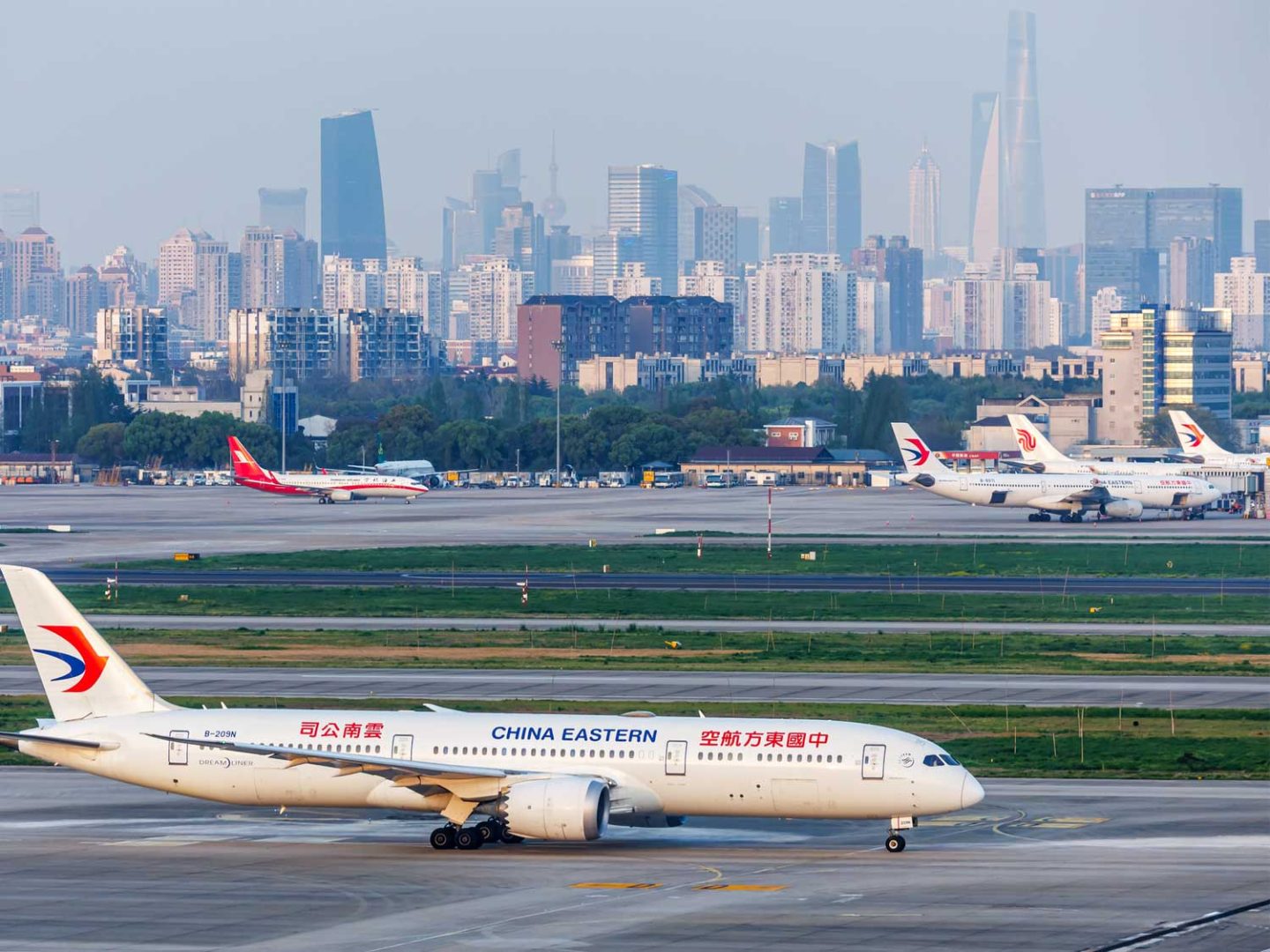
Freighter

Challenging air freight market with little room for optimism

Deteriorating global economic conditions may prompt some shippers to turn their back on air cargo, but after successful charters over the last two years, we expect dedicated freighter and part charter capacity to remain a fixture for many of our customers.

The numbers are not good for air freight, recording a 9% drop in global volumes last month (compared to 2021) matched by a similar drop in demand.

And the recovery in capacity also lost some momentum in July; up 4% year on year, but 11% lower than in July 2019. So a simple sum says it is still fairly balanced when all parts are considered.

Of most concern to carriers, the dynamic load factor - a measure of revenue generation - fell to 58%, which is 8% down on 2021.

The erosion in rates continues, with global indexes up 121% on 2019, which is actually a contraction of 35% points on a global scale, since January.

The rebound in transatlantic passenger travel added capacity, which pushed rates down, though capacity will likely decrease after the summer tourist season ends and push rates back up. Subject to demand.

China passenger travel remains very subdued and this market consequently has very little intercontinental passenger flights. Another example of the regionalisation of air freight, as a consequence of the pandemic, passenger sentiment and ability to travel. It impacts the rates and capacity dynamics available on each route.

Inventory levels have risen significantly and some buyers are deferring or cancelling orders, as inflation erodes consumers disposable income amid a general slowdown in the economy and demand for products. However other influences abound, including raw material and component shortages, continued turbulent logistics schedules, anticipation of buying patterns and energy costs rising globally, to highlight just a few of the consequences as we evolve from the Covid pandemic.

While inventories in retail goods like fashion and accessories are up, carriers will be looking to other verticals for opportunities, like the automotive and consumer electronics verticals, which have low inventory levels and shortages of many components.

There are dark clouds hanging over the air cargo industry and even though rates are often elevated, volumes are subdued, which means that rates will slowly but surely roll back, but probably not back to where they were before the pandemic.

When we do get a peak season, it will probably be smaller and shorter than in 2021 and previous years, running potentially for six to eight weeks. There will be a sharp increase in demand, volumes and rates as peak season approaches, but this should level off in the following weeks and stabilise, albeit at higher levels than 2019.

Prices remain well above pre-pandemic levels for the slow season, kept elevated by high fuel prices, congestion due to ground handling disruption and some shortages of capacity in some lanes , due to the absence of passenger traffic.

Economic developments will prompt beneficial cargo owners (the biggest volume shippers) to review procurement strategies and those with narrow margins that shifted to air because of the problems with ocean cargo, will go back to ocean, to restore margins. Despite the continued disruption and delays in surface freight movements it has become accepted that supply chain transits are longer and these have now been factored into many businesses plans and stock availability strategies.

Those with the most urgent requirements in the automotive and consumer electronics sectors may prefer dedicated capacity to meet their air freight needs and we will continue to offer the dedicated capacity that will offer the best value and meet our customer’s needs.

Despite the ongoing challenges, we continue to find cost-effective solutions for urgent and time-sensitive shipments, using a blend of scheduled, dedicated and chartered air cargo services. 

We work closely with our global network to continuously monitor market capacity and service opportunities that might benefit our customers.

Evaluating and blocking space on viable services early, including our sea/air platforms and hub services, is a critical factor in achieving the most demanding deadlines. 

Contact Elliot Carlie for insights and advice on how to move your express time-sensitive products globally. Metro are here to support you and always provide and deliver the best available and cost effective solutions to ensure that you receive or deliver your products to market as they are needed. It’s what we do.

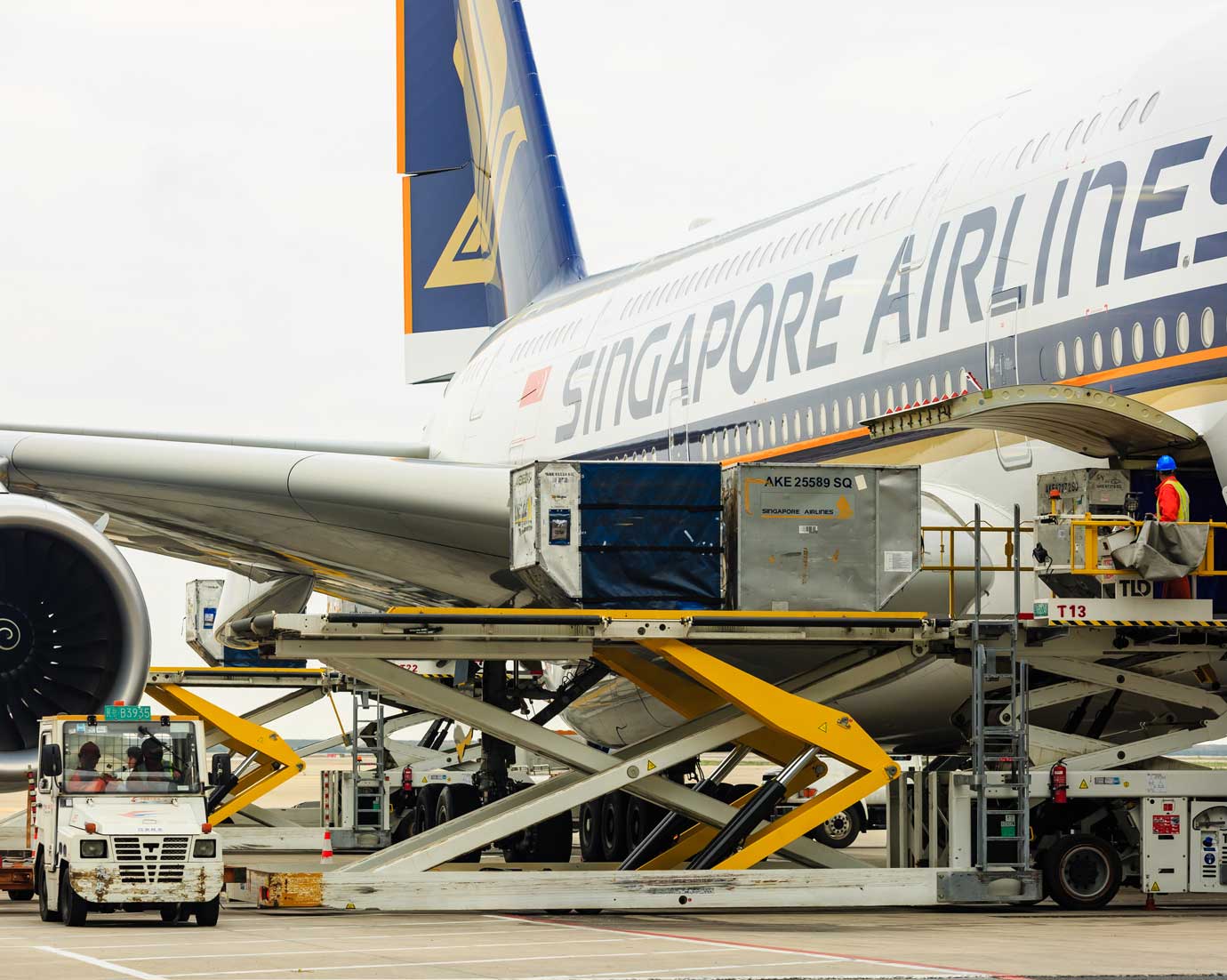
Qatar unloading

No ground handling staff at airports, but cost keeps increasing

The state of the sea freight market has been a major contributory factor in air freight market demand, since the onset of the COVID pandemic, but that consistent demand has been a challenge too far for many air cargo handlers.

The International Air Transport Association (IATA) confirms that the air cargo handling industry lost thousands of workers during the pandemic, which is why there is now a "severe shortage" of skilled ground handlers to move goods. A situation which is exacerbated with increased absences, as each COVID spike works through the population, across the UK and continental Europe.

The shortage of skilled workers is a critical issue, because even though there is sufficient capacity in the air on most routes, capacity is missing on the ground, which creates bottlenecks at regional airports and strategic hubs like Heathrow.

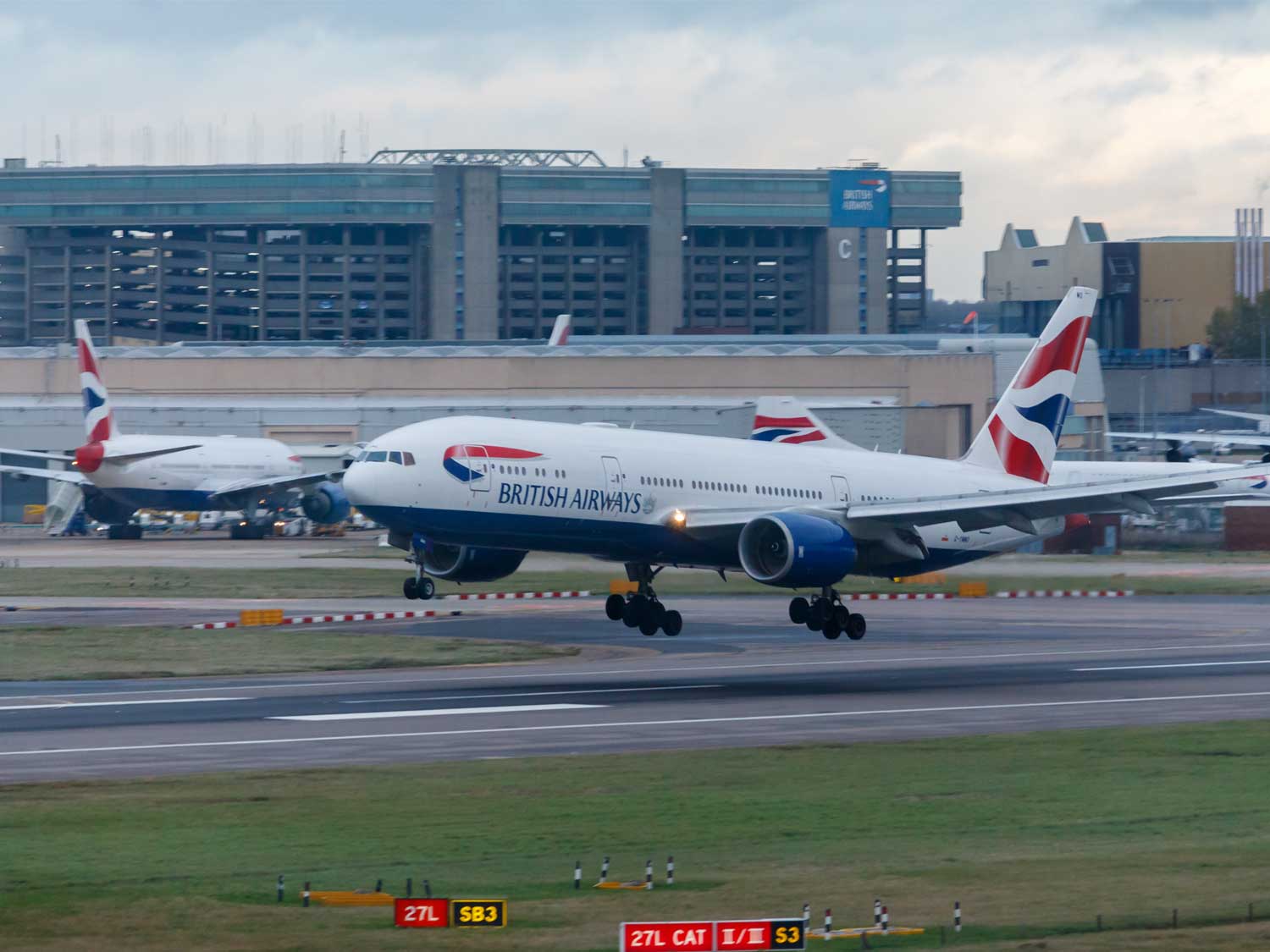
This is an issue that is impacting beyond the UK, with Frankfurt asking cargo airlines not to route flights through Frankfurt until the end of August, because their ground handling arm, is severely limited, due to traffic peaks, schedule changes and limited staff.

Staff shortages abound in the supply chain. From truck drivers, to dockers and fork-lift drivers, there is a global issue in finding sufficient personnel at the lower end of the pay-scale.

Some of these problems are self-inflicted by the industry and its customers, like persistently not appreciating the skills of HGV drivers and not valuing cargo handling as a critical service and perpetuating a system where staff do not get appropriate recognition or remuneration.

IAG Cargo (the cargo handling division of International Airlines Group) one of the world's largest airline groups, recently announced its biggest ever recruitment drive, in a bid to fill 500 roles.

dnata, one of the world's largest ground handling agents has acknowledged that it is not immune from the staff challenges facing the industry, but insists it is well placed to meet those challenges, while Swissport, one of its biggest competitors says it is not experiencing staff shortages to the point that their cargo operations are affected.

Despite continuing disruption at many airports, below-par service and the acknowledged lack of ground handling staff, charges are being increased regularly. With one of the biggest handlers imposing another round of increases tomorrow.

Probably the biggest challenges to resolving the situation, is making ground handling roles attractive and the time it takes to do the necessary security checks.

The government this month announced that aviation security checks would be accelerated to help industry minimise travel disruption.

But even with Accreditation Checks being completed in 5 days and Counter Terrorist Checks in 10 days, there is little sign of additional ground handling resource relieving operations pressure.

The transit shed operators seem to be justifying their continued increases as a resolution to the problems. The reality is this is not resolving the issues and it is just further inflationary cost within the supply chain, pushing prices higher. And this is all before the traditional peak season experienced in air freight from September, where volumes rise considerably. Hopefully the air cargo infrastructure will be able to cope at Europe’s airports this year.

Despite the massive challenges, our air freight team continue to get time-sensitive shipments lifted at origin and work tirelessly to have it released asap after arrival.

As soon as we identify an issue, regardless of the airport, we work around the problem to deliver the best solution and avoid obvious bottlenecks and turmoil.

We monitor market capacity and identify opportunities to use regional airports, when it will benefit our customers, ensuring that expectations and timelines are met.

We find solutions for every critical shipment. Please call Elliot Carlile to discuss your situation, requirements and potential resolutions.