Garment production is recovering across Bangladesh following widespread industrial unrest, with early indications suggesting the impact on international shipments may be less severe than initially feared.
However, unresolved wage negotiations and the possibility of further disruption mean fashion buyers should remain alert to potential delivery delays.
Metro is assessing conditions at factories and pressure on freight capacity, while encouraging customers to review vulnerable orders and prepare contingency arrangements should disruption intensify.
Wage negotiations leave some uncertainty
Demonstrations began in early November as garment workers demanded an increase in the monthly minimum wage from Tk12,500 to Tk30,000, citing rising living costs and concerns over employment conditions.
The unrest spread across Dhaka, Ashulia, Savar, Gazipur and Narayanganj, forcing hundreds of factories to suspend operations and disrupting road transport.
On 4 November, Bangladesh's Minimum Wage Board agreed in principle to introduce a revised pay structure from December but did not specify the increase.
The announcement failed to end demonstrations immediately. On 5 November, more than 100 factories suspended operations in Ashulia as workers staged further walkouts and blocked the Abdullahpur-Baipail highway.
By 8 November, most factories in the main industrial areas had resumed production, although some remained temporarily closed.
The recovery is encouraging, but the outstanding wage settlement leaves the possibility of renewed industrial action.
What could happen if disruption continues?
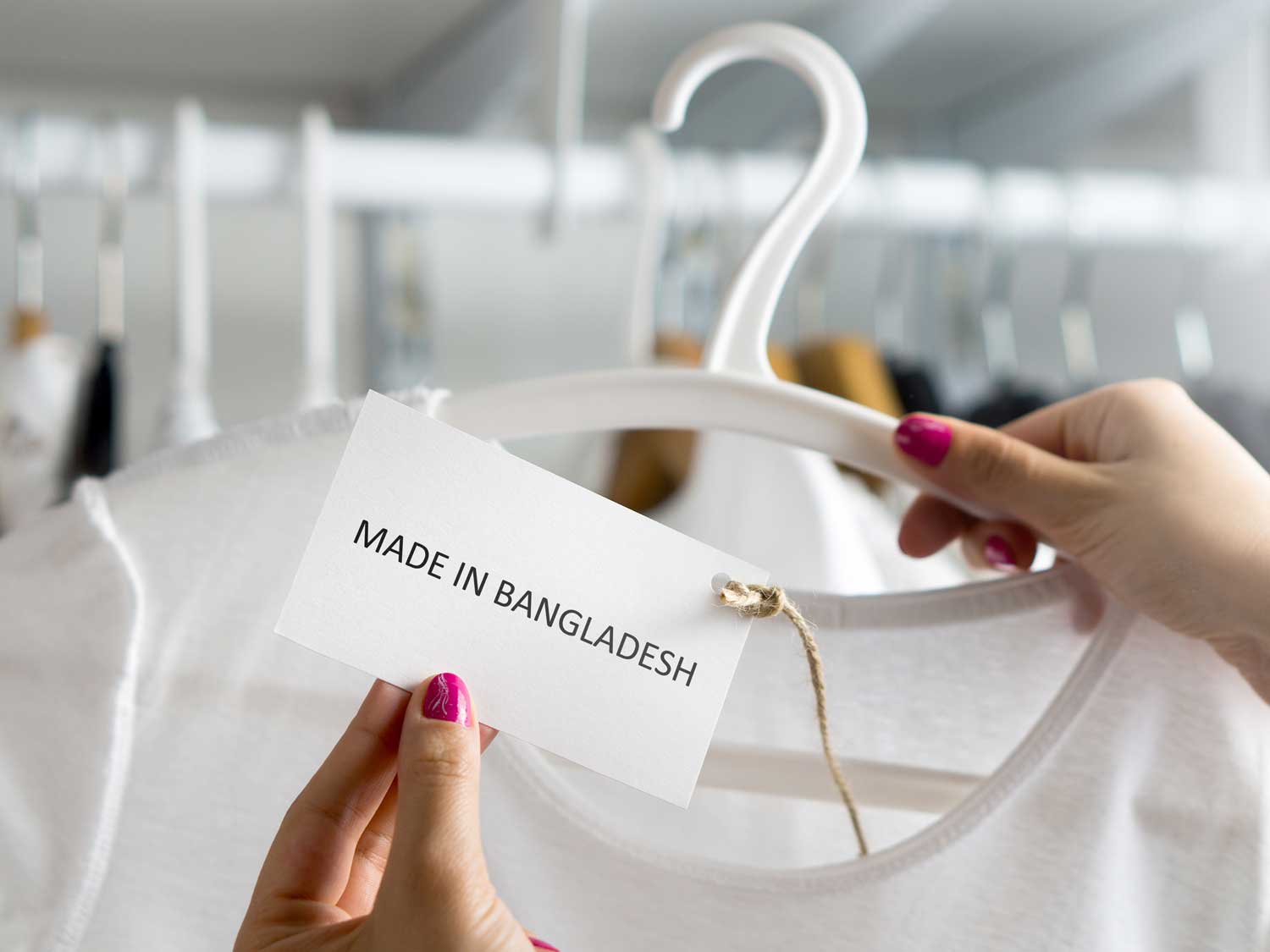
Bangladesh is the world's second-largest garment exporter, supplying major international fashion brands and retailers. Its garment industry employs approximately four million workers and accounts for more than 80% of national export earnings.
The unrest has coincided with an important production period for spring and summer fashion collections, making delivery reliability particularly important.
Although the immediate impact may prove limited, prolonged or renewed disruption could create two related challenges.
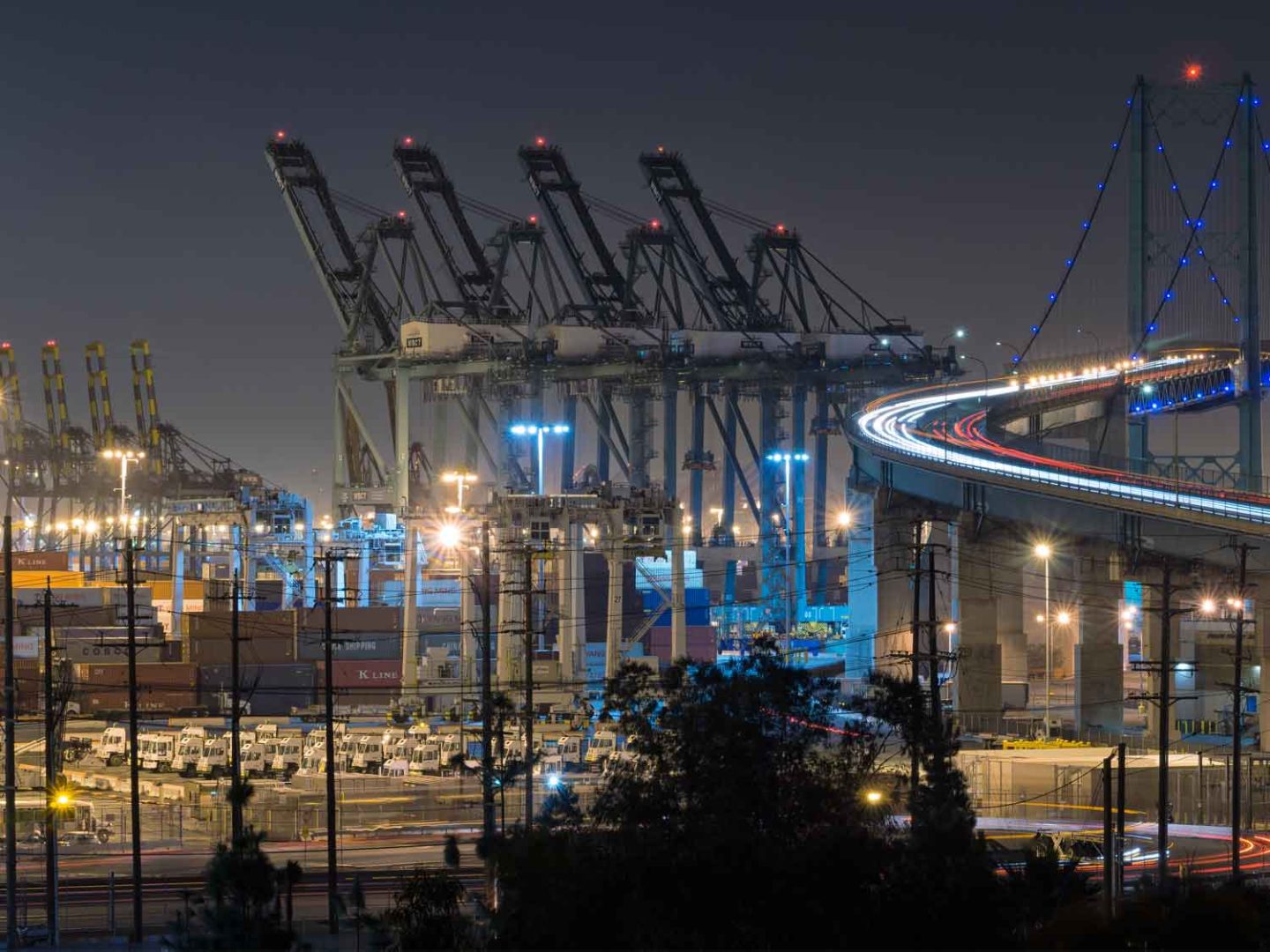
First, production delays and restricted road movements could cause shipments to miss scheduled vessel departures.
Bangladesh depends heavily on feeder services connecting Chattogram with regional transhipment hubs, including Singapore, Colombo and Port Klang.
This limits the ability of shipping lines to introduce additional capacity at short notice. If significant volumes of delayed cargo were released simultaneously, exporters could face competition for feeder space and onward connections.
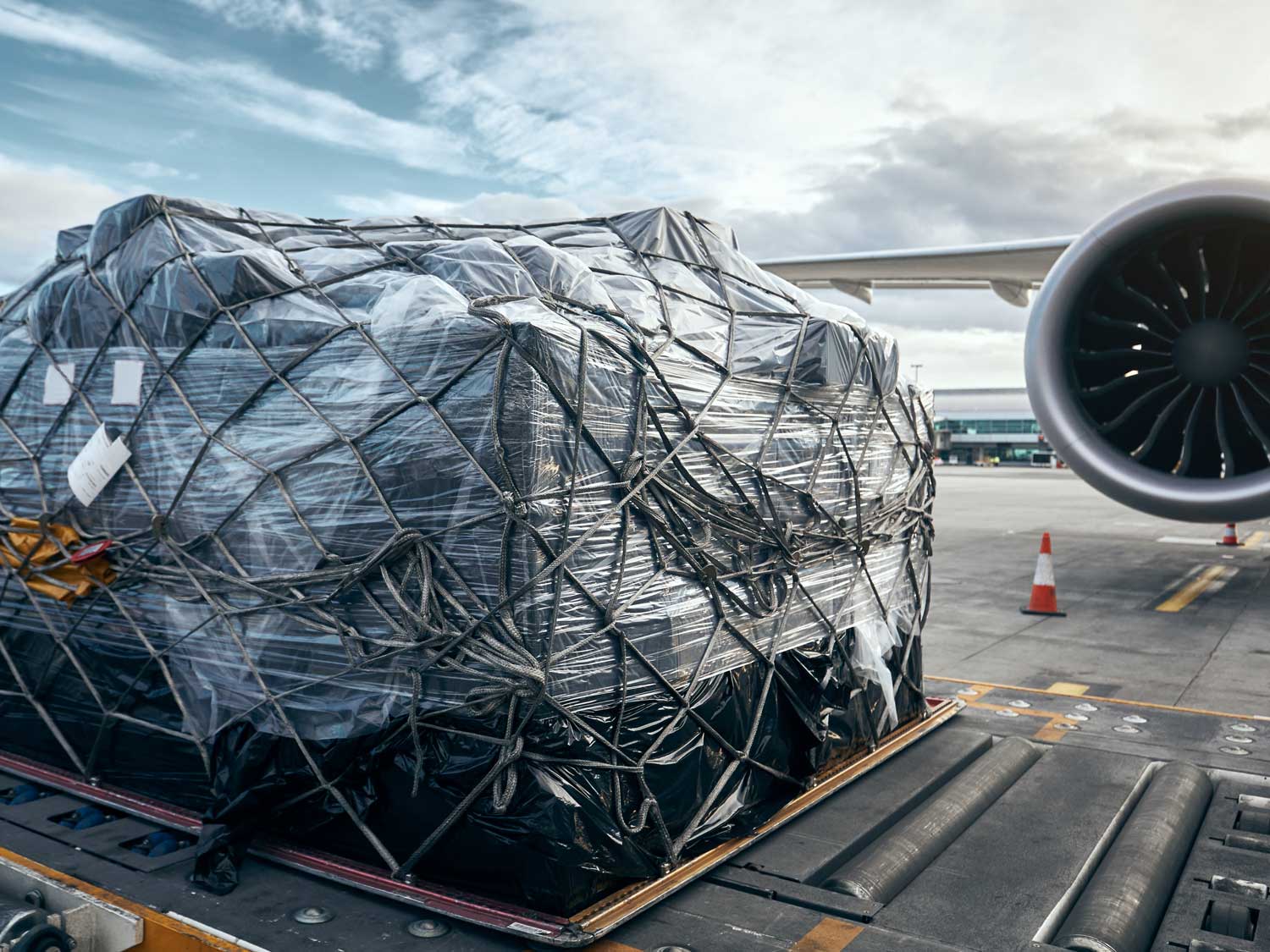
Second, demand for urgent airfreight could increase if buyers attempt to recover lost time.
Air cargo capacity from Bangladesh is finite, and a sudden increase in bookings could reduce availability and push up costs.
Neither outcome is inevitable. Much will depend on how quickly normal production and transport operations stabilise, the scale of any shipment backlog and whether further industrial action occurs.
Metro and our local partner TopStar are monitoring these factors closely to identify any change in conditions that could affect customers.
What fashion buyers should do now
Metro's current advice is to maintain normal shipping arrangements wherever possible, while ensuring alternative options can be activated quickly if required.
Customers sourcing from Bangladesh should consider four immediate actions:
- Confirm production status. Check with suppliers that orders remain on schedule and establish revised completion dates where necessary.
- Review upcoming shipments. Identify cargo approaching vessel cut-offs and confirm that collections and port deliveries can proceed.
- Prioritise critical orders. Establish which products have fixed launch dates or delivery commitments and would justify expedited transport.
- Prepare contingency options. Review alternative sailings and potential airfreight requirements before urgent intervention becomes necessary.
For most shipments, maintaining planned ocean services may remain the most economical and appropriate course of action.
However, businesses with time-sensitive orders should establish decision points that allow them to respond before delays become commercially damaging.
30 years of partnership provides direct local intelligence
Metro's relationship with TopStar Cargo Systems stretches back to 1997, providing customers with extensive local knowledge, established vendor relationships and operational support across one of the world's most important garment manufacturing markets.
TopStar’s specialist capabilities include fashion logistics, air and ocean freight, cargo consolidation, warehousing, pre-pack, sorting, remaking, labelling, quality control and container preparation.
TopStar's senior management team recently visited Metro in the UK, where discussions included operational resilience, crisis management and contingency planning for precisely the type of disruption now affecting Bangladesh's garment industry.
Those discussions have particular relevance today, as Metro and TopStar maintain close contact to assess developments and determine whether customers need additional support.
For Metro CEO Grant Liddell, the situation demonstrates the value of established local relationships over simply maintaining a large international office network.
"A global office network looks impressive, but when disruption occurs, what matters is who you have on the ground, who they know and what they can get done. An exceptional local partner with decades of experience and trusted vendor relationships can deliver far more value than another office on a global map.
"Our relationship with TopStar has been built over almost 30 years. We know their people, they know our customers and we plan together for situations exactly like this. That means we have direct insight into what's happening and can respond quickly if our customers need support.”
If you have upcoming shipments from Bangladesh, particularly time-sensitive fashion collections, contact Metro to review your exposure and discuss contingency options.
The objective is not to react to disruption that may never materialise, but to ensure your supply chain is ready if it does.