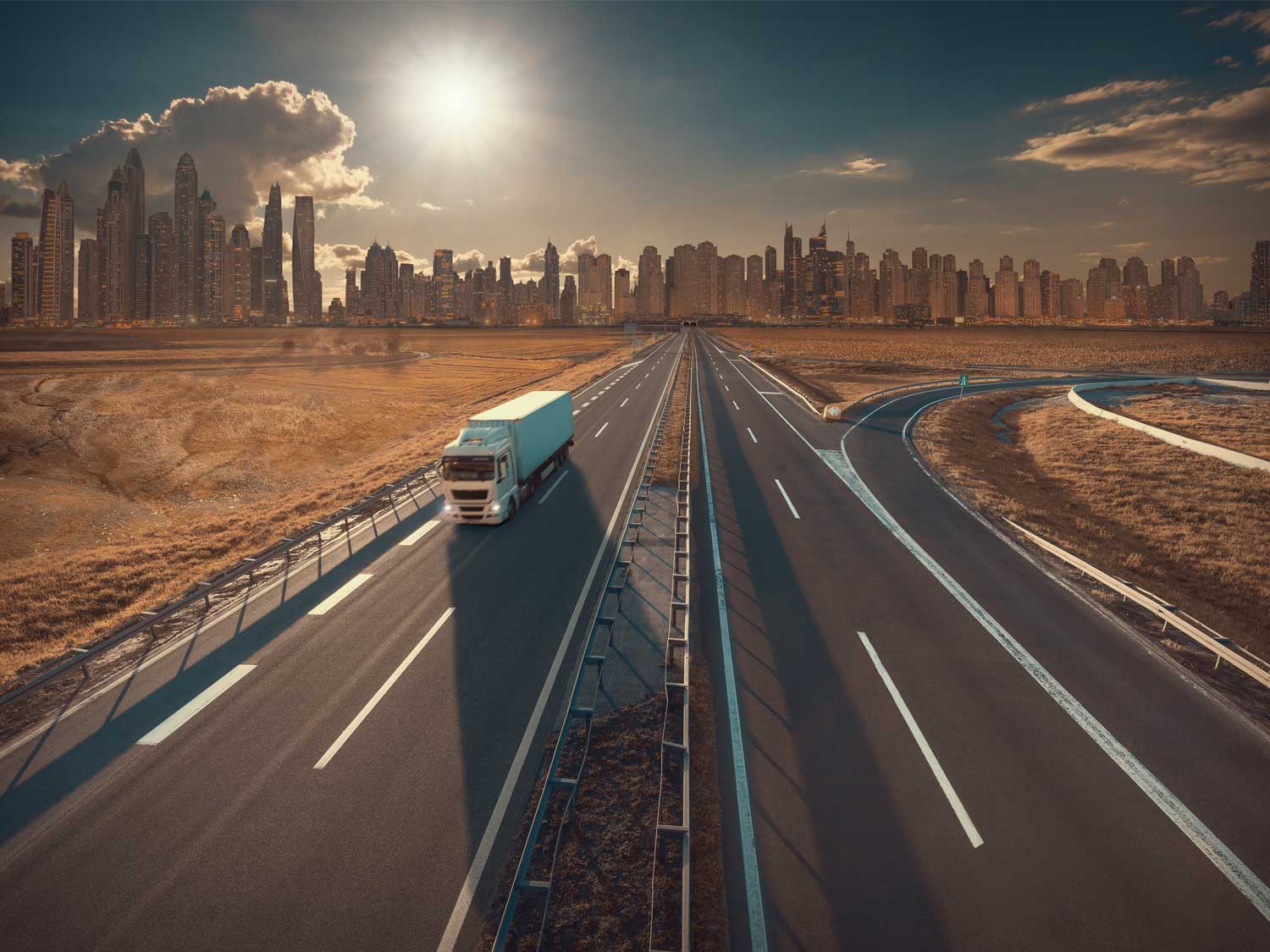
As disruption across the Middle East continues to restrict traditional air and ocean routes, shippers are increasingly turning to road and road–air solutions to maintain cargo flow.
What began as a contingency response is now becoming a core part of how supply chains are adapting to a more constrained and fragmented logistics environment.
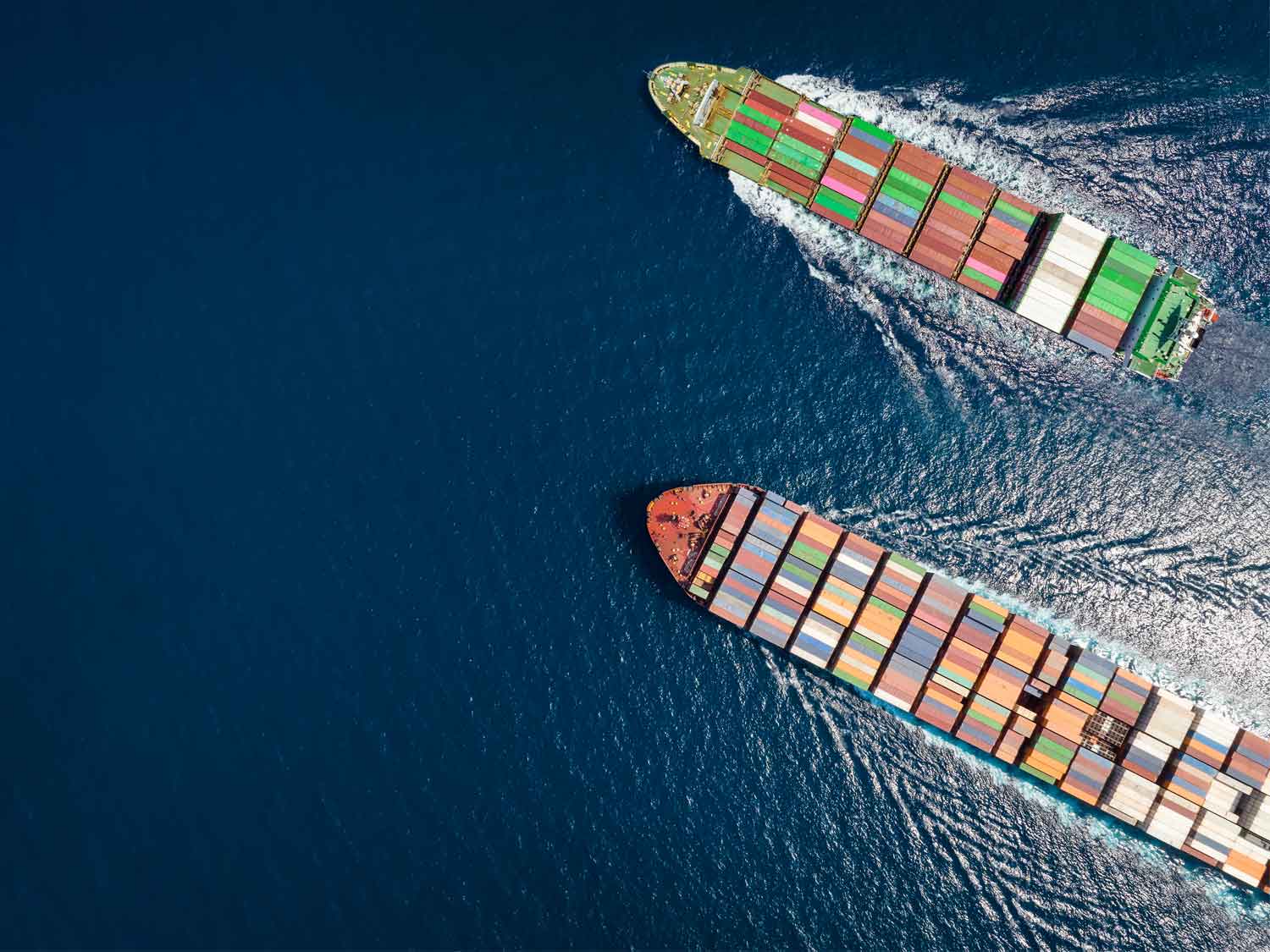
With vessel access to the Arabian Gulf severely restricted and air capacity reduced, significant volumes of cargo are being redirected onto land-based networks.
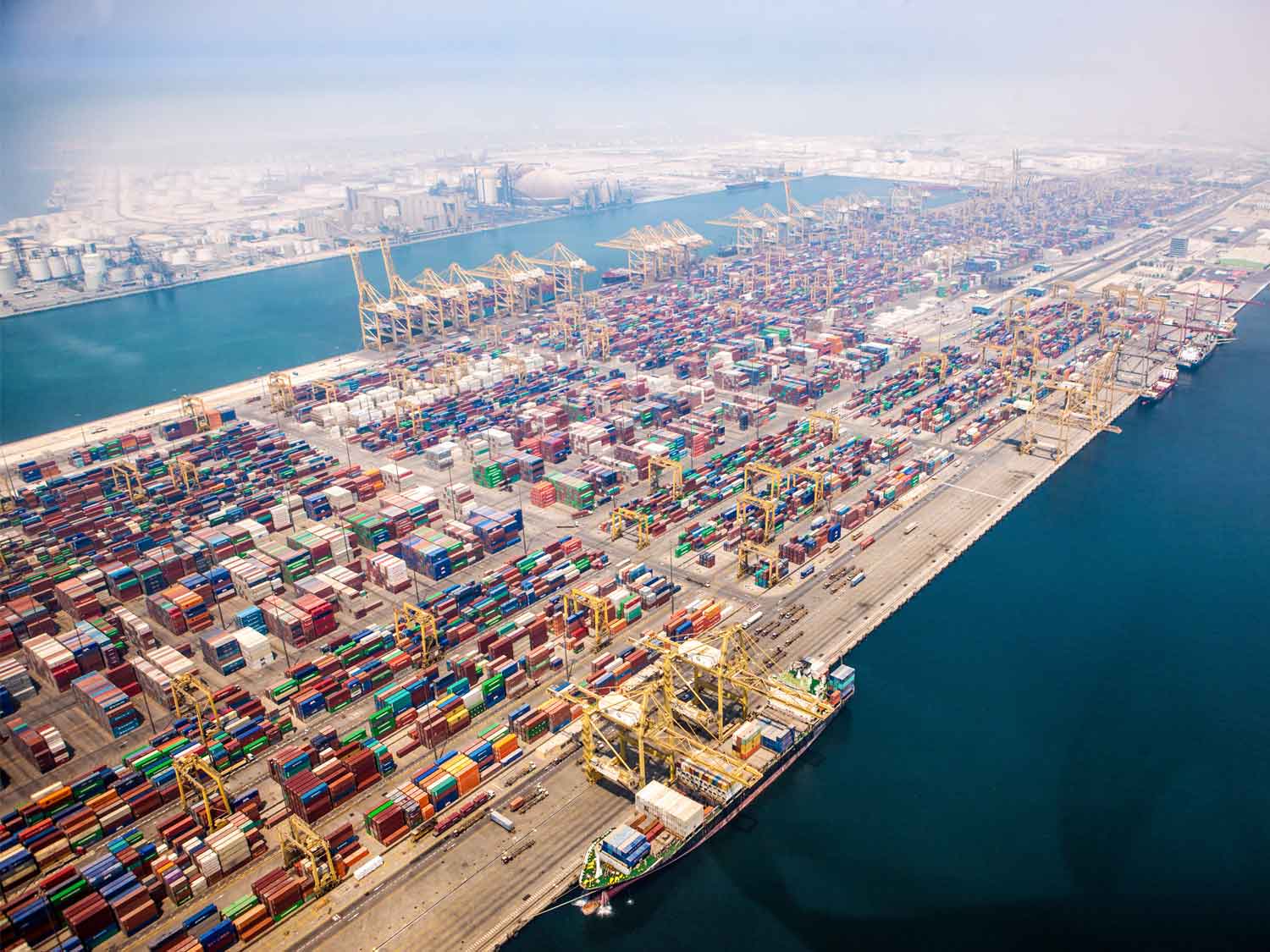
Ports such as Khor Fakkan, Fujairah, Sohar and Jeddah are now acting as key entry points, with cargo transferred onto trucks for onward delivery across the Gulf. These corridors are supporting flows into major markets including the UAE, Saudi Arabia, Qatar, Kuwait and Bahrain.
However, this shift is placing pressure on overland infrastructure that was not designed to handle such volumes. Trucking demand has risen sharply, leading to capacity shortages on key corridors across Oman, Saudi Arabia and the UAE. As a result, transit times are becoming less predictable and costs are rising in response to increased demand.
At the same time, congestion at contingency ports is extending dwell times, further increasing reliance on inland transport to maintain movement.
Road–air models offer a practical alternative to constrained air freight
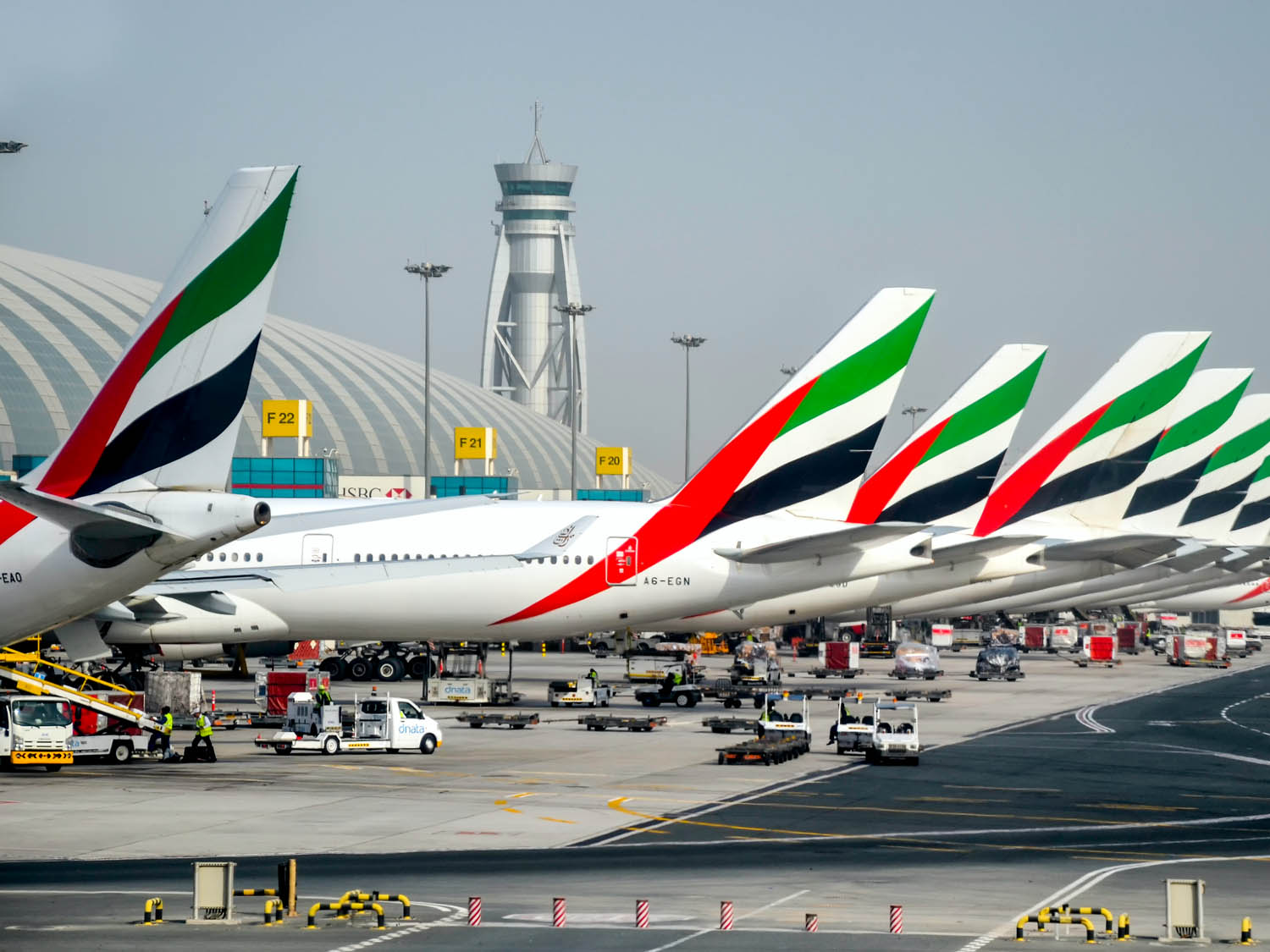
As direct air freight capacity remains limited and increasingly expensive, road–air solutions are becoming more widely used.
Cargo is being moved by road to alternative airport gateways outside the most affected areas, where it can reconnect with more stable flight schedules. This approach helps bypass disrupted hubs while maintaining faster transit times than traditional ocean freight.
The model is also being applied on longer-distance routes. In some cases, cargo is being trucked across regions before connecting with onward air services, reflecting a broader shift towards more flexible, hybrid transport solutions.
Demand for these services is increasing as shippers look to balance speed, cost and reliability in a market where traditional options are under pressure.
Operational complexity increases as networks evolve
While these solutions are keeping cargo moving, they also introduce new layers of complexity.
Border crossings, customs processes and security checks are becoming more critical to overall transit time performance. In addition, the rapid scaling of road-based solutions is creating pressure on available capacity, particularly on heavily used corridors.
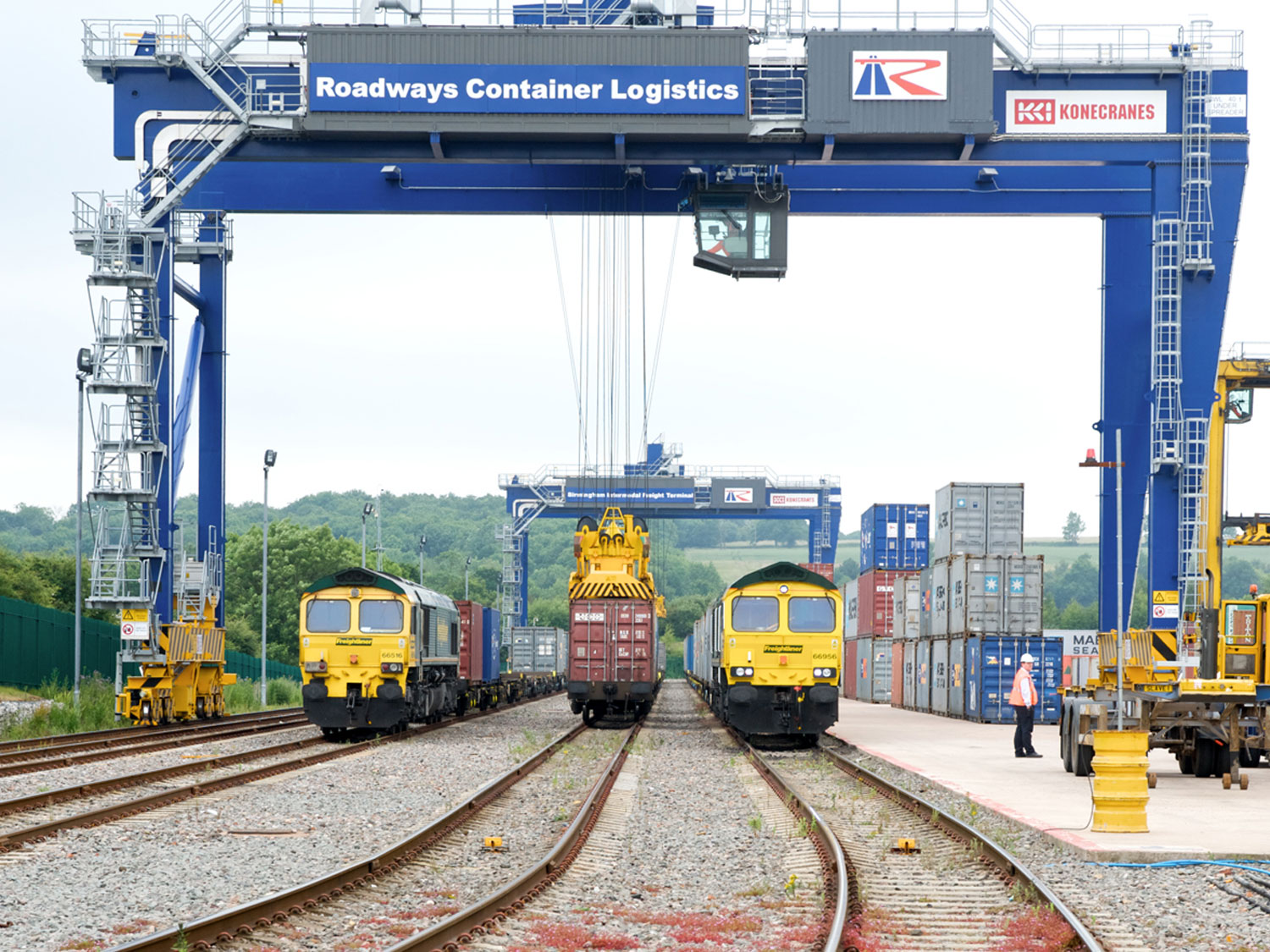
At the same time, multimodal coordination is becoming more important. Successfully combining road, air and ocean services requires close planning, real-time visibility and the ability to adapt quickly as conditions change.
This is driving greater demand for integrated logistics approaches that can manage multiple transport modes within a single, coordinated solution.
Rather than relying on fixed routes or single modes, businesses are adopting more flexible strategies that allow them to respond to disruption as it develops. This includes using alternative gateways, combining transport modes and building contingency options into their planning.
When traditional routes are under pressure, the ability to switch quickly to practical alternatives becomes critical.
Metro is actively supporting customers with road–air and direct road solutions, combining regional trucking, alternative airport gateways and multimodal coordination to keep cargo moving.
If you are facing delays, capacity constraints or rising air freight costs, EMAIL Andrew Smith, Managing Director at Metro, to discuss how road–air or direct road options could support your shipments in the current market.