Global container trade is proving remarkably resilient, but record volumes mask a more complicated picture across the major east–west trades. Congestion, blank sailings and inland constraints are increasingly determining the conditions shippers experience.
July set a new monthly record for global container shipping, with 17.3 million TEU moved worldwide. Volumes were 4.5% higher than July 2025 and are running 5.1% ahead year to date.
That underlying strength matters. Despite geopolitical disruption, changing tariffs and widespread port delays, international containerised trade continues to grow.
But demand alone does not explain current freight conditions. Carrier capacity management, severe congestion at Asian ports and pressure on destination transport networks are creating increasingly different conditions by trade lane.
East–west markets move apart
The clearest divergence is between Asia–Europe and the transpacific.
Asia–Europe spot rates have continued to soften, with Shanghai–Rotterdam falling another 2% and Shanghai–Genoa 3% in the latest weekly data. The traditional peak appears to have passed, although congestion and blank sailings are preventing a more rapid correction.
Across the Pacific, the picture is very different. Transpacific demand strengthened as the US peak season extended later than initially expected, with west coast volumes rising 9% week on week in early September and east coast volumes increasing 3%.
Rates have consequently remained firm. Shanghai–Los Angeles increased another 2% in the latest week and Shanghai–New York 1%, following larger gains the previous week.
However, demand is only part of the explanation. Carriers are becoming increasingly active in managing available space through blank sailings, vessel rotations and capacity deployment as China’s Golden Week approaches.
Across the major east–west trades, around 11% of scheduled sailings between mid-September and mid-October are currently expected to be cancelled. More than half of those cancellations are concentrated on the eastbound transpacific, with a further third affecting Asia–North Europe and Mediterranean services.
The pace of change is significant. Announced blank sailings for the four weeks leading into Golden Week jumped almost 56% in just one week, and further cancellations remain possible as carriers adjust networks around the Chinese holiday.
The overall level remains manageable, with almost nine in ten scheduled sailings still expected to operate. But the acceleration in cancellations points to a more active phase of capacity management.
For shippers, softer demand will therefore not necessarily translate directly into lower rates or easier access to space. How aggressively carriers remove capacity before Golden Week and how quickly demand returns afterwards could determine the balance between available space and pricing through October.
Congestion is moving through the network
Capacity management is only one part of the east–west picture. Four successive typhoons have left major Chinese ports working through substantial backlogs.
Between early July and late August, almost 5.8 million TEU of vessel capacity arrived more than seven days late at Chinese ports, which is around three times the level recorded before the storms.
The impact on schedule reliability has been dramatic. According to figures from Sea-Intelligence, global reliability fell over 6% in July to 56.4%, its sharpest monthly deterioration in more than five years, while late vessels were arriving an average of over six days behind schedule.
Conditions became particularly challenging on east–west services during the typhoon period. Asia–Europe on-time performance fell to around 10%, while Asia–North America dropped to 23%.
Although congestion is gradually easing, the network has yet to recover fully. The combination of existing backlogs, the pre-Golden Week export push and subsequent factory closures could prolong disruption into October, with bunched vessel arrivals then feeding through to European and North American ports.
That is particularly relevant in the US, where pressure is already building beyond the quayside.
The National Drayage Spot Market Index is 8.2% higher year on year as driver availability, equipment constraints, terminal turn times and appointment availability tighten the market.
Import containers are waiting six to seven days on average for inland transport at some locations and up to 14 days at individual terminals. Pressure has been reported around Los Angeles/Long Beach, Houston, Chicago, Memphis, Savannah and other inland gateways.
For US importers, securing ocean space is therefore only one part of the challenge. Drayage and inland capacity need to be planned earlier, particularly when disrupted schedules result in several vessels and large volumes of cargo arriving within a compressed period.
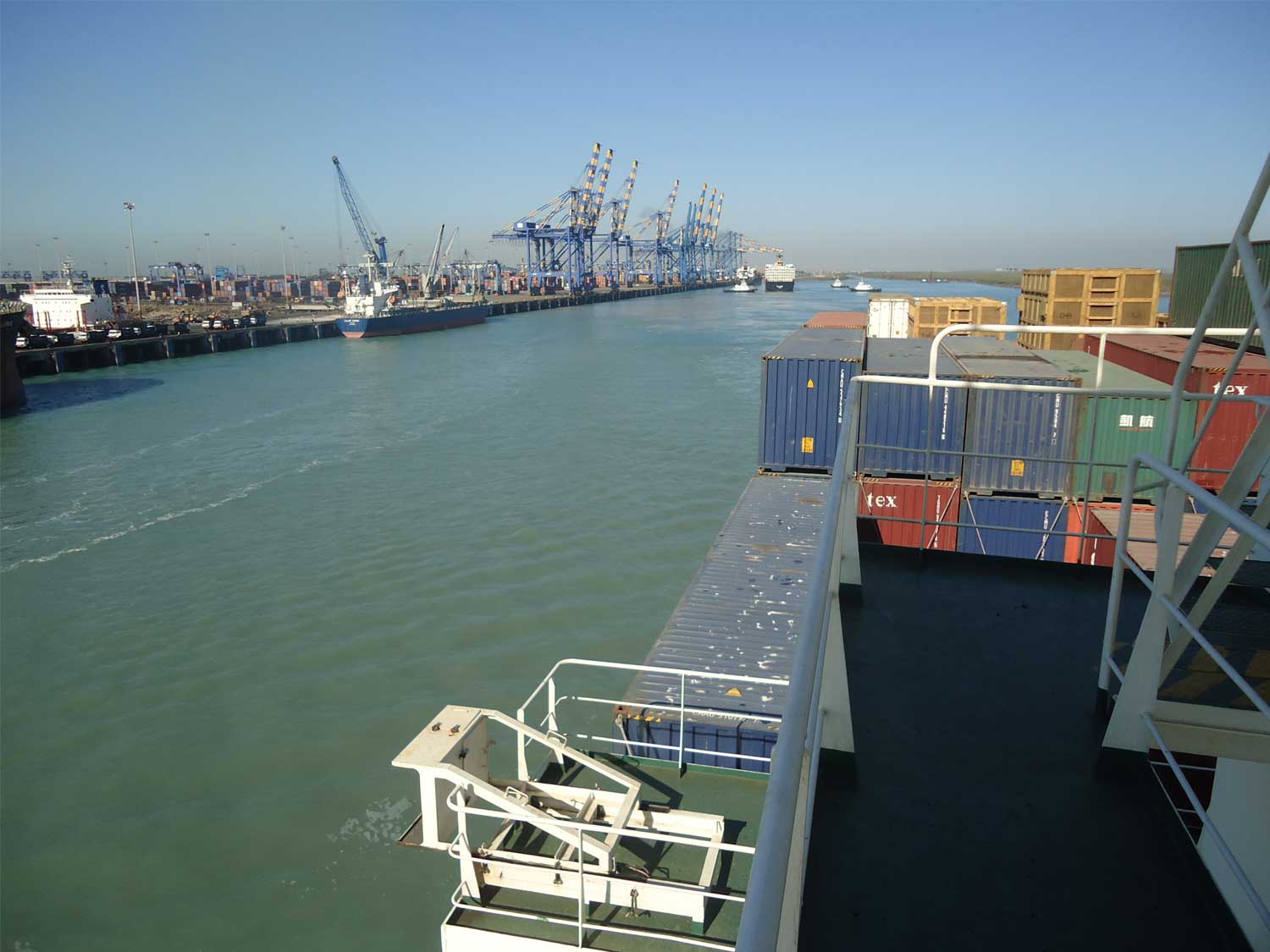
India disruption continues beyond Mundra strike
The end of the 13-day dispute affecting empty container yards at Mundra has not brought an immediate return to normal operations.
The strike officially ended on 10 September, but Metro’s team in India continues to report around 5,000 containers delayed each day, with empty container flows particularly affected.
The scale of Mundra makes those continuing delays significant. The port accounts for around 35% of India’s container trade, so disruption can quickly affect equipment availability, exports and wider regional supply chains.
The situation also highlights India’s growing importance within international sourcing strategies as businesses diversify their supply chains and increase manufacturing and procurement activity across the subcontinent.
Metro India continues to scale strategically in response. The business is expanding across seven locations, creating a stronger platform for sourcing, consolidation, origin management and exports across the Indian subcontinent.
Overall, ocean markets remains stronger and more complicated than headline rate movements suggest. Global container volumes are setting records, but where carriers deploy capacity, how quickly Asian ports clear backlogs and whether inland networks can absorb arriving cargo will shape conditions through Golden Week and into October.
We may return to examine these developing themes in more detail, as the impact of Golden Week becomes clearer.
Metro combines global ocean freight buying power with local expertise across key origin and destination markets, including our expanding operation in India and established US network. We monitor capacity, blank sailings, port conditions, equipment availability and inland constraints throughout the journey, giving customers the intelligence and routing options to act before disruption reaches their supply chain.
Image: Adapted from The port of Mundra in Gujarat by Felix Dance, via Wikimedia Commons, CC BY 2.0.