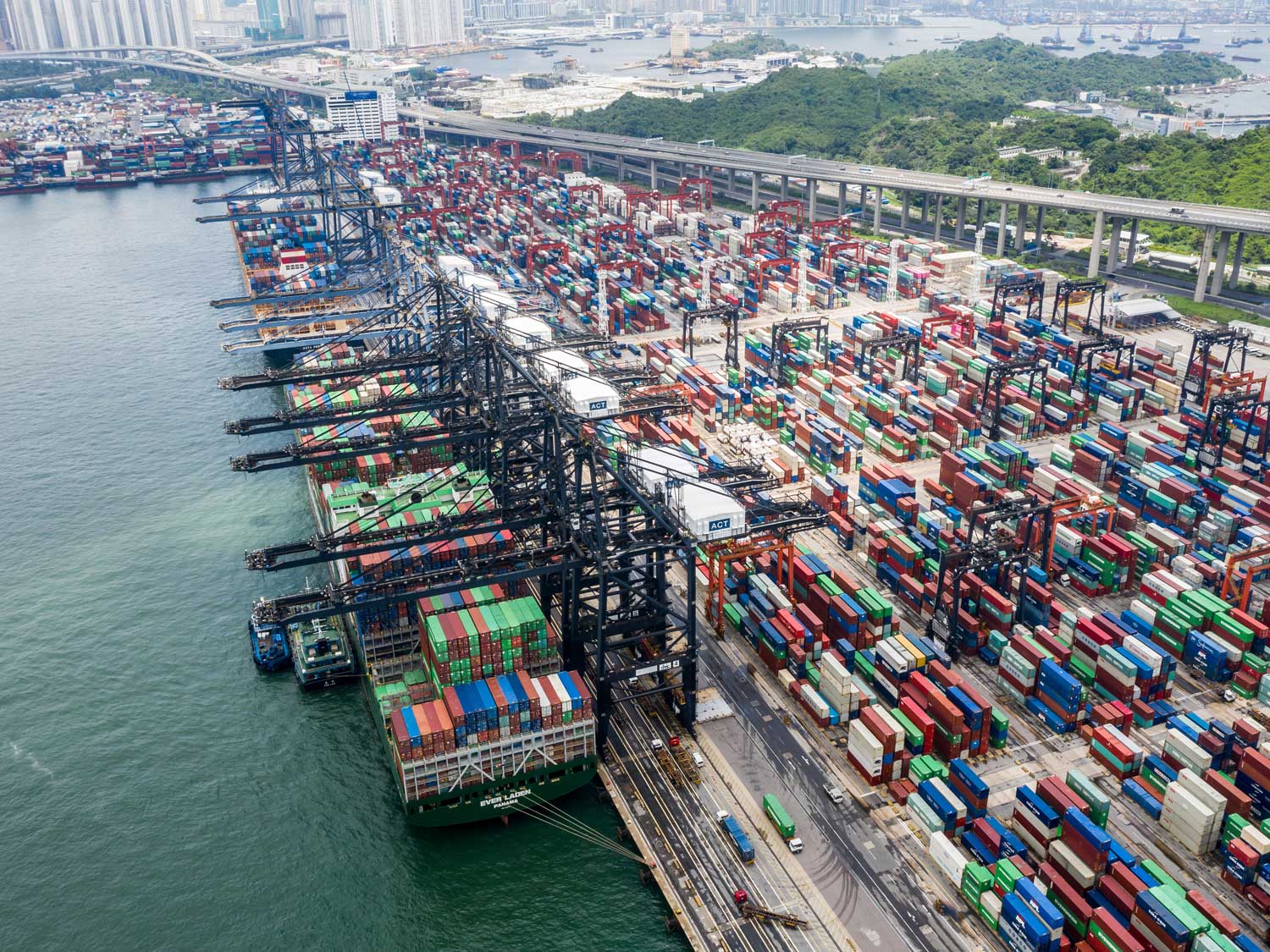
HKG port

Asian port congestion could disrupt supply chains well into 2027

Severe congestion across Asian container ports is tying up millions of TEU of capacity, driving schedule reliability to a four-year low and raising the prospect of disruption continuing well into 2027.

Repeated typhoons, strong Asian export demand and congestion spreading between ports have created disruption comparable in scale with the peak of the pandemic.

While conditions should improve as weather disruption eases, analysis of previous congestion cycles suggests clearing the accumulated vessel and container backlogs could take considerably longer.

Sea-Intelligence estimates it could take up to ten months for congestion to return to the levels recorded in June 2025, potentially leaving supply chains dealing with the consequences through the first half of next year.

Reliability falls as capacity gets trapped

The immediate impact is already visible in global shipping schedules. Schedule reliability fell another 5.9 percentage points in Sea-Intelligence's September report to 49.9%, its lowest level since September 2022 and the second consecutive significant monthly decline.

Late vessels are also getting later. Average delays increased by 0.6 days to 6.81 days, the highest since March 2022 and almost two days longer than a year earlier.

Estimates of the amount of capacity affected vary according to methodology and timing, but indicate the scale of the problem. Around 3.9m TEU is currently caught up in global port congestion, returning congestion volumes to levels last experienced in 2022.

Sea-Intelligence calculates the disruption is absorbing around 8.5% of the global containership fleet, effectively removing millions of TEU of usable vessel capacity from the market.

That helps explain why the industry's substantial influx of new vessels has yet to translate fully into available capacity. Ships waiting outside ports or arriving significantly behind schedule cannot provide the capacity their nominal deployment suggests.

Disruption spreads across Asian networks

Weather has been an important catalyst. Repeated typhoons have reduced effective port capacity at major Chinese gateways at the same time as strong export demand has increased pressure on terminals.

But congestion rarely remains confined to the port where the original disruption occurs.

Late vessels arrive together at subsequent calls, creating bunching and additional terminal pressure. Carriers may respond by omitting badly affected ports, but that can simply transfer containers and vessel calls to alternative gateways and transhipment hubs.

Some of that pressure is already shifting towards Southeast Asia and the Indian subcontinent.

The distortion can also make scheduled capacity figures misleading. Asia–North Europe deployment around Golden Week reached around 1.5m TEU over four weeks, approximately 27% higher year on year and 60% above pre-pandemic averages.

Rather than representing a straightforward increase in available space, part of that apparent capacity reflects vessels bunching as disrupted schedules overlap.

Rates reflect shrinking effective capacity

The consequences are particularly visible within Asia. Drewry's Intra-Asia Container Index has reached record territory as Golden Week demand meets restricted effective capacity. Shanghai–Laem Chabang increased 22% in its latest assessment, while Shanghai–Jakarta rose 12%.

The impact extends further afield. Asia–US rates remain close to pandemic-era records, while charter markets are also signalling exceptionally tight vessel availability.

This creates an important distinction for shippers: deployed capacity and usable capacity are not the same thing.

Even as carriers receive new vessels, congestion can absorb that additional capacity before customers see the benefit through improved availability, reliability or pricing.

The landside challenge could last longer

Port congestion also has consequences beyond vessel schedules. For individual shippers, reliability ultimately depends on when cargo actually becomes available and reaches its destination. Vessel bunching can create sudden surges in container volumes through terminals, rail connections, depots and road networks.

Those supporting networks cannot expand as quickly as vessel capacity.

Terminal, rail and road infrastructure requires long-term investment, while operators also need to maintain high asset utilisation. That leaves less spare capacity available to absorb sudden spikes following weather disruption or vessel bunching.

The result can be a second wave of delay after a vessel reaches port, particularly where terminals and inland networks are already operating close to capacity.

Chinese New Year becomes the next pressure point

The length of the potential recovery is therefore significant.

Based on recovery patterns following the pandemic and the initial Red Sea disruption, Sea-Intelligence estimates congestion could take six to eight months simply to return to conditions seen at the end of 2025, and 10 months to return to the much lower levels recorded in June 2025.

That timeline extends beyond Golden Week and potentially into the next major Asian shipping peak.

Chinese New Year falls on 6 February 2027, meaning the traditional pre-holiday cargo rush could arrive before networks have fully cleared today's disruption.

For shippers planning Q4 movements and early 2027 supply chains, advance bookings, realistic transit assumptions and flexibility around routing and gateways could therefore remain important well beyond the current congestion peak.

Keeping cargo moving when networks tighten

Metro combines established global carrier relationships with extensive origin, destination and inland capabilities, giving our teams the flexibility to respond when congestion disrupts established shipping patterns.

Through consolidation services, alternative carrier and routing options, gateway selection and coordinated inland transport, we can assess the complete movement rather than relying on a single service or routing.

With Asian congestion potentially affecting capacity and schedules well into 2027, talk to Metro about upcoming movements and the options available to protect space, maintain visibility and build greater flexibility into your supply chain.
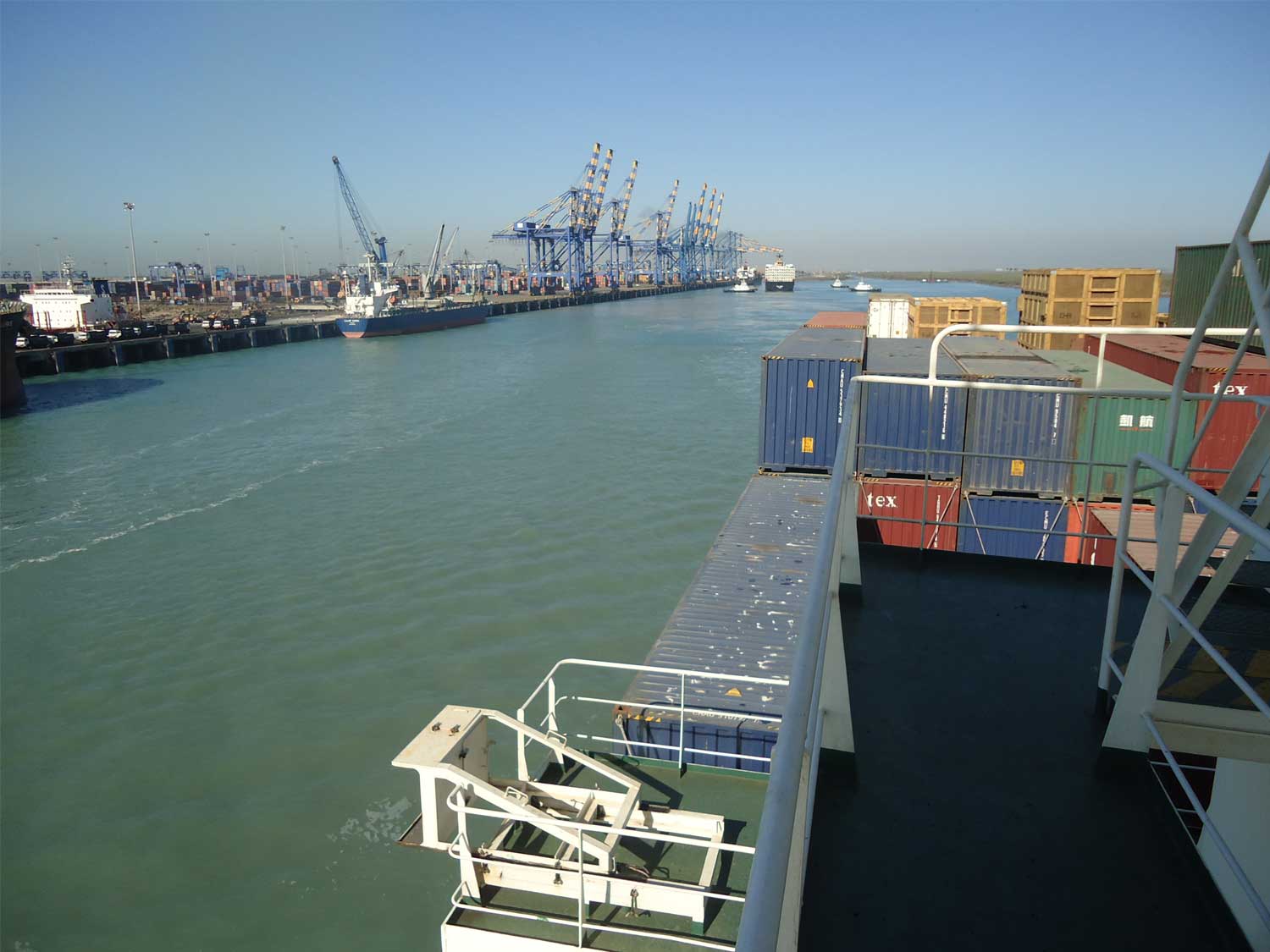
Mundra Port

Container trade stays strong as disruption reshapes east–west markets

Global container trade is proving remarkably resilient, but record volumes mask a more complicated picture across the major east–west trades. Congestion, blank sailings and inland constraints are increasingly determining the conditions shippers experience.

July set a new monthly record for global container shipping, with 17.3 million TEU moved worldwide. Volumes were 4.5% higher than July 2025 and are running 5.1% ahead year to date.

That underlying strength matters. Despite geopolitical disruption, changing tariffs and widespread port delays, international containerised trade continues to grow.

But demand alone does not explain current freight conditions. Carrier capacity management, severe congestion at Asian ports and pressure on destination transport networks are creating increasingly different conditions by trade lane.

East–west markets move apart

The clearest divergence is between Asia–Europe and the transpacific.

Asia–Europe spot rates have continued to soften, with Shanghai–Rotterdam falling another 2% and Shanghai–Genoa 3% in the latest weekly data. The traditional peak appears to have passed, although congestion and blank sailings are preventing a more rapid correction.

Across the Pacific, the picture is very different. Transpacific demand strengthened as the US peak season extended later than initially expected, with west coast volumes rising 9% week on week in early September and east coast volumes increasing 3%.

Rates have consequently remained firm. Shanghai–Los Angeles increased another 2% in the latest week and Shanghai–New York 1%, following larger gains the previous week.

However, demand is only part of the explanation. Carriers are becoming increasingly active in managing available space through blank sailings, vessel rotations and capacity deployment as China’s Golden Week approaches.

Across the major east–west trades, around 11% of scheduled sailings between mid-September and mid-October are currently expected to be cancelled. More than half of those cancellations are concentrated on the eastbound transpacific, with a further third affecting Asia–North Europe and Mediterranean services.

The pace of change is significant. Announced blank sailings for the four weeks leading into Golden Week jumped almost 56% in just one week, and further cancellations remain possible as carriers adjust networks around the Chinese holiday.

The overall level remains manageable, with almost nine in ten scheduled sailings still expected to operate. But the acceleration in cancellations points to a more active phase of capacity management.

For shippers, softer demand will therefore not necessarily translate directly into lower rates or easier access to space. How aggressively carriers remove capacity before Golden Week and how quickly demand returns afterwards could determine the balance between available space and pricing through October.

Congestion is moving through the network

Capacity management is only one part of the east–west picture. Four successive typhoons have left major Chinese ports working through substantial backlogs.

Between early July and late August, almost 5.8 million TEU of vessel capacity arrived more than seven days late at Chinese ports, which is around three times the level recorded before the storms.

The impact on schedule reliability has been dramatic. According to figures from Sea-Intelligence, global reliability fell over 6% in July to 56.4%, its sharpest monthly deterioration in more than five years, while late vessels were arriving an average of over six days behind schedule.

Conditions became particularly challenging on east–west services during the typhoon period. Asia–Europe on-time performance fell to around 10%, while Asia–North America dropped to 23%.

Although congestion is gradually easing, the network has yet to recover fully. The combination of existing backlogs, the pre-Golden Week export push and subsequent factory closures could prolong disruption into October, with bunched vessel arrivals then feeding through to European and North American ports.

That is particularly relevant in the US, where pressure is already building beyond the quayside.

The National Drayage Spot Market Index is 8.2% higher year on year as driver availability, equipment constraints, terminal turn times and appointment availability tighten the market.

Import containers are waiting six to seven days on average for inland transport at some locations and up to 14 days at individual terminals. Pressure has been reported around Los Angeles/Long Beach, Houston, Chicago, Memphis, Savannah and other inland gateways.

For US importers, securing ocean space is therefore only one part of the challenge. Drayage and inland capacity need to be planned earlier, particularly when disrupted schedules result in several vessels and large volumes of cargo arriving within a compressed period.

India disruption continues beyond Mundra strike

The end of the 13-day dispute affecting empty container yards at Mundra has not brought an immediate return to normal operations.

The strike officially ended on 10 September, but Metro’s team in India continues to report around 5,000 containers delayed each day, with empty container flows particularly affected.

The scale of Mundra makes those continuing delays significant. The port accounts for around 35% of India’s container trade, so disruption can quickly affect equipment availability, exports and wider regional supply chains.

The situation also highlights India’s growing importance within international sourcing strategies as businesses diversify their supply chains and increase manufacturing and procurement activity across the subcontinent.

Metro India continues to scale strategically in response. The business is expanding across seven locations, creating a stronger platform for sourcing, consolidation, origin management and exports across the Indian subcontinent.

Overall, ocean markets remains stronger and more complicated than headline rate movements suggest. Global container volumes are setting records, but where carriers deploy capacity, how quickly Asian ports clear backlogs and whether inland networks can absorb arriving cargo will shape conditions through Golden Week and into October.

We may return to examine these developing themes in more detail, as the impact of Golden Week becomes clearer.

Metro combines global ocean freight buying power with local expertise across key origin and destination markets, including our expanding operation in India and established US network. We monitor capacity, blank sailings, port conditions, equipment availability and inland constraints throughout the journey, giving customers the intelligence and routing options to act before disruption reaches their supply chain.

Image: Adapted from The port of Mundra in Gujarat by Felix Dance, via Wikimedia Commons, CC BY 2.0.

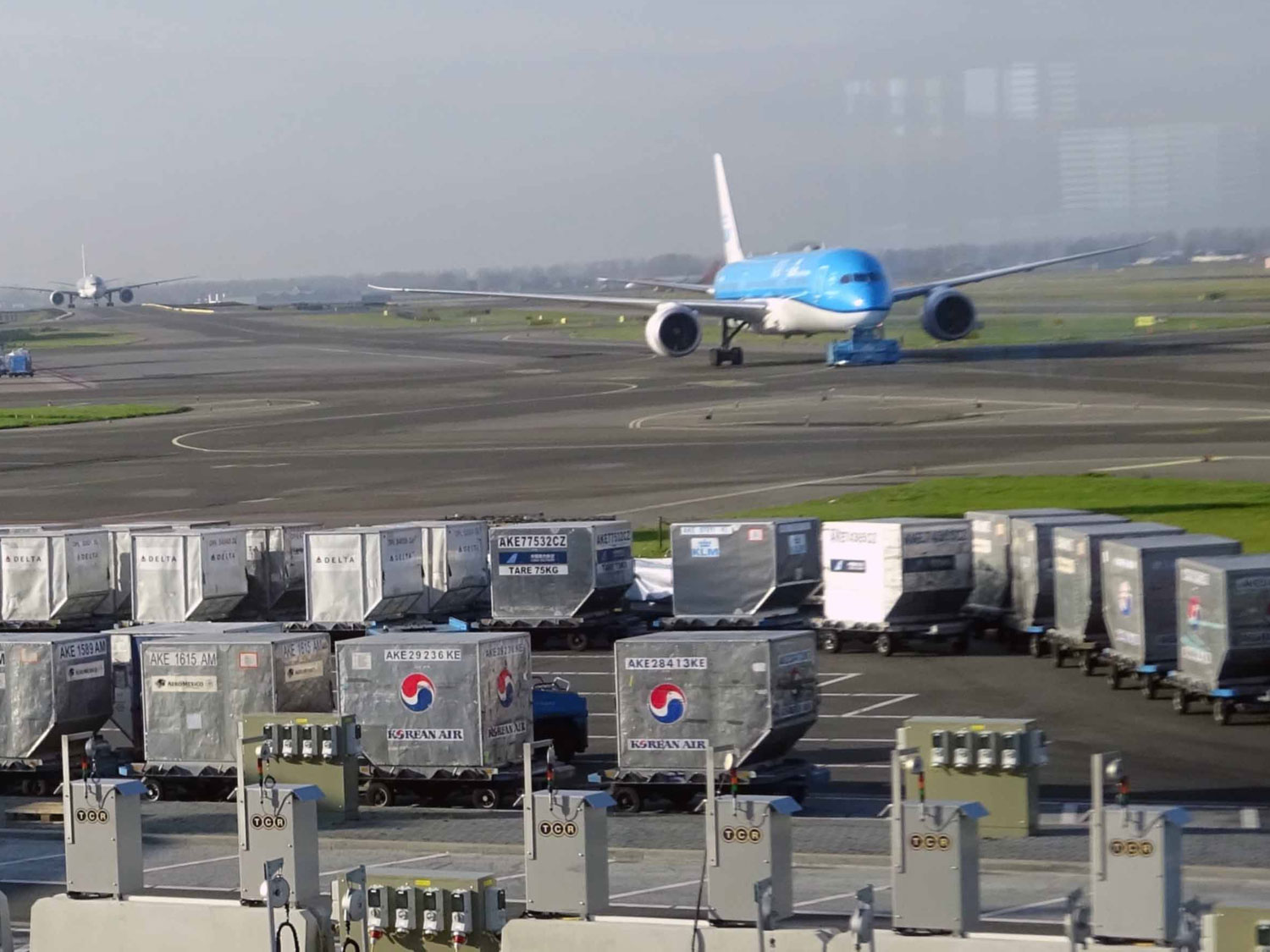
ULD on tarmac

Air freight market tightens ahead of autumn peak

Air freight enters the traditional peak-season build-up with a finely balanced market, as capacity reductions and resilient pricing create the potential for rapid tightening when Asian export demand accelerates.

The usual late-September surge may still be several weeks away, but UK importers have good reason to start planning now.

Asia–Europe demand softened during August, yet rates have shown little corresponding weakness. Airlines and freighter operators are adjusting capacity as cargo flows change, while higher fuel costs and stronger demand on alternative trade lanes are providing additional support.

That leaves limited spare capacity to absorb the traditional autumn increase – particularly if ocean freight disruption pushes urgent shipments towards air.

Softer demand is not delivering cheaper capacity

Asia Pacific–Europe chargeable weight fell 5% week on week and 14% year on year in week 33, continuing the softer trend evident since late June.

Changing e-commerce flows have contributed to the decline. China–Europe volumes were 8% lower year on year in week 32, while Hong Kong–Europe traffic fell 29%.

Despite that weakness, Asia Pacific–Europe spot rates remained flat in week 33 after rising 1% the previous week. China was particularly resilient, recording a 6% increase despite lower volumes.

The explanation lies partly on the supply side. Asia Pacific capacity contracted 2% in week 33 after declining 1% the previous week, limiting the downward pressure on rates.

Freighter deployment may tighten the market further. Stronger transpacific demand provides operators with an incentive to allocate aircraft towards the US, potentially reducing the capacity available for European cargo as peak season approaches.

China shows how quickly conditions can change

Recent disruption around Shanghai illustrates the vulnerability of available capacity.

Typhoon Dolphin caused more than 1,000 flight cancellations and contributed to an 8% weekly reduction in chargeable weight from Shanghai, while Shanghai–Europe volumes fell 7%.

The immediate disruption has eased, but severe weather and congestion across Chinese ocean gateways remain relevant to the air freight outlook. When container schedules become unreliable, urgent and time-sensitive cargo can quickly switch from ocean to air.

Even a relatively small modal shift can have a disproportionate effect on air freight capacity and pricing.

Golden Week could mark the turning point

The next significant test comes around China's Golden Week.

Factories traditionally accelerate production before the holiday, followed by another increase as operations resume and backlogs clear. October also brings the start of the main pre-Christmas replenishment cycle.

Demand then typically intensifies through November as retailers and e-commerce businesses prepare for Black Friday, Cyber Monday and Christmas.

This year, however, the market enters that period with capacity already responding closely to demand. That could make the transition from today's relatively balanced conditions to a tighter market particularly rapid.

Fuel costs, severe weather, changing freighter deployment and disruption to ocean services provide additional variables.

The opportunity is before the peak

For shippers, softer August volumes could offer a useful planning window rather than a reason to wait for lower rates.

Businesses with visibility of their autumn requirements can secure allocations earlier, consider alternative origins and gateways, and decide which shipments genuinely require premium air services.

Booking ahead of cargo-ready dates will become increasingly important as demand builds, particularly from China and other major Asian export markets. Flexible routing can also provide valuable alternatives when individual gateways or direct services tighten.

The key consideration is not simply today's air freight rate, but the availability of the right capacity when cargo needs to move.

Metro combines extensive Asian origin coverage with global airline relationships, flexible routing and multiple service levels to keep UK supply chains moving when peak-season capacity tightens. 

Share your autumn forecasts with Metro now and we can secure the capacity, routing and service strategy your cargo needs before the peak takes hold.

EMAIL Andrew Smith, Metro’s Managing Director.

Rotterdam sunset

Port congestion spreads as delays ripple through global supply chains

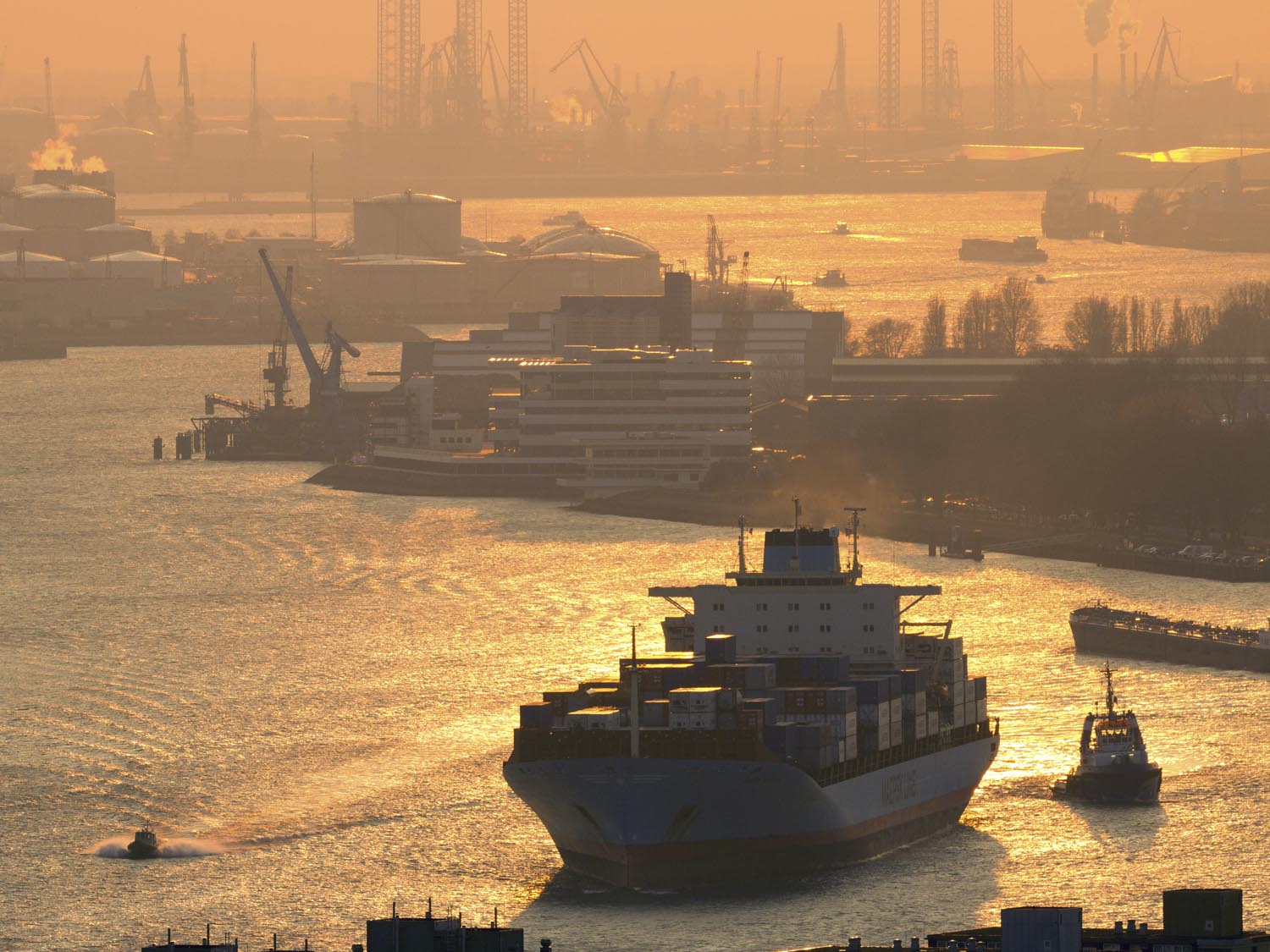
Port congestion in North Europe and East Asia is increasingly a two-ended problem: weather and capacity issues at origin delay departures, and when those same vessels finally reach port in Europe, they miss their planned berths and are forced to wait again, magnifying disruption throughout supply chains.

Congestion across key container gateways in Asia and Northern Europe is once again creating significant disruption with delays at Shanghai, Ningbo, Rotterdam and Antwerp increasingly feeding into one another and extending transit uncertainty across the entire east-west trade.

While individual delays at a single port are not unusual during peak season, the current challenge is the growing “cascade effect” developing across vessel schedules, inland transport networks and terminal operations.

In simple terms, disruption at one end of the trade lane is now directly increasing congestion at the other.

Weather disruption and vessel bunching hit China exports

Shanghai and Ningbo are both experiencing elevated congestion levels as heavy seasonal demand combines with poor weather, vessel bunching and continued schedule disruption linked to longer Cape routings.

Dense fog and adverse weather conditions around China’s east coast have already caused berth delays ranging from two to seven days at some Shanghai terminals, while Ningbo is also experiencing extended waiting times and increasing yard density pressure.

The knock-on effect quickly spreads through carrier schedules.

When vessels are delayed departing China, they frequently miss planned arrival windows into Northern Europe. Once that happens, carriers can lose their allocated berth slots, forcing vessels to wait offshore for new availability.

That creates a compounding cycle where both origin and destination ports become congested simultaneously.

Container equipment shortages are also worsening across major Asian export hubs as carriers struggle to reposition empty containers back into loading ports quickly enough to meet demand.

Rotterdam and Antwerp under mounting pressure

Northern Europe’s largest container hubs are now facing growing operational strain as delayed vessel arrivals collide with already congested inland transport networks.

Rotterdam and Antwerp are both reporting severe inland barge disruption, with waiting times regularly stretching towards four days. Yard utilisation remains extremely high across several terminals, while reduced crane availability, feeder delays and weather-related stoppages continue limiting operational fluidity.

Strong winds across Northern Europe have added further intermittent disruption, particularly at Antwerp, where terminals are struggling with vessel bunching and rising container dwell times.

The challenge extends far beyond the quayside.

As terminals prioritise delayed deep-sea vessels, inland barges often face secondary status within the operational flow, creating additional delays for hinterland cargo movement. In some cases, containers are remaining on terminals significantly longer than operationally ideal, increasing storage pressure and reducing yard efficiency.

Road and rail networks are also coming under increasing pressure as shippers divert cargo away from delayed barge services to avoid demurrage, detention and missed supply chain deadlines.

Inland transport disruption adds to the congestion cycle

The wider Northern European inland network is also becoming increasingly fragile.

Rail disruption across Germany, including infrastructure works, route closures and operational bottlenecks around Hamburg, is further complicating cargo flows into and out of the ports. Delayed trains, missed vessel connections and network overload are creating additional uncertainty for importers trying to maintain reliable inventory flows during an already volatile peak season environment.

This means delays are no longer isolated to one transport mode.

A weather delay in China can now create missed vessel berthing windows in Europe, which then impacts inland barges, rail schedules, feeder services and final cargo delivery timelines across multiple countries.

What this means for shippers

The current market reinforces how interconnected global container networks have become.

Longer transit times around the Cape of Good Hope have already reduced schedule reliability, while peak season demand and equipment shortages are tightening operational flexibility across both Asia and Europe.

For shippers, this creates growing importance around earlier booking windows, flexible inland transport planning and close coordination across origin, ocean and destination operations.

Importers moving time-sensitive cargo may increasingly need contingency planning around rail, road and barge options as congestion conditions continue evolving across Northern Europe during the summer peak period.

Metro combines global ocean freight expertise, proactive shipment management and integrated inland transport coordination to help customers minimise disruption and maintain cargo flow during volatile market conditions.

To discuss your supply chain planning, routing options or congestion mitigation strategies, EMAIL Managing Director Andrew Smith.