
Sustainability
Action to protect the environment is far stronger than any words, which is why we are carbon neutral and lead the way with emissions measurement and CO2 offset and avoidance.

YEARS CARBON
NEUTRAL

K
SHIPMENTS
MONITORED

M
CO2 TONS
MEASURED

Sustainable supply chains
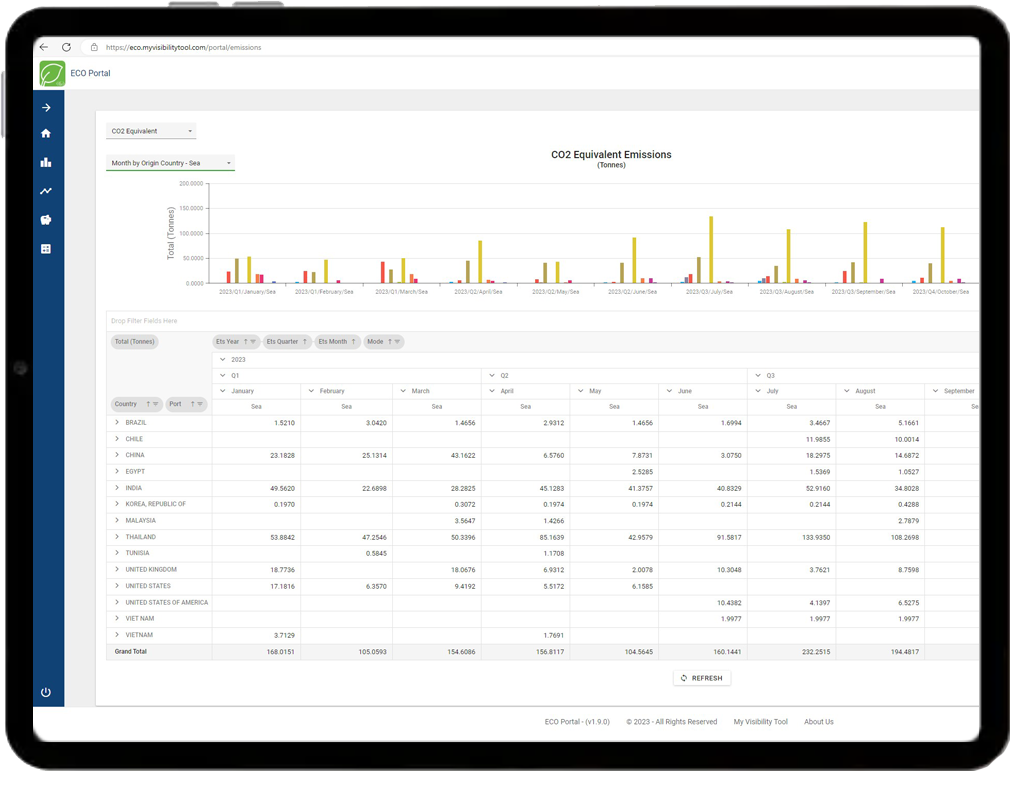
The highest environmental standards are expected and it is now critical that businesses can account for their actions. With MVT ECO shippers can forecast, measure, avoid or offset global supply chain emissions for every shipment, by every transport mode, end-to-end.
- N Accredited emission measurements
- N All modes of transport and shipment legs
- N Emissions footprint statements
- N Latest environmental technology deployed
Positive action
- N Environmental audit
- N ISO 14001 Accredited
- N Proactive carbon reduction
Driving change
- N Member of various sustainability policy groups
- N Established offsetting programmes
- N First UK forwarder to sign up to SAF
MVT ECO
- N 100+ active users
- N Greenhouse gas emissions monitored
- N Pre-shipment emissions calculator
Learn more

Sustainability News & Insights
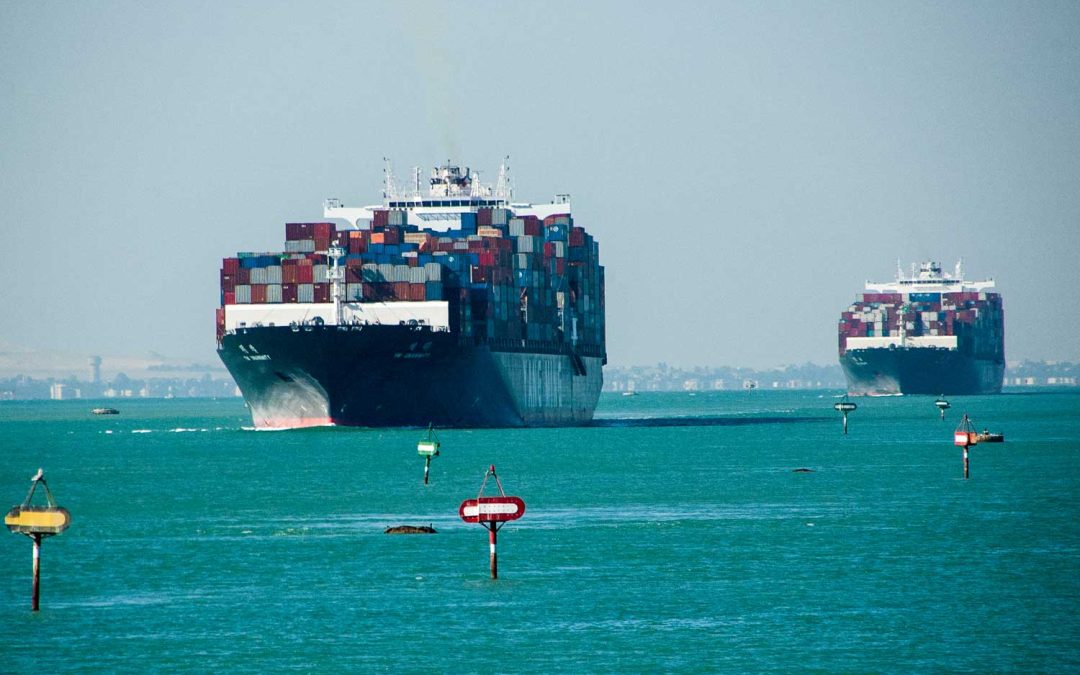
Suez returns as Middle East shipping risks intensify
Container lines are restoring services through the Red Sea and Suez Canal, promising shorter Asia–Europe transits and more effective capacity. But the security picture around the Middle East’s critical shipping chokepoints is becoming more complicated, not less. More Asia–Europe services…
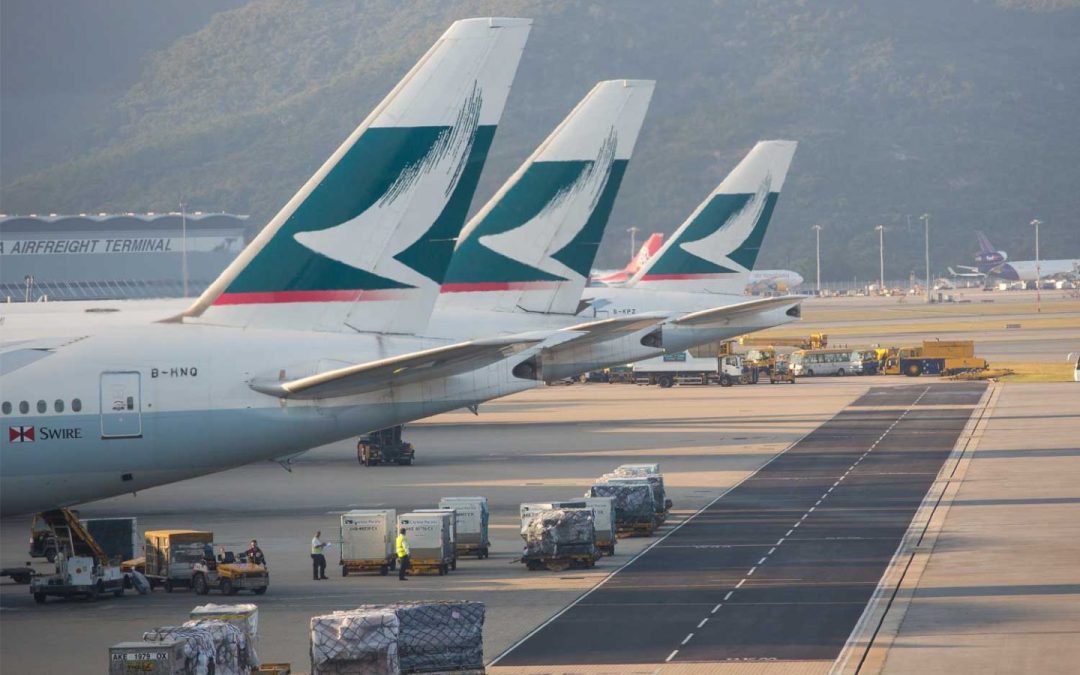
Asia air freight enters autumn with momentum intact
Air cargo’s traditional summer slowdown has failed to significantly loosen the market, with resilient demand, constrained capacity and renewed growth on key ex-Asia lanes keeping pressure on space and pricing as autumn begins. Global air cargo volumes were 6% higher…

Road freight resilience starts before the truck arrives
UK haulage is entering a period in which access to the right vehicle, route and transport option could become increasingly important. For shippers, that makes planning and flexibility just as important as the rate agreed for an individual movement. More…

EU supply-chain rules may be easing but shipper expectations are changing
The EU is reducing some sustainability and due-diligence obligations, but that does not necessarily mean businesses will need less supply-chain information. For shippers, the capabilities of their logistics partners could become increasingly important. For years, businesses have been preparing for…
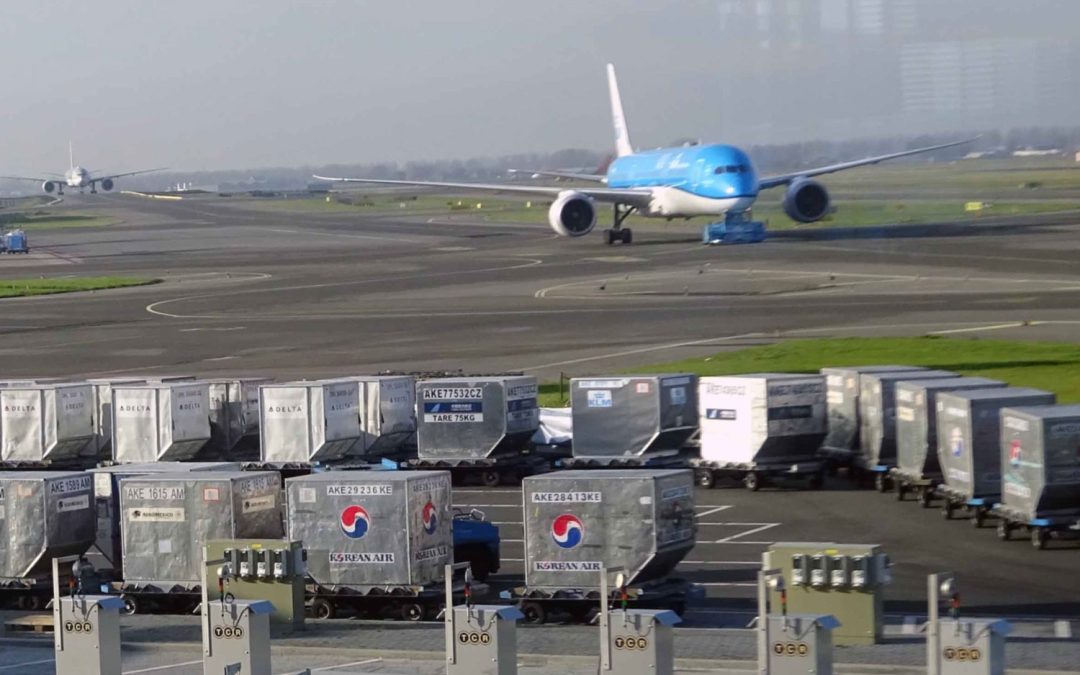
Air freight market tightens ahead of autumn peak
Air freight enters the traditional peak-season build-up with a finely balanced market, as capacity reductions and resilient pricing create the potential for rapid tightening when Asian export demand accelerates. The usual late-September surge may still be several weeks away, but…

India’s sourcing growth creates pressure at both ends of the supply chain
UK businesses sourcing from India face rising logistics costs before and after production, as more expensive Asian imports combine with tight westbound capacity and strong India–Europe demand. India continues to strengthen its position as a manufacturing and sourcing alternative for…
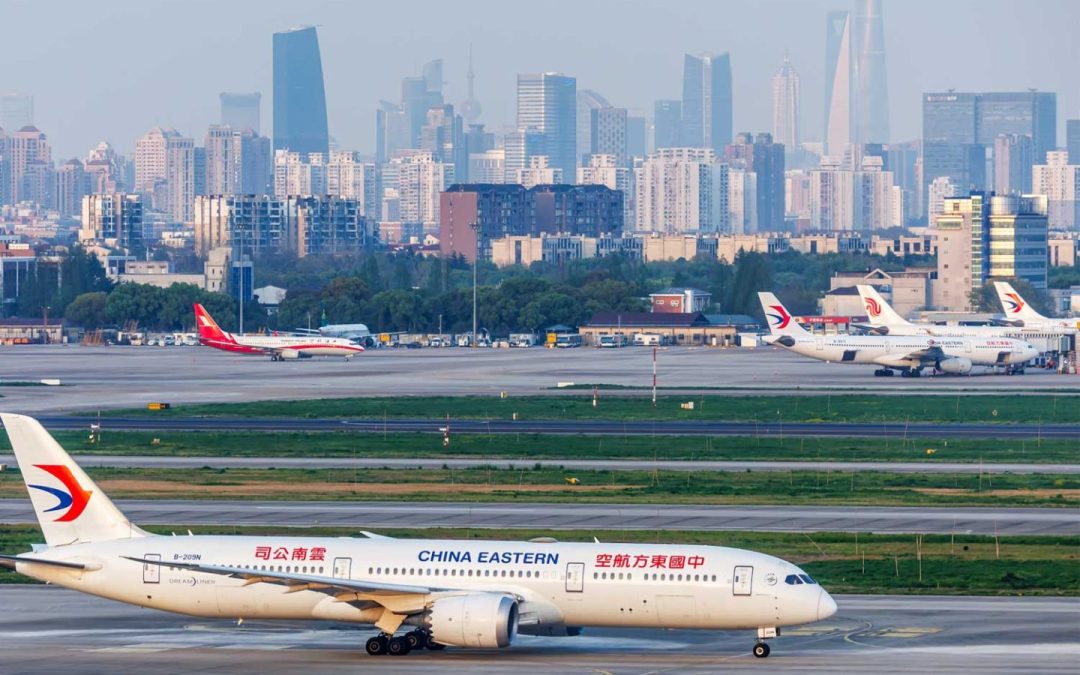
Regional airfreight demand and capacity diverge
The global airfreight market is becoming increasingly difficult to predict through headline averages. While worldwide volumes remain above last year’s levels, conditions are diverging sharply between individual origins and trade lanes as de-minimis regulation, technology demand, weather disruption and capacity…
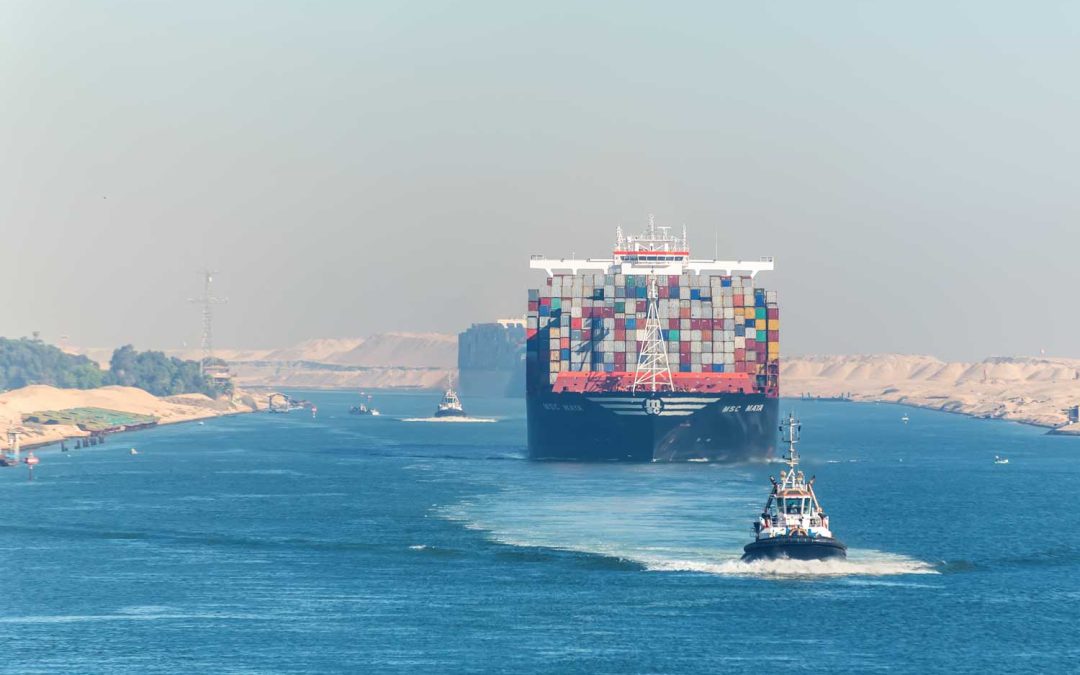
Red Sea return gathers pace, but risks remain
Container shipping through the Red Sea and Suez Canal is gradually increasing as major carriers test a return to the shorter Asia–Europe route, potentially signalling an important change for global supply chains. But this is far from a return to…

US tariff uncertainty is becoming a permanent supply chain challenge
US importers face another period of significant trade policy change as the Trump administration expands its use of tariffs across countries, commodities and industries. The immediate challenge is understanding which measures apply and how they interact. The wider issue is…

Peak season survey reveals cautious confidence as demand strengthens
Metro’s Q3/26 Peak Season Survey suggests businesses are entering the second half of the year with growing confidence, despite ongoing uncertainty across global supply chains. While current shipping volumes remain mixed, the outlook for the next three months is positive….

Climate is becoming one of the biggest supply chain risks
For years, weather disruption was largely viewed as an operational inconvenience. A storm might delay a vessel, flooding could close a road for a day or two, or high winds might temporarily suspend port operations. That is no longer the…

Employee engagement reaches record levels across Metro
Metro’s latest employee engagement survey has delivered our strongest results yet, with colleagues reporting significant improvements across every key area measured. With a 74% response rate across our UK, India and US operations, the survey provides a valuable snapshot of…

Sterling strengthens against the US dollar; what it means for importers and exporters
The pound has been strengthening against the US dollar, improving sterling buying power for many UK businesses purchasing goods and services priced in dollars. For importers, that’s welcome news. A stronger pound can reduce the sterling cost of overseas purchases,…
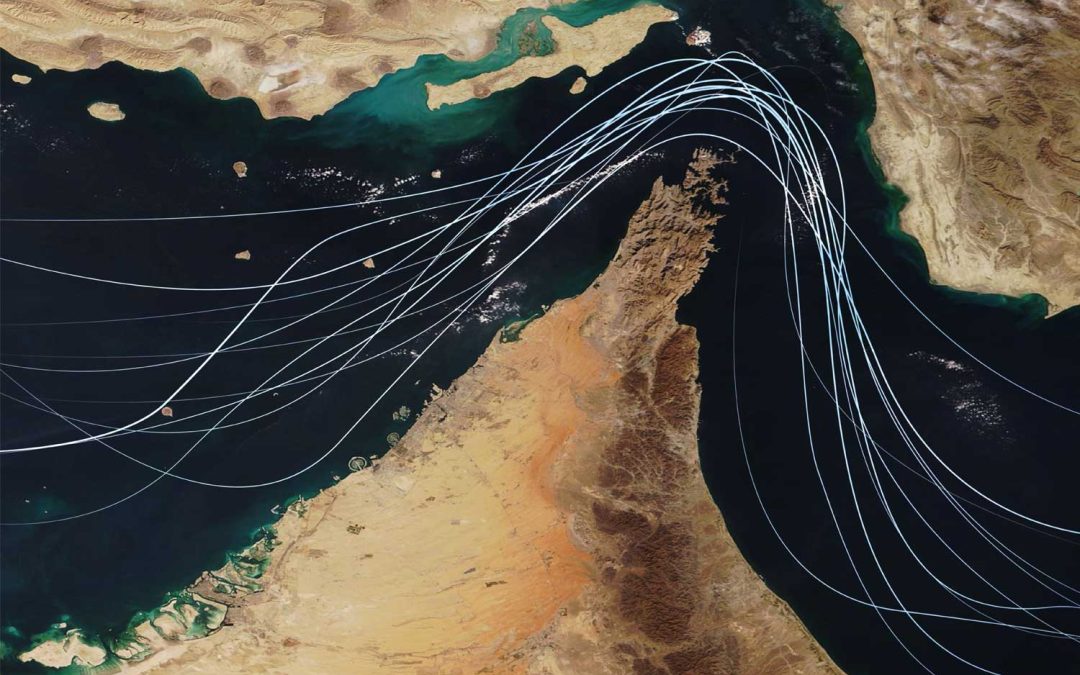
Middle East conflict is reshaping global shipping once again
Commercial shipping in the Strait of Hormuz and Red Sea is facing renewed disruption with 14 Iranian attacks on vessels since June 25th, the breakdown of the US-Iran ceasefire and a Houthi threat to target Saudi-linked shipping in the Bab…

US customs enforcement is tightening
Importing into the United States is becoming significantly more complex as federal agencies introduce new compliance requirements that place greater responsibility on importers to prove the accuracy, legitimacy and traceability of every shipment. President Trump’s Executive Order on ‘Strengthening Customs…

Air freight markets under pressure as capacity struggles to recover
Global air freight markets continue to outperform expectations, but the balance between supply and demand remains fragile. What began as a short-term disruption following renewed conflict in the Middle East has evolved into a more structural capacity challenge, keeping rates…

UK trade deals open new opportunities
The UK’s trade agenda continues to gather momentum, creating new opportunities for businesses trading internationally, while reshaping the way they access global markets. The most recent agreements with major trading partners across Asia-Pacific, the Gulf, North America and Europe have…
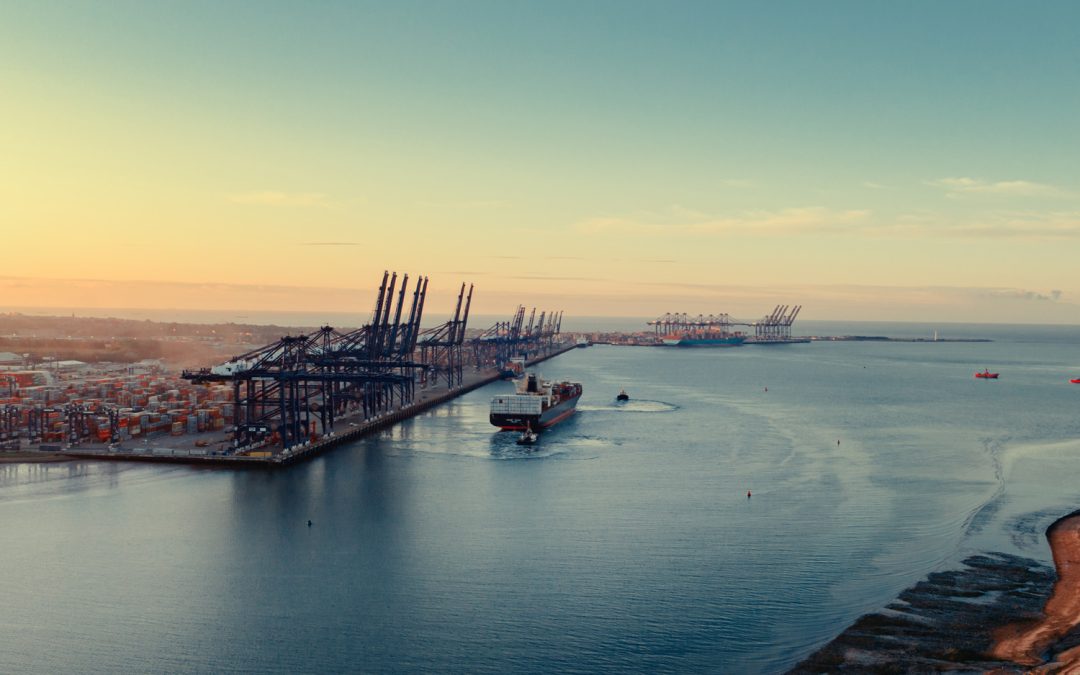
Strong demand and constrained capacity are reshaping container shipping
For much of the recent past, freight markets have lurched from one disruption to another. Pandemic recovery, conflict in the Red Sea, tariff uncertainty and conflict in the Middle East have each triggered periods of higher freight rates before conditions…
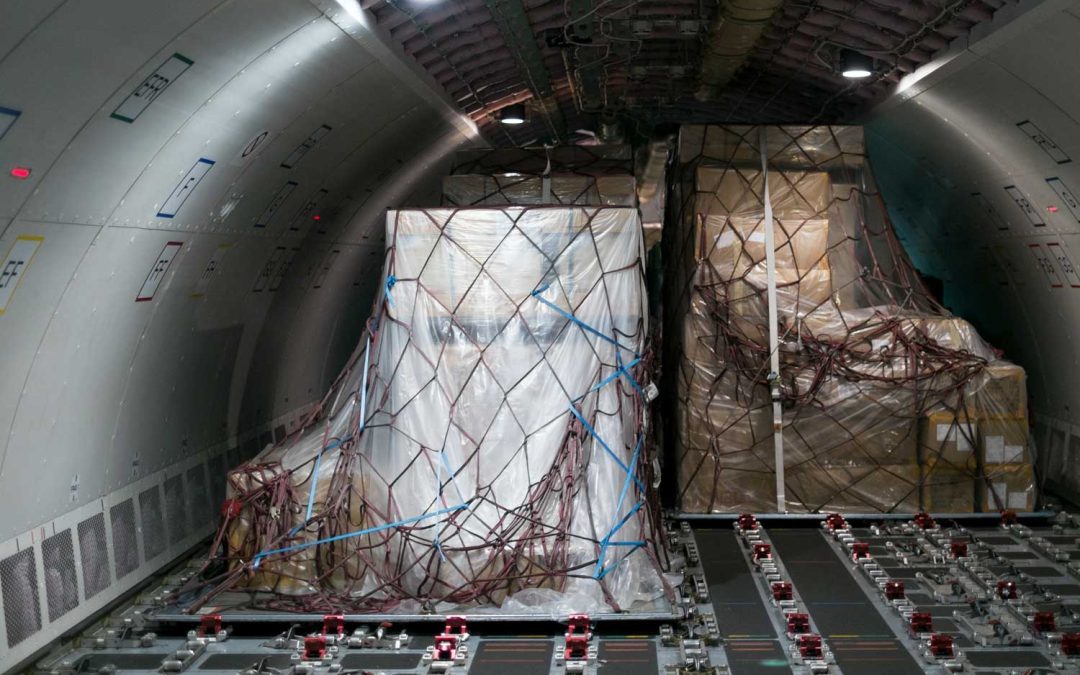
IATA’s new air waybill rules shifts risk where it doesn’t belong
On 1 July, the revised International Air Transport Association (IATA) Direct Air Waybill (DAWB) framework came into force, fundamentally changing the contractual relationship between airlines and freight forwarders. IATA’s revised DAWB framework has prompted an unusually strong reaction from freight…

Global port congestion is worse than expected
Container shipping is once again under pressure from widespread port congestion, but headline delay figures are only telling part of the story. Across major global hubs, vessel queues are building, schedules are slipping, and reliability is deteriorating. Yet at the…

Early peak season continues to support higher ocean rates
Peak season arrived earlier than expected this year, but it shows little sign of easing. Ocean freight rates from Asia to Europe continue to climb as strong demand, disciplined capacity management and lingering geopolitical uncertainty combine to keep pressure on…