strike-signs

US ports avoid crisis with tentative ILA/USMX agreement

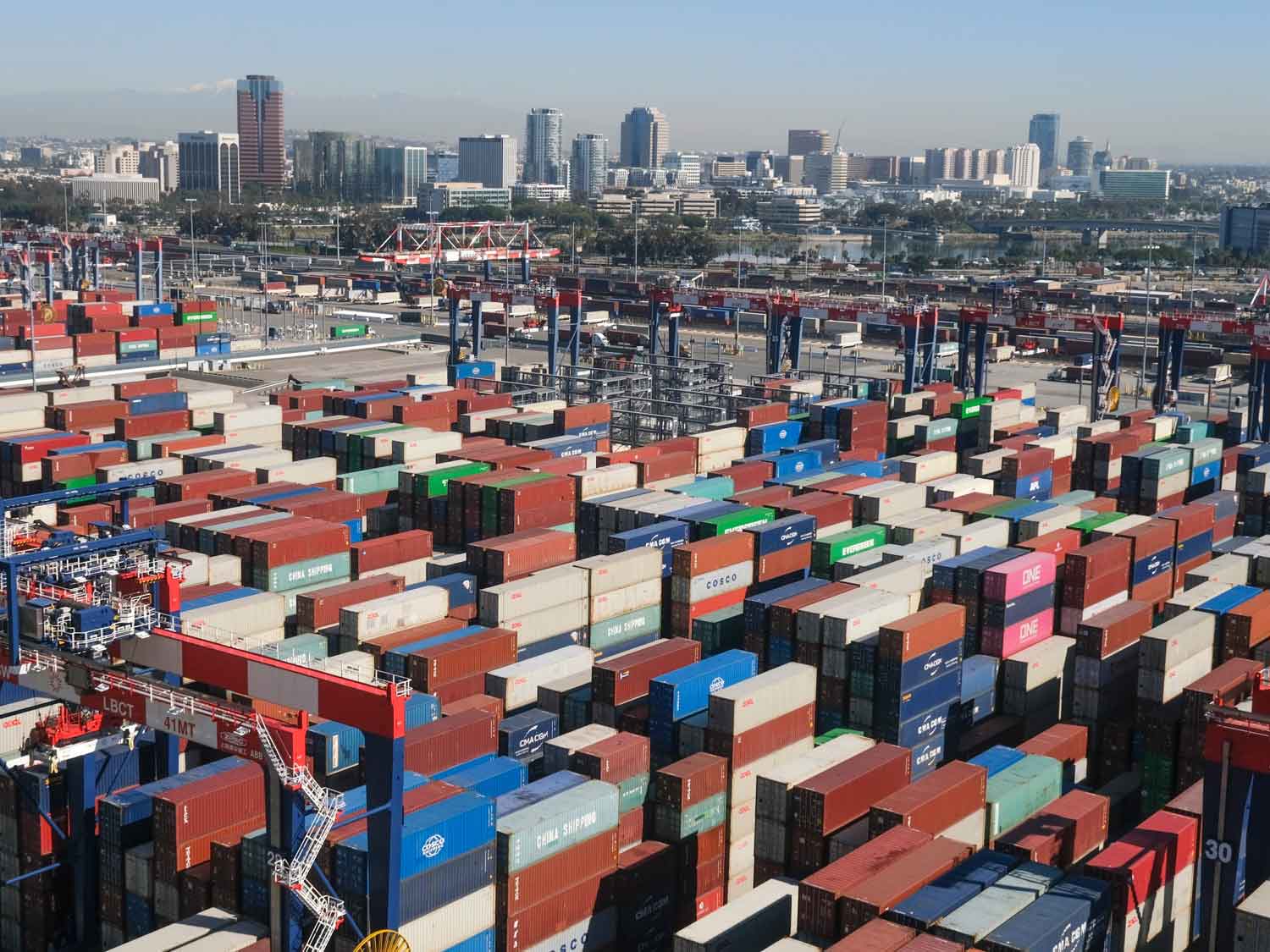
A potentially crippling strike across East and Gulf Coast ports, set to begin on 16th January 2025, has been averted with the announcement of a tentative six-year master contract agreement between the International Longshoremen’s Association (ILA) and the United States Maritime Alliance (USMX) on 8th January.

However, the agreement is not yet a done deal. It must be ratified by the ILA’s local wage-scale committees, leaving supply chains vulnerable to ongoing uncertainty that could stretch into the summer of 2025.

The roots of the dispute go back to October 2024, when dockworkers staged a three-day strike over issues of wages and automation. While the strike ended with an agreement on wage increases and a temporary extension of the existing contract, tensions simmered over automation, which the ILA argued could threaten jobs. Talks resumed on 7th January 2025 in New Jersey, culminating in an agreement just days before the strike deadline.

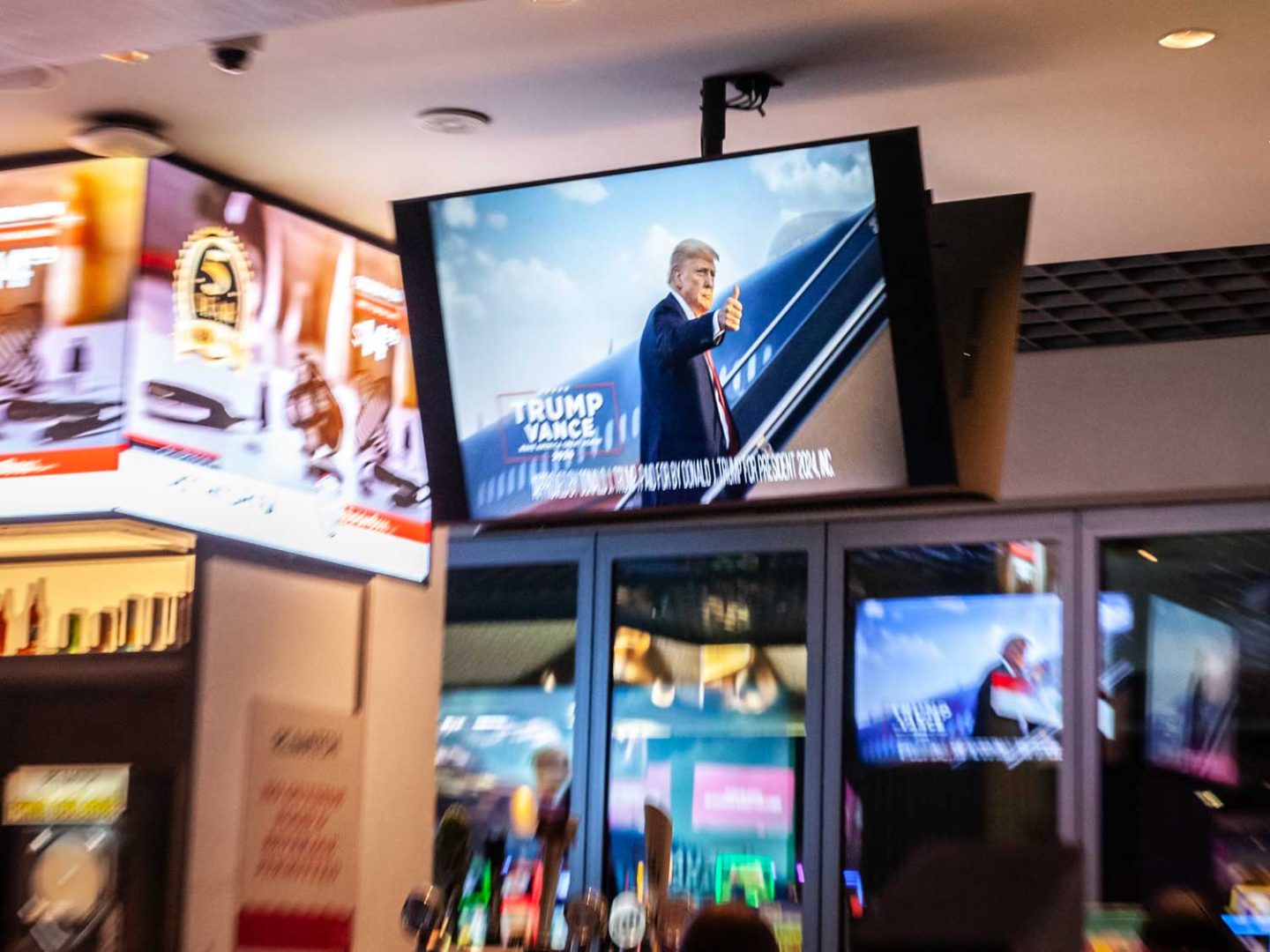
A pivotal moment in the negotiations came on 20th December 2024, when President-elect Donald Trump met with ILA President Harold Daggett in Florida. Trump expressed open support for the union’s anti-automation stance, stating that foreign-owned carriers should invest in American dockworkers rather than fully automated systems. His intervention reportedly added significant pressure on carriers, leading to a compromise in the tentative deal. The agreement allows for limited semi-automation while guaranteeing union jobs tied to new technologies.

Although the immediate strike threat has passed, the risk of disruption remains. The ratification process is expected to take months, and uncertainty will continue to impact supply chains.

Metro has implemented contingency measures to mitigate the impact of potential labour unrest. These include diverting cargo to West Coast ports, Canadian trans-loading and expanding air freight options. These solutions remain critical as the ratification process unfolds.

At the same time, we are urging carriers to lift surcharges such as “Work Disruption” and “Port Congestion” fees, which have added financial strain to supply chains since October 2024.

The threat of renewed disruption is likely to persist until the agreement is ratified. Metro strongly advises shippers to remain vigilant, flexible, and prepared to adapt their logistics strategies in the months ahead.

With uncertainties lingering, Metro’s proactive solutions are essential to maintaining a resilient and adaptable supply chain. Our expert team continuously monitors developments, offering strategic guidance to help you optimise routes, avoid disruption, and manage costs effectively.

EMAIL our Managing Director, Andrew Smith, to discover how Metro can protect and future-proof your North American supply chain.
The potential impact of the new US administration on global trade

The potential impact of the new US administration on global trade

As the United States, and the world, braces for potential shifts in trade policy, new tariff proposals and ongoing supply chain challenges are reshaping the global logistics landscape.

President-Elect Trump’s threatened trade tariffs, along with geopolitical and operational pressures, are driving significant changes in import patterns, freight rates, and supply chain strategies.

Protectionist policies
President Trump’s first administration was marked by aggressive trade policies, and his second term is marked by a resurgence of tariff-based strategies targeting China and other major trading partners. Proposed tariffs include a universal rate of 10-20% on all imports to the US, with an additional 60-100% on imports from China, together with another 10% above any additional tariffs, on all products, until the supply of the illegal drug fentanyl ceases. 

These measures could significantly raise consumer costs for goods such as apparel, toys, furniture, and household appliances. In 2023, tariffs on Chinese apparel cost U.S. companies and consumers $1.3 billion, with forecasts estimating that consumers would pay between $13.9 billion and $24 billion more annually due to the proposed tariffs.

Additional tariffs could reduce trans-Pacific shipping volumes, while supply chains may diversify further to Southeast Asia, India, and Latin America. These shifts would alter global shipping patterns and potentially lower container shipping demand from Asia.

Surge in imports ahead of tariffs
The prospect of new tariffs is expected to accelerate import activity, as businesses aim to pre-empt the potential cost increases by expediting shipments, placing substantial demand on vessel space. This surge, if realised, would exacerbate pressures on an already strained logistics infrastructure, particularly during peak seasons.

Volatility in sea freight rates
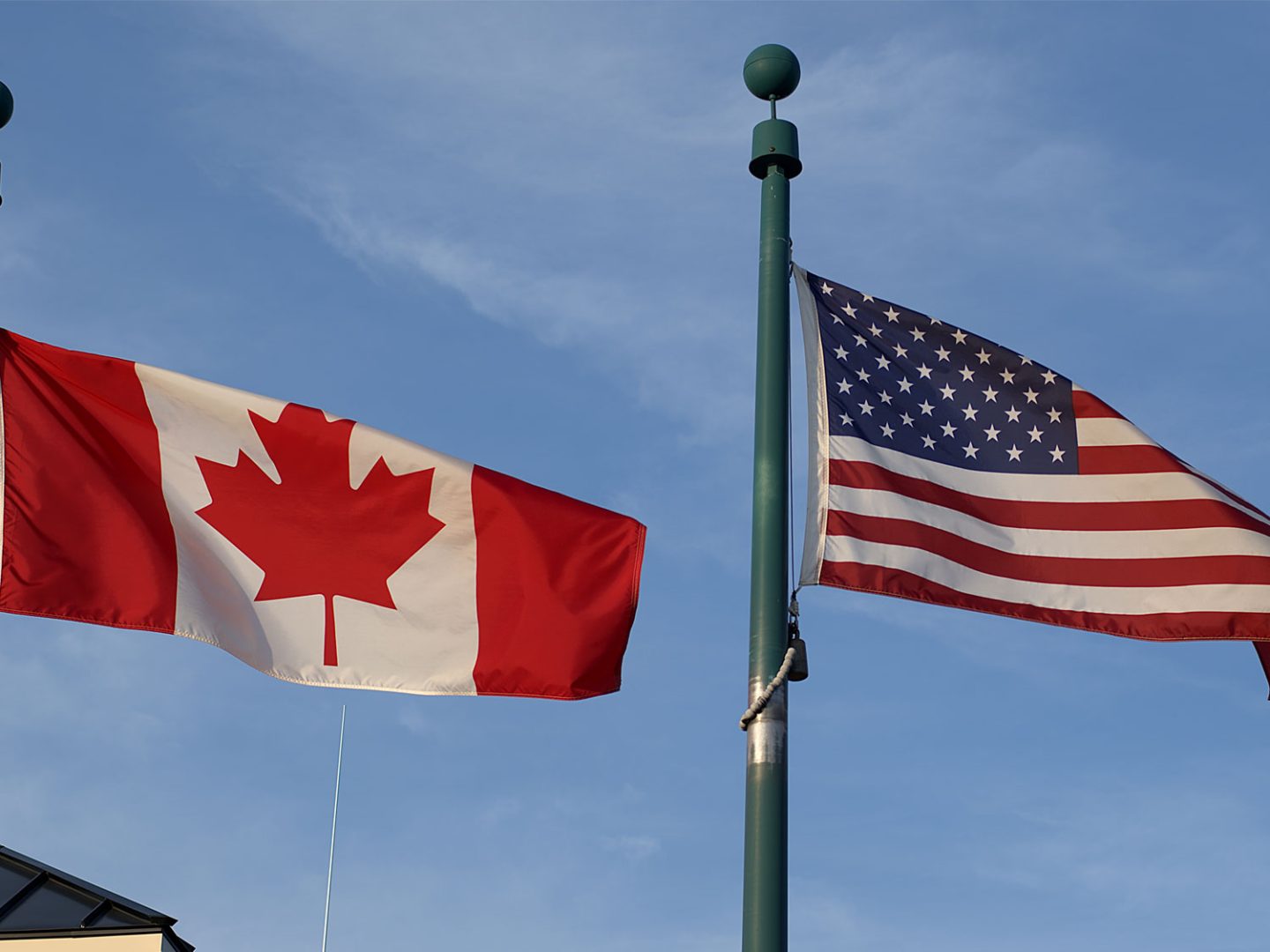
Tariff-driven demand spikes are poised to push freight rates higher, especially on trans-Pacific routes. Companies, wary of increasing costs, are likely to explore alternative sourcing locations outside China, though this has been complicated further as the US president-elect said he would sign an executive order imposing a 25% tariff on all goods coming from Mexico and Canada, after being inaugurated on 20 January 2025. The impending early Chinese lunar new year in late January 2025 further compounds the uncertainty, as shippers rush to secure capacity.

Heightened supply chain challenges
Labour disputes continue to threaten North American supply chains, with the potential for an International Longshoremen’s Association (ILA) strike if negotiations do not conclude positively by January 2025. Concurrently, recent lockouts at Montreal and Vancouver ports have disrupted trade flows, with ripple effects expected at other ports, including Halifax.

A second Trump administration may prioritise renegotiating or withdrawing from international trade agreements to favour US interests, including potential revisions to WTO agreements. Such moves could disrupt North American trade flows and create further uncertainty for global shipping stakeholders. Additionally, heightened geopolitical tensions could impact critical maritime routes and alliances, particularly in the South China Sea.

The combination of tariff uncertainties, labour disputes, and shifting sourcing strategies signals a challenging period for global trade. Rising costs and operational complexities could challenge shipping in the long term, with broader implications for economic stability.

As the situation in the United States develops we will continue to provide regular updates, but if you have any concerns or questions about how these events might impact your shipments, please reach out to us.

EMAIL Chief Commercial Officer, Andy Smith today to learn how we can safeguard your supply chain during challenging periods.

November: North American market update

November: North American market update

The North American freight market faces a complex set of challenges as ongoing labour disputes, potential trade policy shifts, and evolving service offerings reshape the landscape.

Canadian port strikes strain supply chain
Labour disputes have disrupted operations at Canada’s east and west coast ports, with significant impacts on supply chains. At the Port of Montreal, the Maritime Employers Association (MEA) imposed a lockout after the Longshoremen’s Union CUPE Local 375 rejected their offer, halting operations since 31st October. On the west coast, stalled negotiations between the International Longshore and Warehouse Union (ILWU) and port authorities in Vancouver and Prince Rupert effectively paralysed these critical gateways for Canadian imports and exports.

The closures forced Canadian freight to be diverted to US west coast ports, including Seattle, Oakland, Los Angeles, and Long Beach, adding to congestion and creating backlogs that could take months to resolve.

Government intervenes to resume operations
In a decisive move on the 12th November, the Canadian government directed the Canada Industrial Relations Board (CIRB) to end the strikes at Vancouver and Montreal and impose binding arbitration. While business groups welcomed the intervention, union representatives criticised the move, arguing it undermines workers’ rights.

As operations begin to resume, the Montreal Port Authority announced plans to gradually clear terminal backlogs and restore fluidity, although it could take weeks to return to normal. Meanwhile, Vancouver’s container terminals remain delayed, with limited anchorage availability adding further challenges.

US east and gulf coast strike uncertainties persist
Following a brief three-day strike in October on the US east and Gulf coasts, concerns remain about potential further disruptions. The strike’s conclusion hinged on a provisional wage agreement between the International Longshoremen’s Association (ILA) and the United States Maritime Alliance (USMX), with more complex issues such as automation still unresolved.

Negotiations resumed with a new contract deadline of 15th January 2025, but ended early on the 12th November, when the ILA broke off talks with the USMX. According to ILA, the decision was made after USMX continued “pushing automation and semi-automation language in its Master Contract proposals that will eliminate ILA jobs.” The ILA added it “remains hopeful that USMX will alter its un-winnable strategy, and resume negotiations as soon as possible.”

The uncertainty surrounding contract outcomes is likely to push shippers to expedite shipments before January, amplifying capacity constraints across North American ports. The October strike impacted trans-Atlantic and Asia-US trade lanes, with trans-Atlantic westbound volumes falling by 15% and Asia-US east coast capacity expected to drop 17% in mid-November.

Potential tariff escalation under new US administration
The US presidential inauguration in January may bring significant trade policy changes, with proposed tariffs that could reach 60% on China and 20% on other countries.

While the EU, which has a $130bn trade surplus with the US, is preparing counter-tariffs, the UK, which enjoys a relatively modest surplus, appears unlikely to retaliate, favouring open trade instead.

This potential tariff escalation could lead to intense front-loading of shipments before January, creating a pre-inauguration shipping peak, which might align with the pre-Lunar New Year demand surge.

Metro’s expanding US focus
The United States is Metro’s 2nd largest origin/destination and client location, with a large number of customers also having their head office located in North America.

To better support this large and growing client base, Metro will open its first office in the US next year. The non-operational office will focus on local American customers, to enhance the level of service and support provided to them, including the oversight of 3rd country movements through the Americas.

In-house shipping line offers Express US service
Wholly-owned group subsidiary, Ellerman City Liners, has launched the weekly sailing United States Express Service (USX), delivering some of the fastest containerised transit times available. Direct to Philadelphia from just 13 days, USX utilises non-congested ports and terminals, to streamline port clearance and inland movements.

USX is the only direct service operating to and from Jacksonville, serving the Baltic, Scandinavia, Europe and the United States, with four calls on the East Coast, including Philadelphia.

Ellerman’s USX service offers fast and reliable transit times, with lots of flexibility and operates in cooperation with MSC. It is gratifying to see our group working closely with the world’s largest carrier, which underlines our continued commitment to supporting our partner carriers. Many of whom we have worked with for decades.

As North America’s sea freight market adapts to labour uncertainties and fluctuating trade policies, shippers face a complex landscape of demand pressures, capacity constraints, and fluctuating costs.

To discuss the current situation and how Metro can support your North American supply chain, please EMAIL Andrew Smith, Chief Commercial Officer.

North American Sea Freight Market Strained

North American Sea Freight Market Strained

The North American sea freight market faces ongoing challenges, with recent labour actions on the US East Coast fuelling local anxieties and adding congestion and capacity pressures on the West coast.

The three-day strike by the International Longshoremen’s Association (ILA) on the US East Coast in early October sent ripples across the industry, as importers scrambled to reroute shipments to West Coast ports. Record-breaking import volumes in Los Angeles and Long Beach in September have strained rail and terminal operations, pushing rail container dwell times over nine days, their highest in two years.

The impact of the ILA strike is compounded by recent actions in Canada, with Montreal dockworkers initiated a 24-hour strike last Sunday the 27th October, following earlier disruptions that have halted overtime work across the port. 

This seasonal surge in imports is expected to taper off in November, as most holiday merchandise arrives in the US by late October to be available for Black Friday and other peak shopping events. However, if contract negotiations between the ILA and East Coast employers, which are due to resume in November, remain unresolved into December, West Coast ports could capture a larger share of shipments, keeping demand elevated longer than usual on the Pacific Coast.

The main issue outstanding between the ILA and USMX is the use of terminal automation. The previous contract permitted semi-automation with union and terminal agreement on staffing but banned full automation. In this bargaining cycle, the ILA is pushing for a complete ban on all automation types.

Montreal’s container volumes have already dropped by nearly a quarter since 2022, with a growing shift of cargo to US East Coast ports—though the labour situation in the US may ultimately reverse this trend if Canadian ports gain relative stability.

Impact of the US presidential election on container shipping
Looking ahead, next week’s US presidential election introduces potential regulatory and economic uncertainties for the container shipping market. A second term for Donald Trump could bring a more protectionist stance, with proposed tariffs of up to 20% on all imports and as high as 60% on goods from China. Such policies would likely dampen US demand for imports, reshaping sourcing and supply chain strategies across Asia, where countries like Vietnam and India are already gaining market share as businesses diversify away from China.

By contrast, a potential administration under Kamala Harris is expected to support US industries through subsidies rather than aggressive tariffs, reducing the immediate risk of sharp import declines. However, increased government support for domestic production could still influence trade patterns, with downstream effects on global shipping demand. In either scenario, US trade policies will continue to play a significant role in shaping the container shipping market, particularly in trans-Pacific routes.

As North America’s sea freight market adapts to labour uncertainties and fluctuating trade policies, shippers face a complex landscape of demand pressures, capacity constraints, and fluctuating costs.

As always, we will guide you through the most import strategic adjustments, such as diversifying shipping routes and anticipating regulatory changes, to maintain supply chain stability and manage costs in the months ahead.

To discuss the current situation and how Metro can protect your North American supply chain, please EMAIL Andrew Smith, Chief Commercial Officer.