Heading into the second half of 2026 shippers face, a politically charged USMCA review, an early tightening on the trans‑Pacific, and war‑driven fuel costs pushing up inland transport prices across North America.
Together, they are rewriting the assumptions many companies use for peak‑season planning, pricing and inland network design.
USMCA stability at stake for North American production
The United States–Mexico–Canada Agreement (USMCA) reaches its first scheduled “joint review” on 1 July 2026, six years after it took effect. The three governments must decide whether to confirm the deal through 2042, seek adjustments, or signal opposition that could trigger renegotiation and, in the worst case, open the door to an eventual sunset in 2036 if no resolution is found.
Manufacturing across North America, and especially in the automotive sector, has a lot riding on the outcome. Automotive trade accounts for roughly 20–25% of total USMCA trade flows, making it the single largest sectorial user of the agreement. Since 2020, higher regional content requirements and labour‑value rules have already reshaped sourcing patterns for OEMs and tier suppliers, driving more production and component sourcing into Mexico, the U.S. and Canada.
Industry groups on all sides of the border are pushing for a stable, growth‑oriented review that preserves tariff‑free access and gives long‑term visibility to investors. At the same time, policymakers are signalling that the review will not be a formality. Areas likely to come under scrutiny include automotive rules of origin and tracing, enforcement of labour and environmental commitments, energy and state‑owned enterprise disputes, digital trade and data rules, and the role of Chinese investment and components in North American supply chains.
For U.S. manufacturers and importers, this means the next 12–18 months are a critical window to:
- Verify that products truly qualify under current USMCA rules and identify any borderline cases.
- Model how tighter regional content or new tracing requirements could change compliance status and cost.
- Stress‑test footprint and sourcing decisions, particularly where there is high China content flowing via Mexico or Canada into the U.S.
Trans‑Pacific signs of an early peak
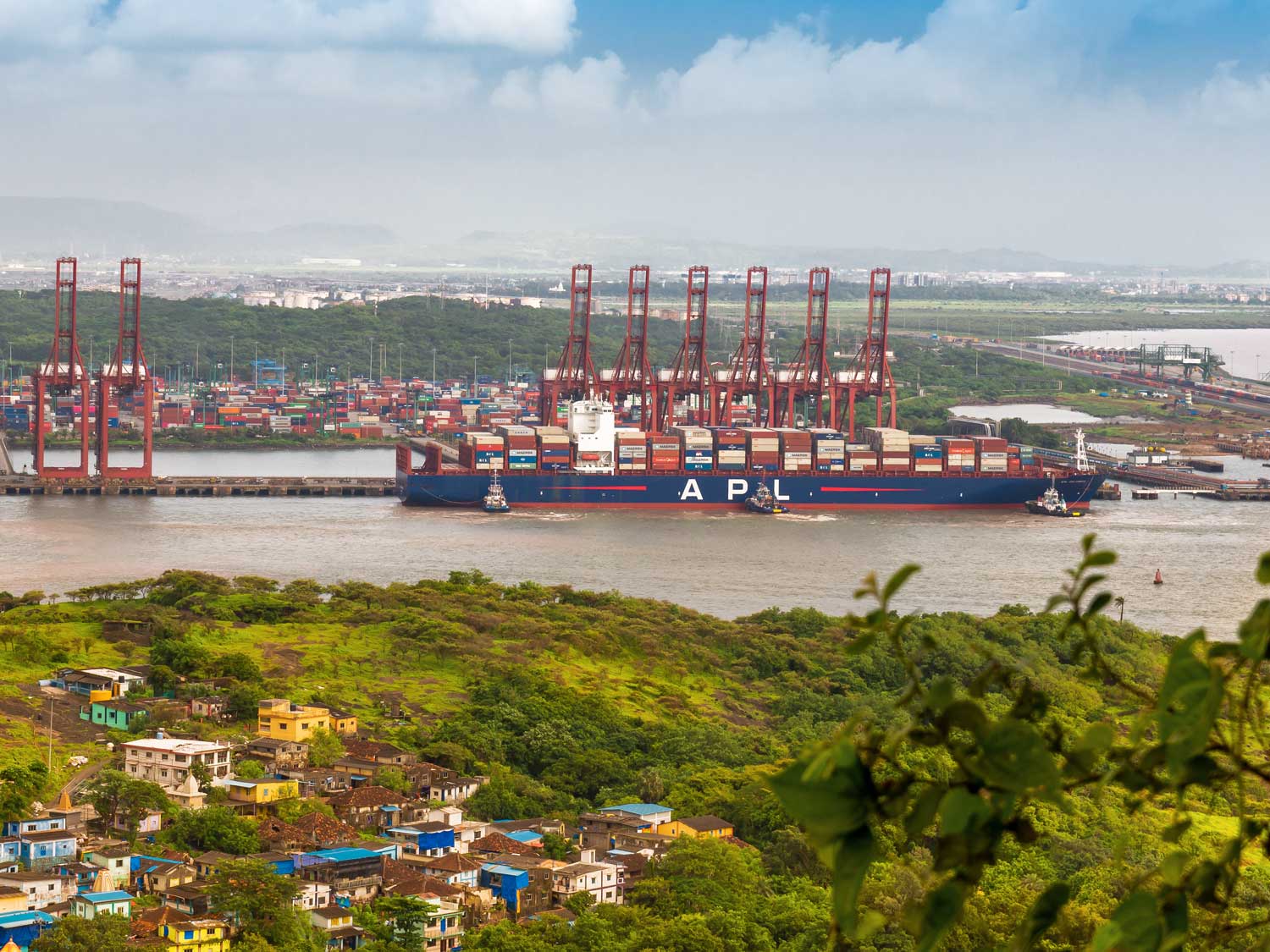
Eastbound trans‑Pacific trades are already showing signs of an early peak‑season, with container spot rates from Asia to the U.S. west and east coasts climbing sharply on the back of May general rate increases, as carriers tighten capacity and push through surcharges.
Recent data shows:
- Spot rates from major South China ports to the U.S. west coast rising almost 100% on levels from only weeks earlier.
- Asia–U.S. east coast spot rates climbing by 50–60% over a similar period, with some indices even higher.
- Carriers rolling out peak season surcharges and emergency fuel surcharges ahead of the usual schedule, with higher amounts signalled for late June and 1 July.
Several dynamics are driving this early tightening:
- Importers are front‑loading orders to get ahead of further cost increases later in the year, including potential tariff changes and bunker‑linked adjustments.
- Vessel diversions around southern Africa to avoid Red Sea and Gulf of Aden risks, coupled with congestion at some Asian load ports, are absorbing capacity and disrupting schedules.
- Capacity additions have lagged demand on key lanes, and carriers are using blank sailings and service adjustments to keep utilisation high.
We expect some rate relief later in the summer if additional capacity returns and front‑loaded volumes drop off, but the near‑term picture is one of elevated spot rates and tight space as peak‑season volumes converge with constrained supply.
Trucking and inland costs rise on fuel‑driven inflation
War‑driven fuel prices are pushing trucking and intermodal costs sharply higher, even before demand has fully recovered.
Since the escalation of conflict involving Iran, U.S. retail diesel prices have moved from just under USD 4 per gallon to around USD 5.60 per gallon on average, with some regions significantly higher. This jump has fed directly into trucking Producer Price Index (PPI) measures:
- Truckload and LTL PPIs have risen markedly in recent months, reversing a multi‑year period of freight deflation;
- Spot truckload rates on long‑haul lanes have climbed to their highest levels since 2022, with average per‑mile prices up more than 25% year‑on‑year in some benchmarks;
- Higher fuel and capacity discipline are also starting to pull contract rates up, with increases spreading from truckload into LTL and intermodal.
It is worth noting that these increases are being driven largely by supply‑side constraints, reduced capacity, higher fuel costs and more disciplined carrier pricing, rather than by booming freight demand. For shippers, that means transport inflation can persist even if volumes remain only modestly above 2025 levels.
Metro’s CEO Grant Liddell and Managing Director Andrew Smith will be visiting U.S. offices and customers next week, to review operations and discuss these challenges on the ground, to help shape next‑step plans.
If you’d like to sense‑check your outlook for the second half of 2026 – from USMCA exposure and sourcing footprints to peak‑season capacity and inland cost pressures you can EMAIL Andrew directly or connect with the Metro Global USA team.