FXT at dawn

Strong demand and constrained capacity are reshaping container shipping

For much of the recent past, freight markets have lurched from one disruption to another. Pandemic recovery, conflict in the Red Sea, tariff uncertainty and conflict in the Middle East have each triggered periods of higher freight rates before conditions gradually eased.

This time, however, the market appears to be changing for different reasons.

While geopolitical events continue to influence global shipping, they are no longer the only force keeping container capacity tight. Strong international trade, sustained investment in new industries and persistent congestion across global transport networks are all helping to support freight rates, suggesting the market may remain firmer than many shippers anticipated.

Global trade continues to absorb available capacity

One of the strongest indicators is that cargo volumes continue to grow despite higher transport costs.

Global container traffic has increased by around 4% year on year, with Asia-Europe volumes rising approximately 12% and Asia-North America around 11%, with indexed rates rising 150% over two quarters.

Growth is also becoming more geographically diverse. Alongside resilient demand from Europe and North America, expanding trade with Africa and Latin America is absorbing additional vessel capacity that might previously have been available elsewhere.

At the same time, the mix of cargo moving through global supply chains is changing.

Rather than retailers replenishing inventories and other traditional sources of demand, increasing volumes are being generated by long-term investment in artificial intelligence infrastructure, data centres, batteries, electric vehicles and renewable energy technologies. These emerging industries will require sustained manufacturing and international transport over many years, creating a more durable source of freight demand than short-term consumer buying cycles.

More ships do not necessarily mean more capacity

Although shipping lines have ordered record numbers of new vessels, effective shipping capacity remains far tighter than headline fleet statistics suggest.

Only around 2% of the global container fleet is currently idle, while demand for charter vessels (particularly ships above 3,000 TEU) continues to strengthen. Carrier profitability also recovered sharply during the second quarter, reflecting healthier trading conditions after a difficult start to the year.

Meanwhile, operational constraints continue to reduce available capacity.

Most container services remain diverted around the Cape of Good Hope instead of using the Red Sea, significantly extending voyage times. Transit through the Strait of Hormuz remains uncertain following renewed regional tensions, while congestion at several major ports continues to delay vessel turnaround times.

Together, these factors mean carriers are deploying almost every available ship simply to maintain existing service networks.

Air freight points to the same underlying trend

Container shipping is not the only transport mode experiencing stronger market conditions.

Air freight demand has also continued to strengthen since the second quarter, despite improving airline capacity and fewer operational disruptions, driving indexed rates up by a quarter in under six months.

When both ocean and air freight markets strengthen simultaneously, it indicates that demand for international transport is expanding across global supply chains rather than being driven solely by disruption affecting one particular trade route.

For cargo owners, that provides further evidence that today's freight market reflects broader structural demand rather than temporary geopolitical events alone.

Peak season is likely to remain challenging

Looking ahead, while some softening is probably inevitable, there is little indication that market conditions will change significantly before the end of the year.

Strong demand, limited spare shipping capacity, continuing port congestion and ongoing geopolitical uncertainty are all expected to support freight rates throughout the traditional peak season.

While some carriers have begun limited returns through the Suez Canal, these remain selective and do not yet represent a wider restoration of normal operating patterns.

As a result, businesses should continue planning for constrained capacity, longer booking lead times and freight costs remaining above historical averages.

Relief is coming, but not immediately

The substantial order-book of new container ships scheduled for delivery during 2027 and 2028 should eventually restore greater balance between supply and demand.

Until then, however, the combination of resilient trade growth and restricted effective capacity is likely to keep freight markets tighter than many expected earlier this year.

Rather than waiting for rates to fall, businesses should continue reviewing freight budgets, securing capacity early and building flexibility into their supply chain planning to reduce exposure to market volatility.

Metro can help you stay ahead of changing market conditions

Freight markets are evolving rapidly, making forward planning more important than ever. Whether you're reviewing sourcing strategies, managing peak season demand or looking to reduce transport costs through smarter routing and capacity planning, Metro's ocean freight specialists can help.

With global carrier relationships, flexible routing options and tailored supply chain solutions, we work alongside customers to secure reliable capacity and build resilient logistics strategies that keep cargo moving, whatever the market conditions. 

EMAIL Metro’s Managing Director, Andrew Smith to discuss how we can support your international supply chain.
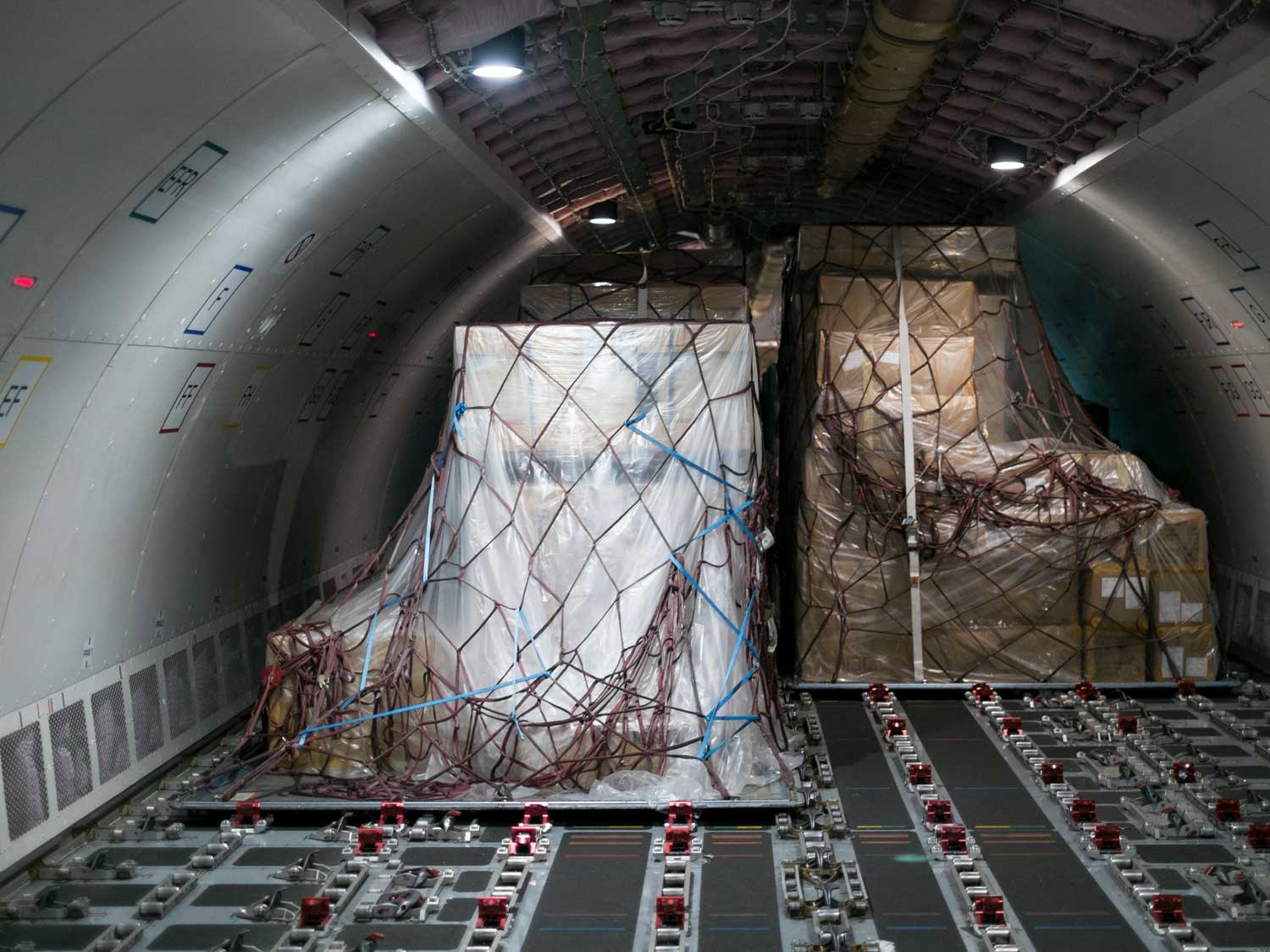

cargo aircraft

IATA’s new air waybill rules shifts risk where it doesn’t belong

On 1 July, the revised International Air Transport Association (IATA) Direct Air Waybill (DAWB) framework came into force, fundamentally changing the contractual relationship between airlines and freight forwarders. 

IATA's revised DAWB framework has prompted an unusually strong reaction from freight forwarding associations around the world. Their concern is that the new contractual arrangements could transfer legal responsibility for certain shipper failures onto freight forwarders, increasing liability, insurance costs and commercial risk across parts of the air cargo supply chain.

While the changes relate specifically to Direct Air Waybills rather than every airfreight shipment, they raise important questions about where responsibility should sit when something goes wrong.

A fundamental change in liability

Under the revised framework, airlines may now regard the freight forwarder as the primary contracting party rather than simply acting as the shipper's agent.

In practical terms, that means airlines could seek indemnification directly from the forwarder if cargo has been mis-declared, contains concealed dangerous goods or fails to meet packaging requirements, even where those failures originated with the shipper.

The change is particularly significant as air cargo continues to experience strong growth in high-value eCommerce shipments, many of which contain products such as lithium batteries that require strict compliance with dangerous goods regulations.

The concern for freight forwarders is straightforward. They rarely manufacture, pack or load the cargo they move. Yet under the revised framework they may now inherit liabilities arising from decisions made long before the shipment reaches their warehouse.

Why the industry is concerned

Industry associations have reacted strongly.

FIATA has argued that freight forwarders should not be expected to assume contractual obligations for cargo they neither own nor physically control. It has also criticised the speed of implementation, saying the agreed consultation and review process had not been completed before the rules came into force.

The US Airforwarders Association has echoed those concerns, warning members that the changes could expose them to liabilities traditionally carried by the shipper, including packaging failures, concealed dangerous goods and inaccurate cargo declarations.

Adding further uncertainty are reports that not every airline intends to implement the framework in exactly the same way. Instead of one globally consistent process, forwarders may now need to establish different contractual arrangements with individual carriers, creating additional administrative complexity across international air freight networks.

Insurance may no longer fit the risk

Perhaps the greatest concern is insurance.

Traditional freight forwarder liability policies have historically been designed to cover professional negligence, errors and omissions in arranging transport.

They were never intended to provide blanket protection against liabilities created by a shipper's actions.

Insurance specialists have warned that many existing policies may not automatically respond if forwarders are treated as the contractual shipper under the revised DAWB framework. That creates the possibility of coverage gaps, higher premiums and tighter underwriting requirements as insurers reassess the level of exposure.

If logistics providers face greater legal exposure, additional insurance costs and more complex contractual obligations, those costs are likely to flow through the supply chain.

Forwarders will also be expected to carry out more rigorous due diligence before accepting cargo. For shippers, that could mean additional checks, more detailed documentation requirements and longer acceptance processes, particularly for higher-risk commodities.

In reality, the revised framework has the potential to increase costs and administrative burden for everyone involved in the movement of air freight.

Metro can guide you through the changes

Regulatory change should never become an unnecessary commercial risk. Metro's air freight specialists work closely with customers to ensure documentation, dangerous goods compliance, cargo acceptance procedures and insurance considerations are properly managed before shipments enter the airline network.

If you would like to understand how the new DAWB framework could affect your business, EMAIL Andrew Smith, Managing Director to keep your cargo moving with confidence.

graph rising

Early peak season continues to support higher ocean rates

Peak season arrived earlier than expected this year, but it shows little sign of easing. Ocean freight rates from Asia to Europe continue to climb as strong demand, disciplined capacity management and lingering geopolitical uncertainty combine to keep pressure on both pricing and vessel space.

The latest round of carrier price increases introduced at the start of July has pushed freight rates higher once again across the Asia-Europe trade. Spot rates have risen by around 7% into North Europe and approximately 10% into the Mediterranean over the past week, extending a market that has steadily strengthened. 

Carriers have maintained tight capacity discipline despite stronger demand, with only a handful of blank sailings currently scheduled, suggesting carriers are successfully filling available vessel space rather than artificially restricting capacity. At the same time, higher freight costs linked to ongoing geopolitical disruption continue to support firmer market conditions. 

Middle East uncertainty continues

Although commercial shipping has resumed through the Strait of Hormuz following the recent ceasefire agreement, the market remains cautious.

Security concerns persist across the wider region and operators continue to factor geopolitical risk into network planning and pricing. Cargo flows are gradually normalising, but the disruption has altered routing decisions and placed additional demand on Mediterranean services, where pricing has risen significantly faster than into Northern Europe. 

Historically, Mediterranean services have commanded a modest premium over North Europe due to vessel deployment patterns. Today, however, that pricing gap has widened to levels rarely seen outside the exceptional supply chain disruption experienced during 2022, reflecting the continuing impact of Middle East instability on European trade lanes. 

The market may be approaching its peak

Demand remains healthy rather than accelerating, vessel space is becoming easier to secure on some services and several carriers have started extending rate validity beyond weekly announcements, suggesting they are becoming more confident about short-term pricing. 

However, this should not be mistaken for a return to normal market conditions.

Large volumes of cargo delayed during June still need to move through the network, while carriers continue to manage allocations carefully. Even if freight rates begin to soften later in the summer, they are expected to remain well above the levels seen earlier this year. 

Carrier confidence remains high

Confidence among ocean carriers is also evident in the charter market.

Improving freight earnings have encouraged more shipping lines to secure additional vessel capacity well into 2027 through longer-term charter agreements rather than relying solely on new-build programmes. Demand for available vessels remains strong across several ship sizes, while rising charter values and vessel prices underline continued 

confidence that freight markets will remain relatively firm for some time. 

For shippers, the message remains unchanged. The current market is being driven by resilient demand, disciplined carrier capacity management and ongoing geopolitical uncertainty rather than short-term disruption alone. Businesses leaving bookings until the last minute are likely to face reduced flexibility, higher costs and fewer routing options.

Plan ahead with Metro

Securing capacity early has become just as important as negotiating freight rates. Metro's ocean freight specialists continuously monitor carrier capacity, market conditions and routing options to help customers minimise disruption and manage transport costs in a fast-changing market.

To discuss your Asia-Europe shipping requirements and build greater resilience into your supply chain, EMAIL our managing director Andrew Smith.

India flag on container doors 1440x1080 1

India, the hottest shipping lane

Ocean freight from India has entered a period of intense demand, with tightening vessel space, rising freight rates and increasing competition for capacity across both European and North American trade lanes.

For businesses diversifying manufacturing away from China or expanding sourcing across South Asia, the challenge is no longer finding suppliers. It is securing reliable shipping capacity in an increasingly constrained market.

Capacity constraints are driving the market

The India-Europe trade has tightened significantly over recent weeks as booming export demand collides with reduced vessel availability.

While demand has recovered strongly, carriers have removed a substantial amount of capacity through blank sailings, cancelled departures, port omissions and revised service schedules. Between March and early July, more than one in five scheduled sailings between India and Europe failed to operate, reducing overall capacity by around 17% across the trade.

The result has been widespread vessel overbooking, booking windows stretching to four to six weeks, and an increasing risk of cargo either being rolled or, in some cases, having confirmed bookings cancelled and rebooked onto later sailings.

Freight rates have responded accordingly. Average pricing from western Indian gateways into Northern Europe has increased by up to 50% in little more than a month, with further peak season surcharges already announced for the second half of July.

Rather than being driven by a single disruption, the current market reflects a genuine supply and demand imbalance, with available vessel space struggling to keep pace with export demand.

Service reliability is becoming just as important as capacity

The tightening market is being compounded by inconsistent service performance.

Several India-Europe services have experienced repeated blank sailings over recent months, while others have omitted key North European ports, further reducing effective capacity available to shippers. On some loops, weekly departures have become considerably less frequent, extending delays whenever cargo is rolled to a subsequent sailing.

At the same time, schedule reliability varies significantly between carrier networks. While some services continue to operate with consistently high reliability through the deployment of additional vessels, others continue to experience frequent disruption and irregular departures.

For shippers, choosing the right carrier and service has become just as important as securing vessel space itself.

Pressure is spreading across South Asia

Across the wider South Asia region, carriers have introduced substantially higher Freight All Kinds (FAK) levels into both North Europe and Mediterranean markets. These increases represent step changes of around 30-50% compared with pricing seen at the end of the first quarter.

These adjustments reflect a broader reset in carrier expectations. With capacity constrained and demand holding firm, pricing is being recalibrated to reflect both operational pressures and ongoing network disruption.

While some variation remains across individual trade lanes, the direction of travel is consistent: a more expensive and less flexible South Asia-Europe market through the current peak season.

US demand is adding further pressure

Demand on the India-US East Coast lane has surged in recent weeks, with booking volumes more than doubling normal levels and freight rates increasing by more than 80% over a four-week period.

In response, one major carrier is preparing to reinstate a previously withdrawn India-US 

East Coast service only weeks after suspending it, underlining how quickly supply and demand dynamics have changed.

This matters for European shippers because carriers continue to allocate vessels where returns are strongest. Strong demand across North American services inevitably competes with India-Europe for finite vessel capacity, making space increasingly valuable across both trades.

Local expertise makes the difference

With an expanding office network across India, Metro’s local teams coordinate factory collections, inland movements, port operations and ocean bookings as a single integrated flow, providing customers with earlier visibility of capacity constraints and greater flexibility when market conditions change.

Whether that means using alternative gateways, splitting shipments across multiple sailings or combining ocean freight with targeted air solutions for time-critical cargo, we help businesses maintain continuity while controlling transport costs.

To discuss your India-Europe or India-North America shipping requirements, EMAIL Metro’s Managing Director.