Brexit Selling customs services

Metro ready for UK’s new single customs platform – are you?

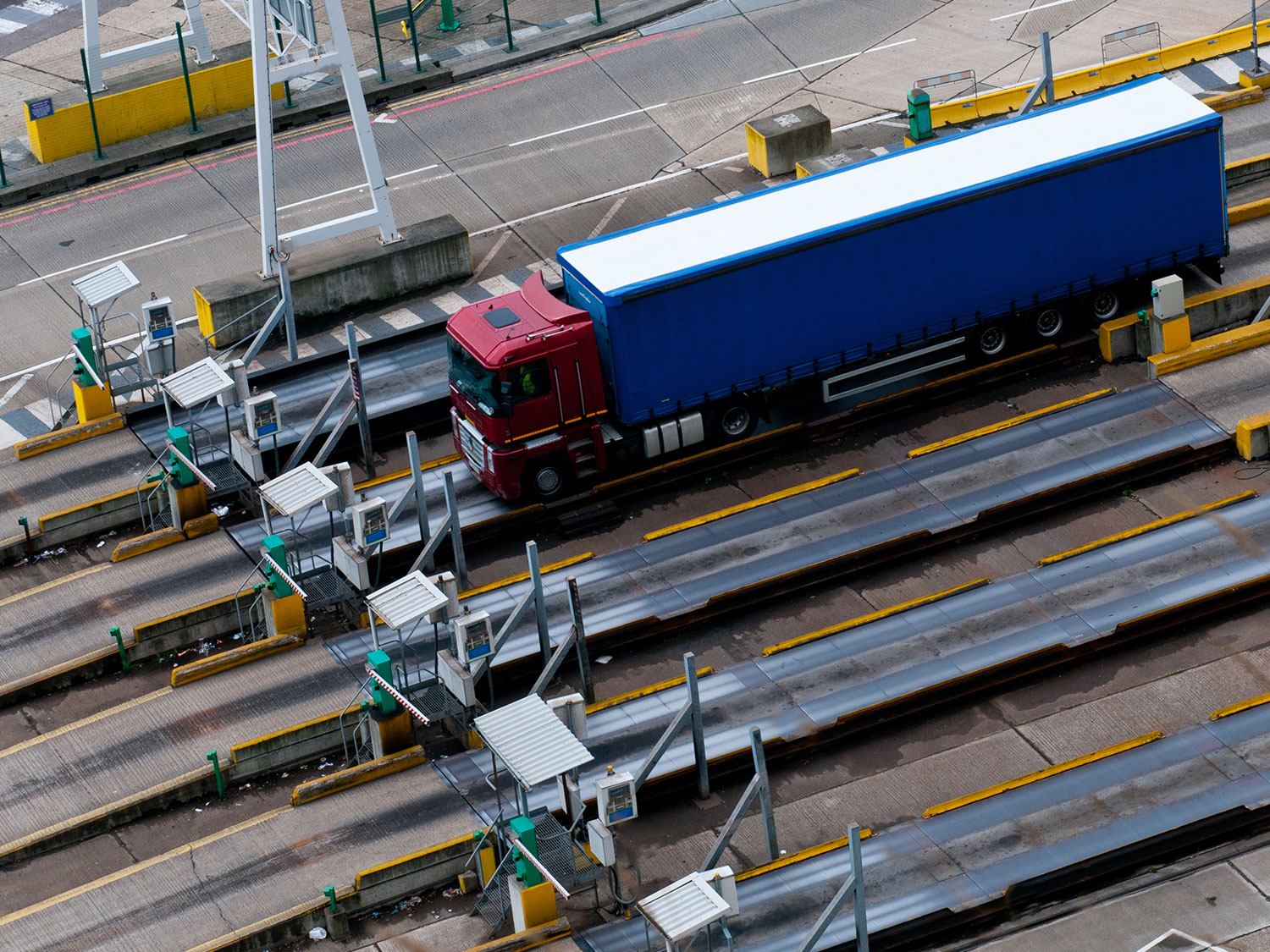
HM Revenue and Customs (HMRC) announced last week that the Customs Declaration Service (CDS), a system integrated with our market-leading technology, will serve as the UKs single customs platform from 31st March 2023.

Operating since 1994, HMRC is finally retiring its Customs Handling of Import and Export Freight (CHIEF) system on 31st March 2023, from when all customs declarations will be submitted through the Customs Declaration Service (CDS).

HMRC’s announcement that the Customs Declaration Service (CDS) will serve as the UK’s single customs platform from 2023 will end the current period of dual-running that has been operating with CHIEF.

CDS is currently used for Northern Ireland and Rest of World declarations and has already processed more than one million declarations since it went live in 2018.

Ahead of the complete CHIEF closure on the 31st March 2023, services on CHIEF will be withdrawn in two stages:

     
  • 30th September 2022: import declarations close on CHIEF
  • 31st March 2023: export declarations close on CHIEF / National Exports System (NES)

CDS is a key part of the government’s plans for a fully digitised border, in line with its 2025 UK border strategy.

Metro has been directly involved in the development of CDS, through the Joint Customs Consultative Committee (JCCC), as active members of The Association of Freight Software Suppliers and the British International Freight Association.

With the UKs exit from the EU, and the migration to the new Customs Declaration Service (CDS) the changes to Customs procedures and systems will have a huge impact on importers and exporters.

Our brokerage team, which is one of the UK’s largest dedicated team of customs experts, are available to review your situation and provide advice on CDS migration and compliance.

Metro automate and submit customs declarations via CHIEF and CDS platforms through our CuDoS system, which is optimised in line with HMRC and EU regimes.

Please contact Simon George, leading our customs and brokerage business unit, for further information and assistance on CDS and automating your customs declarations.

ALL supply chain workers are essential

COVID-19: The critical worker crisis

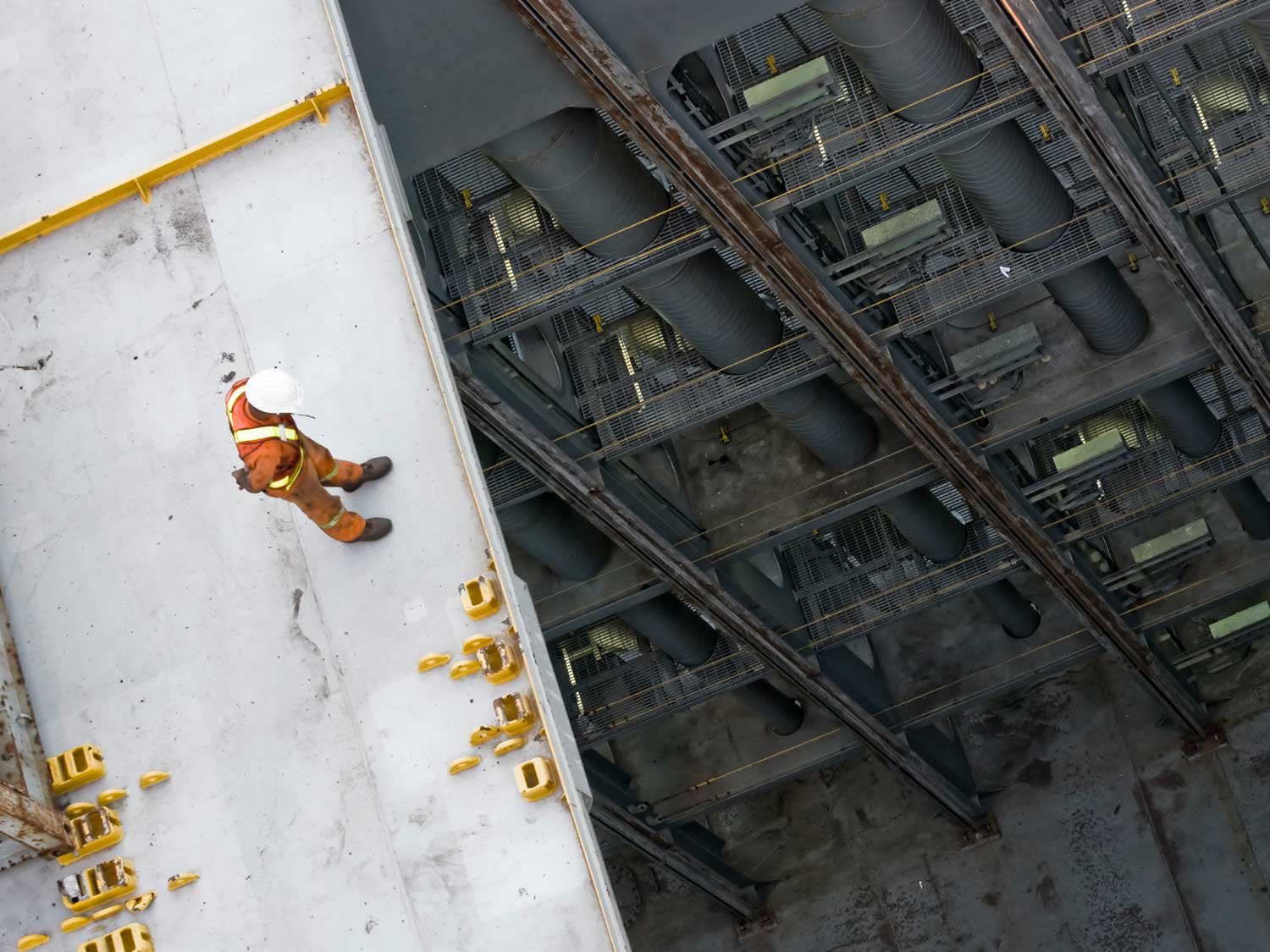
In an effort to protect supply chains and essential services the government released a list of sectors where fully vaccinated workers may be exempt from isolation if they are told to quarantine after coming into close contact with a positive COVID-19 case. Many of these are within the supply chain and global logistics platforms that are essential to businesses functioning successfully.

Fully vaccinated adults will no longer have to self isolate if they are ‘pinged’ from 7th August in Wales; 9th August in Scotland; and 16th August in England.

Instead, they will be advised to take a PCR ( if you have ever wondered what it stands for - polymerase chain reaction) test and can stop self-isolating if the result is negative. If the result is positive, they will need to self-isolate just like anyone else.

Until the 16th of August in England employers providing the critical services listed below can request a self-isolating exemption for named employees who are fully vaccinated.

  • Energy
  • Civil nuclear
  • Digital infrastructure
  • Food production and supply
  • Waste
  • Water
  • Veterinary medicines
  • Essential chemicals
  • Essential transport
  • Medicines and medical devices
  • Clinical consumable supplies
  • Emergency services
  • Border control
  • Essential defence outputs
  • Local government

Supermarket depot workers and food manufacturers will be exempt whatever their vaccination status and this is being extended to transport and freight workers, plus those working in the selected critical sectors.

Despite the government’s moves supply chains are missing critical personnel at every point, including ports, freight terminals, railheads and shipper warehouses, not to mention the continuing HGV driver crisis.

So far the government has ignored pleas to relax Brexit immigration rules to allow foreign drivers to return on a temporary basis and calls for the MoD to provide drivers is unlikely to have any impact on the situation. The government’s moves to increase working hours and streamline driver testing systems, to aid recruitment, will only have a marginal impact.

With the shortfall of drivers already standing at 100,000, any personnel loss through illness, self-isolation or move to higher-paying retailers is having a profound impact on haulier operations across the country and particularly around key ports and airports.

After years of underpayment and poor working conditions, a job as an HGV driver has become more attractive in recent months as a growing number of firms offer up-front bonuses and wage uplifts in an effort to attract and retain staff, though shippers are increasingly picking up the tab, through driver surcharges.

All the signs are that we are heading for worsening disruption, as drivers taking holidays are added to COVID-19 shortfalls, without any drivers to cover.

Road transport cannot be avoided, as part of the movement of goods, with drivers critical for container movements, international and domestic haulage.

Metro work with a number of reliable, selected long-term haulage and rail partners across the UK, to give us access to the widest pool of equipment and driver resource. 

We frequently audit and manage our associated partners' standards and ensure the safety of all individuals within our platforms are always compliant with the current regulations and legislation.

To learn more, or to discuss your road transport requirements, please contact Elliot Carlile or Grant Liddell (or Simon Balfe who leads our UK multimodal transport operations) who can talk you through the options.

Crew

COVID disruptions continue to impact global supply chains

The delta variant has broken through virus defences across the Indian Subcontinent and the whole of Asia and reached nearly half of Chinas 32 provinces in just two weeks, threatening more supply chain disruption.

Developments are raising the threat of delays at ports and airports as authorities screen crews of incoming vessels and aircraft, with factory production potentially halted, or at least stymied, if widespread lockdowns are imposed. 

The situation is unfurling at a daily rate of knots…….

The strict lockdown in Bangladesh was lifted yesterday in a government announcement and factories can return to full operation, though we do not anticipate any significant improvement in ocean freight performance yet. Rates continue to increase, due to huge demand for containers and restrictions at Chittagong Port as a consequence of recent action.

Airport operations have resumed, though the market is relatively soft due to factory productivity being reduced and there are very few unloading bays for screening shipments, as construction continues inside the cargo village.

Cambodia, Myanmar, Indonesia, Vietnam and Sri Lanka continue to be affected by the spread of the delta variant and supply chain disruption, with many factories being forced to temporarily shutting production in the regions to stem the spread of the virus.

Port and airport facilities are still operating and there are no significant delays beyond those already being experienced, presently, although this is being monitored.

As we reported a fortnight ago, the lockdown in South Vietnam has many ships lying at anchor, which has now created a reported 100,000 TEU backlog at Ho Chi Minh City’s Cat Lai Port.

According to Saigon Newport (SNP), yard density at Cat Lai is currently around 85%, after it experienced a “rapid surge in the volume of over-dwelled import containers” - because many factories had closed or reduced production to 50%-70% during the lockdown - which had negatively impacted vessel handling.

Some factories are expected to reopen next week, but a resurgence in demand, caused by delayed production, may mean that empty container availability could worsen as manufacturing starts up and global demand continues to increase in the final half of the year.

The industry expectation is anticipating severe equipment shortages in the southern provinces of Vietnam for at least a few weeks, while equipment supply in the north is also extremely tight.

With congestion already increasing in Shanghai, following Typhoon In-fa, the world’s largest port, Ningbo, is now turning ships away, after a Meidong Container Terminal worker tested positive for COVID on Tuesday.

Operations were suspended yesterday following the 34-year-old worker testing positive, with the port authority initially claiming that its operating system was down before the Ningbo Municipal Health Commission confirmed an infected worker was part of the workforce at Meidong terminal.

Large vessel numbers are already backing up outside Ningbo-Zhoushanas. This map by maritime consultancy eeSea shows the huge volume of container ships at anchor waiting for berth space. This is not good news for the logistics sector and could potentially spread to other gateways if similar outbreaks occur in China further hampering the already disrupted supply chains.

Courtesy of eeSea

Ningbo-Zhoushan handled 1.17bn tons in 2020 making it the largest port in the world, with annual box throughput of 30million TEU. To put it into perspective.

When a COVID-19 outbreak was detected at Yantian Port in late May, operational capacity at the key southern port was cut by 70% for most of June.

Since last July COVID infections have been confirmed in roughly half of China’s provinces, sparking mass testing operations and localised lockdowns.

Newly reported cases have forced the country to re-introduce restrictions to curb the spread of the virus, with ports now requiring a nucleic acid test (NAT) for all crew, with vessels forced to remain at anchor until negative results are confirmed.

Many ports in the country are also requiring vessels to quarantine for 14 to 28 days if they previously berthed in India or performed a crew change within 14 days of arriving in China.

For urgent and must have shipments from Asia, we have access to freighter capacity from our Sea/Air hub in Singapore and can move consignments of up to 200cbm per flight to Europe.

Our commercial and operations teams work closely with our partners across Asia, monitoring air and sea freight operations and the port congestion that continues to impact most regions.

Please do continue to send us your forecast data and order information, at the earliest opportunity, so that we can manage cargo bookings and transit deadlines, to meet your expectations.

If you have any questions, concerns, or would like any further information regarding any of the issues raised here, please dont hesitate to contact Elliot Carlile or Grant Liddell.

Suez convoy

Carriers inject capacity, but rates stay high

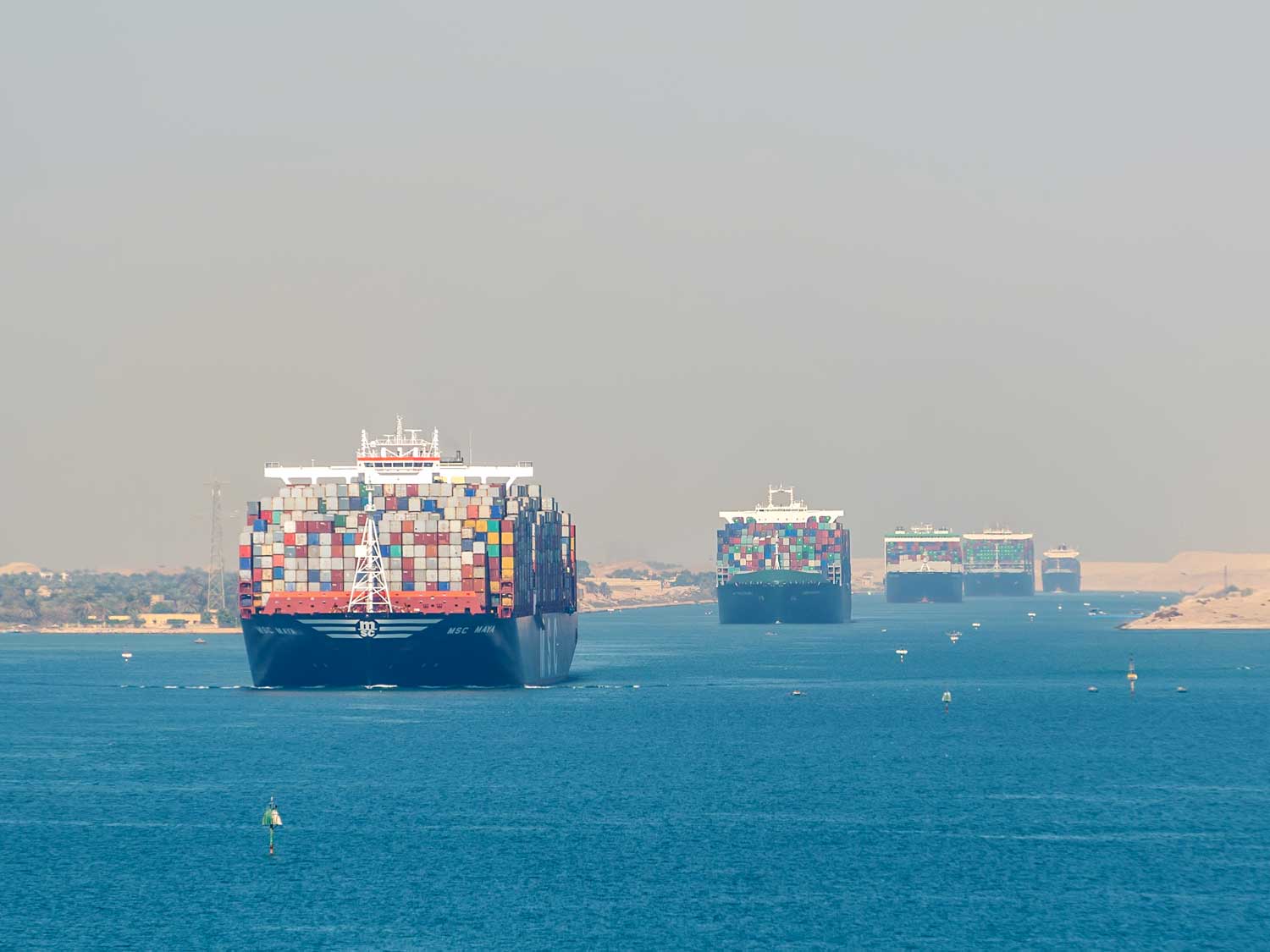
Container carriers are injecting additional capacity into the critical Asia-North Europe trade as they prepare for a strong and prolonged peak season and elevated rates.

With the massive consumer and inventory demand continuing, carriers are transferring capacity from other trades and deploying additional vessels, which will increase market volume by 15.1% over the next 12 weeks, compared to the third quarter in pre-pandemic 2019. 

Driven by financial return and redeployment of the restricted supply of vessels, this continues to have a ‘knock on’ effect on other trade lanes, changing the dynamics inadvertently in markets that may not appear to be under ‘pressure’.

The capacity growth rate far exceeds historical trends, and although volume data on the trade lane lags by almost two months, the injection of additional vessels is a clear indication that carriers are preparing for an increase in import volumes to consumer markets and an increase in export demand in manufacturing regions amounting to the same result – demand exceeding supply = increased shipping costs.

Over the course of the last year, the share of the global container shipping fleet deployed in Asia to Europe and Asia to North America trades has increased from 34.6% to 41.4%. The fleet capacity percentage on all East-West mainline trade routes, which includes the Transatlantic on top of the two Asia trades, has risen from 38.5% in July 2020 to 45.9% in July 2021.

The Far East to Europe trade remains the biggest in terms of fleet deployment, with 21.5% of the global fleet (5.25 Million TEU), which represents a capacity increase of 19.7% compared to July 2020.

The main reason why carriers have shifted a larger proportion of their fleets to the East-West trades is of course the high revenue that can be earned there, with massive spot rates and the premiums that some shippers are willing to pay to secure a booking guarantee.

We are expecting the third quarter to be very strong and are already experiencing high numbers of booking requests, but carrier capacity will depend on operational constraints, which we detail rigorously in these bulletins.

Rising volumes will further challenge container ports that have been struggling with months of strong demand, disrupted services and the lowest ever carrier schedule reliability.

Asia-North Europe schedule reliability (vessel arriving within one day of the published arrival) for April, was just 24.4%, down from 72% in April 2020, with 461 vessels arriving more than seven days late from January through May.

In practice vessels on every significant trade are not calling at any North European terminal during agreed and reserved operation windows, which means terminal operations are running on a first-come, first-served basis.

Increasingly ‘industry experts’ (trade press, commentators and consultancies) are suggesting that widespread issues like port congestion and the lack of shipping containers should soon fade as the initial rebound from the pandemic passes.

Likewise, recent months have seen inventory replenishment and safety stock building, to protect against future supply chain disruptions and once sufficient stocks are built, the imbalance of demand and supply should also pass.

We would all welcome such an outcome, at the earliest opportunity, as the current situation traps us in a high rate and limited capacity environment. With demand outstripping available capacity, rates will continue to track steeply upwards.

Time will tell………..

We negotiate rate and volume agreements with carriers across all three alliances, which means we can react quickly to market changes and offer shippers alternative services, in line with their deadlines

Consider your requirements now for 2022 and beyond – many carriers are looking at longer validity periods for contracts exceeding 12 months and up to 3 years. Planning is essential to ensure that your logistics strategy is complete and predictable for the future. We can assist.

Our fixed validity contracts provide supply chain security and peace of mind, but with space and equipment in such short supply, we recommend a minimum of four weeks visibility and booking window, to secure space on the vessel and get the right equipment positioned.

We provide regular news, market intelligence announcements and updates on the developing ocean and air freight market situation, together with insights on alternative modes and the options available for critical cargo, with deadlines under threat.

Please contact Elliot Carlile or Grant Liddell to discuss your options in achieving your supply chain expectations and deadlines to ensure your business is ‘future proofed’ and all stakeholders within your organisation participate in the logistics cost strategy as an essential element to ensure successful growth throughout the 2020’s.