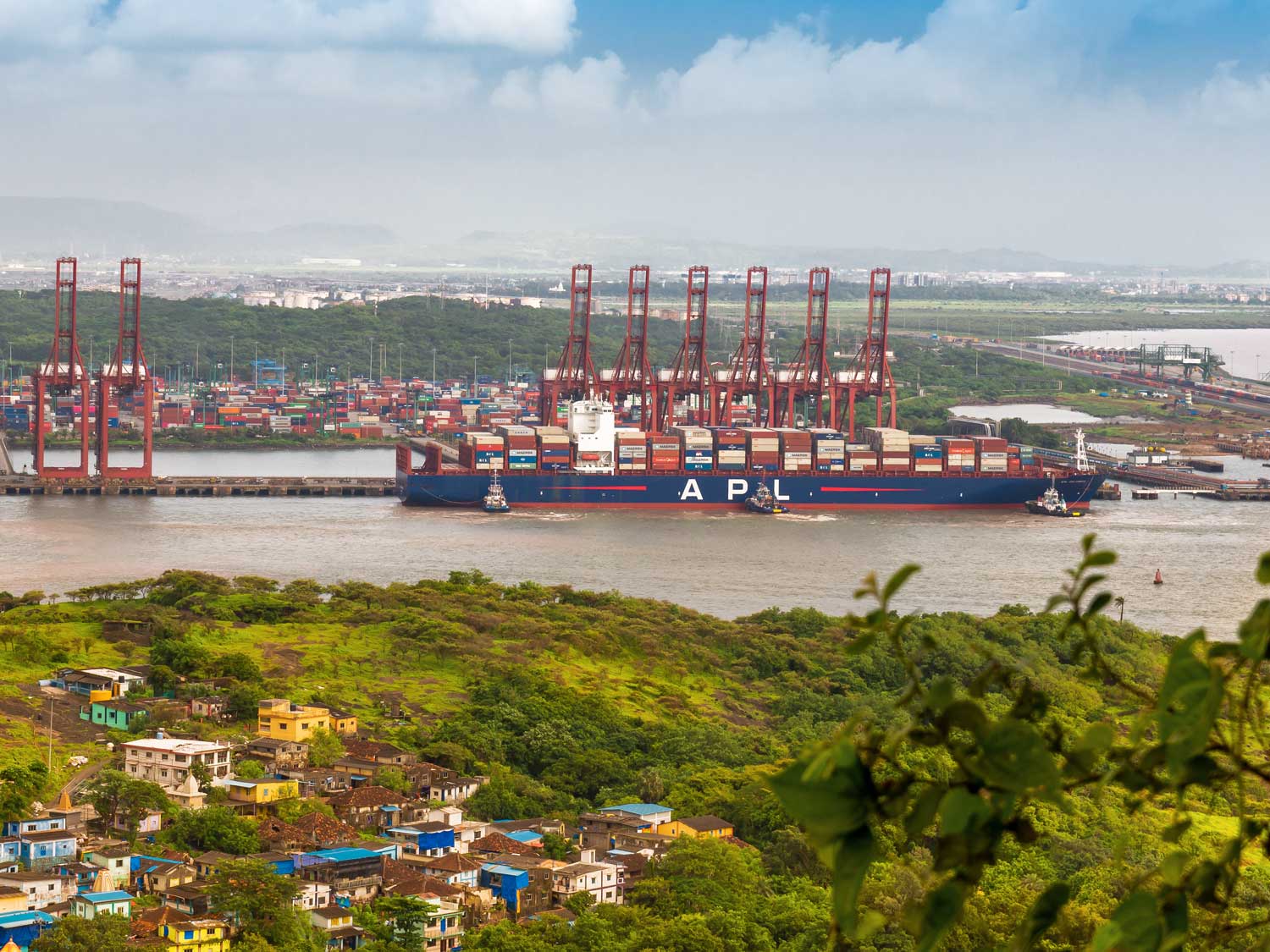
UK businesses sourcing from India face rising logistics costs before and after production, as more expensive Asian imports combine with tight westbound capacity and strong India–Europe demand.
India continues to strengthen its position as a manufacturing and sourcing alternative for UK and European businesses. But the cost of moving goods through the supply chains supporting that growth is rising.
The pressure starts well before finished products leave India. Many manufacturers rely on machinery, components, chemicals, electronics and other inputs imported from China and neighbouring Asian markets. Freight costs on those inbound routes have risen sharply, increasing the cost base for Indian production.
At the same time, strong exports are tightening India–Europe container capacity and pushing westbound freight costs higher.
For UK buyers, that creates a potential double freight squeeze, with logistics inflation entering the product cost upstream before another layer is added on the journey to Europe.
Asian imports into India become more expensive
The first pressure point is emerging on eastbound services into India.
During August, Shanghai–Nhava Sheva spot rates have almost doubled compared with July, while Shanghai–Chennai rates have increased by around 60%. Costs from other Asian origins, including Singapore, have also risen significantly.
Strong seasonal imports ahead of India's festival period are contributing to demand, while congestion at major Asian hubs has disrupted schedules and tightened available capacity.
For Indian importers, the impact extends beyond freight rates. Changing schedules and less predictable transit times make it harder to manage inbound inventory and maintain reliable production flows.
Higher freight feeds into manufacturing costs
The significance for UK buyers comes from China's deep integration into Indian manufacturing.
Rising transport costs for the raw materials and components feeding Indian factories may initially be absorbed through manufacturer margins. If elevated costs persist, however, some will inevitably feed into production costs and finished-product pricing.
That creates a supply-chain exposure that may be difficult to see when procurement decisions focus primarily on the factory price.
An Indian-made product can already contain significant logistics costs before it enters a container for its journey to the UK.
Strong exports tighten the westbound market
The second pressure point is India–Europe shipping.
Indian containerised exports to Europe reached an estimated 518,000 TEU during the first half of 2026, with stronger-than-expected demand creating a pronounced capacity squeeze.
Westbound rates increased again during August and are approaching levels last experienced around four years ago. Space has become increasingly difficult to secure, with some leading India–Europe services selling out several weeks ahead and additional spot capacity appearing only as carriers release allocations.
The problem is not simply growing demand. Available capacity has struggled to keep pace.
Blank sailings, congestion and rolled cargo at Nhava Sheva and Mundra are reducing effective space, while some capacity has been redirected towards growing Latin American flows using Indian ports for transhipment.
For cargo owners, guaranteed space can therefore command a premium, while less flexible shipments face greater rollover and delay risks.
Look beyond the supplier price
India's manufacturing scale and expanding trade relationships continue to make it an important sourcing market. But the changing freight environment reinforces the need to assess the complete landed cost of sourcing there.
A product assembled using Chinese or other Asian components may now carry substantially higher inbound logistics costs. Moving the finished goods from India to the UK then adds a second layer of freight inflation.
For lower-margin or freight-intensive products in particular, those combined costs could materially affect sourcing economics.
Timing matters too. With strong westbound bookings and constrained capacity, waiting for cheaper freight could leave importers competing for even tighter space.
Businesses can reduce that exposure by understanding upstream supply flows, consolidating shipments where appropriate and planning westbound capacity earlier.
Manage the whole supply chain, not just the final leg
The growing relationship between Chinese inputs, Indian manufacturing and European demand means these movements cannot always be managed effectively in isolation.
Metro can connect the complete Asia–India–UK supply chain, providing visibility from upstream suppliers through Indian production and onward to the UK.
With extensive Indian based capabilities, global carrier relationships, consolidation and alternative routing options, we can identify where cost and capacity pressures are building and act before they reach your bottom line. EMAIL Andrew Smith, Metro’s Managing Director, to learn about protecting your landed cost from origin to destination.