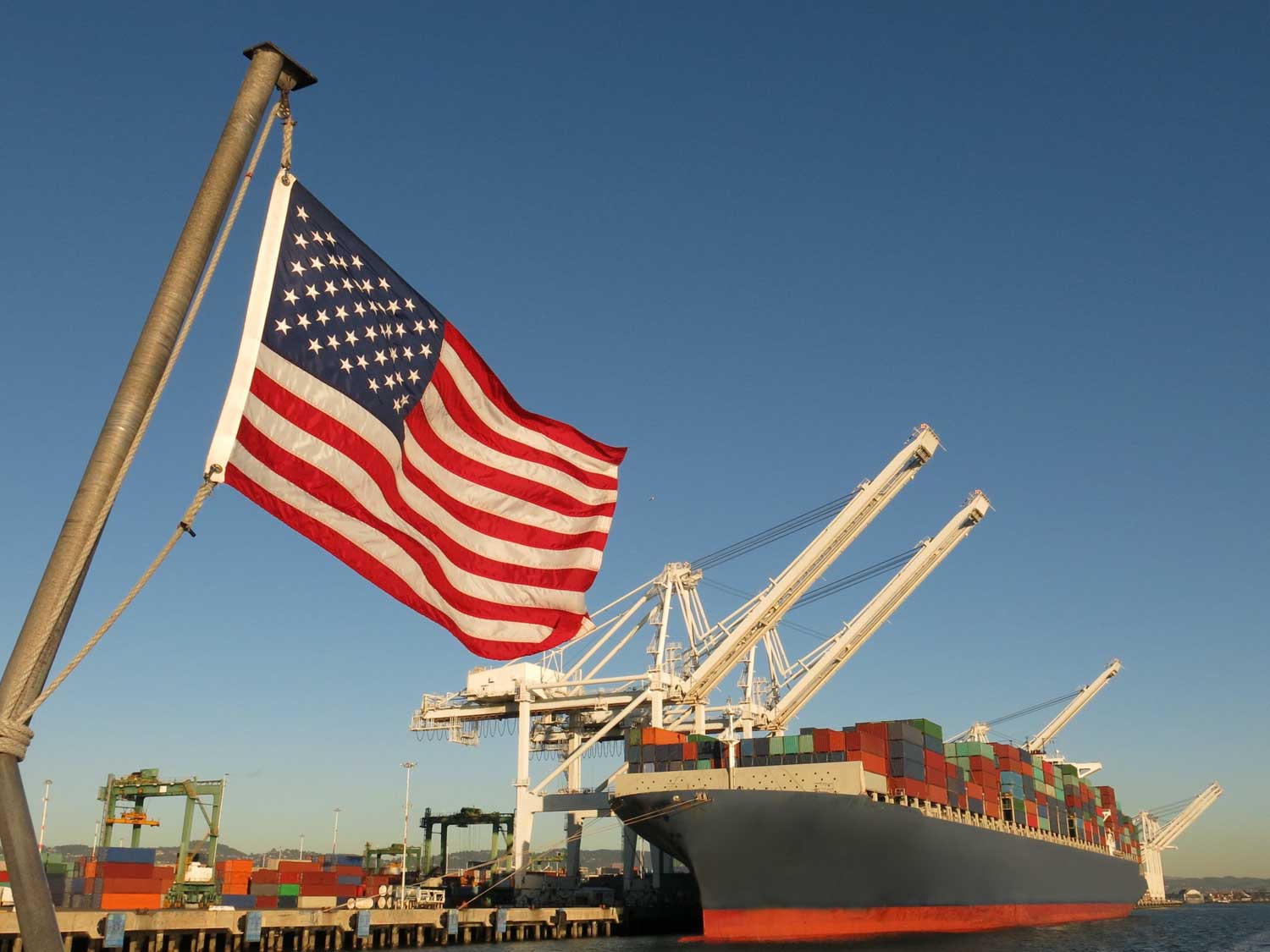
New York port 1440x1080 1

TPM and US review

Organised by the Journal of Commerce, TPM (Transpacific Maritime Conference) is the premier global shipping and supply chain conference, attracting senior executives from all areas of the industry.

Held annually in the port city of Long Beach, California, TPM brings together shippers, carriers, freight forwarders, intermodal operators and technology providers to discuss the most pressing global challenges and developments, for a week of essential networking, seminars, and relationship building.

With over one hundred presentations, interactive speaker sessions and networking events, and almost two hundred speakers, including leaders from the largest brands and carriers on the planet, TPM really is in a league of its own.

Metro’s Chief Commercial Officer, Andrew Smith, joined this year’s conference, to participate in TPM’s insightful panels and forward-thinking discussions to explore the global dynamics and challenges impacting ocean supply chains.

Andrew said “It was important to take the opportunity to travel out to Long Beach for TPM as part of my recent visit to the United States, to meet key customers, partners and carriers. It was a full on trip, encompassing seven cities across the country in just over a week, and the time spent talking to customers in particular was invaluable”.

“The Red Sea crisis was obviously a major talking point among delegates and in particular how to manage a situation which appears to have no immediate solution and is likely to continue for the foreseeable future.”

“TPM was as interesting and insightful as always and I think the key takeaways are well-worth sharing.”

“Keynote speaker Robert Gates, the former CIA director, painted a picture of a world where increasing local conflicts should be anticipated and with the global geopolitical landscape the most challenging it has been for decades, preparedness for future supply chain disruption is essential.”

“In this environment it is perhaps natural that so many shippers are looking at de-risking their supply chains. Resilience and flexibility are at the core of de-risking, with initiatives such as multi-carrier programmes, sourcing diversification, re-shoring and near-shoring.”

“Another takeaway worth highlighting is that despite all the current operational challenges, sustainability still remains top of the agenda for carriers and major shippers, and the TPM programmes reflected this, with nearly a third of the scheduled events featuring environmental, transformation and sustainability issues.”

“My visit to the United States, alongside Metro colleagues regular trips, reiterate our focus and commitment to this important market. This focus will continue and ramp-up further with a new route development role created to expand both customer and partner engagement.”

“To discover how we can support your Transpacific or Transatlantic trade needs, or to discuss any of the issues highlighted here, please reach out to me directly via EMAIL.”

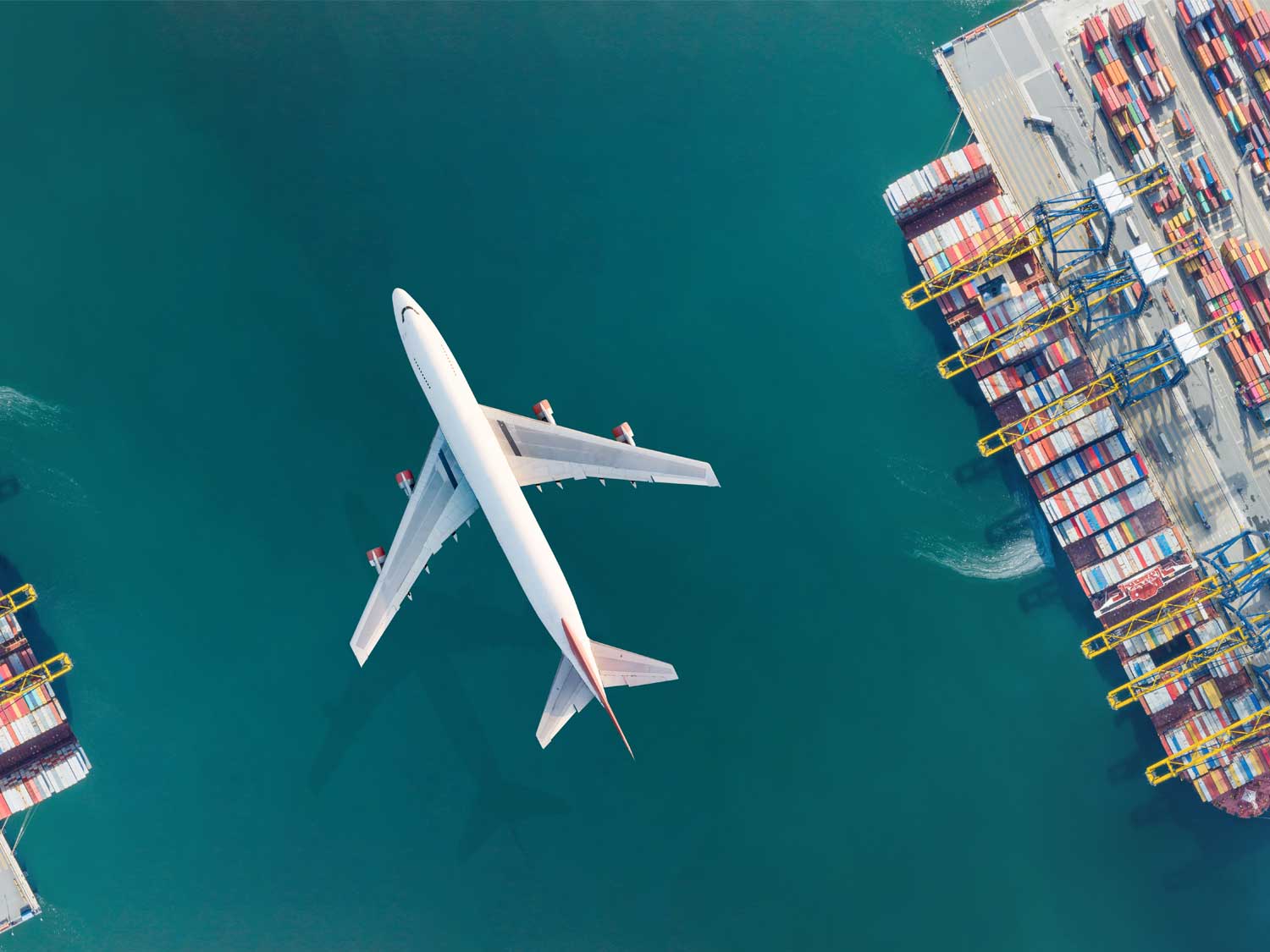
Sea Air aerial

Air freight’s promising 2024 start continues

The global air freight market’s positive start continued last month with significant growth in demand and a corresponding rise in global spot rates, especially from the Indian Subcontinent, which is out of step with traditional market trends.

Traditionally, air cargo demand and spot rates tend to decline following the year-end peak season in the previous year, and in the period immediately after the Lunar New Year.

It’s been a surprising start to the year from a volume perspective, with demand much higher than it was a year ago and not something the market would usually expect.

Clearly the Red Sea disruption is a driving factor, but it is not the only one, with clear signs that consumers are still spending.

With a lot of spend on cross-border eCommerce platforms, it is boosting airfreight demand, particularly from Guangzhou and Hong Kong, and for some carriers eCommerce cargoes now contribute over 50% of their revenue from East Asia.

The growth in demand was so profound and unexpected that some ground handlers at key transhipment hubs imposed short-term embargoes on traffic ex Asia to help clear backlogs caused by the sudden surge in air cargo volumes outpacing the availability of cargo supply.

February’s global volume growth was consistent with January’s increase, in what is traditionally a slower time of year for airfreight volumes. We now wait to see what impact airline summer schedules will have as well as what happens next in the Red Sea. 

We would normally expect to see downward pressure on rates as summer belly-hold capacity returns in the western hemisphere, although lesser so in China, where the travel market is still in recovery mode.

Continuation of the Red Sea crisis is extending transit times and driving down schedule reliability for Asia to Europe trades below 35%, which will continue to encourage the diversion of urgent cargoes to air freight and sea/air services.

The South Asia to Europe market led month-over-month growth, with demand on this trade rising by 18% and the average spot rate from South Asia to Europe increasing accordingly.

India, Bangladesh, and Sri Lanka also experienced significant increases in their general cargo spot rates, driven by strong demand for apparel products from these markets.

With spring in Europe, fashion retailers need seasonal products in-store for the peak sales period and with the subsequent mark down in product cost likely to be greater than the cost of switching from sea to airfreight, the demand is unsurprising.

For urgent, valuable and sensitive shipments we have a range of air freight and sea/air solutions, with block space agreements (BSA) and capacity purchase agreements (CPA) that protect space and capacity on the busiest routes.

Regardless of your cargo type, size and requirements, we have extremely competitive rate and service combinations, to meet every deadline and budget.

EMAIL Elliot Carlile, Operations Director, for insights, prices and advice. 

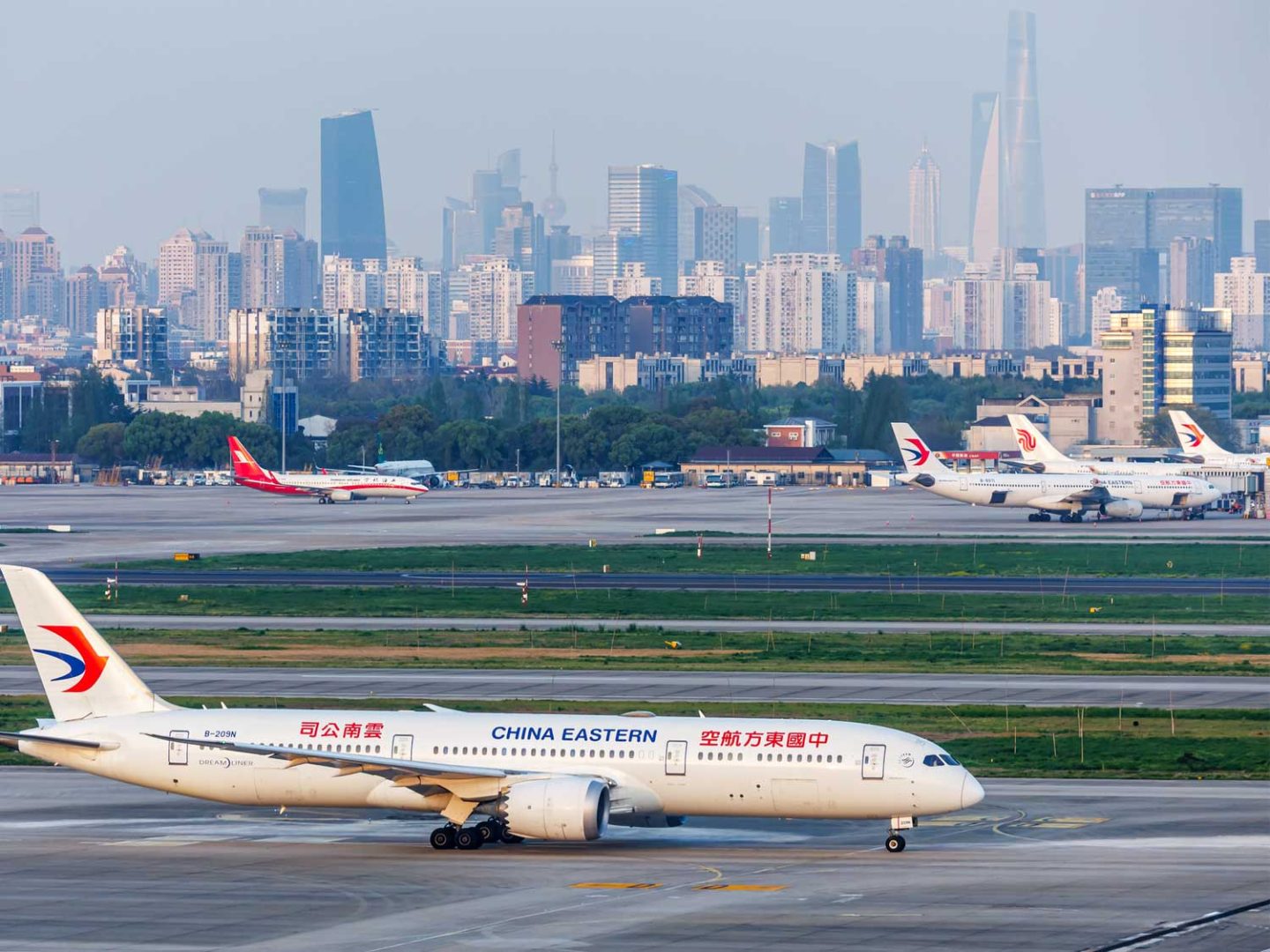
ULD on tarmac

Sea/Air growth undiminished

The latest air cargo data is showing a clear upswing in volumes at key sea/air hubs, as shippers from Asia seek to avoid the extended ocean freight transit that has resulted from the Red Sea shipping crisis.

Over the first two months of the year, volumes to Europe from Dubai, Colombo and Bangkok have increased between 60-70% year on year, while volumes from Singapore increased 10% and Doha by 3% year on year.

As reported in our last bulletin air cargo handlers in both Dubai and Bangkok had implemented a temporary embargo as they struggled to keep up with demand.

Our Sea/Air team are seeing massive volume increases out of Asia, with recent bookings passing the 400 ton mark, which is close to 3x what they would be typically processing at this time of year.

Traffic to Europe from Dubai almost tripled in week seven, having grown nearly 100% over the preceding weeks, while ex-Colombo volumes doubled and Bangkok-Europe tonnages were up 2/3rd’s.

The air freight leg from the hubs and particularly Dubai have become more complicated, with USA bound traffic offering greater yields, which means that many carriers are giving the higher earning cargo priority over 2nd Sea/Air volumes into the UK and Europe.

Metro work around the cherry-picking of higher yielding traffic with our airline block space agreements (BSA) and capacity purchase agreements (CPA) that protect space and capacity, or by using alternative hubs when appropriate.

While there is no certainty that demand for sea/air solutions will continue, there is clearly elevated tonnages to Europe from all the major sea/air hubs currently and it remains to be seen what impact the Lunar New Year holidays will have.

So far at least, volumes remain high out of Dubai, Bangkok and Colombo, but there could be be some lag as the effects of the LNY-related factory closures kick in. Time will tell.

Demand for air cargo
Air cargo demand increased by 18.4% year on year in January the second month of double-digit percentage increases, and the highest increase since summer 2021.

The newly released IATA data shows that cargo tonne kms (CTK) and available capacity both increased, the latter by 14.6% year on year, as belly space continued to be added to the market.

The increase is attributed to rising eCommerce demand and modal shift as a result of the Red Sea shipping crisis.

Looking at regional performance, Asia Pacific airlines saw their air cargo volumes increase by 24.6% year on year in January.

Carriers saw ongoing growth in international CTKs on three major trade lanes: Africa-Asia (+52.5%), Middle East-Asia (+29.5%) and Europe-Asia (+27.5%).

The air freight market is particularly challenging from India currently, with congestion on some routes/lanes leading airlines to increase rates significantly in recent weeks.

India’s economy is buoyant and exports are strong, rising over 3% in January despite the Red Sea crisis.

However, there are limited numbers of outbound flights, in particular cargo only flights, with much air cargo reliant on transhipment services moving through hubs including Dubai, Qatar and Kuwait Airways.

With high demand for first leg flights from India into the transhipment hubs carriers will take higher yielding freight as priority and with USA freight offering premiums of over 100%, UK and European freight becomes less attractive.

Approximately 80% of cargo from India tranships, but the same competition exists on direct flights. British Airways, as an example, will favour the much higher rate available for transhipment freight into North and South America, rather than lower paying cargo destined for Europe. This is a fact.

However we have our own BSA’s and CPA agreements with airlines protecting space and capacity over a fixed period which generally gets honoured from all main gateway airports in India.

For urgent, valuable and special shipments we have a range of air freight and sea/air solutions, with block space agreements (BSA) and capacity purchase agreements (CPA) that protect space and capacity on the busiest routes.

Regardless of your routing and requirements, we have extremely competitive rate and service combinations, to meet every deadline and budget.

EMAIL Elliot Carlile, Operations Director, for insights, prices and advice. 

Sea Air aerial

Red Sea impact on time-critical modes

Shippers’ concerns about Red Sea supply chain delays, plus an early Lunar New Year, pushed up air cargo volumes by 10% in January, but the availability of capacity has kept a lid on spot rates on most routes.

While there has been no definitive immediate increase in air cargo demand due to the Red Sea crisis, a slow and steady increase in demand is looking more likely, as the crisis continues.

Retailers and fashion brands are already shipping more goods by air freight, with air cargo volumes from Vietnam spiking 62% in one week in January, up 16% on the same week in 2023.

There has been a three-week consecutive increase in air cargo volumes from China and Vietnam to Europe in January, surpassing peak season highs, with spot rates from Northeast Asia to Europe climbing 11% in the week ending 28th January.

Lunar New Year related spikes in demand for air freight will also be a contributing factor to increasing volumes, putting pressure on capacity and costs, which could be set to rise further.

Data does suggest that there may be a shift to air and sea/air solutions, with global air cargo tonnages rising 24% in one week in January and while there is usually a strong bounce back after the Christmas break, this year’s increase is 5% above 2023’s.

Elevated tonnage figures to Europe from Asia Pacific and from Middle East & South Asia do reflect some contribution from modal shift on these lanes from sea to air and to sea/air, though spot rates are not rising as rapidly as feared, given the disruption to ocean shipping in the Red Sea.

The situation in the Red Sea is unsettling for many supply chains and it is inevitable that some shippers will need to shift some urgent orders to airfreight, while bringing others forward to secure capacity.

However, this will not have a long-term impact on airfreight and the initial nerves and uncertainty will subside as shippers accept that ocean freight will just take two weeks longer.

While an increase in airfreight and sea-air volumes is apparent, it is not at a magnitude likely to cause disruption and it remains to be seen if it will be sustained past the Lunar New Year.

For valuable, special and time-sensitive shipments we have a range of air freight and sea/air solutions, with extremely competitive rates and service combinations, to meet every deadline and budget requirement.

EMAIL Elliot Carlile, Operations Director, for insights, prices and advice.