Typhoon HKG 1440x1080 1

Blank Sailings, GRIs and a Typhoon Disrupt Asia Shipping

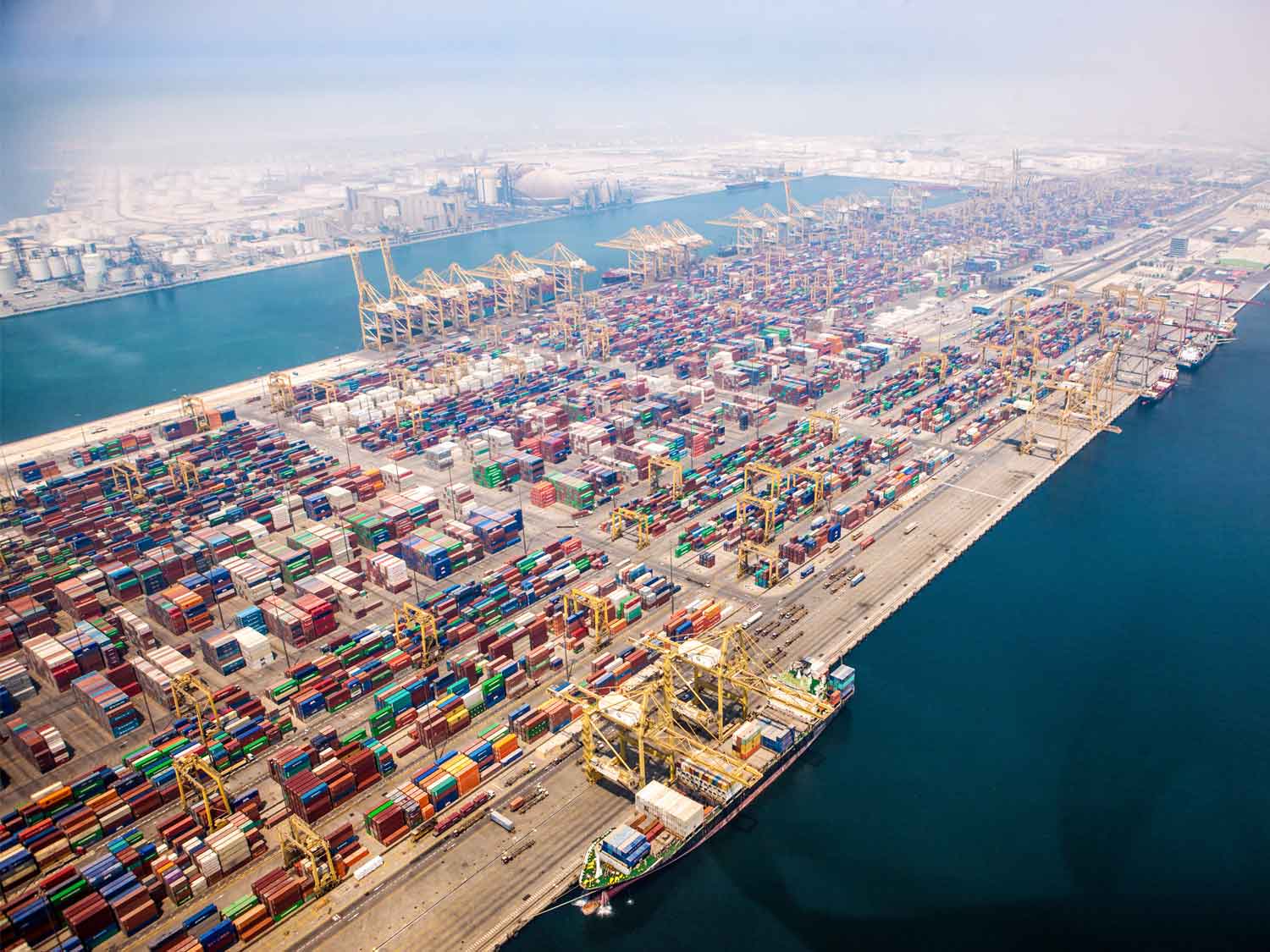
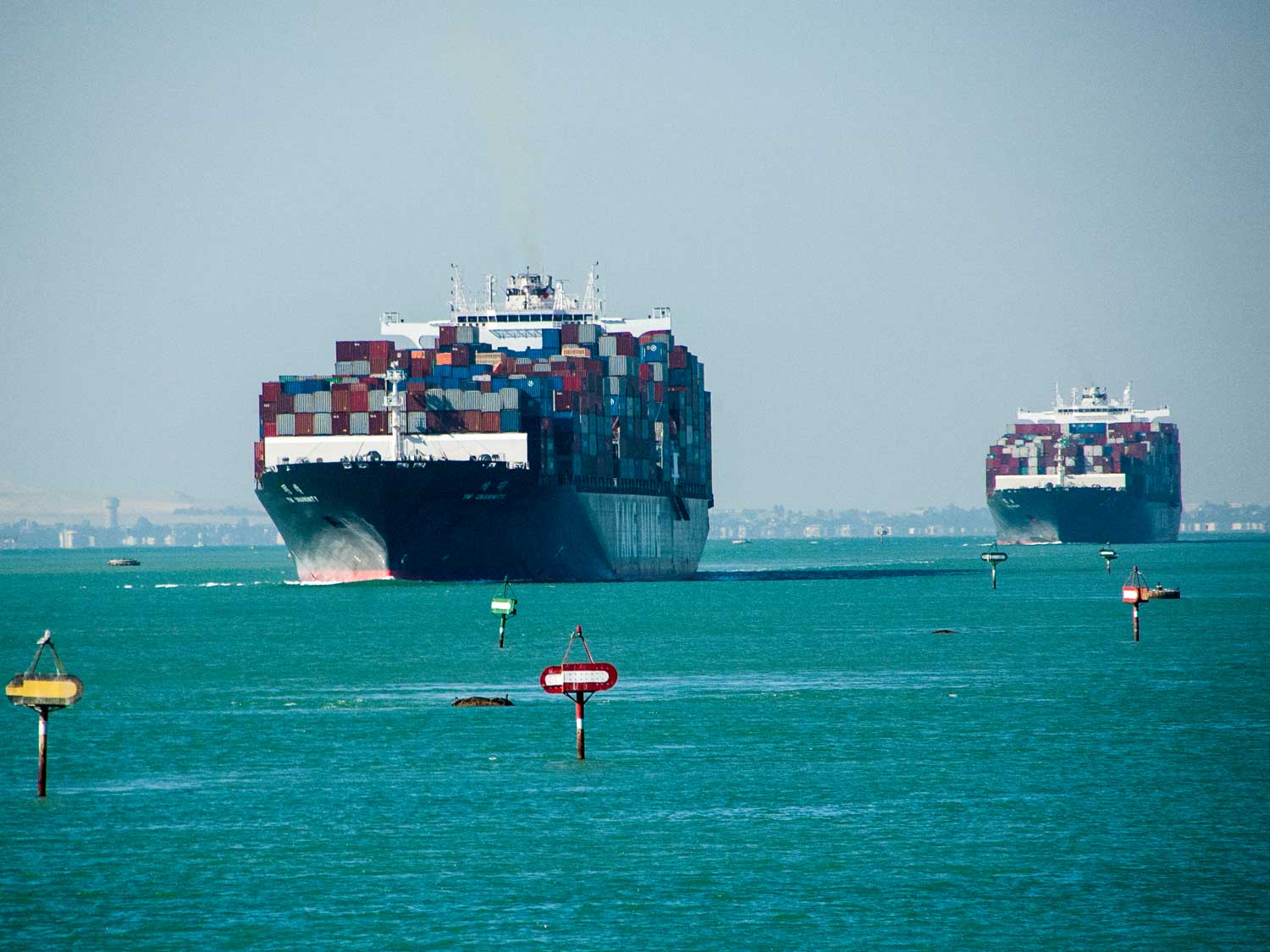
Shippers moving goods out of Asia are bracing for the tightest space and schedule disruptions as the major container shipping lines accelerate blank sailings in the lead-up to China’s extended Golden Week holidays.

Following weeks of tentative planning, lines have now confirmed broad capacity withdrawals, cancelling between 14–17% of sailings on core Asia–Europe and Asia–US routes to offset softer demand amid seasonal and weather challenges.

The unprecedented combination of Golden Week and the Mid-Autumn Festival has pushed factory shutdowns to an eight-day stretch this year, pausing exports at the world’s manufacturing hub.

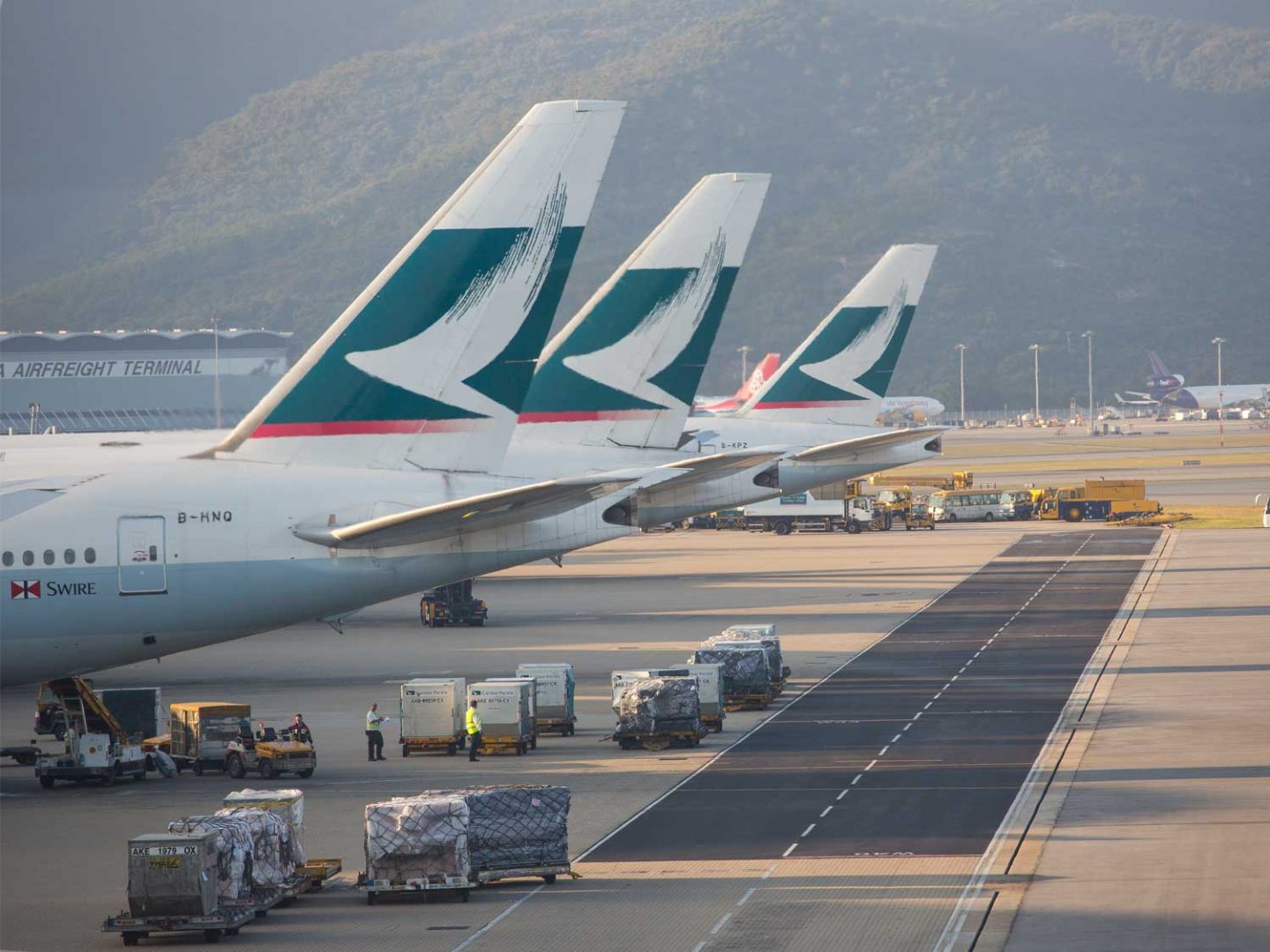
Just days before the holiday, Super Typhoon Ragasa hammered South China, triggering port closures, flight cancellations, and severe equipment shortages. Local experts now expect cargo backlogs and shipping delays to stack up for at least a week beyond the holiday’s official end, intensifying the regional congestion and supply chain volatility.

Carrier Alliances Adjust Rapidly

Analysis of carrier announcements reveals distinct strategies among the largest ocean alliances. Early movers blanked sailings soon after market signals softened, while others opted for aggressive, late-stage cuts in the final pre-holiday weeks. Whether by steady withdrawals or front-loaded cancellations, overall capacity reductions are now on par with historical Golden Week patterns, yet the scale and timing of adjustments this year dwarf previous years and reflect the urgent need for carriers to rebalance supply with dampened demand.

In parallel with capacity cuts, carriers are moving to restore profitability through new general rate increases (GRIs). One major line has announced GRIs effective from early October:

  • Far East–North Europe: $1,200 per 20ft and $2,000 per 40ft.
  • Far East–West Mediterranean: $1,750 per 20ft and $2,500 per 40ft.
  • Far East–East Mediterranean: $1,800–$2,150 per 20ft and $2,600–$2,700 per 40ft, depending on destination.

Meanwhile, another leading carrier has confirmed a peak season surcharge on the westbound transatlantic, at $400 per 20ft and $600 per 40ft.

These surcharges highlight how quickly pricing can swing when capacity is withheld and seasonal demand shifts.

Adding to the disruption, last week’s Typhoon Ragasa forced widespread factory closures and halted container movements across South China. Surges in trucking and equipment charges at origin have been exacerbated by the post-typhoon scramble.

Why Carriers Blank Sailings

Blank sailings, a carrier’s decision to skip or cancel specific port calls, or even entire voyages, are a crucial tool for controlling costs and freight market stability. These cancellations can occur due to falling demand, port congestion, storms, mechanical breakdowns, or as part of a calculated strategy to support freight rates in an oversupplied market.

Blank sailings happen for several reasons:

  • Low demand – such as after Chinese New Year or Golden Week.
  • Port congestion – strikes, bottlenecks, or canal delays.
  • Weather disruptions – storms or unsafe docking conditions.
  • Mechanical issues – urgent vessel repairs.
  • Market strategy – cutting supply to stabilise freight rates.
  • Regulatory or political disruption – new rules or regional instability.

The Shipper’s Challenge

Blank sailings mean longer lead times, unpredictable offloads, and more frequent cargo rollovers. Freight may get rerouted, remain at origin for extended periods, or be consolidated on later vessels, driving both and planning complexity up.

To keep shipments moving and mitigate delays, shippers should:

  • Build more time buffers into supply chain schedules during holiday and storm periods.
  • Use tracking and analytics tools for early indications of disruption.
  • Diversify carriers, prioritising reliability and fast rerouting capabilities.
  • Communicate proactively about possible delivery delays.
  • Explore alternative transport modes for urgent consignments.

With volumes likely to stay subdued until the seasonal year-end surge, further blank sailings could be triggered in response to lingering congestion and uneven recovery.

The weeks ahead demand vigilance, agility, and close collaboration.

At Metro, we work hand-in-hand with our network and carrier partners across China to keep your cargo moving, even when the market is disrupted. From time-sensitive shipments to sudden blankings, our sea freight team finds the capacity and alternative solutions you need.

By sharing forecasts on critical dates and volumes, you’ll help us secure the right space to safeguard your supply chains and shield you from looming GRIs.

EMAIL Andrew Smith, Managing Director, today to explore how we can protect your ex-Asia supply chains and insulate you from threatened GRIs.

US court 1440x1080 1

US Targets Tariff Evasion

The White House has launched a revitalised Trade Fraud Task Force to clamp down on tariff evasion and customs violations. This coordinated cross-agency initiative is set to bring sharper enforcement tools and greater scrutiny to a trading environment already complicated by regulatory uncertainty and shifting tariffs.

The new Task Force brings together agents and specialists from Customs and Border Protection (CBP), DOJ, and Immigration and Customs Enforcement (ICE), with the explicit aim to aggressively pursue importers and affiliates who attempt to evade tariffs, duties, and import restrictions.

Exporters, as well as importers, should note that enforcement now targets not only mis-declaration of country of origin and tariff classification but also complex global fulfilment models and transhipment tactics commonly used to optimise duty payments.

Recent enforcement cases have involved importers penalised for inaccurately reporting the origin of goods or misrepresenting tariff categories, with multimillion-dollar fines levied under the False Claims Act.

As these measures ramp up, UK exporters must be prepared to demonstrate robust compliance processes, maintain meticulous records, and ensure transparency in customs documentation.

Civil and Criminal Measures

The launch builds on recent DOJ activity, where multiple settlements involving trade fraud have been reached since President Trump returned to office.

Recent cases include both failure to declare correct country of origin and deliberate misrepresentation of goods, with penalties reaching into the millions. The False Claims Act, traditionally used for government contractor and healthcare fraud, is now increasingly deployed to investigate and penalise customs violations, expanding the law’s scope within the trade sector.

A major element of this strategy is the expansion of whistleblower programmes, rewarding those who provide actionable leads on tariff, customs, and trade fraud. The DOJ has made clear that it intends to continue scaling these enforcement efforts and leverage whistleblower-driven intelligence to bolster the detection and prosecution of evasion schemes.

Uncertainty for Importers

Importers face growing compliance pressure as a direct consequence of these changes. The rapid rollout of enforcement comes as legal battles rage over tariff legitimacy and definitions, compounded by lingering ambiguity on what constitutes transshipment or qualifying country-of-origin. Shifting tariff rates by trading partner and category further complicates import cost management and supply chain transparency.

Companies manufacturing overseas, utilising complex fulfilment or multi-country storage, and those unfamiliar with recent regulatory changes risk exposure to sanctions and penalties.

With Customs and Border Protection continuing to flag difficulties in identifying and assessing duty on goods moved through indirect or deceptive routes, the new Task Force signals a more determined and well-resourced effort to close these enforcement gaps.

Takeaways for Global Traders

For businesses engaged in cross-border trade with the US, renewed vigilance is now essential. Meticulous record-keeping, robust compliance audits, and transparent reporting are key steps to minimise risk under the heightened enforcement regime.

As the Task Force expands its remit to cover a broad array of customs and tariff breaches, organisations must prepare to meet more demanding legal standards and guard against evolving investigation tactics.

In this fast-changing regulatory climate, proactive compliance and expert guidance offer the best defence, and securing a competitive foothold in US markets means staying one step ahead of enforcement trends.

For Metro clients, this trend creates new challenges in export planning and risk management. Those sending goods to the US must ensure their paperwork, origin declarations, and valuation methods strictly align with current customs codes.

Metro’s sector experience enables British exporters and US importers to navigate these requirements with confidence and reduce exposure to unexpected penalties.

EMAIL Andrew Smith, Managing Director, today to explore how we can support regulatory compliance and success in the United States.

conservation 1440x1080 1

EU Deforestation-Free Product Law Faces Further Delays

The EU Regulation on Deforestation-Free Products (EUDR), which defines compliance obligations for businesses trading with the European market, is facing further implementation delays.

Designed to prevent the sale and export of goods linked to deforestation and forest degradation, EUDR applies to a wide range of commodities, including wood, paper, palm oil, rubber, coffee, cocoa, soy, and livestock.

On 23 September 2025, the European Commission announced it is considering another one-year delay to EUDR enforcement—postponing the application of the law from December 2025 for large companies to December 2026, and for smaller firms from June 2026 to June 2027.

This marks the second official delay as EU authorities struggle to roll out the IT infrastructure needed to handle due diligence statements and monitor supply chain transactions at scale.

Defining the EUDR

The EUDR is a core plank of the EU Green Deal, aiming to sever the link between Europe’s consumption and global forest loss. Companies placing relevant products on the EU market or exporting them from the bloc will be required to prove those goods are legal, traceable, and entirely deforestation-free.

To comply, businesses must maintain paperwork and geolocation data showing that commodities are sourced from land that has not been deforested after December 2020.

Due diligence statements will need to demonstrate negligible risk and trace every relevant batch from origin to final sale. Third-party certifications like FSC can help streamline compliance but do not serve as automatic proof; additional geolocation mapping and risk assessment remain mandatory for full EUDR compliance.

The latest delays are being linked with concerns over potential system “slowdowns” and disruptions that could stall trade and make compliance impossible for thousands of businesses.

The risk of further simplifications or legislative changes has also emerged, with some political groups pushing to amend the law’s benchmarking system and even introduce a “zero-risk” exemption for certain countries.

Implications for Metro Customers

  • The delay gives economic operators slightly more time to adapt their sourcing and compliance systems but increases uncertainty for businesses who have already invested in EUDR preparation.
  • Large and small companies alike must now track shifting requirements, especially as the regulation could change further in parliamentary negotiations.
  • Businesses sourcing affected commodities (timber, coffee, soy, cocoa, etc.) should continue mapping supply chains, aligning procurement strategies with deforestation-free criteria, and strengthening traceability processes, particularly around geolocation data and documentation.
  • If companies use FSC certification, extra steps are now needed: ensuring plot-level traceability and robust risk evaluation, not just certification documents.

What Comes Next?

The European Commission’s latest proposal is not yet final. Metro customers trading with or into the EU should stay up to date as legislative details and IT infrastructure roll out, and be ready to pivot quickly if further changes to EUDR emerge.

As enforcement eventually resumes, the EUDR is set to become a defining feature of UK–EU supply chain management and trade compliance, shaping how Metro supports customers in navigating new environmental obligations and regulatory risks.

EMAIL Andrew Smith, Managing Director, today to explore how we can support EUDR compliance and reporting.

Rachel Reeves 1440x1080 1

UK Economic Pulse: Stagnation in July Signals a Fragile Balance for Trade

The UK economy stalled in July 2025, with GDP flatlining after June’s 0.4% rise. While this performance matched market expectations, the detail matters: services and construction posted marginal gains, but a 0.9% drop in industrial output dragged the total to zero.

For manufacturers, the 1.3% decline in production over the three months to July is a warning sign. Weakness in sectors such as pharmaceuticals, which typically underpin high-value exports, reflects reduced investment and ongoing global trade frictions. For importers, slower factory output means less demand for inbound raw materials and components, while exporters face thinner volumes and heightened uncertainty around international orders.

Services activity edged up by 0.1% in July, supported by retail and hospitality, while construction expanded 0.2%. For retailers, this stability is important as consumer-facing demand keeps supply chains active and underpins steady import flows of finished goods.

The resilience of construction, meanwhile, sustains demand for bulk transport, materials distribution, and specialist haulage.

Retail and eCommerce continue to play a vital role in logistics real estate, driving nearly one-third of all industrial and warehouse take-up in the 12 months to Q2 2025. However, rising vacancies and slower rental growth suggest a more competitive property market, with prime property leading.

A Slow-Growth Outlook

Economists forecast modest UK growth of 0.3% for Q3, keeping recession fears at bay but offering little upside. For manufacturers and exporters, this translates into subdued demand at home and limited relief from external pressures. Importers may see steadier conditions if services-driven consumer activity holds, but global headwinds, from tariffs to shifting sourcing strategies, will continue.

For logistics providers, the picture is mixed: growth in some verticals offsets decline in others, but rising operating costs and skills shortages are eroding margins. Many firms are delaying expansion or fleet upgrades until greater economic clarity emerges.

The Bank of England cut rates to 4% in August but has since signalled a pause on further easing. Inflation, still close to 4%, and slowing wage growth leave policymakers cautious. 

For SMEs in logistics and manufacturing, elevated borrowing costs remain a major obstacle. Access to affordable credit is restricted, curbing investment in new vehicles, facilities, and technology. Nearly one-third of smaller operators report scaling back operations due to finance constraints.

Retailers and importers, heavily reliant on efficient logistics, are indirectly affected. Higher financing costs across the supply chain can reduce investment in capacity and innovation, tightening the system at a time when resilience is most needed.

Logistics as an Economic Anchor

Despite these challenges, the logistics industry continues to prove its value. Contributing over £170 billion to the economy in 2024 and employing more than 8% of the workforce, logistics underpins every sector that manufacturers, retailers, importers, and exporters depend on.

Occupier demand for prime logistics space remains steady, investment volumes are expected to rise in the second half of the year, and long-term fundamentals are strong. Yet the market is shifting. New warehouse completions and a rise in secondhand stock are pushing up vacancy rates, softening rents, and increasing incentives for occupiers, which may present opportunities to secure favourable terms in a cooling market.

Conclusion: Caution and Opportunity

July’s GDP stagnation is not a crisis, but a signal that the economy is balancing precariously. Manufacturers face declining output, retailers and construction are holding the line, and importers and exporters must manage supply chains against a backdrop of tariffs, weak trade flows, and limited finance.

Logistics sits at the centre of this crossroads. The sector is challenged, but it also offers opportunities—from property leverage to supply chain optimisation—for businesses that act decisively. For shippers, the message is clear: staying agile, building resilience, and forging strong logistics partnerships will be critical to navigating the months ahead.

With growth flat and costs elevated, every decision on sourcing, inventory, capacity and space matters. Metro combines market monitoring with cost modelling, contract strategy and logistics optimisation to help you seize opportunities and protect margins.

EMAIL Laurence Burford, CFO, for expert guidance on risk management and supply chain resilience.