
European market review and group developments

European market review and group developments

The European freight market continues to face a complex landscape, characterised by fluctuating demand and evolving capacity challenges. In this review, we examine the current state of the road freight market and highlight recent group developments, including the acquisition of a Portuguese intermodal specialist and the launch of a new container shipping service.

Road Freight Market
Despite some positive economic developments, the road freight sector remains challenged by uncertain demand, with no indication of a trend reversal over the summer. This persistent issue is also evident in the capacity trends reported by TIMOCOM’s index. Significant capacity bottlenecks were noted in the first quarter, primarily due to reduced truck fleets.

This trend persisted into the second quarter, with the ratio of freight to cargo space standing at 77:23, dropping further to 73:27 in July, which is typical for the summer months. Despite these challenges, freight rates remain high. Although diesel prices have moderated, other costs, such as driver wages, continue to rise.

The TEG Index tracked a 6% year-on-year increase in haulage prices in July 2023, reflecting the rising costs that hauliers face. This index typically shows prices stalling over the summer before recovering in September, indicating that current trends are in line with historical patterns.

Acquisition of Portuguese Intermodal Specialist
We are pleased to announce the acquisition of Portuguese intermodal specialist KLOG. This acquisition allows us to enhance our intermodal transport capabilities, particularly for customers with significant continental volumes or those aiming to meet decarbonisation targets.

KLOG is renowned for its efficient, reliable, and cost-effective intermodal services to and from the Iberian Peninsula, serving some of Europe’s largest retailers, brands, and manufacturers. Their established rail services to and from Germany and Poland, via hubs in Spain and France, present significant opportunities for shippers trading between Northern Europe and Iberia.

KLOG currently operates two block train departures a week to and from their Portuguese rail hub to Poznan in Poland and Duisburg in Germany, routing via France and Spain. 

These services are complemented by short sea/rail connections. Additionally, four block trains run weekly between Entroncamento (Portugal) and Tarragona (Spain), with a further three block trains operating weekly in Spain between Tarragona, Bilbao, Valladolid, and Sevilla.

A wide range of 45’ equipment is available for all services, including curtain-side, dry container, and refrigerated containers, as well as 20’ ISO tanks. Last-mile delivery and/or collection from the Tarragona hub is available with e-trucks as an option.

Key Benefits:
– 24/7 Control Tower Service
– High rail frequency with daily departures
– Reliable lead-time comparable to road transport
– Sustainable solutions available year-round
– Reduction in truck usage and reliance on scarce driver resources
– CO2 emission reductions of 90% compared to road alternatives

New container shipping service connecting Spain, Portugal, and Northern Europe
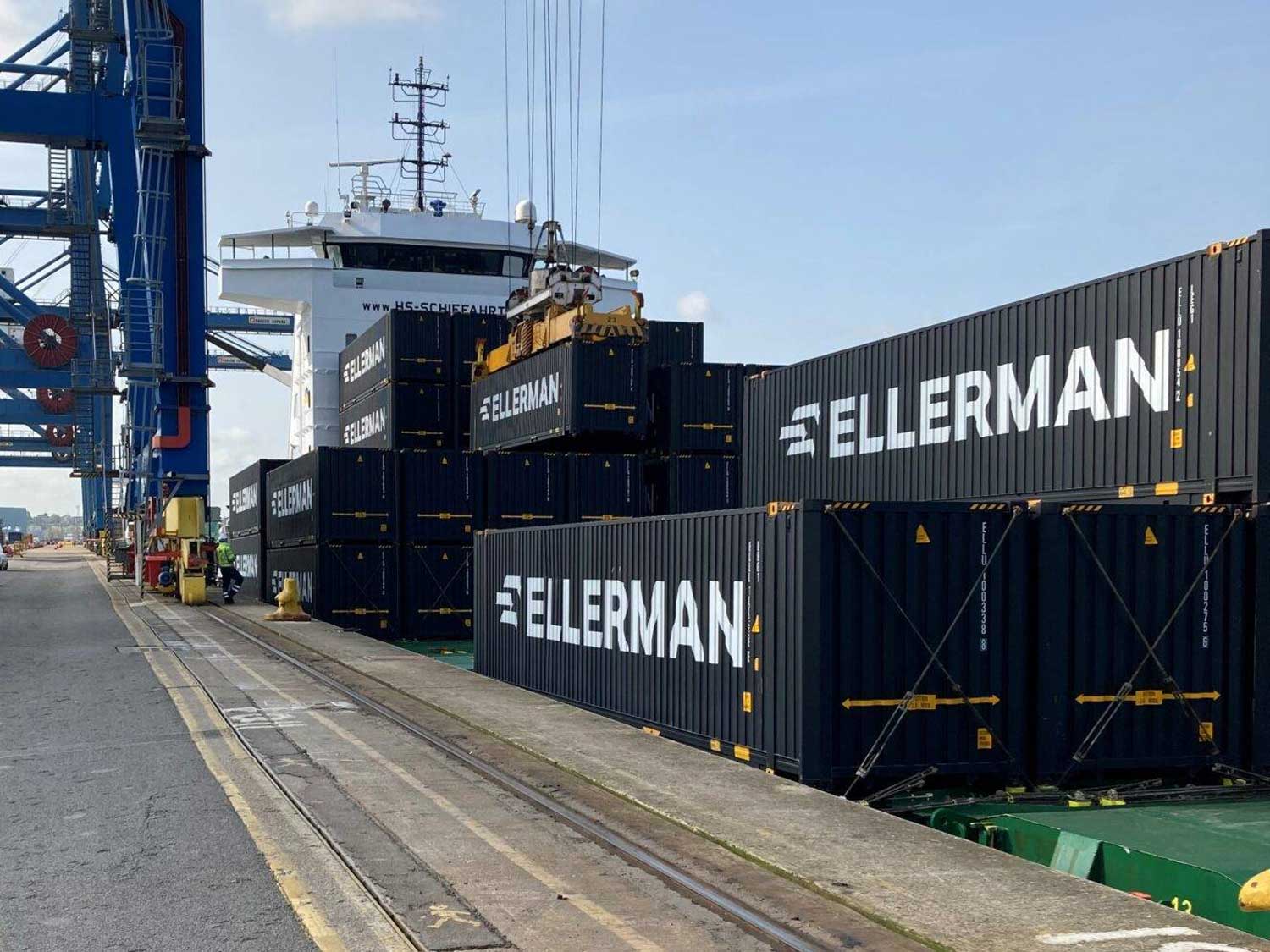
Ellerman City Liners, a group container shipping line with over 120 years of history, has introduced a new joint service with CMA CGM, connecting Spain, Portugal, and Northern Europe. This service aims to address ocean freight capacity shortages on key trade lanes, providing speed, service, and certainty to supply chains.

The first vessel of the new iNEX service departed Rotterdam on 9th July 2024. This service enhances efficiency, expands geographical scope, and reduces the carbon footprint for shippers. Operated with two 1,400 TEU vessels, the weekly sailing schedule includes the ports of Cadiz, Setubal, Leixoes, Ferrol, Tilbury, Dunkirk, and Rotterdam.

By working closely with partners Ellerman and KLOG, we are expanding the intermodal options available to our customers, delivering cost-effective and sustainable services as part of our commitment to decarbonising the supply chain.

Metro’s integrated transport services streamline import and export product flows across Europe, North Africa, and Turkey. By combining road, intermodal, and short sea modes, we ensure more efficient cargo transportation, reduced delivery times, and cost savings.

Our extensive partner network, multi-modal transport solutions, and MVT supply chain platforms are designed to meet even the most complex requirements across multiple regions, vendors, and customers.

Discover how we can enhance your trans-continental trading. EMAIL our Chief Commercial Officer, Andrew Smith, to arrange a consultation and scoping discussion.

Europe may experience its own near-shoring boom

Europe may experience its own near-shoring boom

As planes descend into Monterrey airport, an expanse of warehouses and manufacturing complexes stretches out for miles, exemplifying the near-shoring boom that has swept through Mexico in recent years, as Asian companies and their supply chains move closer to the United States.

Drivers of Mexican Industrial Growth
One might argue that this surge in Mexican industrial production and exports to the US is part of a 30-year evolution, initially driven by the North American Free Trade Agreement (NAFTA), which established a free trade area among Canada, the US, and Mexico.

However, additional factors have recently propelled Mexico to replace China as the US’s most important trading partner.

1. US-China Trade War: Trade has shifted from China to countries like Mexico due to the ongoing trade conflict
2. Biden Administration’s Supply Chain Strategy: Emphasis on near-shoring has highlighted Mexico’s role in the China+1 strategy
3. Production-Sharing Schemes: Mexico’s longstanding expertise in these schemes makes it a valuable partner in regional manufacturing and trade
4. Low Labor Costs: Average manufacturing wages in Mexico are lower than those in China

Ironically, many of the companies that are being set up for manufacturing and transition to Mexico are actually owned by Chinese entities and companies. It is a migration of Chinese manufacturing to Mexico and this also has the benefit of lowering supply chain and shipping costs and the big one – reducing some of the duty and anti-dumping duty that has been, and will likely continue to be, levied on Chinese origin goods and raw materials.

Lessons for Europe
A critical element is the presence of a long-standing free trade agreement, because near-shoring thrives in an environment that fosters supply chain relationships and networks over time and effective near-shoring relies on a regulatory and trading environment that supports such activities. 

Expecting near-shoring to emerge without a developed and supportive environment is unrealistic. The EU, with its well-developed internal free trade and regulatory framework, together with external trade agreements with countries like Egypt and Morocco is well-positioned to adopt near-shoring strategies.

In Europe, geopolitical relations with China are a concern, but recent supply chain disruptions are increasingly driving the adoption of China+1 strategies. Europe has been shifting its manufacturing and supply chain activities eastward and into North Africa.

Opportunity
Countries like Turkey, Hungary, Egypt, Morocco, Poland, and Romania offer compelling near-shoring opportunities due to their lower wage rates and higher productivity compared to Western Europe.

The EU is well-positioned to capitalise on near-shoring activities and so too is the UK, with its close EU ties and inherited trade agreements. This has already been highlighted by the new UK government, as a goal to re-negotiate trade agreements with the EU and could make closer sourcing a more prevalent and cost effective strategy going forward in the next few years.

We are seeing regular migration of manufacturing and sourcing closer to the UK and EU and this has many benefits, as long as the material price is comparable with Far East manufacturing costs, which have been the big incentive.

Metro and our associate companies, are well positioned to give advice, recommendations and adapt supply chains regardless of the areas that you are sourcing from or selling to.

We have a variety of services and solutions covering overland trucking, rail freight, short-sea containerised solutions on our own vessels and local warehousing and distribution at most industrial hubs throughout Europe and North Africa. 

Please arrange a call/meeting and we can go through the current and future options, to add value to your global development strategy. We can guarantee that it will not be time wasted!

Stable, well-regulated trading environments and cost-effective, high-productivity production locations in Central and Eastern Europe and North Africa provide a strong foundation for supporting near-shoring initiatives.

Metro’s integrated transport services are designed to support JIT manufacturing requirements across the EU, North Africa and Turkey and are ideally positioned to support new near-shoring requirements.

Our partner network, multi-modal transport solutions and MVT supply chain platforms are all geared towards supporting an evolving sourcing programme and on-boarding new suppliers. 

If you would like to learn how we can boost your ability to source from alternative manufacturing regions, EMAIL our Chief Commercial Officer, Andrew Smith, to arrange a consultation and scoping discussion.
Importers concerned at cost of Brexit trade checks

Importers concerned at cost of Brexit trade checks

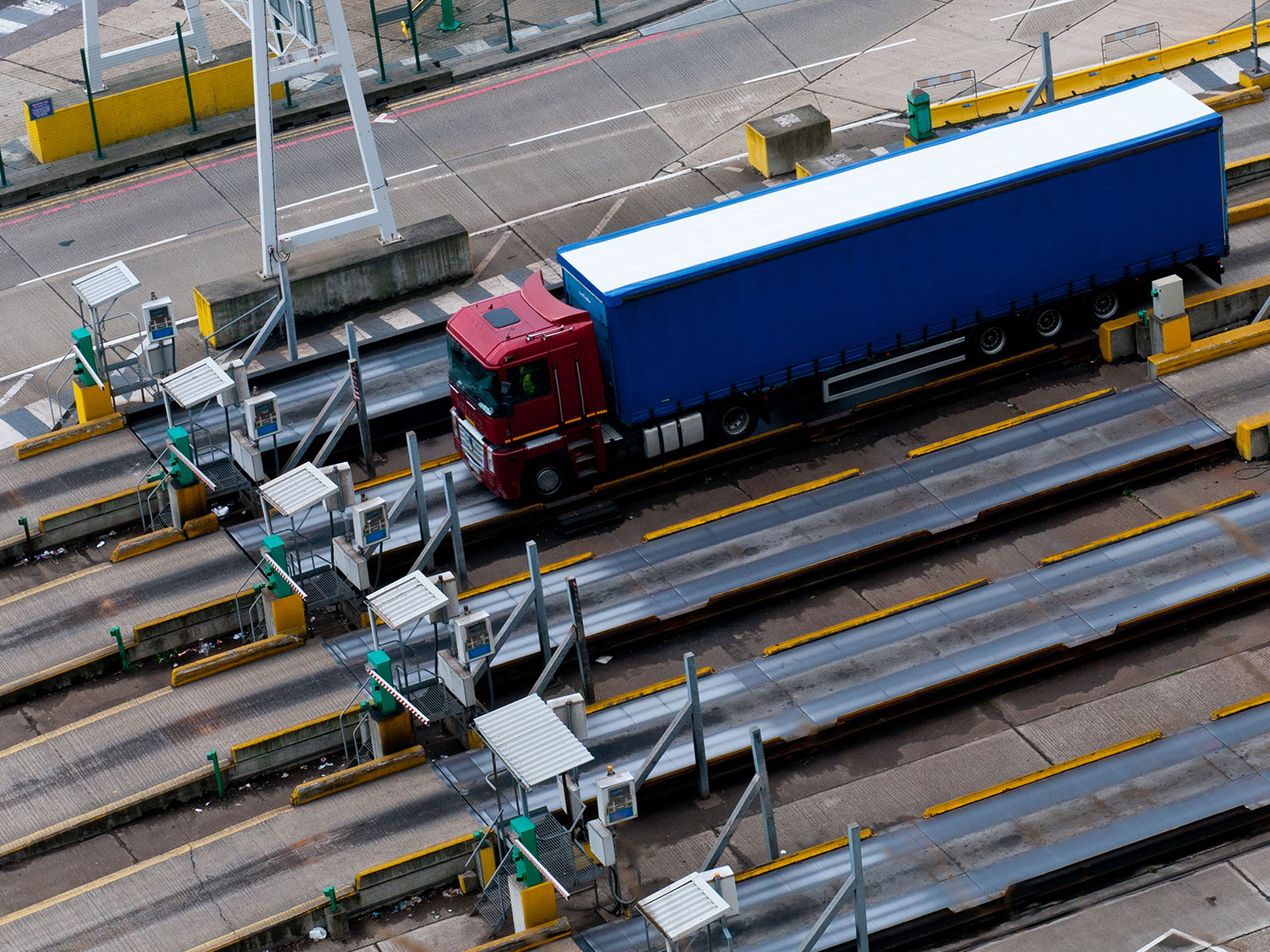
Delayed five times by the UK government, post-Brexit physical border checks of animal products, plants and plant products through the Port of Dover and Eurotunnel were finally implemented on the 30th April 2024. However, importers of affected products express concern about additional costs.

The common user charge (CUC) was also introduced on the 30th April for commercial movements of animal products, plants and plant products through the Port of Dover and Eurotunnel.

It covers imports, goods in transit and goods eligible for sanitary and phytosanitary (SPS) checks at a government-run border control post.

The CUC applies to small imports of products such as plants, seeds, fish, salami, sausage, cheese and yoghurt. The flat-rate of £10 or £29 per commodity has been capped at £145, “specifically to help smaller businesses”, Defra said.

Health certificates were introduced in January on EU goods ranging from cut flowers, to fresh produce including meat, fruit and vegetables, but physical checks for the goods came into force two weeks ago.

Physical checks will be based on the “risk” category that goods fall into, so high-risk goods, such as live animals, will be subject to identity and physical checks at the border.

Products that present a medium risk to biosecurity will also be checked, while low-risk goods, such as canned meat will not require any checks.

But businesses, especially smaller companies, have raised concerns that the new checks from the EU could disrupt their supply chains and despite the £145 cap will increase their costs, with one importer interviewed by the BBC, suggesting “the checks would cost his business between £200,000 and £225,000 per year.”

Controls for SPS goods from the rest of the world are long-established and traders are aware of the responsibilities and inherent risk of goods moved from the rest of the world, but the extensions to goods moving from the EU is catching them out.

An additional CUC cost of £29 for a single commodity is minimal, but if you have four trailers carrying five or more commodities arriving every day then you easily add £200,000 plus to your supply chain.

There have been some easements with Customs, which allow fewer inspections and there are processes which can reduce costs, but preparation is key and the correct documentation is critical in ensuring a smoother frontier transition.

Metro are at the forefront of customs brokerage solutions, with our automated CuDoS declaration platform.

We can automate your CHED import notification, on the import of products, animals, food and feed system (IPAFFS) and simplify customs compliance, to safeguard your supply chain and cut costs.

To learn more about CUC or CuDoS, or how we can simplify and automate customs declarations for your business, please EMAIL Andy Fitchett, Brokerage Manager.

Driving road freight excellence

Driving road freight excellence

Into his second year Metro’s European Director, Richard Gibbs, updates us on his mission to develop the infrastructure, systems and services that will provide the best European transport solutions, for effectiveness and cost efficiency. 

“Metro has expanded its European road freight platform considerably in 2023, growing the dedicated commercial and operational team by 12 and we are forecasting the continuation of this trajectory in 2024, with a 100% further increase in shipment numbers.

European road freight, cross-trade movements and associated customs operations are managed by teams located at our Global HQ in Birmingham, Manchester and Desford.

These dedicated road freight teams leverage their extensive knowledge, market expertise and unrivalled customer service to deliver efficient, road transport solutions, with full visibility and dashboard control available via the MVT supply chain management platform.

It is the teams’ attention to detail and focus on the little things that achieves the ideal balance of lead-time, capacity, frequency and cost, to transform standard road freight services into something very special, that meet every supply chain need.

Departing daily from around the UK and Europe; our secure full load services embrace general cargo, temperature-controlled, garment logistics and out-of-gauge shipments.

Larger part-load movements, over 1,500 kilos, are collected, transported and delivered on the same vehicle which ensure maximum reliability, security and speed.

For urgent shipments we provide an all-in price, transit time and booking for European Express van shipments, including guaranteed next day delivery.

With defined departure and delivery dates, our groupage services are the perfect economical solution for smaller cargo loads. Reliable door-to-door solutions, with easy booking, seamless customs processing and online tracking.

Cargo is received continuously at our midlands hub and continental freight centres for daily groupage departures to and from destinations across Europe, with Q2 expansion of groupage services to/from France/Germany/Benelux/Turkey and Iberia.

Continued growth in customer demand and team members means the team in Manchester has recently increased its office footprint (see pics below) and their road freight colleagues in Desford are in the process of relocating to a new location, which is 500% larger in Earl Shilton, Leicestershire.”

To learn more about our European capability, including FTL/LTL, groupage, express, customs brokerage (CuDoS) and distribution (DDP) solutions EMAIL Richard Gibbs.