food study

Air freight situation and outlook for 2025

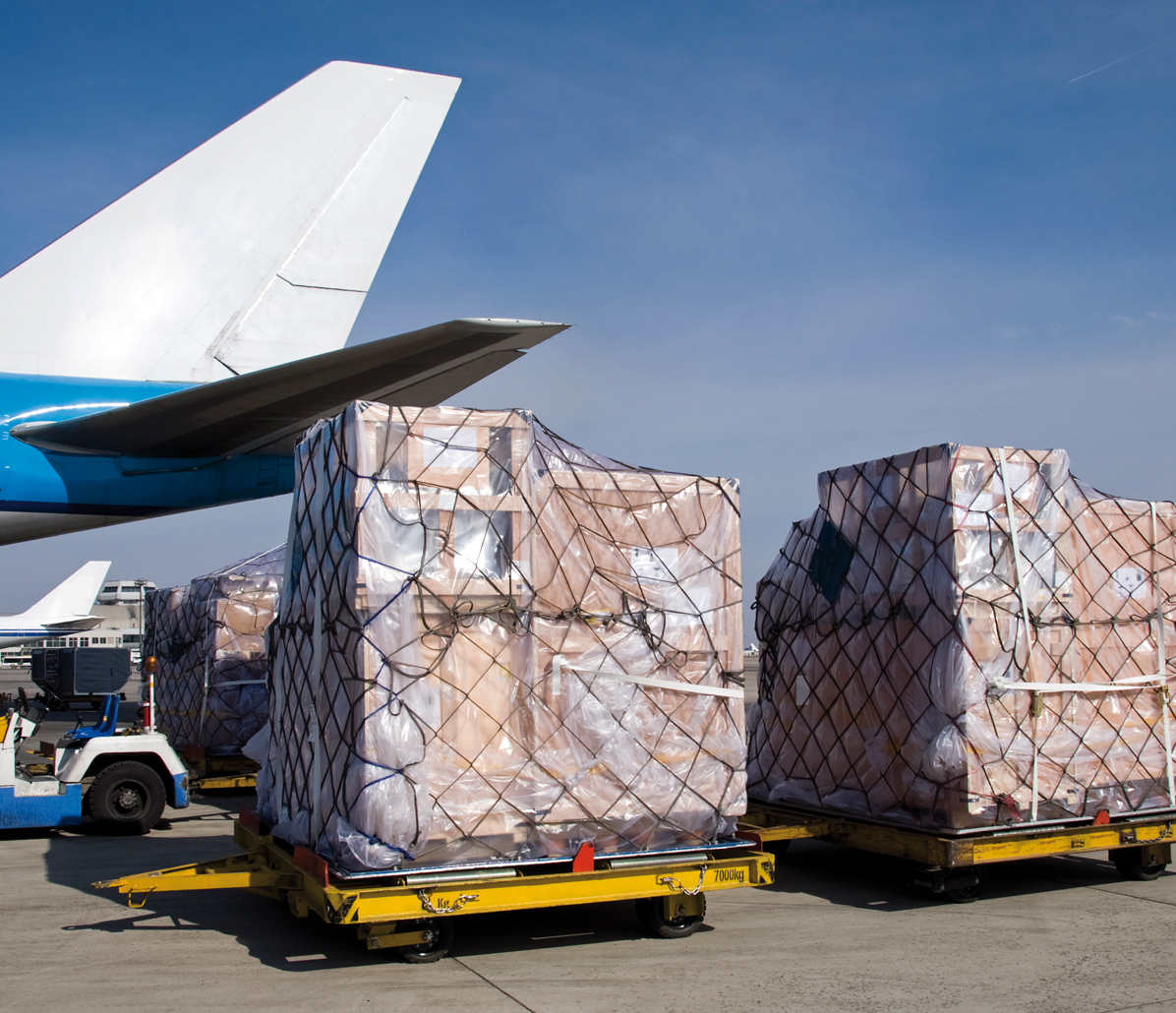
Global air freight market continues to experience robust growth, driven by eCommerce and the peak season, but faces capacity constraints due to reduced belly cargo capacity and a limited supply of wide-body freighters, particularly on key trade routes.

Demand rose 10% year on year in November, marking the 13th consecutive month of double-digit growth. However, capacity has only increased by 2%, pushing the cargo load factor to its highest level in over 30 months at 63%, with average spot rates 22% up year-on-year.

Regional performance
Europe: Transatlantic rates have risen due to capacity cuts in freighter and belly cargo availability, coinciding with the winter season. European imports from the Middle East remain strong, driven by sea-air volumes and Red Sea disruptions.

Asia: Air freight demand is set for double-digit growth in key lanes, particularly between North Asia and Europe, despite elevated rates and tight capacity. The anticipated cargo rush to avoid new US tariffs has not yet materialised, but demand remains buoyant.

Americas: The US is grappling with capacity challenges stemming from South America congestion and redirected EU-to-AML routes. Port strikes in Canada have slightly increased air freight demand, adding further pressure to regional supply chains.

Outlook for 2025
Global air cargo volumes are projected to rise by 5.8% year on year in 2025, reaching 72.5 million tonnes. This growth will be supported by booming eCommerce originating in Asia, although any changes by the U.S. to the current ‘de minimis’ thresholds, could have a profound impact.

Geopolitical uncertainty will continue to play a significant role in shaping air freight dynamics. The Red Sea crisis is expected to persist, influencing routing decisions and costs. Potential tariff changes in the United States could impact trade volumes, though benefits from deregulation under a business-friendly administration may offset some of the negative effects.

Rates and capacity
Air freight rates are likely to remain elevated if demand continues to outpace capacity. Airlines are responding with rate increases and expanding dedicated services to key regions. For example, Air China has announced rate adjustments, reflecting confidence in the strength of the market.

Global available cargo tonne-kilometres (ACTKs) are expected to grow gradually, though at a decelerating rate. Capacity expansion remains constrained by limited availability of freighters and reduced belly cargo options on key routes.

The air freight market is poised for continued growth in 2025, bolstered by strong demand from eCommerce and evolving trade dynamics, while challenges such as capacity constraints and geopolitical uncertainties remain.

For urgent and sensitive shipments, Metro offers tailored airfreight, charter, and sea/air solutions. With block space agreements (BSA) and capacity purchase agreements (CPA), we guarantee space and competitive rates on the busiest routes.

Our Birmingham International Hub and partnerships with regional airports provide significant time and cost benefits, while our global network ensures agility in a dynamic market.

Whatever your cargo size, type, or deadline, we deliver the best rate and service combinations to meet your needs.

EMAIL Elliot Carlile, Operations Director, for insights and pricing today.
container ships

Sea freight situation and outlook for 2025

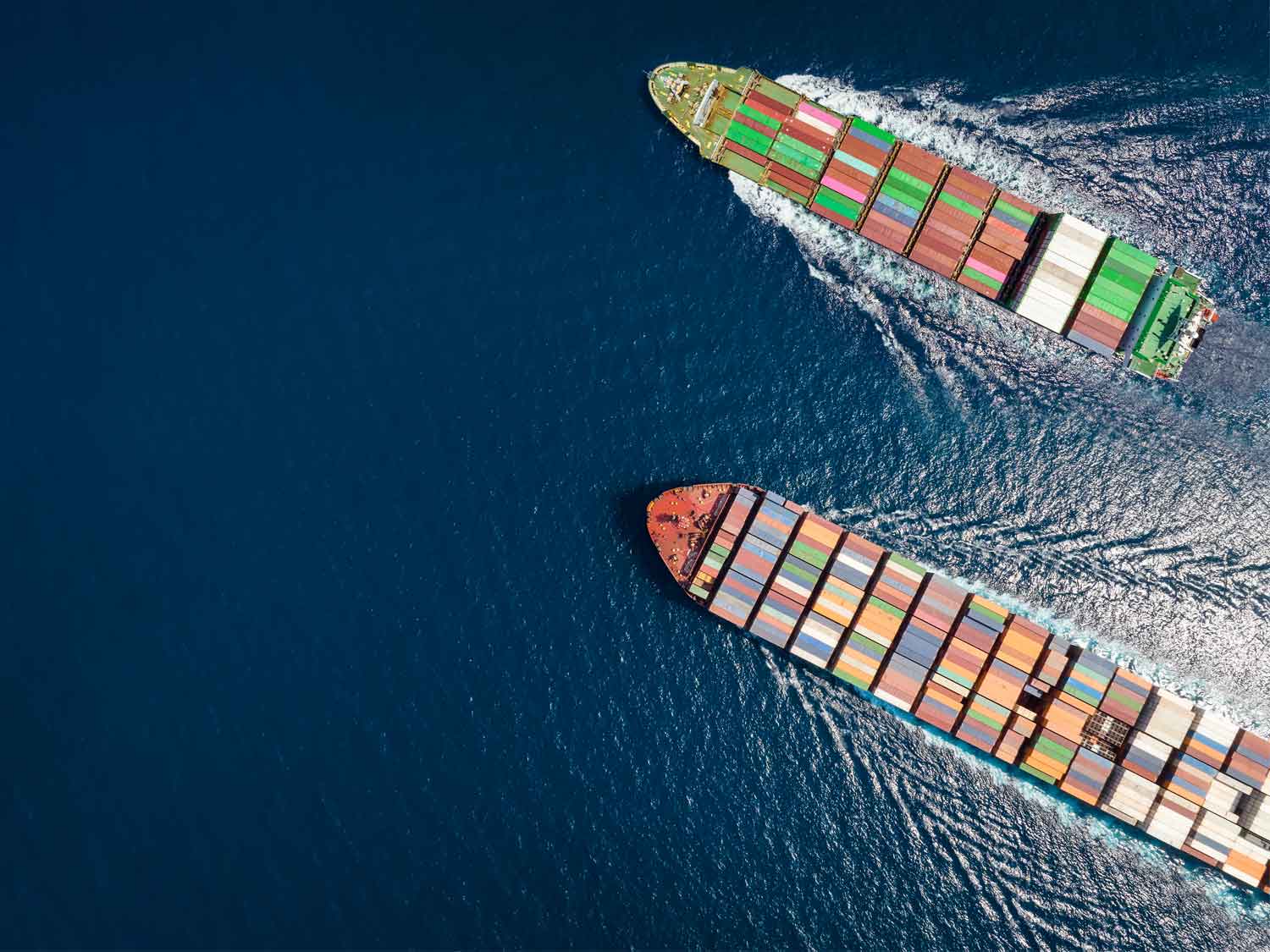
With 2024 characterised by elevated freight rates and fluctuating dynamics, the container shipping lines have emerged as the primary financial beneficiaries, leveraging rate increases and stabilisation efforts to maintain profitability.

The outlook for 2025 presents a mixed landscape of opportunities and challenges, driven by shifting demand patterns, increased capacity, and geopolitical uncertainties.

Current market dynamics
Freight rates remain significantly above pre-crisis levels. Despite a gradual downward trend in global head-haul rates, the market has stabilised, suggesting a potential period of relative equilibrium in the coming quarters. 

Recent general rate increases (GRIs) by Asia-Europe carriers have demonstrated success, with rates on key routes from Asia to Europe rising by over 20%.

These elevated rates are expected to persist until the Chinese New Year in late January 2025. However, the seasonal decline in demand and the introduction of new alliance networks in February may present an opportunity for shippers.

Supply chain and capacity dynamics
Global shipping capacity grew by nearly 5% in Q3 2024, supported by minimal fleet idling and increased vessel activity. Ships previously affected by Suez Canal disruptions have returned to regular service, further bolstering capacity.

Nevertheless, the risk of overcapacity looms large. Continued vessel deliveries, combined with low scrappage rates, may necessitate fleet rationalisation if demand weakens. Carriers remain bullish, adding capacity to secure competitive positioning despite potential imbalances.

Outlook for 2025
The sea freight market in 2025 is expected to face moderate demand growth, projected at around 3-4%, though low consumer confidence and increased import tariffs in key markets, particularly the United States, may temper this growth. Additionally, manufacturing indices in major regions, including China and Europe remain suppressed limiting demand potential.

Geopolitical uncertainties will continue to shape the market. Ongoing negotiations in U.S. East and Gulf ports could lead to disruptions if unresolved by the 15th January 2025, while tensions in the Red Sea pose potential risks to key shipping routes.

Trade policy remains a critical factor, with proposed tariff increases in the United States potentially reshaping containerised cargo flows, particularly on Asian export routes. Meanwhile, the temporary rerouting of vessels around the Cape of Good Hope has absorbed some capacity, but a return to normal operations through the Suez Canal could intensify supply-demand imbalances.

As geopolitical risks and market disruptions continue to loom over the industry, maintaining resilient supply chains and budgeting effectively will be key priorities for shippers navigating the complexities of 2025’s sea freight landscape.

In a volatile sea freight market, our fixed-rate agreements on popular shipping routes reduce risk and provide essential budgetary certainty. 

To explore how Metro’s fixed-rate options could support your business in 2025, please EMAIL chief commercial officer Andy Smith.

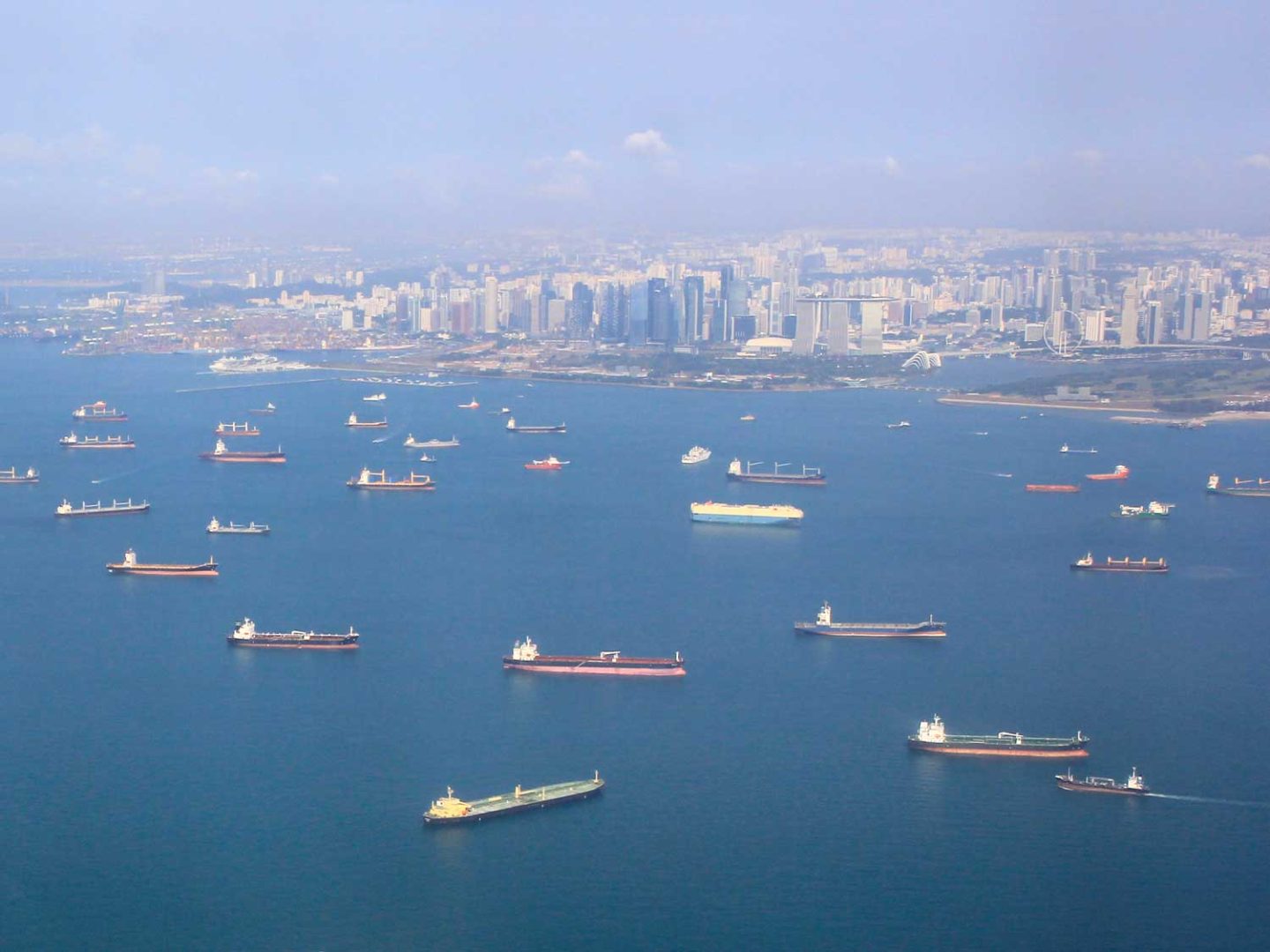
Singapore boats at anchor 1440x1080 1

Shipping lines blank sailings from Asia to support rates

Container carriers operating between Asia, Europe, and the United States are leaning heavily on blank sailings to manage capacity and stabilise freight rates amidst ongoing market challenges.

With a significant proportion of scheduled sailings cancelled, this strategy has become a defining feature of the current sea freight landscape, impacting reliability and operating across key trade lanes.

Capacity cuts to sustain rates
Over the next five weeks, approximately 10% of scheduled sailings on major East-West trade lanes have been cancelled. These blank sailings, which represent 70 cancelled voyages globally, are concentrated on the transpacific eastbound trade (50%), followed by transatlantic westbound (27%) and Asia-Europe westbound routes (23%).

This strategic capacity reduction reflects carrier efforts to curb the downward pressure on freight rates, with alliances such as THE Alliance, OCEAN Alliance, and 2M each cancelling 14 voyages. Additionally, non-alliance services have contributed to 28 blank sailings during this period. However, this comes at the cost of declining schedule reliability, with around 10% of vessels expected to miss their planned departures.

Freight rate trends and challenges
Despite capacity cuts, Asia-Europe rate hikes have struggled to gain traction, with carriers introducing new general rate increases (GRIs) and freight all kinds (FAK) rates which have pushed spot rates higher.

While some Asia-Europe rates showed modest gains—with increases of over 20% on certain legs—the overall impact of GRIs has been limited, with transpacific routes struggling. We remain sceptical about the sustainability of further December hikes, as past increases have often dissipated quickly.

Evolving dynamics
The annual contract cycle for Asia-Europe routes is shifting from a January-December framework to a more flexible Q1-to-Q1 arrangement, with some carriers delaying agreements until after the Chinese New Year in late January, in the expectation of some stability.

The heavy reliance on blank sailings highlights the precarious balance carriers are attempting to strike between capacity management and rate stabilisation. While this strategy has mitigated some downward pricing pressures, it has also introduced operational disruptions and diminished schedule reliability.

As carriers continue to adjust capacity in the coming weeks, further blank sailings are expected, underscoring the importance of sharing shipping forecasts, to ensure resilience in the supply chain.

We recommend talking to us now, if you have high-priority orders and sharing your shipping forecasts, so that we can secure your space, on the services that meet your deadlines, at the best possible rates.

To learn how we can safeguard and enhance your ocean supply chain, please EMAIL our Chief Commercial Officer, Andy Smith. 

Trump on tv 1440x1080 1

The potential impact of the new US administration on global trade

As the United States, and the world, braces for potential shifts in trade policy, new tariff proposals and ongoing supply chain challenges are reshaping the global logistics landscape.

President-Elect Trump’s threatened trade tariffs, along with geopolitical and operational pressures, are driving significant changes in import patterns, freight rates, and supply chain strategies.

Protectionist policies
President Trump’s first administration was marked by aggressive trade policies, and his second term is marked by a resurgence of tariff-based strategies targeting China and other major trading partners. Proposed tariffs include a universal rate of 10-20% on all imports to the US, with an additional 60-100% on imports from China, together with another 10% above any additional tariffs, on all products, until the supply of the illegal drug fentanyl ceases. 

These measures could significantly raise consumer costs for goods such as apparel, toys, furniture, and household appliances. In 2023, tariffs on Chinese apparel cost U.S. companies and consumers $1.3 billion, with forecasts estimating that consumers would pay between $13.9 billion and $24 billion more annually due to the proposed tariffs.

Additional tariffs could reduce trans-Pacific shipping volumes, while supply chains may diversify further to Southeast Asia, India, and Latin America. These shifts would alter global shipping patterns and potentially lower container shipping demand from Asia.

Surge in imports ahead of tariffs
The prospect of new tariffs is expected to accelerate import activity, as businesses aim to pre-empt the potential cost increases by expediting shipments, placing substantial demand on vessel space. This surge, if realised, would exacerbate pressures on an already strained logistics infrastructure, particularly during peak seasons.

Volatility in sea freight rates
Tariff-driven demand spikes are poised to push freight rates higher, especially on trans-Pacific routes. Companies, wary of increasing costs, are likely to explore alternative sourcing locations outside China, though this has been complicated further as the US president-elect said he would sign an executive order imposing a 25% tariff on all goods coming from Mexico and Canada, after being inaugurated on 20 January 2025. The impending early Chinese lunar new year in late January 2025 further compounds the uncertainty, as shippers rush to secure capacity.

Heightened supply chain challenges
Labour disputes continue to threaten North American supply chains, with the potential for an International Longshoremen’s Association (ILA) strike if negotiations do not conclude positively by January 2025. Concurrently, recent lockouts at Montreal and Vancouver ports have disrupted trade flows, with ripple effects expected at other ports, including Halifax.

A second Trump administration may prioritise renegotiating or withdrawing from international trade agreements to favour US interests, including potential revisions to WTO agreements. Such moves could disrupt North American trade flows and create further uncertainty for global shipping stakeholders. Additionally, heightened geopolitical tensions could impact critical maritime routes and alliances, particularly in the South China Sea.

The combination of tariff uncertainties, labour disputes, and shifting sourcing strategies signals a challenging period for global trade. Rising costs and operational complexities could challenge shipping in the long term, with broader implications for economic stability.

As the situation in the United States develops we will continue to provide regular updates, but if you have any concerns or questions about how these events might impact your shipments, please reach out to us.

EMAIL Chief Commercial Officer, Andy Smith today to learn how we can safeguard your supply chain during challenging periods.