Typhoon HKG 1440x1080 1

Supply chains brace for more disruption as storm season intensifies

From wildfires and floods to scorching heatwaves, the consequences of climate change are becoming more pronounced, and as we enter the peak shipping season, businesses are scrambling to prepare for what is predicted to be one of the most disruptive storm seasons in recent memory.

So far in 2024 supply chain disruptions caused by extreme weather are estimated to have cost companies billions of pounds, and the storm season is far from over. Hurricanes, wildfires, and floods have already stretched global supply lines thin, and the arrival of storms like Typhoon Bebinca, which threatened Shanghai this week, adds a fresh layer of concern.

Increased visibility allows managers to pinpoint disruptions and adjust supply chains accordingly, and the key to weathering these events lies in preparation. Shippers are diversifying their carrier bases and building inventory buffers to keep goods moving in the face of challenges. Strategic planning, such as maintaining safety stock for high-demand items, has become essential in managing supply chain risks.

The heightened storm season comes as companies are already reeling from the effects of wildfires in California and Australia, as well as floods that have caused widespread damage to transportation networks in Asia.

While technology and data-driven insights have made supply chains more resilient, this year’s relentless barrage of natural disasters is proving particularly difficult to navigate. While technology can help predict and respond to the impact of storms, it is only effective when paired with clear communication and regular updates on shipments.

The threat posed by Typhoon Bebinca is yet another reminder of the supply chain vulnerabilities that remain, with Shanghai closing ports, cancelling, and halting transportation links to ensure safety. With more storms likely in the coming months, companies must remain agile and vigilant, ready to adapt to further disruptions.

The need for resilience and adaptability is more pressing than ever, as companies navigate the challenges ahead. This season may prove to be one of the toughest in recent memory, but for those prepared, there are still opportunities to maintain operational continuity in the face of adversity.

Extreme weather events consistently highlight the vulnerability of supply chains and the importance of robust contingency plans and marine insurance to protect against risk.

We have been maintaining supply chain resilience in the face of unforeseen challenges for decades. To learn how we can develop and support your supply chain resilience EMAIL our Chief Commercial Officer, Andy Smith.

food study

Air cargo under pressure as peak season looms

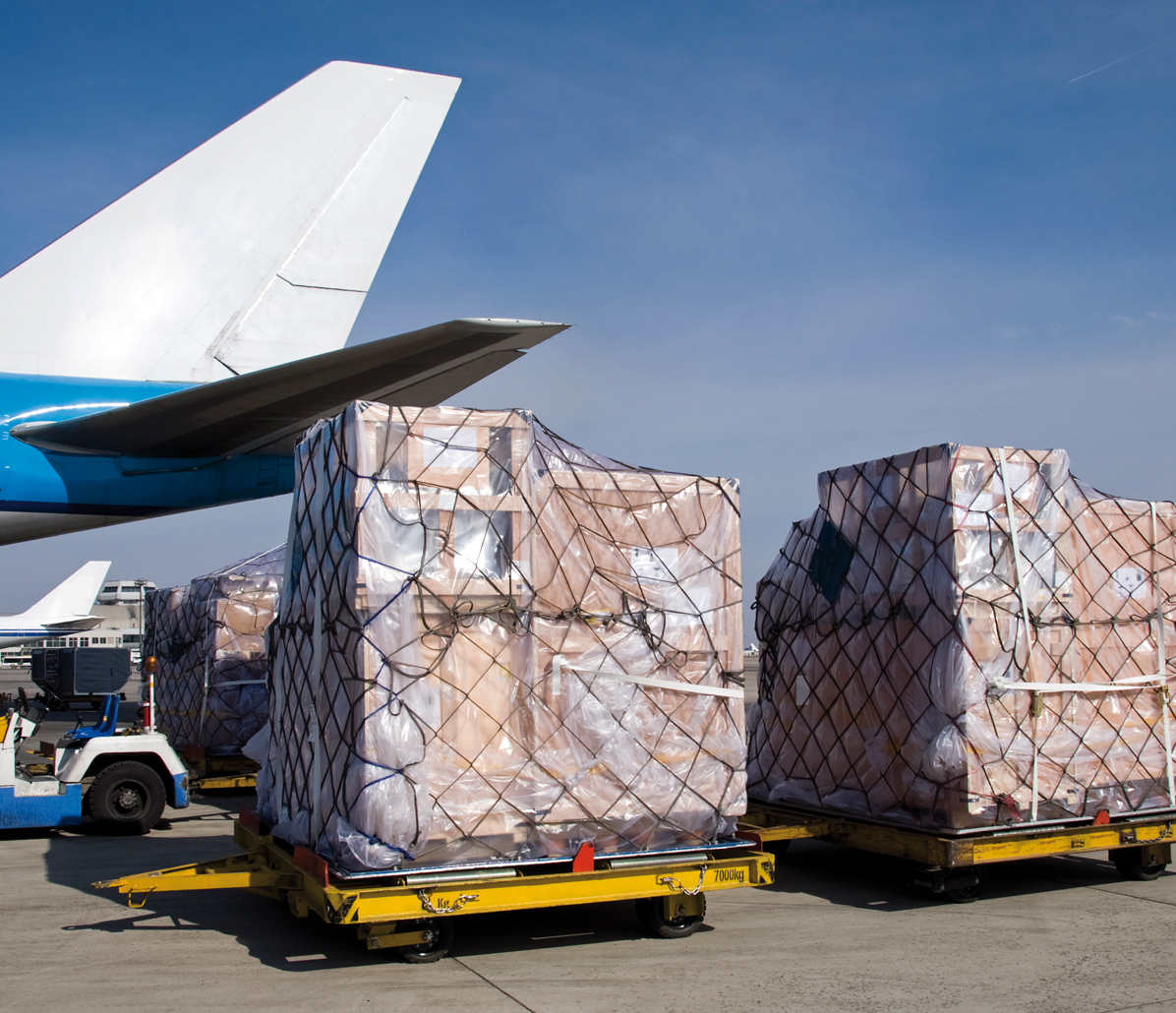
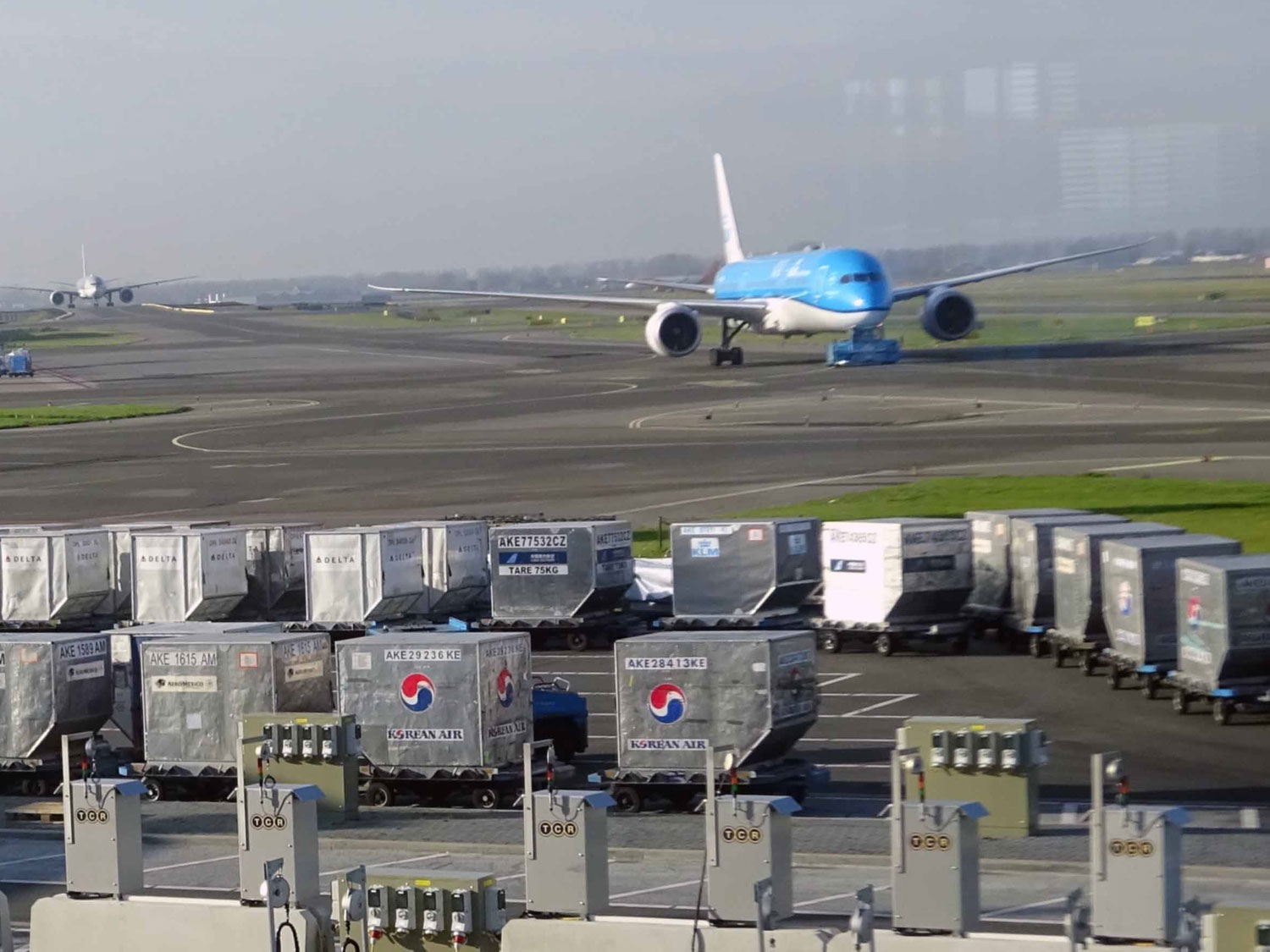
With capacity already strained and further challenges expected from potential labour strikes and reduced belly capacity in the final quarter, shippers are under increasing pressure to secure cargo space ahead of the peak season.

Strong demand
According to IATA’s latest figures global air cargo demand surged by 14% year-on-year in July, marking the eighth consecutive month of double-digit growth. This increase is largely driven by ongoing eCommerce expansion and disruptions such as the Red Sea crisis.

Despite the high demand, capacity only grew by 8%, pushing load factors up significantly and intensifying the pressure on available space.

The Asia Pacific region has seen particularly strong growth, with demand up 18% year-on-year in August, while North American carriers recorded an 9% increase, even amid disruptions like Hurricane Beryl. The Asia-North America trade lane experienced an 11% rise, and transatlantic routes also saw rates climb  in August compared to July, with expectations of further increases as the year progresses.

Preparing for peak season
With the peak shipping season starting in September, air cargo demand is expected to remain robust, particularly in high-demand regions like Asia Pacific. However, capacity constraints are already evident, with flights on many lanes fully booked. The market faces potential additional pressure from reduced belly capacity in Q4 and the possibility of strikes at US East Coast ports, which could exacerbate the existing challenges.

Shifting capacity
The ongoing Red Sea crisis has disrupted traditional shipping routes, leading to a shift towards air freight as shippers seek more reliable alternatives. This shift, combined with the seasonal reduction of capacity on other lanes, has left the market vulnerable to further disruptions, potentially causing backlogs and price spikes.

As carriers redirect freighter capacity to the high-demand Asia market and reduce capacity on other routes, the market’s fragility increases. The anticipation of a strong peak season, coupled with the current tight capacity, means that shippers must act quickly to secure space and avoid significant disruptions.

Outlook and recommendations
Given the current market conditions, shippers are strongly advised to plan ahead and secure air freight space as soon as possible. The combination of high demand, potential capacity shortages, and the risk of labour disruptions could lead to an overheated market towards the end of the year, with rates likely to continue rising.

Early booking and careful planning are essential to navigate the challenging air freight landscape in the coming months, so please share your forecasts with us as early as possible so that we can ensure there are no disruptions to your supply chain.

For urgent, valuable and sensitive shipments we have a range of airfreight, charter and sea/air solutions, with block space agreements (BSA) and capacity purchase agreements (CPA) to protect space and capacity on the busiest routes.

Regardless of your cargo type, size and requirements, we have extremely competitive rate and service combinations, to meet every deadline and budget.

EMAIL Elliot Carlile, Operations Director, for insights, prices and advice. 

ship and graph

Peak season impact on container freight rates

The last week of June saw further gains on sea freight spot rates from Asia into Europe and North America, as a series of peak season surcharges (PSS) were imposed and new FAK levels from 1st July creating double-digit increases in spot freight rates.

With spot and FAK rates across all three carrier alliances approaching five figures, analysts predict that if the peak season extends into the traditional August/September period, 40ft spot rates could rise to $14,000-$15,000. And possibly higher, with a much longer application than originally anticipated into 2025.

Surcharges Affecting Asia-North Europe Trade
Along with other carriers CMA CGM has imposed a $1,500 PSS on Oceania-North Europe shipments and a $500 emergency space surcharge per box on India-North Europe shipments. Similarly, Hapag-Lloyd will implement a $1,000 per 40ft PSS on the Far East-India trade.

Spot Rate Indices and Transpacific Route Increases
Drewry’s World Container Index (WCI) composite index grew by 12% last week, with the Shanghai-New York leg showing the steepest growth at 17%. Similarly, the Shanghai-Rotterdam spot rate increased by 10%. Shippers on transpacific routes could see further double-digit rate jumps next week, with CMA CGM set to implement a $2,400 per 40ft PSS on all shipments from Asia to the US starting Monday.

As always. Metro are working tirelessly to mitigate the impact of these increases on our customers.

Space Shortages, Elevated Rates, and Container Equipment Shortages
Due to strong demand, many shippers are paying above quoted rates to secure space. Space availability from Asia to Europe has dropped by 30%-40%, leading major importers to pay space guarantee surcharges.

Higher rates are expected to persist until Golden Week, with some Asia-North Europe spot rates already breaching five figures. An early peak season, lasting until Golden Week in October, driven by importers’ determination to avoid Christmas stock shortages, indicates strong orders lasting at least until then. Should the peak extend, the market may not significantly decline until Q2 next year, even with additional capacity coming in.

Additionally, container equipment shortages are becoming more prevalent, with average container prices in China reaching their highest level in two years, and leasing rates on China-Europe routes tripling.

Ports are becoming congested globally – on all continents. The outcome of this is increased port blanking’s or sliding’s. These can be voluntary by the carriers, but more often than not are now involuntary and caused through long waits outside the port and an inability to discharge vessels, without having a major impact on their schedules.

The result is, whether you are on contract, spot or FAK pricing – if a vessel doesn’t call at the port,  you will not get your product moved until the next one does. And then, when the following vessel from whichever alliance does call, you do not get any retrospective protection on capacity that is simply ‘lost’.

Every importer and shipper who trades with China and Asia on a wider scale is being affected – it is impossible in the current and short term market to avoid the disruption.

In summary, spot rates show substantial growth, with space shortages increasing and elevated rates likely to persist until at least Golden Week, compounded by container equipment shortages and rising costs.

These trends suggest continued high rates and strong demand well into next year. However, we will continue to mitigate these costs where we can, but in a market where $10,000 + a FEU is becoming normality we will always endeavour through our pricing mechanisms and thoughtful considered approach to ensure that you receive the best pricing and reliability of service available in the market.

We will continue to communicate this to you daily/weekly/monthly, and as frequently and for as long as we need to, until the market settles.

We see challenges as opportunities to shine, and deliver a collaborative market-leading solution, that is appropriate for your business and tailored to your expectations.

With carriers in the ‘driving seat’, they are cherry-picking which contracts to honour, rolling lower-yield containers and blanking vessels, to try and recover schedules.

With the market this challenging, there is no ’silver bullet’ and many shippers that try to play the spot market are coming unstuck.

Metro are leveraging our long-standing carrier relationships and sensible annual contracts, to secure our customers space and set rates.

To learn how we can enhance your ocean freight solutions, please EMAIL our Chief Commercial Officer, Andy Smith. 

US ports to offer storage while others struggle

Sea freight rates from Asia continue to spike and remain on an upward trajectory

Between the start of April and last week, average spot rates from the Far East into North Europe increased by 31%, the US West Coast 30%, Mediterranean 25% and US East Coast 22%, with spot rates to Europe currently $6,000-$7,500 and analysts suggesting they may hit $10,000.

Market demand reached record levels in Q1 2024, up by 9.2% compared to Q1 2023, and coming at a time when the Red Sea situation was already putting pressure on shipping capacity, rate increases were inevitable. But it is the speed at which market turmoil has developed, that is creating nervousness in the market, with spot rates to Europe rising 6% in the last week.

Schedule reliability is still far from pre-pandemic levels, with Q1 on-time performance mooted to be just 27% which, combined with pockets of congestion, port omissions, delays and missed departures is having a massive impact on equipment availability at export hubs.

COVID-19 supply chain disruption is fresh in the memory of shippers and fearing a squeeze on capacity during the peak season many are importing more goods now. The traditional peak period, like the weather, is changing its seasons.

Much of these increased volumes are moving on the spot market, which is putting upwards pressure on rates, particularly as rising port congestion and equipment shortages are further diminishing available capacity. 

In addition, with the delays and the  impact on shipping schedules, caused through both carrier voluntary or involuntary port blankings, contract capacity is being reduced or completely removed, against agreements made earlier in the year, or at the backend of 2023. Sound familiar?

Long term rates on major trades have remained relatively flat in Q2, but with reduced space availability they are not covering the forecast allocations forcing shippers to find alternatives for the shortfall in demand for box movements. 

Short term spot and FAK rates are the only real mechanism as an alternative solution and this is currently absorbing all available container slots in the westbound Asia/ Europe trades.

Meanwhile, carriers will continue to make money from the spot market’s additional volumes ahead of the traditional peak season and that is what we have seen in the rate increases in May that look to continue, and possibly accelerate, as we enter June. 

The shipping lines are not the cause of the current situation, but there are advantages to a commodity driven model, where demand exceeds supply from their perspective.

However, the large BCO shippers are too aware that the bigger the gap gets between the spot and contract markets, the greater the risk that more of their cargo may get rolled, in favour of higher-yielding containers. This creates further demand and a willingness to pay higher rates, to ensure that product is shipped and deadlines can be met.

Even if there is capacity in the market, the fear factor can push up rates and shippers could be facing months of further elevated rates and increased delays, if higher demand continues to overtake available capacity.

However, the duration and scale of these price spikes could be less severe than those seen during the pandemic because volumes are increasing and not surging, which should mean that ports will (in time) be able to handle the higher volumes and strategies developed during the pandemic, like off-port container yards, are already in place. 

It is unlikely that this can be sustainable long term for any party or for the length of time seen during the Covid Pandemic days of lockdowns and increased consumer spending. There are other factors at play, in creating a similar environment to 2020/21 market conditions.

As we advised many weeks ago, the next large scale disruption which is beginning to really have a major effect is the lack of equipment where it is required in the manufacturing regions of Asia, due to shortages of available empty containers that are either ‘stuck’ on longer transiting vessels, or laying idle at destination (such as the Med) awaiting evacuation back to Asia. 

The impact in China is becoming very acute with a lack of available empty boxes creating bottle necks throughout the main gateways and congestion and queueing times increasing daily for vessels.

In addition, if the demand increase has been driven by an early start to the peak season, then we may expect demand-side pressure to begin easing off in a few months, although volumes and rates are likely to remain elevated for a while longer, due to the turbulence that is a consequence of the market conditions that are currently at play throughout the globe.

We will continue to update on the evolving situation, which is gathering pace due to many factors and dynamics. We do not foresee any short term rectification of the current market conditions which will undoubtedly continue to pay havoc with supply chains. 

We will always offer the best options available, being creative with the solutions that we offer – based on customer requirements – ensuring we always deliver against deadlines.

With carriers in the ‘driving seat’, they are cherry-picking which contracts to honour, rolling lower-yield containers and blanking vessels, to try and recover schedules.

With the market this challenging, there is no ’silver bullet’ and many shippers that try to play the spot market are coming unstuck.

Metro are leveraging our long-standing carrier relationships and sensible annual contracts, to guarantee our customers space and set rates.

To learn how we can enhance your ocean freight solutions, please EMAIL our Chief Commercial Officer, Andy Smith.