Montreal

Container sea freight carrier reliability drops to an historical all-time low

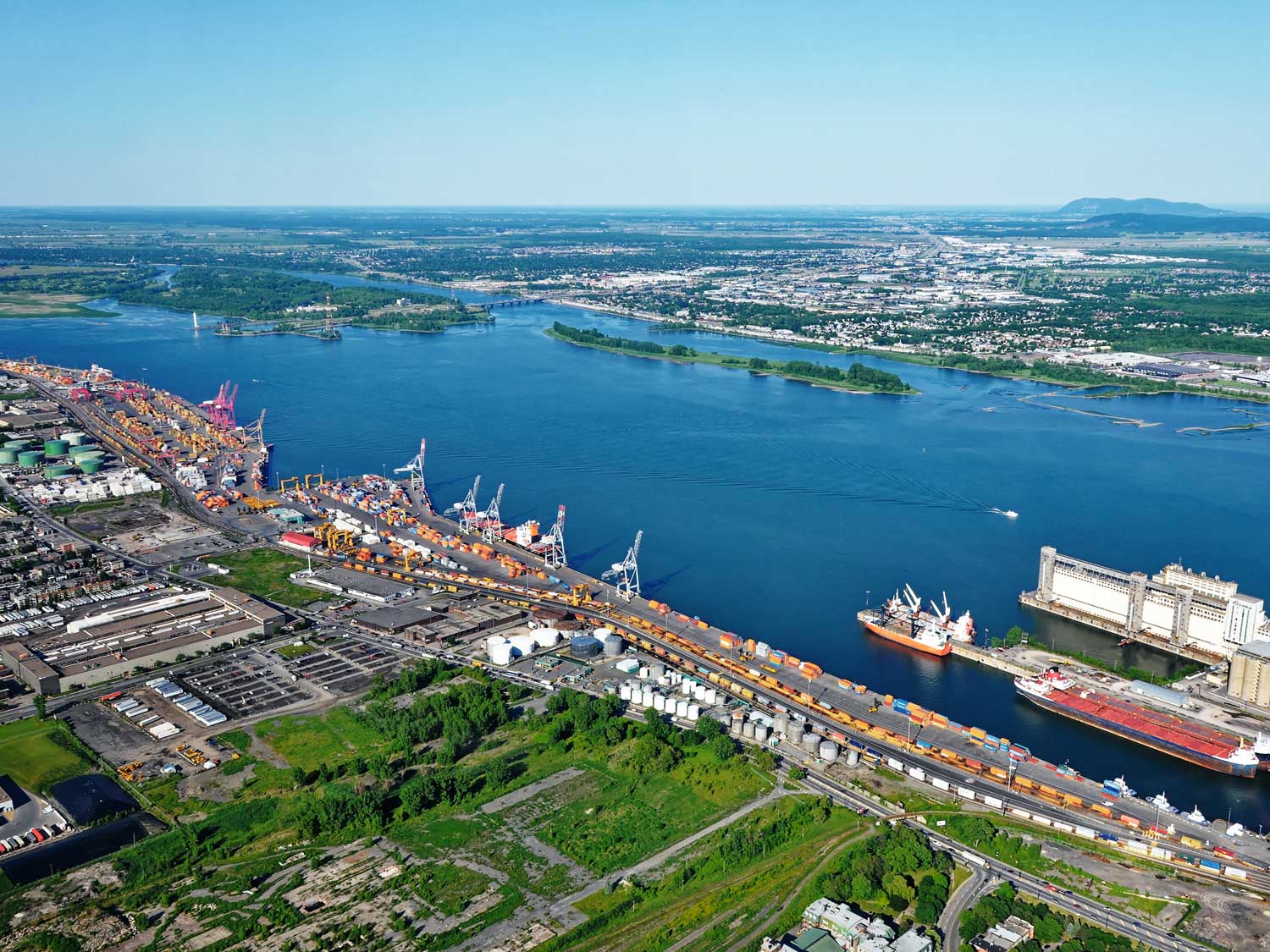
Despite continuing global demand and freight rates breaking all records, vessel schedule reliability hit an all-time low in August and now ports have begun to turn away empty containers, due to the build-up of equipment that is delayed in its removal as a consequence.

Although schedule reliability has hovered between 35%-40% for most of the year, on the main ocean trade lanes, it dropped to 33.6% in August which, according to Sea-Intelligence data, is an all-time low for the 10 years it has tracked global schedule reliability.

Maersk, the best performing big carrier, is planning port omissions to improve schedule reliability, which are almost certain to include UK ports. This will create even greater delays for importers as containers destined for the UK are unloaded in ports on the Continent and require being feedered back to the final destination. Yet we hear today that Felixstowe is refusing to accept Maersk, Evergreen and CMA empties, as they have exceeded storage limits. (NOTE - We are taking immediate action to mitigate impact on our customers. See below.)

On an annualised basis, global reliability in August 2021 was -30.1% lower than August 2020, which continues the astonishing trend of yearly declines of over -30.0% in each month in 2021 so far. Bear in mind this is the global average considering all trades and there will be an even greater impact on specific shipping lanes. In addition this measure is only based on the quay to quay sector of a container movement and does not include further impact at origin or destination. If it was possible to assess and quantify the door to door comparison it is likely that 90%+ of movements have been lengthened since the pre-pandemic transit levels.

The schedule reliability decline is being shown most starkly on the Transpacific trade where performance has dropped to a staggering 9.9% (with the three alliances only averaging between 3.4% and 7.8%) the first time any of the 34 trade lanes has dropped below 10% since measurements were started 10 years ago.

The physical number of vessels deployed on liner services is a contributing factor in port congestion and the ensuing impact on schedules, with NAWC moving from an average of 1.9 vessels per week in 2019, to 5 in 202 and spiking further in 2021.

On Asia-North Europe, under normal circumstances, very few extra vessels are deployed and the initial impact of the pandemic was muted. This started to increase in 2021 and worsened due to the Suez Canal blockage, which has left ports handling more vessels than they are used to, which in turn adds to the bottleneck problems.

Unsurprisingly the average delay for late vessel arrivals also continued to deteriorate, increasing monthly by half a day to 7.57 days in August.

Maersk Line, was the most reliable top-14 carrier in August 2021, with schedule reliability of 45.6%, followed by Hamburg Süd with 38.0%. Another three carriers had schedule reliability between 30%-40%, with only three carriers recording schedule reliability of 20%-30%.

Six carriers had schedule reliability of under 20%, with Evergreen recording the lowest August 2021 schedule reliability of just 11.5%. Only HMM recorded a M/M improvement in schedule reliability, of  1.6%, while no carrier recorded a Y/Y improvement, with the smallest Y/Y decline of -24.2% recorded by Maersk Line.

To improve schedule reliability Maersk has announced its plan to adjust vessel voyage numbers on Asia-North Europe services to match the corresponding actual weeks of departure. Blaming strong demand and network disruptions for hammering their schedule reliability.

Maersk is reducing the number of port calls to improve reliability and suggest that customers will want to plan their supply chains well ahead, particularly for the upcoming peaks.

China’s October Golden Week, Christmas and Chinese New Year will drive strong demand for container shipping for the last quarter of 2021, but port congestion, especially in Asia and Europe, and service delays are expected to put even more pressure on service schedules.

It is estimated with the delays and lengthening of the transits in the supply chain this is causing the equivalent of 10-25% reduction in container capacity and equipment availability with boxes being in the wrong place at the wrong time and unable to be utilised. In addition the impact on ports in creating congestion and the consequences of vessels arriving in bunches (as has been widely reported on the west coast of the USA) this creates further delays on arrival at destination, further diminishing reliability and the conveyance of products to market.

With network utilisation likely to remain above 95% for the largest carriers, due to current high demand and the virtual withdrawal of supply, with the extended shipping times, it is likely that the lines will implement extra loaders and ad hoc port omissions to help them improve reliability.

Repositioning empty equipment is critical, and as boxes remain in Europe, USA and other regions the severity of container shortages increases across Asia, which the lines have used to justify recent reductions in arrival free time and increases in storage fees.

The decision by the Port of Felixstowe to reduce empties is profoundly disturbing and while the lines are offering alternative restitution depots, these will all likely incur additional cost.

Our transport team has arranged some short term solutions to protect our customers, but clearly the situation will delay import activity, lead to build-up of empties inland and deteriorate, if it continues into next week.

We negotiate rate and volume agreements across all three alliances, so that we can access the biggest range of schedule reliability, service offerings and rates.

container haulage

Liner haulage is effectively broken

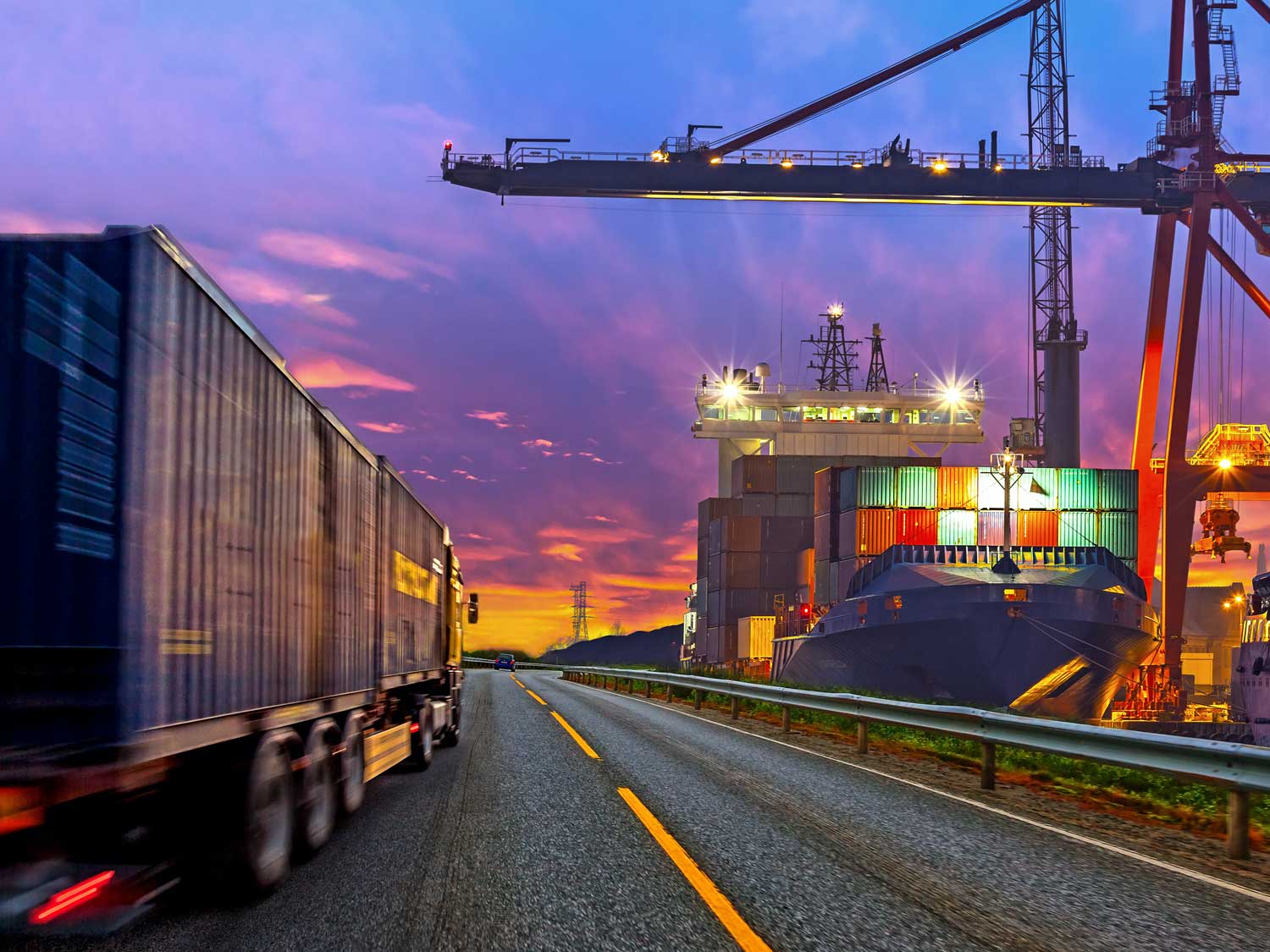
Multiple issues are negatively impacting container haulage operations from ports across the UK, with inevitable financial and service impacts, which are likely to impact every importer of full containers. In the worst cases, if no action is taken, importers may face very significant additional charges, with no guarantee of delivery.

Full load importers are facing unprecedented challenges, and while these are great, we believe they can be overcome and mitigated to some extent by taking the proactive actions we describe below.

The loss of HGV drivers to roles outside the freight sector has removed swathes of capacity from the container haulage sector, which is already struggling to deal with inefficient port operations and the lowest vessel schedule reliability in history.

Carrier (liner) haulage is usually a cost-effective option, as it does not not attract a load-on load-off (LoLo) charge. However, the current market situation, haulier cancellations, delays with deliveries and collections and the challenge of matching resource with unpredictable vessel schedules, means that 30% to 40% of haulage moves are failing and shipping lines have very few – if any – bookings until the middle of October or later in November.

Despite the lines extending their haulage booking time from one week to over a month, they are not waiving port storage and demurrage charges, which will be charged in full at each carrier’s tariff and means shippers will be liable to these charges at £75-£95 per day for a 40’ container, which can escalate to £150-£175 a day.

For the 30-40% of failed delivery bookings, some lines are providing additional free time, of between four and seven days, but OOCL and Cosco will offer no additional free time, while Maersk will offer free time up to the point of re-booking.

Merchant haulage may attract additional costs of £150-£300 per container, to ensure we can attract haulage at short notice and absorb the LoLo costs, but it does offer the opportunity to avoid storage and demurrage charges and it is a more flexible alternative, which is particularly critical given the increasing incidences of carrier and merchant transport bookings being cancelled, often without notice, for more lucrative jobs. 

We are leveraging every haulier relationship and partnership, to help our shippers and would recommend flexibility on delivery windows, with bookings for afternoon collections and deliveries more likely to succeed. 

Regular delivery forecasts mean that we can book delivery slots in advance of vessel arrivals, which increases the possibility of achieving container deliveries in line with your expectations.. However if vessels arrive off schedule, late or bypass the UK altogether, then this will create further impact and issues regardless of slots - containers have to be landed to be delivered.

With post-COVID demand and associated supply chain disruption continuing, we anticipate this issue will continue for the rest of the year and are consequently implementing alternative solutions to traditional container haulage:

 - Unloading containers at ports/ railheads for delivery in standard commercial vehicle

 - Dedicated delivery/collection slots with contract vehicles and regular drivers

 - Swap and containers 

Switching your transport requirements away from the carrier option to alternatives, with immediate effect, is the only way to mitigate rent and demurrage charges

We receive no benefit or reduction from carrier support on additional port charges that will be applied as a result of the failure of their arranged transport. Swift action and agreement on costs is required.

Please contact your account manager, operations handler or any of the Metro team to discus your situation, the solutions we have outlined and the cost implications, so we can agree immediate actions and timelines going forward.

Thanks for reading this advisory – it is not what we want to be reporting, but it is the best guidance we can offer in the circumstances. 

We will continue to update you regularly, as the situation changes, and hopefully improves.

Brexit red line

Brexit delay, dithering and duties: Metro has your back

To the consternation of many shippers, the Government is changing the start dates for new border checks and processes for imports and exports with the EU. The good news is that Metro’s experts can protect your supply chain from these changes and simplify customs compliance, with our intelligent, automated, digital solutions.

With three significant Brexit changes and developments already this month, it is clear why so many businesses trading with the EU are confused, uncertain and concerned about changing customs regimes, requirements and compliance.

Metro’s dedicated customs brokerage team, is one of the industry’s biggest, most experienced and best resourced. It is a unique repository for EU/UK Brexit expertise and a flagship for graduate professional development in a critical area.

Continuing investment in technology and the brokerage team has expanded the capacity of our groundbreaking Customs Document System - CuDoS - and the capability of the advisory, support and compliance resource we provide businesses that trade with the EU. 

The proprietary CuDoS embraces proven, new and emerging technologies including optical character recognition, to convert documents into digital data. With automation technology, machine learning and artificial intelligence, to simplify and automate declarations, CuDoS is constantly adapting to ensure compliance with change UK/EU customs regimes.

CuDoS: 2021 Brexit stats:

  • 74% of workflow automated
  • 15,000 export declarations
  • 6,000 Transit accompanying documents
  • 12,000 import declarations
  • 99% analog to digital accuracy
  • 8 minutes = record declaration turnaround
  • 85% of clearances turned around in under 2 hours

Importers pay more post-Brexit duties

UK importers have paid 42% more in customs duties since Brexit came into force on the 1st January, largely to the “rule of origin” tariff, which applies to goods imported from the EU which were originally made, or contain components made, outside of the EU.

UK importers are paying more duty and UK Customs is losing out on hundreds of millions of pounds, as importers fail to comply with the delayed declaration scheme set up to soften the impact of Brexit.

Delays cost business

Delayed customs declarations are not being converted into actual customs declarations and while some importers may be happy to import without declarations while they can avoid them, they do face the very real prospect of retrospective action and auditing by HMRC, to recover outstanding taxes and duties.

The decision by the UK government to further delay Brexit border controls has been criticised by trade associations who believe that if these controls were imposed on EU suppliers, it would cause friction that might encourage a negotiated relaxation in controls between the UK and the EU and is to the detriment of UK companies.

Under the revised timetable:

  • Pre-notification of Sanitary and Phytosanitary (SPS) goods, which were due to be introduced on 1st October 2021, will now be introduced on 1st January 2022.
  • Export Health Certificates, which were due to be introduced on 1st October 2021, will now be introduced on 1st July 2022.
  • Phytosanitary Certificates and physical checks on SPS goods at Border Control Posts, due to be introduced on 1st January 2022, will now be introduced on 1st July 2022.
  • Safety and Security declarations on imports will be required as of 1st July 2022 as opposed to 1st January 2022.
  • Exit safety and security declaration applies from the 1st October 2021. An EXS is required  for a range of situations including, empty pallets, containers or a vehicle being moved under a transport contract and goods moving under transit.

Available, for the first time, to new customers, our CuDoS customs brokerage platform is optimised continuously, in line with the regimes in force on both sides of the Channel. Automating and submitting customs declarations, CudDoS simplifies compliant border processing, in either direction. 

We simplify declaration submission and safeguard our customers EU supply chains from the potential fallout of easement and regime changes, which means that their EU/UK movements will not be interrupted when full UK/EU border controls are implemented on the 1st January 2022.

To discus your situation and to learn how we automate customs declarations for businesses of all sizes, please contact Elliot Carlile or Grant Liddell who can talk you through the options.

Coronavirus update 27th March

Air freight market more than challenging

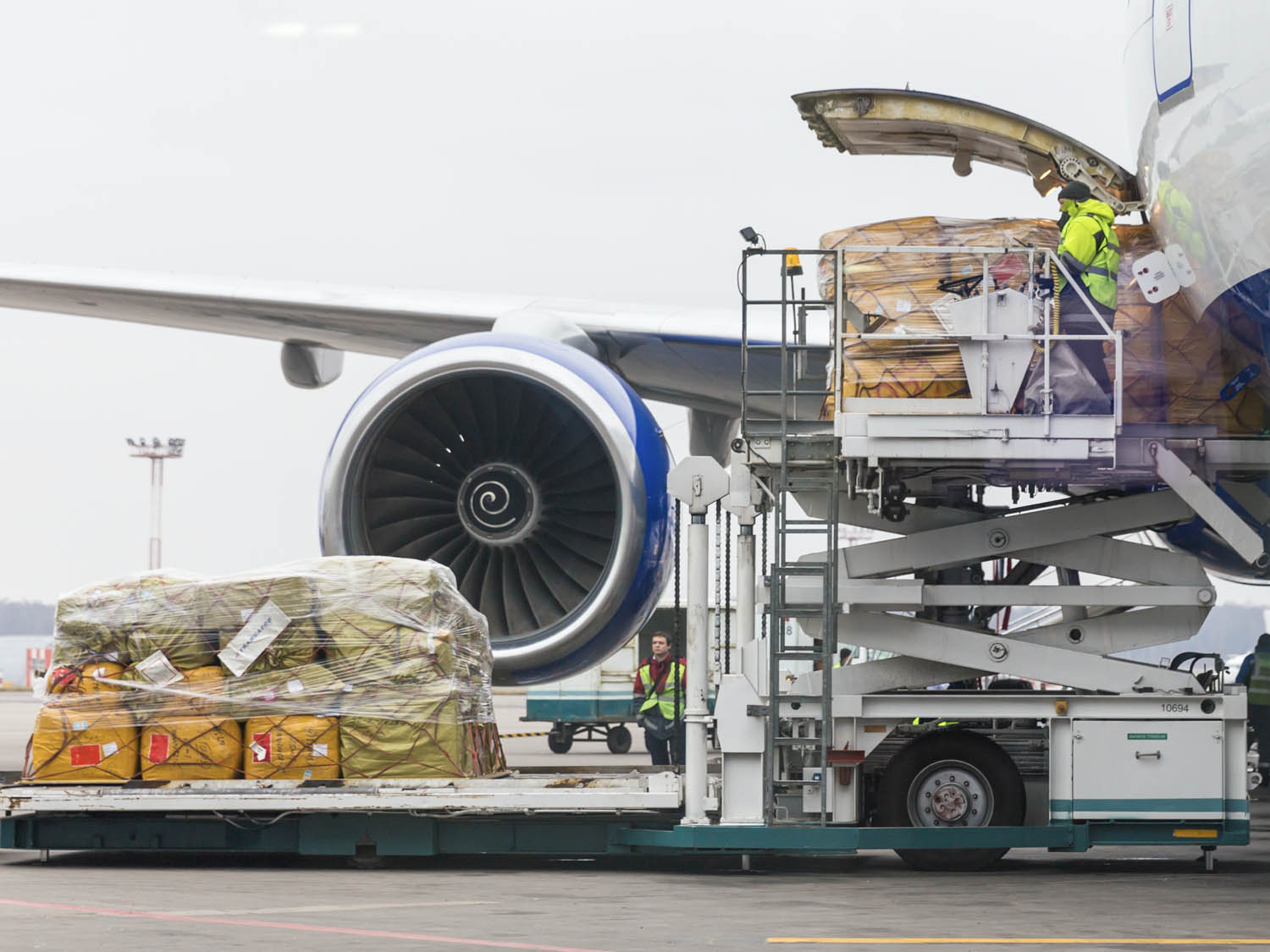
Despite the massive challenges, our air freight team continue to find solutions for critical cargo and our Sea/Air services are invaluable for time-sensitive shipments. With options from across Asia, via a choice of hubs including Singapore, Colombo and Dubai, we offer the widest choice of service, transit and rates.

There is a massive surge in demand for air freight globally, but particularly across Asia, due to continued shipping disruption. Vessel and loading delays at loading ports are negatively impacting transport from origins, that are further compounded throughout transit to arrival port, with haulage issues added to the mix, when they do eventually get released to destination. 

The same scenario is being experienced to some extent globally and particularly across the USA, which has endured more turbulence than the UK.

Despite this massive and sustained demand, air capacity from China and Hong Kong continues to suffer due to COVID restrictions, as Cathay’s August volumes confirmed, at just 66% of the same period in 2019. 

Enhanced Covid rules at Chinese airports are impacting ground handlers and air crew, which drives down capacity and as a result rates are climbing daily on all routes driven by supply versus demand dynamics, with China-US air cargo rates reaching new highs, even beyond those experienced in 2020 during the PPE supply crisis.

The absence of passengers - and scheduled flights - is creating challenges in capacity, as shippers gear up for peak season. Goods continue to fill fewer planes, but worsening long haul passenger demand hinders freight growth, in particular between Asia and Europe and the Americas.

Converted ‘Preighters’ are unlikely to offset rising air cargo demand and there is a finite number of pure freighters available in the market which will add delays as peak season continues to build.

Retailers, as widely publicised in the national and international press, are desperate to ensure that shelves are stocked for the Christmas period, but reliance on time critical air freight increases pressure on global air cargo supply chains. 

And this pressure will increase even further when the traditional air freight peak season picks up pace, with tech product launches and manufacturers trying to restore reduced stock and inventory levels.

Shippers are increasingly turning to our Sea/Air services, with demand up 25% over the last week, and climbing at all major hubs including Singapore, Colombo and Dubai, as shippers move urgent consignments to gateway airports where they can be transferred to air freight.

The traditional ‘go to’ charter option is increasingly difficult to obtain, with three to four week lead time weeks and the North American market draining capacity, by paying much higher rates and making transpacific routes more lucrative.

Scheduled flights are still very limited and even though freight rates are high airlines are still losing money, without revenue from passengers, which means that cargo is the prime income for many, as it has been for the last 18 months, which is keeping pricing high and forcing it higher.

Airlines are not negotiating like shipping lines, by seeking longer term contracts, but are leveraging the supply chain versus demand imbalance to create a ‘pay to play’ environment, that maximises revenue potential.

Despite the massive challenges, our air freight team continue to find solutions for time-sensitive shipments, but it can take up to three weeks to get lifted from some origins. 

We work closely with our global network to monitor market capacity and identify service opportunities that might benefit our customers.

Evaluating and blocking space on viable services early, is a critical factor in achieving deadlines based on customers’ requirements and expectations, including the constant recalibration of our hybrid sea/air platforms and hub services. 

Please call Elliot Carlie or Grant Liddell for further insights and advice. 

As much visibility and planning into the final quarter that you can provide will ensure that we can create a tailored and bespoke solution, to deliver your product to market – at the right time.