Air Freight Market Review

Air Freight Market Review

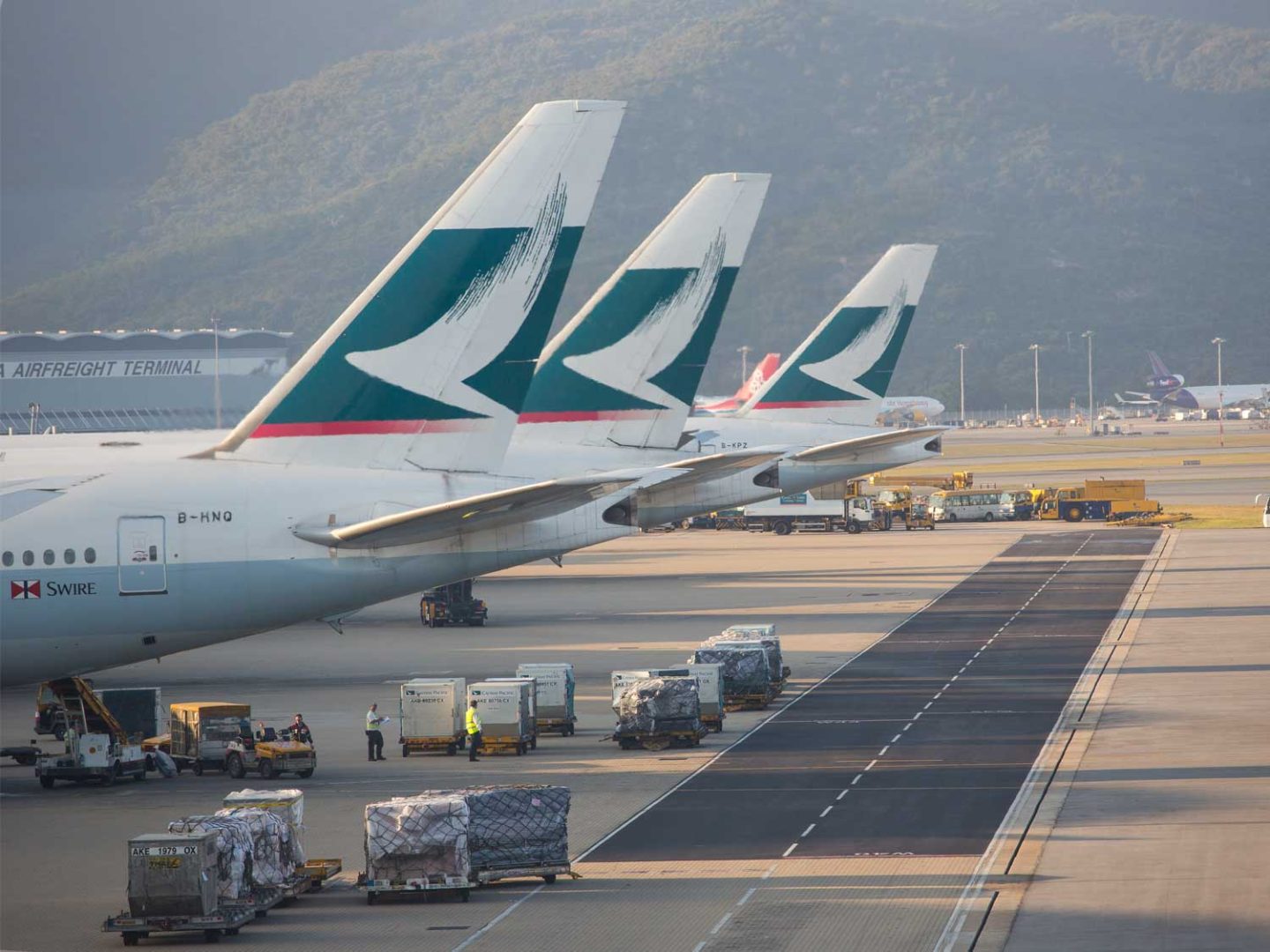
The global air freight market in February and early March reflected moderate year-on-year (YoY) growth, with total worldwide tonnages up 5% in February and 2% higher YoY in early March.

However, market dynamics remain volatile, influenced by shifting trade policies, geopolitical factors, and eCommerce trends.

Asia-Europe air cargo showed strong demand recovery in March, with tonnages rising 4% week-on-week (WoW) and while average spot rates softened they remain 20% higher YoY. Meanwhile, transatlantic routes saw weaker demand from Europe, with London Heathrow and Frankfurt spot rates declining amid softer outbound trade.

Market Situation
Global air cargo tonnages rose 5% YoY in February, supported by an 8% surge from Asia Pacific and a 4% rise in North America and Europe. However, Middle East & South Asia (MESA) volumes declined by 6%, reflecting last year’s Red Sea-driven demand spike.

By early March (Week 10), Asia-Europe trade saw significant WoW volume gains:

  • China to Europe tonnages increased by 5%
  • Hong Kong to Europe volumes grew by 6%
  • Japan & Taiwan to Europe rose by 7%
  • Thailand & Singapore to Europe surged by 9%

Despite these volume increases, average spot price indices on Asia-Europe lanes declined by 3%. However, YoY spot rates remain significantly higher (+20%), supported by China (+14%), Hong Kong (+22%), Japan (+19%), and Thailand (+38%).

Global air cargo markets remained relatively stable through February and early March, with weekly demand fluctuations balancing out across key regions.

  • Asia-Europe: Despite a 4% WoW tonnage rebound in Week 10, rates dipped as supply-demand balances shifted.
  • Transatlantic (Europe to USA): Weaker outbound demand put spot rates under pressure at London Heathrow and Frankfurt.
  • Middle East to Europe: Demand weakened with Dubai-to-Europe tonnages falling 15% WoW.

Global air freight rates remained 6% higher YoY, though Asia-Europe pricing showed a mixed trend, with falls on all the major trade lanes, though rates remain significantly higher than last year.

  • Asia-Europe remains 20% higher YoY.
  • China to Europe still stands 14% higher YoY.
  • Hong Kong to Europe are up 22% YoY.

The Asia-Europe air cargo market rebounded in early March, with tonnage gains but slightly softer rates as market conditions adjusted. Meanwhile, transatlantic routes saw demand weakness, leading to rate declines from major European hubs. Moving forward, trade policies, geopolitical shifts, and capacity adjustments will continue to influence global air cargo pricing and volumes.

In a volatile air cargo market, securing capacity and competitive rates is critical. Metro’s air freight, charter, and sea/air solutions ensure your shipments move efficiently, even on the busiest trade lanes. With block space agreements (BSA) and capacity purchase agreements (CPA) in place, we guarantee space and stable pricing when you need it most.

Whether you’re shipping urgent, high-value, or sensitive cargo, our global expertise and strategic carrier partnerships keep your supply chain running on time and within budget.

EMAIL Elliot Carlile, Operations Director, today to explore how Metro’s air freight solutions can optimise your logistics.

Metro expands sustainability initiative for global sea and airfreight services

Metro expands sustainability initiative for global sea and airfreight services

Metro is taking a bold step forward in its sustainability journey by expanding its environmentally conscious initiatives for global Sea freight and Airfreight services, effective April 1st, 2025.

As part of this commitment, Metro will introduce a groundbreaking transparency measure: the total amount of CO2 emissions generated by each Sea freight and Airfreight shipment will be clearly printed on every invoice. This initiative allows shippers to better understand and quantify their carbon footprint, making sustainability efforts more accessible and measurable.

This latest enhancement builds on Metro’s existing MVT Eco application, a tool designed to provide customers with in-depth insights into their transportation-related emissions. By integrating CO2 emissions data directly into freight invoices, Metro is setting a new standard for environmental accountability within the logistics industry.

Metro’s CEO, Grant Liddell, emphasises the importance of this initiative: “The inclusion of Sea freight and Airfreight shipment CO2 data on freight invoices enhances the existing reporting available via MVT Eco and represents an evolutionary step in Metro’s commitment to raising visibility and awareness of the environmental impact within transportation.”

Metro ensures that its carbon calculations are rigorously accurate by leveraging the most comprehensive accreditation coverage available. The CO2 calculations provided through this initiative are GLEC accredited and fully aligned with ISO-14083 standards, reinforcing Metro’s dedication to environmental best practices and industry-leading sustainability measures.

For customers looking to gain deeper insights into their Scope 3 emissions and maximise their sustainability efforts, the MVT Eco application offers advanced reporting and analytics.

Those interested in utilising this tool can reach out to their Key Account Management contact or connect directly with Ian Powell, Customer & Technical Solutions Director (EMAIL), to explore how Metro’s sustainability initiatives can support their environmental objectives.

With this initiative, Metro continues to lead the way in sustainable global freight transportation, providing shippers with the necessary tools to make informed, eco-friendly decisions.

US and India growth strategies

US and India growth strategies

Recent senior executive visits to the United States and India reinforce Metro’s strategic partnerships, enhance trade opportunities and positioning the company for continued global growth in 2025.

With international trade facing shifting policies, evolving supply chain dynamics, and increasingly demanding compliance solutions, Metro is strengthening its international footprint to provide clients with seamless, efficient and reliable logistics services worldwide.  

Expanding Metro’s presence in the US

CEO Grant Liddell and Managing Director Andy Smith recently concluded a two-week visit to key clients, partners, and carriers across the United States. These meetings focused on developing new trade lanes, enhancing service offerings, and optimising routes from the US into Metro’s global network.

One of the key outcomes of the visit was the decision to establish a dedicated sales platform within the US, Metro Global USA. This expansion will strengthen Metro’s local presence and allow the company to support clients and partners more effectively in this crucial market.

With North America remaining a priority market, Metro is also collaborating with carriers, ports, and airports to ensure optimised routes and enhanced operational efficiencies. As the global trade landscape shifts, closer alignment between Metro and US-based partners will be critical to navigating new challenges and opportunities.

The US/UK trade balance in goods is evenly matched and hopes are high that a comprehensive US/UK trade agreement could provide stability, boost trade, and remove barriers to growth.

Both economies share similar structures and ambitions, making further collaboration a natural progression. A deepened trade and investment agreement could unlock new opportunities for Metro’s clients, ensuring more predictable and streamlined transatlantic logistics solutions.

Scaling up Metro’s India operations

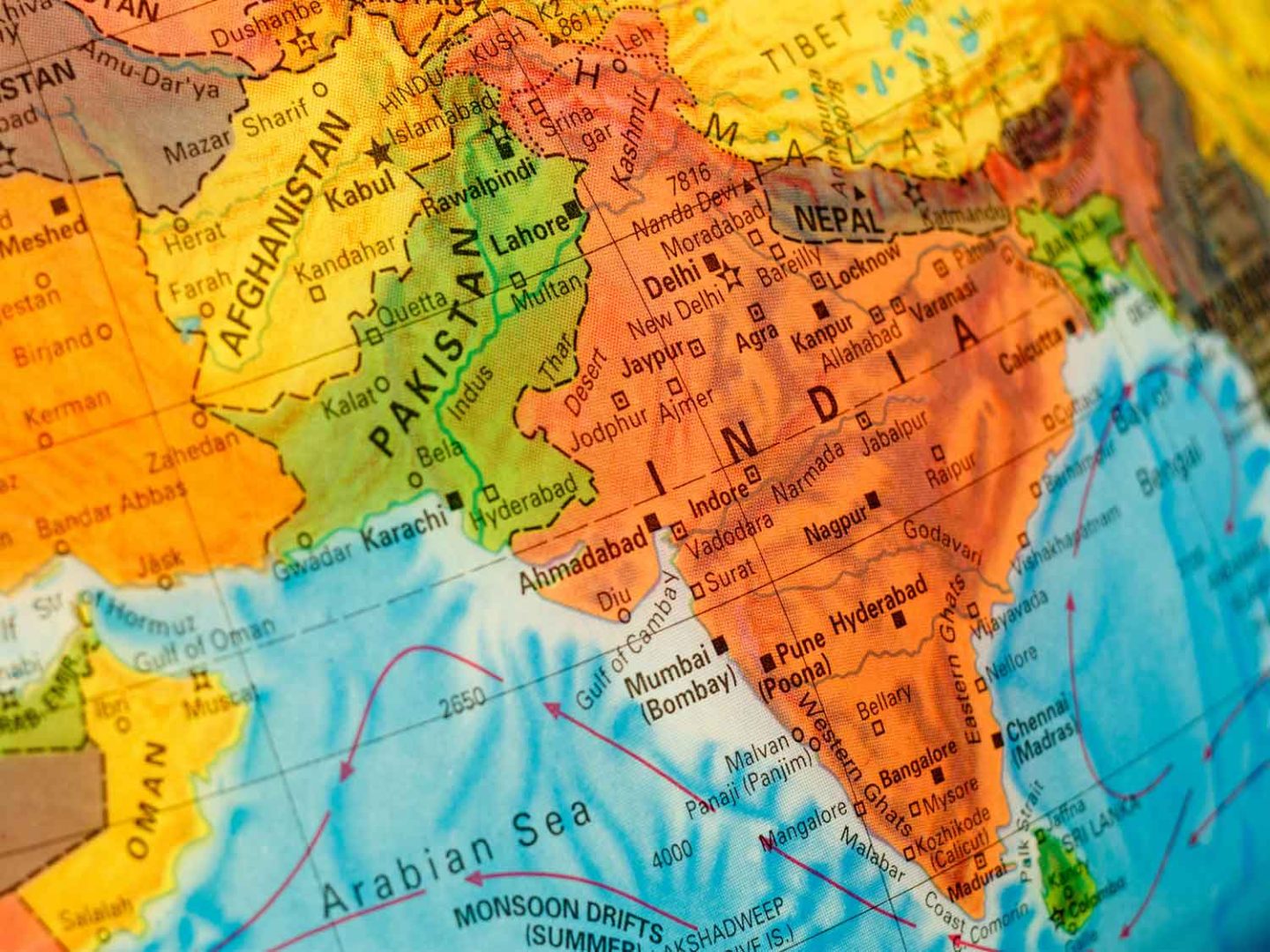
Metro’s expansion in India is also gathering momentum, with Director Tom Fernihough and COO Chris Gavin recently completing a multi-city visit to clients, partners, and Metro’s Indian headquarters in Chennai (MISC Chennai).

With India’s economy on track to become the world’s third largest by 2050, Metro is capitalising on the country’s growing manufacturing and export capabilities by scaling up its operations and investing in new infrastructure.

During the visit, Metro executives secured additional facilities, expanded recruitment efforts, and initiated plans to establish Metro Global India. This new entity will include an operational and physical handling centre dedicated to a key client manufacturing across the country, increasing Metro’s local headcount to a level comparable with the UK.

With UK exports to India valued at £16.6 billion and total trade reaching £42 billion last year, the revival of India-UK free trade talks presents substantial opportunities. A trade deal would enhance Metro’s ability to facilitate faster, more cost-effective logistics solutions for clients engaged in UK-India commerce.

As India’s role in global supply chains grows, Metro’s investment in local expertise and infrastructure will enable clients to benefit from seamless trade flows, reduced lead times, and enhanced supply chain resilience.

Metro’s evolving global network

By reinforcing existing relationships and forging new ones, Metro ensures that clients benefit from a global network that delivers efficiency, reliability, and strategic advantage.

Combining global reach with local expertise, ensures that clients always have access to tailored, best-in-class supply chain solutions in every location, no matter how complex the challenge.  Consistent investment in key markets, digital capabilities, and operational scalability will position Metro as a leader in global logistics, helping businesses thrive in an unpredictable trade environment.

To explore how Metro’s partnerships can support your business needs, please EMAIL Peter Orange for more information.

Seven supply chain shocks in seven weeks

Seven supply chain shocks in seven weeks

Just seven weeks into 2025, global supply chains have already faced a whirlwind of challenges.

From industrial action to trade barriers and shifting alliances, businesses must stay agile to navigate ongoing disruptions. Here are seven of the most impactful developments so far this year.

1. US east coast port strike averted (8th January)
A major disruption was narrowly avoided as the International Longshoremen’s Association (ILA) and United States Maritime Alliance (USMX) reached a tentative six-year agreement. The deal, approved on 7 February, prevented a strike that could have crippled US east coast ports for months. A final vote on 25 February will confirm its ratification.

2. Uncertainty over Suez Canal return (19th January)
Despite a fragile ceasefire in Gaza, container ships will not be returning to the Red Sea anytime soon. Carriers remain cautious, fearing renewed instability and prioritising the established Cape of Good Hope diversions. Even if ships do resume transit, severe disruption is expected, with schedules taking up to two months to stabilise.

3. Trump’s trade policies spark concerns (20th January)
Following his inauguration, President Trump swiftly reignited trade tensions, threatening tariffs on Colombia, China, Canada, and Mexico. Proposals include a 25% levy on steel and aluminium from Canada and Mexico, with reciprocal tariffs also being considered for UK imports. The potential trade war could have widespread consequences for global supply chains.

4. US air cargo demand under threat (1st February)
Trump’s decision to impose a 10% tariff on all Chinese imports and temporarily suspend the de minimis exemption for low-value Chinese shipments has sent shockwaves through the air freight sector. While the exemption was reinstated, changes to eCommerce regulations could significantly disrupt air cargo flows into the US, which is expected to receive 1.4 billion eCommerce packages this year.

5. New Asia shipping alliances reshape trade (2nd February)
The long-anticipated shift from three major container alliances (Ocean, THEA, 2M) to four key players (Ocean, Premier, Gemini, MSC) is now in effect. Asia-North Europe scheduled liner capacity will shrink by 11%, yet the number of weekly sailings will increase from 26 to 28. These changes will reshape global shipping networks for years to come.

6. European road freight rates stabilising (4th February)
After three years of decline, European road freight spot rates may have hit their lowest point. According to the European Road Freight Rate Benchmark, spot rates fell just 1% year-on-year in Q4 2024. While demand remains weak, cost pressures have kept rates 15% above pre-pandemic levels, with short-term volatility expected.

7. Carriers cut sailings to stabilise rates (14th February)
Shipping lines are aggressively blanking sailings to ease the transition to new alliance schedules and sustain freight rates. Between 17 February and 23 March, 51 sailings have been cancelled across key east-west trade routes, with February’s cancellations rising to 133 from 104 in January. Further capacity withdrawals and a general rate increase (GRI) could follow if demand fails to recover.

With trade disputes, shipping realignments, and geopolitical instability shaping global supply chains, the first quarter of 2025 has already presented significant challenges.

Staying ahead requires proactive strategy adjustments to mitigate risks and build resilience. That’s why we share these insights and why your Metro account management team is always by your side, ready to provide expert advice, share knowledge, and develop bespoke solutions tailored to your supply chain needs.

For high-level support, EMAIL Andrew Smith, Managing Director.