
computer down 1440x1080 1

Freight market outlook 2025: Navigating uncertainty and change

The freight industry faces a challenging 2025, with ongoing diversions around Africa, potential labour strikes, and looming tariff changes shaping the air and sea freight landscape. 

While best and worst-case scenarios could unfold, the most likely outcome lies somewhere in between, creating a complex and dynamic environment for shippers and carriers alike.

Red sea disruptions and capacity adjustments

Persistent attacks in the Red Sea continue to divert container traffic via the Cape of Good Hope, extending transit times and keeping freight rates elevated. Even if hostilities end, a lengthy adjustment period is likely as shipping lines reintroduce Red Sea routes.

With carriers set to phase in new networks in February and March, further changes to accommodate Suez transits may not occur before August. This transitional phase could temporarily worsen congestion and delays. However, once stabilised, the market would benefit from restored transit times and reduced rates.

The reintroduction of capacity also raises concerns about overcapacity. Carriers are actively working to mitigate this risk through measures like scrapping older vessels, reducing charter fleets, slow steaming, and blank sailings. While these steps may stabilise rates, their effectiveness will depend on demand levels throughout the year.

Labour strikes and tariff impacts

Despite agreement on outstanding issues on the 8th January, the threat of strikes at US East and Gulf coast ports has not entirely lifted. And while they are theoretically unlikely, they could remain a possibility until Summer 2025.

Tariffs, on the other hand, remain a critical factor. New US tariffs in 2025, particularly on Chinese imports and goods from Canada and Mexico, could drastically reshape trade flows. Anticipation of these tariffs has already led to front-loading, as shippers move goods early to avoid higher costs. This behaviour may disrupt seasonality, creating spikes in demand and rates before tariffs take effect, followed by lower volumes afterwards. Additionally, tariffs could encourage sourcing shifts to countries like Vietnam and India, further altering global trade dynamics.

Air freight under pressure

Air freight, driven by strong eCommerce demand from Asia, enjoyed robust growth in 2024, but 2025 presents significant headwinds. Potential changes to the US ‘de minimis’ thresholds could curb eCommerce shipments, while Trump’s proposed tariffs may disrupt transpacific flows further.

Capacity constraints, already a challenge, could ease slightly if eCommerce demand slows. This would benefit transatlantic shippers, who saw air cargo spot rates from Western Europe to the US double during the 2024 peak season. However, other pressures loom, including the EU’s ReFuelEU Sustainable Aviation Fuel (SAF) mandate, which took effect on 1st January 2025, requiring a minimum of 2% SAF at EU airports—raising airline costs.

A year of uncertainty

2025 will be a year of adjustment for the freight industry as carriers and shippers navigate geopolitical risks, evolving capacity challenges, and shifting trade policies.

In addition weather related issues as a result of global warming and other environmental impact need to be considered during certain months and seasons. Hurricanes, typhoons, flooding, fires, volcanic occurrences could all have an impact in certain regions at different times.

Shippers must prepare for fluctuating demand and rates, anticipate potential disruptions, and stay informed. Flexibility and proactive planning will be key to navigating the complexities of 2025 and ensuring long-term success.

For urgent and sensitive shipments, Metro offers tailored airfreight, charter, and sea/air solutions. With block space agreements (BSA) and capacity purchase agreements (CPA), to guarantee space and competitive rates on the busiest routes.

In a volatile sea freight market, our fixed-rate agreements on popular shipping routes reduce risk and provide essential budgetary certainty. 

To explore how Metro’s carrier agreements could optimise your supply chains and save you money in 2025, please EMAIL our Managing Director Andy Smith.

Trump on tv 1440x1080 1

Global financial events and Trump’s presidency: Implications for trade and logistics in 2025

As we step into 2025, the global financial and political landscape is undergoing significant transformations. Among the most notable developments is Donald Trump’s return to the U.S. presidency, a shift that is likely to influence international trade and logistics. 

Closer to home, Q1 economic indicators in the UK also signal a complex year ahead, marked by both opportunities and challenges for businesses operating in the trade and logistics sectors.

Shifting economic landscape in the UK

Investor confidence in the UK is showing signs of improvement as the year begins, with several factors contributing to this optimistic outlook:
Economic growth: The UK economy is projected to grow by 1.5% in 2025, up from 0.9% in 2024. This improvement is driven by more expansionary fiscal policies and increased public spending, which are expected to provide momentum to key sectors.
Interest rate cuts: The Bank of England is anticipated to implement further rate reductions throughout 2025 and into 2026. Lower borrowing costs are already boosting confidence, particularly in the commercial property sector.

However, the private sector remains under pressure from elevated taxes, borrowing costs, and rising wage expenses, factors that may temper overall growth.

Trump’s presidency and its potential impact on trade

Donald Trump’s return to the presidency this month may see the introduction of new policies that could reshape international trade and logistics. His administration has signalled a focus on tariffs, energy production, and stricter border controls, all of which carry implications for global supply chains:
Tariffs and trade policies: Proposed tariffs on imports could increase costs for goods entering the U.S., affecting supply chains globally. Retaliatory measures from other countries may escalate into a trade war, disrupting established trade routes and adding volatility to logistics markets. Higher shipping costs and increased customs barriers would likely emerge as additional challenges for businesses.
Energy production: By prioritising domestic energy production, the U.S. aims to reduce reliance on foreign oil. While this policy may lower energy costs domestically and benefit logistics operations reliant on energy-intensive processes, it could also influence global oil prices, impacting trade dynamics for oil-exporting nations.

The performance of the U.S. dollar under these policies is also likely to affect global markets, with potential downward pressure on the GBP/USD exchange rate impacting UK businesses reliant on international trade.

Navigating 2025’s complexities

The events shaping Q1 2025, both domestically and internationally, will have far-reaching consequences for the trade and logistics sectors. Businesses must remain agile and proactive to adapt to shifting market dynamics.

Metro’s award-winning services and unparalleled market expertise position us uniquely to help businesses navigate the complexities of 2025. Whether managing disruptions from new tariffs, adjusting supply chains in response to energy policy shifts, or adapting to UK economic changes, we provide the insights and solutions needed to succeed in a rapidly evolving landscape.

In the face of uncertainty, preparation and adaptability are key. With Metro as your partner, you can confidently tackle whatever challenges 2025 may bring.

EMAIL Managing Director, Andy Smith today to learn how we can safeguard your supply chain.

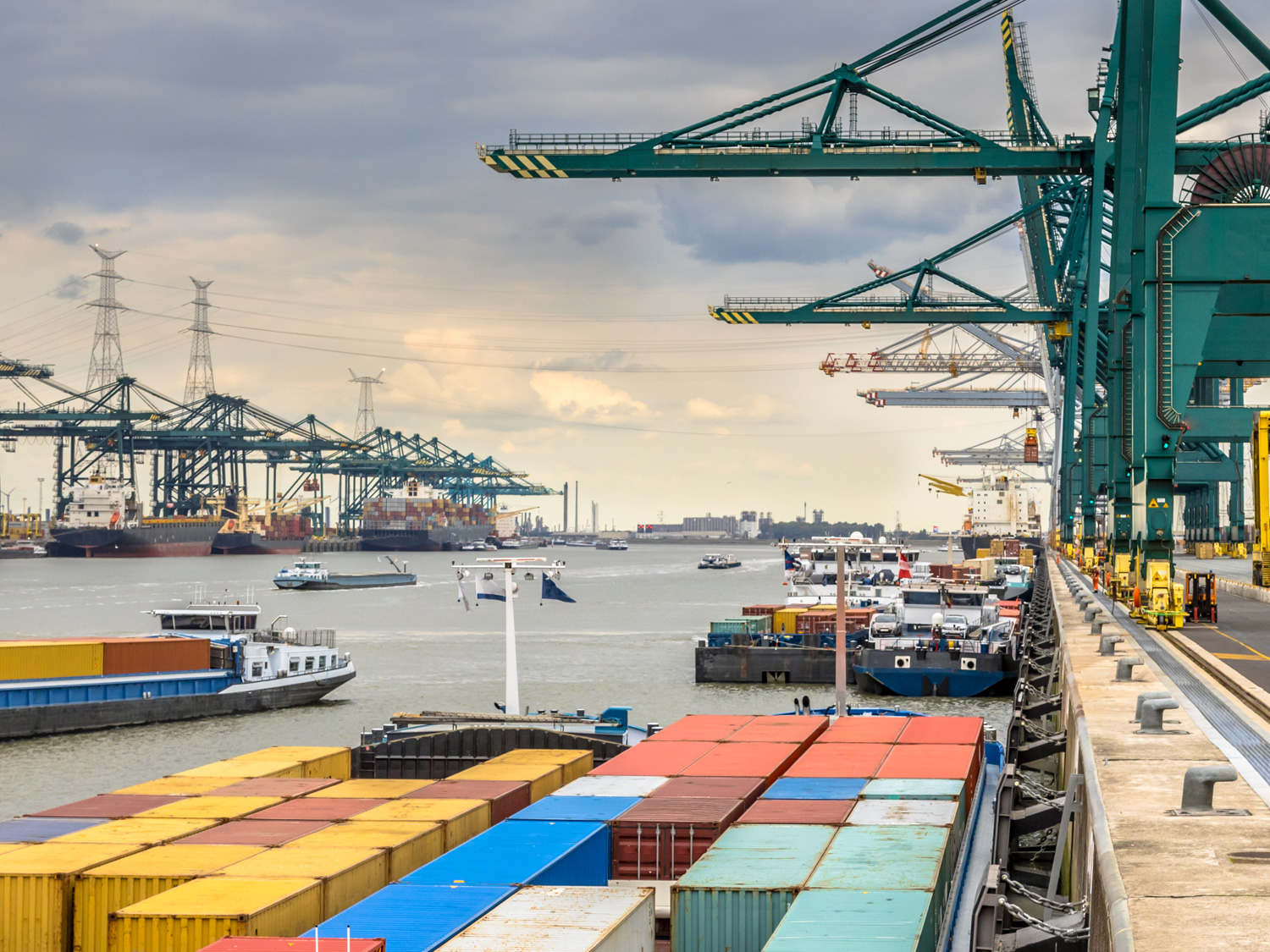
Antwerp

ICS2 Phase 2: What you need to know and how we can help

On 4th December 2024, Phase 2 of the Import Control System 2 (ICS2) was deployed, requiring maritime and inland waterways house-level filers, including Metro, to directly submit detailed safety and security data to EU customs authorities.

ICS2 is the EU’s advanced customs system designed to enhance supply chain security and facilitate smooth trade across its external borders. By collecting and analysing cargo data in advance, ICS2 allows customs authorities to identify risks early, ensuring efficient processing of low-risk goods while prioritising inspections for high-risk consignments.

Key benefits of ICS2

ICS2 streamlines customs procedures while securing the supply chain by:
Proactively identifying high-risk consignments for early intervention.
Reducing delays and costs through faster and smoother cross-border clearance.
Simplifying data exchange between Economic Operators (EOs) and customs authorities.

Enhanced data requirements
To comply with ICS2, all exporters and logistics providers must provide comprehensive data via the Entry Summary Declaration (ENS), including:

6-digit Harmonised System Code.
Commercial descriptions of goods.
EU-registered EORI numbers.

Complete details of the seller, buyer, and consignee.Prompt submission of this data enables accurate risk assessments, helping to avoid shipment delays.

ENS filing timelines

For maritime transport, ENS submissions must adhere to strict timelines:
1. Two hours before arrival at the first EU port of entry for goods from nearby regions (e.g., Greenland, Morocco, or the Mediterranean) with journeys under 24 hours.
2. Four hours before arrival for bulk cargo in other cases.
3. 24 hours before loading for containerised cargo on longer journeys.

Please note, some carriers may require submissions earlier, such as 24 hours before the estimated time of arrival (ETA) at the port of departure.

Implementation timeline
ICS2 is being deployed in three stages:

1.3rd June 2024: Maritime and inland waterways carriers.
2.4th December 2024: Maritime and inland waterways house-level filers.
3.1st April 2025: Road and rail carriers.

Since 4th December, Metro has been filing directly with EU customs authorities, ensuring compliance and early clearance of shipments. Non-compliance or incomplete ENS submissions can result in shipment delays, stops, and fines.

How we support your compliance

To simplify your compliance with ICS2 Phase 2, we’ve adapted our CuDoS customs brokerage platform to integrate seamlessly with the Shared Trader Interface (STI). This ensures your shipments are cleared early in the process, avoiding costly disruptions.

Our dedicated brokerage team is here to:
Guide you through ICS2 requirements.
Assist with data provision and ENS submissions.
Provide comprehensive support for import and export documentation across the EU.

Don’t let delays or penalties impact your operations. EMAIL Andy Fitchett today to learn how we can help ensure a seamless transition to ICS2 Phase 2 and keep your supply chain moving smoothly.

car mirror 1440x1080 1

2024: Reflecting on a Dynamic Year in Global Supply Chains

As 2024 comes to an end, we look back at a year filled with extraordinary events that shaped the global supply chain landscape. From geopolitical challenges to shifts in logistics trends, the past year has underscored the importance of resilience, adaptability, and innovation in our industry.

Here are just a few of the major supply chain developments we covered and that defined 2024:

Houthi attacks in the Red Sea: The crisis continues, forcing vessels to divert around the southern tip of Africa, creating new delays and challenges for global trade.

Global RoRo capacity shortages: The shipping of automobiles was heavily impacted as carriers grappled with fleet reductions from the pandemic.

Labour unrest: Strikes surged 42% year-over-year, including a six-week standstill at the Ports of Los Angeles and Long Beach.

Port of Baltimore closure: The collision and collapse of the Francis Scott Key Bridge caused a three-month disruption.

eCommerce growth: Air freight demand soared on Asia-North America lanes as online shopping reached new heights.

ILA strike: A three-day US East Coast dockworker strike in October highlighted ongoing tensions over automation, with another strike looming in January 2025.

Global reefer shortages: The demand for refrigerated containers remains unmet, impacting perishable goods transport.

Political shifts: The re-election of Donald Trump signals potential changes in trade policies, with protectionism and tariffs on the horizon.

Shipping alliances: New alliances reshaped container shipping routes, including Maersk’s departure from Felixstowe.

Metro’s Highlights

2024 was also a year of achievements for Metro Shipping:

Air Freight Business of the Year: We were proud to receive this accolade at the Logistics UK Awards.

Road freight expansion: Our growing road freight division continues to support our clients’ evolving needs.

Publishing sector portfolio launch: We introduced tailored logistics solutions for the publishing industry.

Great Place to Work: Metro was officially accredited, reflecting our commitment to a positive and empowering workplace culture.

As we get ready to step into 2025, we are prepared to face challenges head-on, supporting our customers with expert insights, seamless operations, and innovative solutions.

Thank you for your trust and partnership in 2024.

Wishing you a wonderful holiday season and a successful year ahead.