2024: Reflecting on a Dynamic Year in Global Supply Chains

2024: Reflecting on a Dynamic Year in Global Supply Chains

As 2024 comes to an end, we look back at a year filled with extraordinary events that shaped the global supply chain landscape. From geopolitical challenges to shifts in logistics trends, the past year has underscored the importance of resilience, adaptability, and innovation in our industry.

Here are just a few of the major supply chain developments we covered and that defined 2024:

Houthi attacks in the Red Sea: The crisis continues, forcing vessels to divert around the southern tip of Africa, creating new delays and challenges for global trade.

Global RoRo capacity shortages: The shipping of automobiles was heavily impacted as carriers grappled with fleet reductions from the pandemic.

Labour unrest: Strikes surged 42% year-over-year, including a six-week standstill at the Ports of Los Angeles and Long Beach.

Port of Baltimore closure: The collision and collapse of the Francis Scott Key Bridge caused a three-month disruption.

eCommerce growth: Air freight demand soared on Asia-North America lanes as online shopping reached new heights.

ILA strike: A three-day US East Coast dockworker strike in October highlighted ongoing tensions over automation, with another strike looming in January 2025.

Global reefer shortages: The demand for refrigerated containers remains unmet, impacting perishable goods transport.

Political shifts: The re-election of Donald Trump signals potential changes in trade policies, with protectionism and tariffs on the horizon.

Shipping alliances: New alliances reshaped container shipping routes, including Maersk’s departure from Felixstowe.

Metro’s Highlights

2024 was also a year of achievements for Metro Shipping:

Air Freight Business of the Year: We were proud to receive this accolade at the Logistics UK Awards.

Road freight expansion: Our growing road freight division continues to support our clients’ evolving needs.

Publishing sector portfolio launch: We introduced tailored logistics solutions for the publishing industry.

Great Place to Work: Metro was officially accredited, reflecting our commitment to a positive and empowering workplace culture.

As we get ready to step into 2025, we are prepared to face challenges head-on, supporting our customers with expert insights, seamless operations, and innovative solutions.

Thank you for your trust and partnership in 2024.

Wishing you a wonderful holiday season and a successful year ahead.

Road freight market update and Metro review

Road freight market update and Metro review

The road freight market in the UK and Europe is grappling with structural cost challenges, evolving regulations, and capacity constraints, while Metro’s road freight division continues to expand, delivering innovative solutions and outperforming market trends.

In the UK and Europe, road freight rates have remained under pressure due to structural cost drivers. The market stabilised in Q3 as softer short-term demand provided some relief. However, higher costs associated with fuel, tyres, insurance, and maintenance are sustaining elevated freight prices.

New truck registrations in Europe have fallen by 7.5% year-to-date, limiting capacity growth. As a result, many carriers are extending vehicle lifespans, with the average truck age now at 14.2 years. This decline in fleet renewal, combined with new EU regulations banning non-compliant rubber imports by year-end, has further tightened capacity and increased costs.

The TEG Road Transport Index showed a slight month-on-month decline but remains 4.4 points higher than the same period last year. Similarly, the haulage price index rose marginally in November but has seen a 10.4-point increase year-on-year.

Consumer demand around Black Friday offered a brief boost to the sector, with UK retail destinations seeing an 11% rise in footfall compared to the previous Friday. However, this temporary spike is unlikely to offset the ongoing challenges posed by inflationary pressures and volatile diesel prices, which continue to drive rates higher.

Metro’s road freight performance
Metro has made significant strides in its road freight division, upgrading its groupage services to France and Germany to deliver greater speed, efficiency, and customer satisfaction. These enhanced services ensure regular, reliable departures and seamless distribution throughout key regions.

France: Metro’s groupage services remain a standout feature, offering efficient, dependable shipping across the country.

Germany: Metro has expanded its presence, particularly in the Ruhr area, a vital industrial hub. Frequent departures ensure swift distribution through a trusted partner network.

Metro’s commitment to excellence extends beyond speed and cost. By prioritising communication, reliability, and trust, the company has built a reputation for hassle-free European shipping. Features such as GPS-tracked vehicles, dedicated routes, and door-to-door solutions ensure customers benefit from transparency and timely updates throughout the process.

Metro’s growth and outlook for 2025
The road freight division has seen exceptional growth, outpacing the market. While many competitors have experienced flat volumes, Metro has achieved over 50% year-on-year expansion, with a 60% increase in team size in the last year alone. The division is projected to grow by a further third in 2025, targeting an additional 40% volume increase.

Key priorities for 2025 include:
New groupage services: Recently launched lanes to the Netherlands, Poland, and Iberia are expected to play a significant role in Metro’s growth strategy.

French and German services: Continued development of these high-demand routes will remain a focus, with plans to enhance service frequency and efficiency.

Pan-European LTL and FTL services: The bulk of Metro’s volume is expected to come from its less-than-truckload (LTL) and full-truckload (FTL) offerings, supporting both inbound and outbound trade across Europe.

The road freight market faces continued pressure from rising costs and capacity constraints, but Metro’s proactive approach and investment in innovative solutions position it as a leader in the sector. By prioritising customer satisfaction and expanding its services, Metro is set to maintain its strong growth trajectory in 2025, even as the broader market navigates challenging conditions.

To explore the potential and benefits of our road freight services EMAIL Richard Gibbs to begin a conversation.

Road freight market sees failure and consolidation

Road freight market sees failure and consolidation

The UK road freight market is facing severe pressures from rising operational expenses and ongoing labour shortages, with Q3 rates surging 10% year-on-year, reflecting widespread cost increases.

This tough economic climate has led to the failure of nearly half of all haulage companies launched between 2019 and 2023, with fierce competition and volatile costs proving too much for smaller operators. Over 50,000 firms have exited the market, particularly in the container freight sector, with many drivers moving to alternative industries.

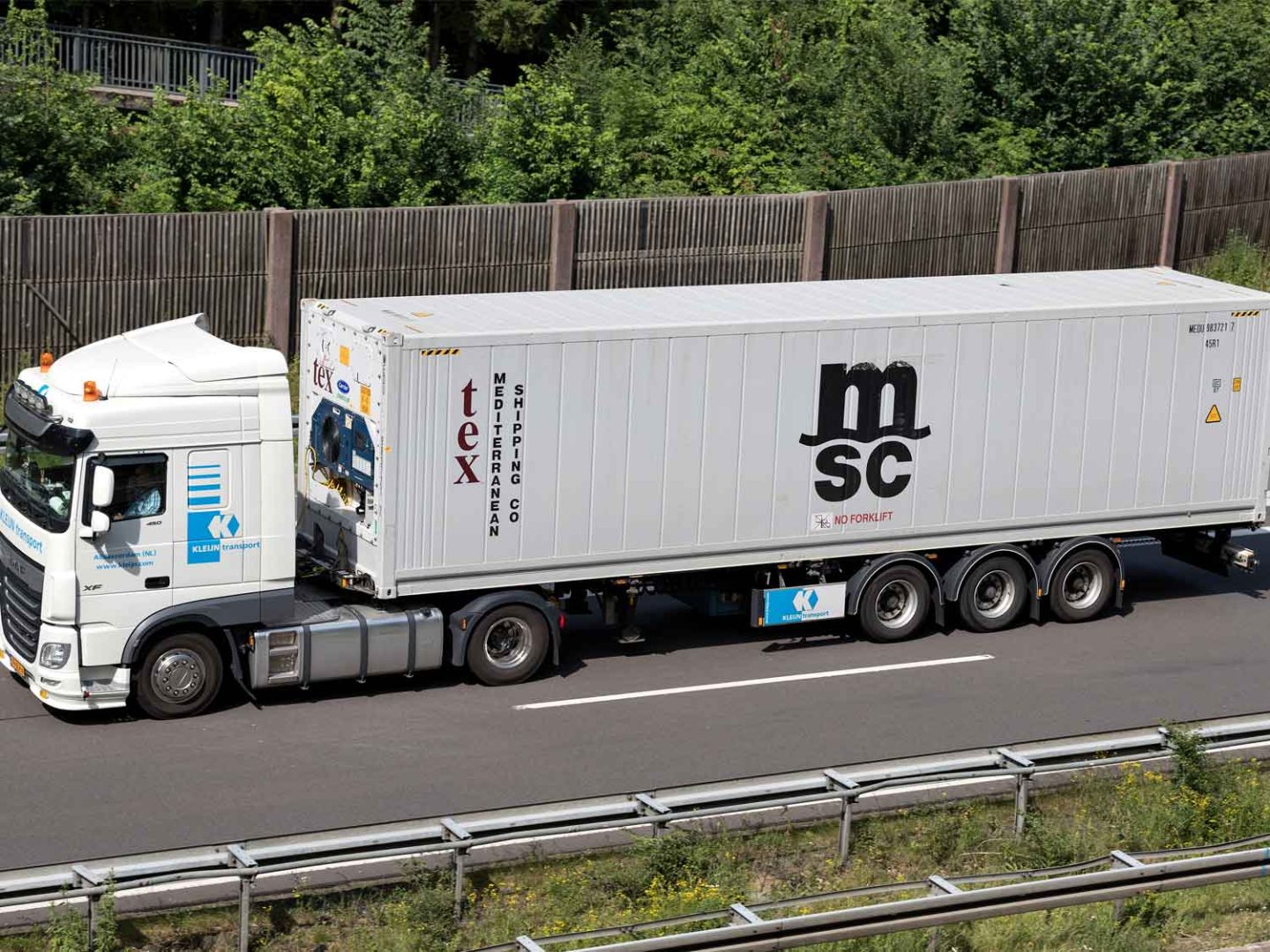
The failures of these smaller firms have opened the door to consolidation within the market. One of the most significant moves is MSC’s acquisition of Maritime Transport, the UK’s largest haulier. Maritime Transport operates a fleet of 1,600 trucks and has a significant presence at major UK ports.

MSC’s acquisition is part of a wider strategy to consolidate control of overland logistics throughout Europe and is likely to raise concerns among other shipping lines, potentially reshaping customer relationships in the industry.

Simultaneously, hauliers are dealing with significant challenges at UK ports. While DP World’s £1bn development of new berths at London Gateway is progressing, there are continuing political tensions between the operator and UK government officials.

Construction of two new berths will go ahead as part of a long-term plan to make London Gateway the UK’s largest container port, potentially handling six ultra-large container vessels simultaneously by the end of the decade. This expansion will significantly increase capacity and create around 400 new jobs.

Elsewhere, other UK ports are facing infrastructure delays, which are putting essential development projects at risk. The British Ports Association (BPA) has raised concerns over the backlog of harbour orders that ports require to make infrastructure upgrades and expand capacity. These delays threaten billions of pounds in investment and the ability of ports to meet growing trade demands. The situation is particularly dire for ports like Southampton and Plymouth, which have been waiting years for regulatory approvals to begin critical development work.

As the road freight industry faces these mounting pressures, larger operators are increasingly consolidating power while smaller firms struggle to survive.

The efficiency of the haulage sector remains dependent on the performance and expansion of the UK’s key ports, where delays and congestion could have far-reaching implications for supply chain resilience.

Metro offers secure road transport solutions with dedicated vehicles running on fixed routes, ensuring timely deliveries and GPS tracking for full visibility across the UK and continental Europe.

Our road freight teams are strategically located near major manufacturing and transport hubs throughout the UK, enabling efficient logistics support.

To learn more about our domestic and European services, please EMAIL Richard Gibbs to start a discussion tailored to your specific needs.

Reefer container shortage looms as demand surges

Reefer container shortage looms as demand surges

The global market for refrigerated containers, or reefers, is facing significant pressure as we approach the end of 2024. Seasonal demand, combined with increased export activity from regions like Latin America, is straining equipment availability.

This surge coincides with the peak season for perishables, especially from countries like Argentina and Chile. Carriers are grappling with imbalances in reefer availability, worsened by longer transit times caused by vessels rerouting around the Cape of Good Hope. Imbalances are also evident in other regions, with South America showing a 73% reefer shortage and Europe facing a deficit of 19%.

Meanwhile, strong export growth in Southern Hemisphere regions like South Africa which are driven by products such as citrus, are further exacerbating the strain on reefer availability. As global demand for refrigerated goods continues to rise, particularly in key markets like the US and China, shippers are expected to face growing competition for reefer containers.

Challenges in securing enough equipment have also been affected by disruptions in ports such as Singapore and Dubai, where congestion reached record levels. The result is that shippers may need to explore alternative ports or reschedule shipments to avoid delays, as equipment shortages persist into early 2025.

In summary, the global reefer market is under significant pressure due to rising demand, particularly for Latin American exports, seasonal factors, and logistical disruptions. Shippers must carefully plan and adjust their supply chains to mitigate delays and shortages as reefer container availability remains strained well into 2025.

Metro specialises in refrigerated cargo shipping, cold-chain logistics, and insulated packaging to ensure your perishable goods arrive in optimal condition. Our expert foodstuffs team offers comprehensive support for all import and export needs, including guidance on Customs regulations and health authority compliance at both the origin and destination.

If you’d like to explore how Metro can optimise your temperature-sensitive supply chain, please contact Andrew Smith, Chief Commercial Officer, via EMAIL to discuss your specific requirements.