Continued Airfreight Growth Amid Emerging Challenges

Continued Airfreight Growth Amid Emerging Challenges

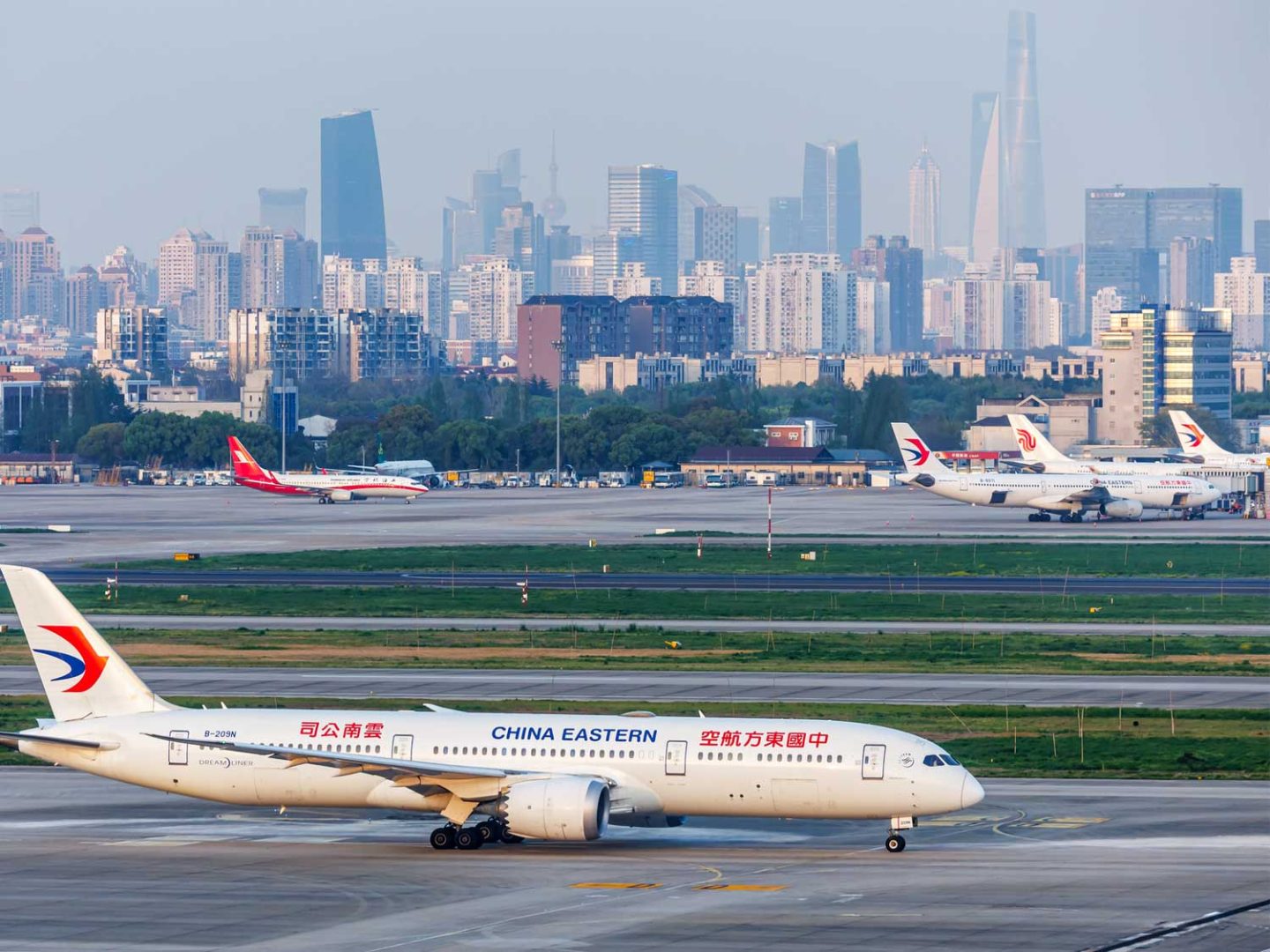
Global air freight markets have continued to post positive year-on-year growth through September and October, reinforced by stronger than anticipated build up to peak season volumes, but recent indicators point to a moderating pace and emerging challenges that merit close attention.

While recent data points to a slowdown in momentum, overall performance remains solid, underpinned by stable demand, improved belly capacity and expanding connectivity on Asia-Europe and Trans-Pacific routes.

September: Stronger Demand and Broad-Based Recovery

According to IATA’s latest data, global air cargo demand rose nearly 3% year-on-year in September, with international volumes up 3.2%. Capacity grew by roughly 3%, maintaining a healthy balance between supply and demand. The Asia-Pacific region led the expansion with a 6.8% increase in volumes, while Europe recorded a 2.5% rise and Africa posted double-digit growth.

Growth was especially strong on the Europe–Asia (up over 12%) and 10% up within Asia corridors, reflecting continued confidence among exporters and manufacturers leveraging airfreight for time-sensitive and high-value cargo. With global manufacturing activity steadying and cross-border trade recovering, September marked one of the most stable months of the year for international air logistics.

October: Consistent Throughput Amid Changing Conditions

Preliminary October data shows global air cargo volumes continuing to rise (around 4% higher than last year) indicating that demand remains robust heading into the traditional year-end peak. Industry analysts note that the pace of expansion is easing slightly as the market adjusts to higher passenger aircraft capacity and shifting economic conditions, but the overall picture remains positive.

Regional patterns are mixed: Asia continues to drive growth, supported by strong eCommerce flows and resilient intra-regional trade, while the transatlantic market remains steady. Importantly, network connectivity and schedule reliability have improved further, helping shippers achieve greater predictability and shorter transit times across major gateways.

Outlook: Stable, Predictable and Customer-Focused

While the pace of growth is slowing, there are reasons for optimism, including sustained peak season volumes, robust growth across key Asian and African corridors, and ongoing demand from eCommerce and modal shifts due to ocean shipping disruption.

The industry faces headwinds from weakening rate trends and demand imbalances, but steady year-on-year increases, even as momentum tapers, position air freight for a resilient conclusion to 2025.

Overall, air cargo remains on a positive trajectory, delivering growth despite moderating demand and evolving market challenges, with adaptability and strategic planning key for stakeholders navigating this dynamic landscape.

With demand steady and networks evolving, securing lift and predictability is all about smart planning. Metro’s air team proactively monitors capacity, fine-tunes routings, and works with trusted carrier partners to keep your cargo moving—reliably and on time.

Our platform adds real-time confidence with flight telemetry that delivers:

  • Live aircraft position and route mapping
  • Accurate departure/arrival confirmation
  • Time-stamped milestones, updated in real time

Plan with certainty, optimise inventory, and protect service levels—even when conditions change.

EMAIL Andrew Smith, Managing Director, to explore smarter, faster, and more resilient air-freight solutions powered by live data and long-standing carrier relationships.

When the Suez Canal Comes Back Online: Hidden Risks for Supply Chains

When the Suez Canal Comes Back Online: Hidden Risks for Supply Chains

With hopes rising of stabilising conflict in the Red Sea region, analysts are increasingly considering what it would mean if shipping lines resume full use of the Suez Canal route, and it’s not all good news. 

While the shorter route from Asia to Europe might seem like a logistical boon, the modelling suggests there are several material pitfalls ahead that shippers need to be aware of.

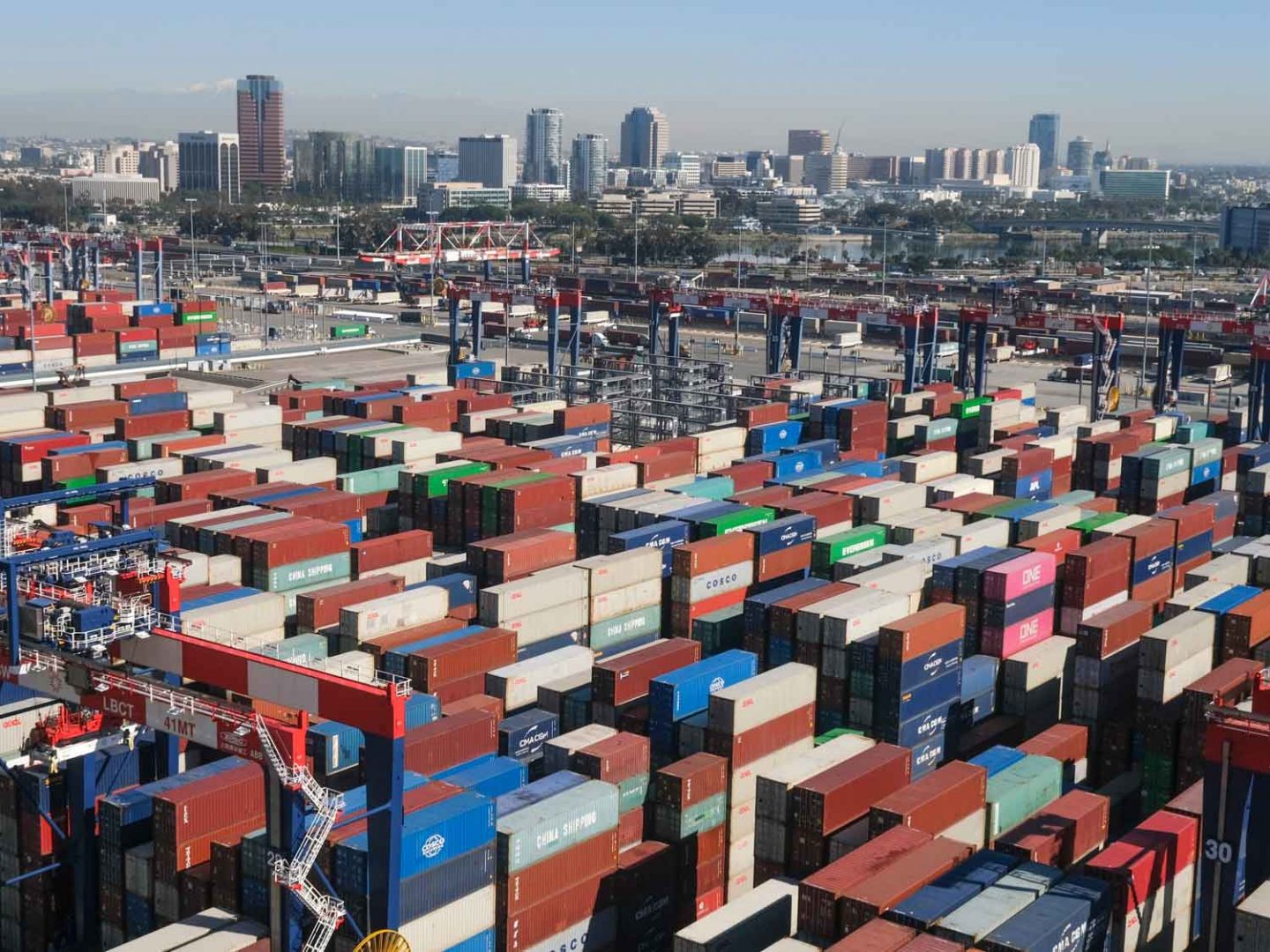
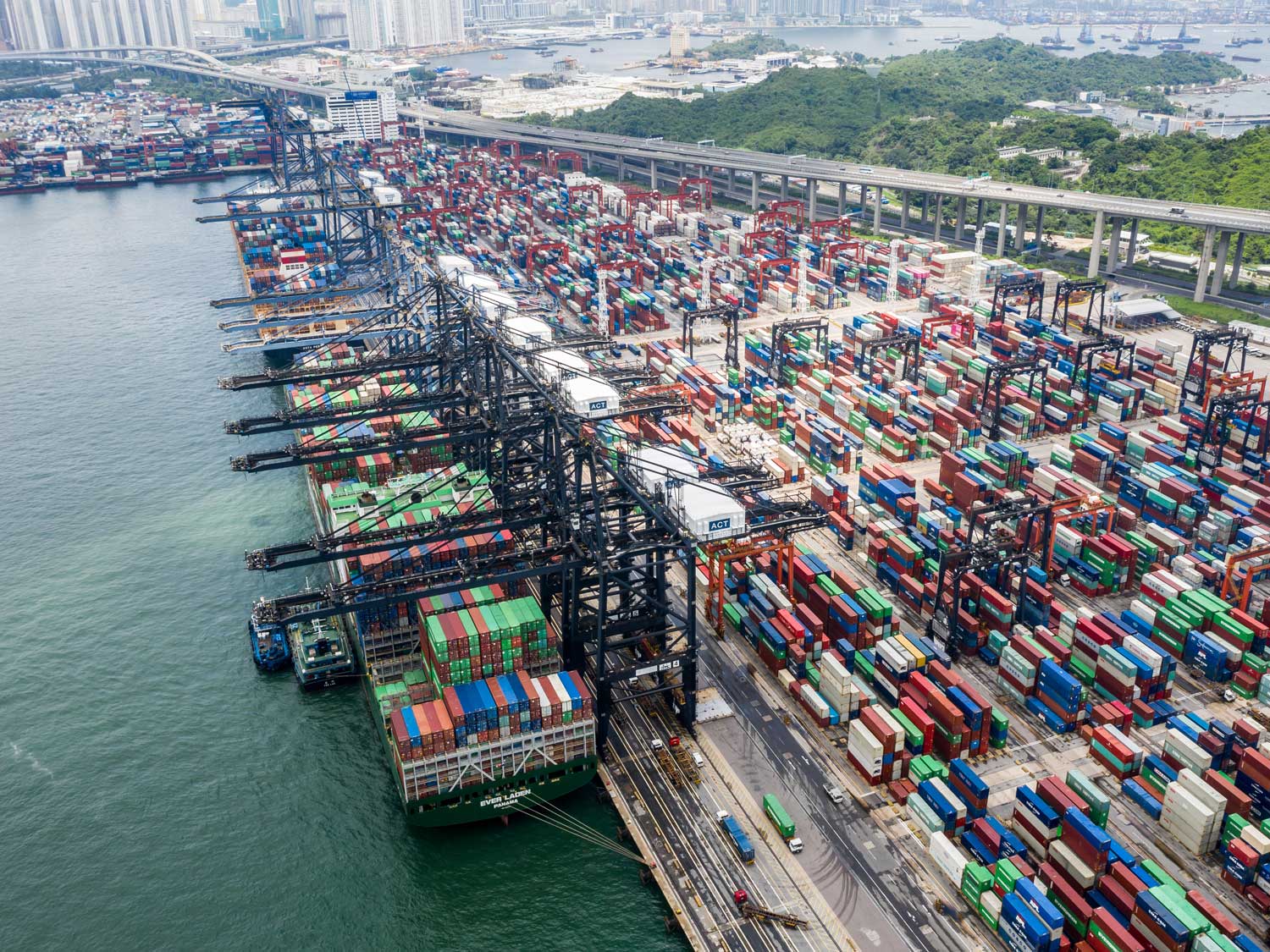
Since late 2023, container shipping lines operating on Asia–Europe and Asia–North America routes have avoided the Suez Canal, opting instead to sail around the Cape of Good Hope. This detour has extended transit times and absorbed a significant amount of global container capacity. According to Sea-Intelligence, a full and immediate return to the Suez Canal could release up to 2.1 million TEU of capacity, equivalent to around 6.5 % of the global fleet, back into circulation.

However, this sudden release would create a powerful surge of imports into Europe. Modelling suggests that if all carriers reverted to Suez routing at once, inbound volumes from Asia could double for a period of up to two weeks, pushing overall port handling demand almost 40 % higher than previous peaks. 

Even if the transition were more gradual, spread over six to eight weeks, European ports would still face throughput levels around 10 % above historical highs, straining terminal operations, inland connections, and storage capacity.

Key Areas of Risk

  • European Port Congestion and Hinterland Strain
    European ports are already under pressure. A sudden import surge could stretch terminal capacity, yard space, and inland networks, leading to delays, higher handling costs, and increased demurrage.
  • Short-Term Disruption Despite Long-Term Gains
    While the Suez route offers shorter transits and lower fuel use, the transition back is complex. Network structures have been rebuilt around the Cape, and reverting will require major re-engineering, with temporary schedule changes and service disruption.
  • Lingering Risk and Insurance Costs
    The security issues that diverted ships from Suez persist. Even after reopening, residual war-risk premiums and contingency measures could keep operating costs elevated.
  • Capacity Overshoot and Rate Pressure
    Releasing 2.1 million TEU of capacity is likely to swing supply–demand balance, pushing rates down and while shippers may benefit in the short-term, it is likely that carriers would take drastic action to protect margins.
  • Timing and Readiness
    The timing of a full return remains uncertain. Analysts stress that rushing back before networks and ports are ready could trigger fresh disruption rather than restoring stability.

Metro’s sea freight team are already modelling reopening scenarios to ensure capacity, routing, and contingency plans are ready when trade flows shift back through the Suez Canal. 

EMAIL Managing Director, Andrew Smith to arrange a strategic review of your shipping patterns, risk exposure, and options to protect service continuity and cost efficiency when routes realign.

One Minute Late, Thousands Lost: U.S. Customs Tightens Enforcement Across All Modes

One Minute Late, Thousands Lost: U.S. Customs Tightens Enforcement Across All Modes

In U.S. trade compliance, even a one-minute delay can be costly. Recent cases show importers and logistics partners facing thousands of dollars in penalties simply because mandatory filings were completed moments after official cut-off times.

U.S. Customs and Border Protection (CBP) has stepped up automated monitoring across all major modes. For ocean freight, the Importer Security Filing (ISF-10) and manifest submissions must be lodged 24 hours before vessel loading. In airfreight, the Air Cargo Advance Screening (ACAS) system requires pre-departure data to be transmitted electronically before goods leave origin. And for trucking, particularly on north- and south-bound cross-border movements, the ACE eManifest must be filed at least one hour before arrival at the border. In all cases, late filings, even by seconds can trigger massive penalties or cargo holds.

The increased use of digital systems means there is now almost zero tolerance for timing errors. CBP’s automated compliance tools record submission times to the second, leaving little room for discretion or appeal.

This sharper focus on procedural precision comes amid a wider enforcement drive targeting customs fraud. In a separate case this month, two executives at a Los Angeles-based wholesale clothing importer were jailed and their company hit with a multi-million dollar fine for systematically under-valuing goods to reduce duties.

The message is clear: whether it’s filing times or declared values, compliance margins have all but disappeared.  To avoid finding yourself on the wrong side of a deadline lapse, it is critical that risks are mitigated:

  • Integrate automated alerts in your customs-filing systems so you’re aware of lead-time requirements well in advance.
  • Build a buffer into your internal processes: treat the submission cutoff as real time, and build in a buffer to allow for any delay.
  • Ensure your documentation and data (B/L numbers, consignee information, classification) are final and entered before the time cut-off — incomplete entries are a common cause of last-minute corrections and delay.

The Critical Take-Away

For businesses based in the UK or EU working with U.S. supply chains, this is a reminder that compliance deadlines are not just internal housekeeping, they carry real cost. When operational bottlenecks or last-minute changes push a filing even seconds late, the financial consequences can be large. Work closely with your U.S. customers and brokers to ensure that your entry process is streamlined, accurately filed and firmly upstream of any bottleneck.

Metro’s U.S. brokerage teams combine deep CBP compliance expertise with our advanced CuDoS customs automation platform, ensuring every declaration meets filing deadlines accurately and on time. EMAIL Andrew Smith, Managing Director, to learn how our integrated systems and on-the-ground U.S. presence can help safeguard your business and keep your supply chain fully compliant.

Carriers Pull Sailings and Add GRIs as US Port Fees Add New Cost Layer

Carriers Pull Sailings and Add GRIs as US Port Fees Add New Cost Layer

Container lines are tightening capacity to defend freight rates just as new U.S. port fees on China vessels start on 14 October—costs that carriers say will be passed through to shippers.

In the run-up to contracting season, the shipping alliances have stepped up blank sailings to support pricing. Between weeks 42–46, carriers withdrew 41 of 716 planned east–west sailings with the heaviest cuts on the transpacific and Asia–Europe corridors. It means that 6% of capacity, or 544,000 TEU have been stripped from transpacific and Asia–Europe trade-lanes over the past four weeks. 

Spot rates remain soft, with Drewry’s composite World Container Index dipping 1% in week 41, as carriers signal fresh GRIs of up to $2,300/teu and congestion/peak surcharges as they curb supply with voids and slow steaming.

USTR port fees are active

From 14 October, the United States is imposing USTR “special port service fees” on China-linked tonnage, with payment required in advance of arrival to avoid being denied lading, unlading or clearance.

For Chinese-owned/operated vessels, the fee starts at $50 per net ton, stepping up annually to 2028. For Chinese-built ships (not China-operated), the fee is the higher of $18 per net ton or $120 per discharged container, while foreign-built vehicle carriers face $46 per net ton from today.

What it means for shippers

  • The USTR regime adds a new fixed cost per container on top of base ocean rates and surcharges, and carriers are preparing pass-throughs.
  • With 6% of departures already pulled on main east–west trades and more voids likely, load factors are rising on the sailings that remain, which will add upward price pressure.
  • U.S. rules emphasise USTR pre-payment and proof on arrival, with non-compliance risks of port denial, cascading delays to inland supply chains and additional cost.

The container shipping lines are using their capacity and surcharge levers to prop up rates, while the USTR/China port fees, effective from last Tuesday, inject a non-market cost that will filter through to shippers. Expect more targeted blanks, GRIs with short notice, and more surcharges on Asia–Europe and transpacific flows into November.

At Metro, we work hand-in-hand with our network and carrier partners to keep cargo moving, even when the market is disrupted.

From time-sensitive shipments to sudden blankings, our sea freight team secure the right space to safeguard your supply chains and shield you from GRIs.

EMAIL Andrew Smith, Managing Director, today to explore how we can protect your US supply chains and insulate you from threatened GRIs.