Importers concerned at cost of Brexit trade checks

Importers concerned at cost of Brexit trade checks

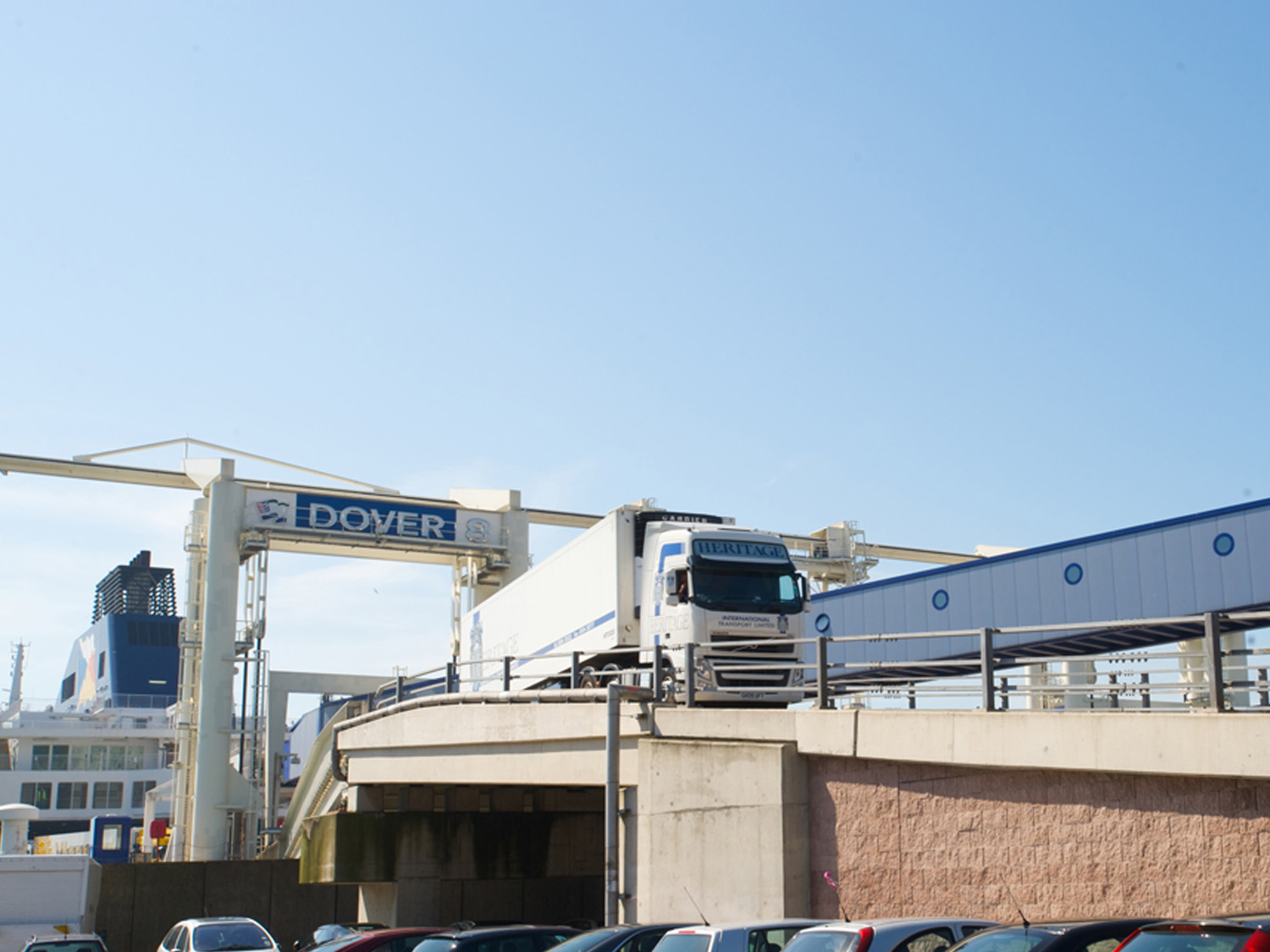
Delayed five times by the UK government, post-Brexit physical border checks of animal products, plants and plant products through the Port of Dover and Eurotunnel were finally implemented on the 30th April 2024. However, importers of affected products express concern about additional costs.

The common user charge (CUC) was also introduced on the 30th April for commercial movements of animal products, plants and plant products through the Port of Dover and Eurotunnel.

It covers imports, goods in transit and goods eligible for sanitary and phytosanitary (SPS) checks at a government-run border control post.

The CUC applies to small imports of products such as plants, seeds, fish, salami, sausage, cheese and yoghurt. The flat-rate of £10 or £29 per commodity has been capped at £145, “specifically to help smaller businesses”, Defra said.

Health certificates were introduced in January on EU goods ranging from cut flowers, to fresh produce including meat, fruit and vegetables, but physical checks for the goods came into force two weeks ago.

Physical checks will be based on the “risk” category that goods fall into, so high-risk goods, such as live animals, will be subject to identity and physical checks at the border.

Products that present a medium risk to biosecurity will also be checked, while low-risk goods, such as canned meat will not require any checks.

But businesses, especially smaller companies, have raised concerns that the new checks from the EU could disrupt their supply chains and despite the £145 cap will increase their costs, with one importer interviewed by the BBC, suggesting “the checks would cost his business between £200,000 and £225,000 per year.”

Controls for SPS goods from the rest of the world are long-established and traders are aware of the responsibilities and inherent risk of goods moved from the rest of the world, but the extensions to goods moving from the EU is catching them out.

An additional CUC cost of £29 for a single commodity is minimal, but if you have four trailers carrying five or more commodities arriving every day then you easily add £200,000 plus to your supply chain.

There have been some easements with Customs, which allow fewer inspections and there are processes which can reduce costs, but preparation is key and the correct documentation is critical in ensuring a smoother frontier transition.

Metro are at the forefront of customs brokerage solutions, with our automated CuDoS declaration platform.

We can automate your CHED import notification, on the import of products, animals, food and feed system (IPAFFS) and simplify customs compliance, to safeguard your supply chain and cut costs.

To learn more about CUC or CuDoS, or how we can simplify and automate customs declarations for your business, please EMAIL Andy Fitchett, Brokerage Manager.

Metro continues French expansion

Metro continues French expansion

Expanding Metro’s road freight coverage and service offerings in France adds further capability to the company’s strong network and enhances closeness with customers in the region.

For retailers, manufacturers, wholesalers, distributers and all types of shipper, our French import and export services support your deadlines consistently, to make your supply chains more efficient and support your cross-Channel relationships. 

Reacting positively to customer demand, Metro is expanding coverage in France to serve 80 locations across the country, with daily groupage services to/from Paris, Lyon and surrounding areas, providing the ideal balance of lead-time, capacity, frequency and cost.

In addition to daily groupage services, our road freight team offer express, part load and full load services, with equipment for every type of cargo, including refrigerated, hanging garments, outsize and hazardous goods.

Cargo is received continuously at our freight centres for daily groupage departures to and from destinations across France and for urgent shipments we provide an all-in price, transit time and booking for Express van shipments, including guaranteed next day delivery. 

To ensure that your cargo has a smooth and hassle-free Channel-crossing our driver’s customs compliance documentation is barcoded for swift and seamless ‘Smart Border’ transition. Along with dedicated ETSF (External Transit Shed Facility) in the UK and France for document discharge and customs control of inventory consignments.

And because your French customer may not want to arrange import clearances we have solutions which mean you can complete transactions with them as simply and seamlessly as if it were a domestic transaction.

The Delivered Duty Paid or ‘DDP’ Incoterm means the exporter takes responsibility for the transport of the goods and customs formalities in France, and by clearing the goods into free circulation in France and the EU you have taken the burden away from your customer.

Leverage our extensive knowledge, local expertise and unrivalled customer service to enjoy efficient, tailored solutions that meet your supply chain needs, with end-to-end supply chain visibility and milestone tracking.

Metro’s road transport solutions incorporate dedicated vehicles moving on set routes for security, with defined delivery deadlines and use GPS tracked trucks to provide full transparency on transit schedules throughout the UK and France.

Our road freight teams are located close by major manufacturing and transport hubs in Birmingham, Desford and Wythenshawe. To explore the potential of French services EMAIL Richard Gibbs to begin a conversation.

Driving road freight excellence

Driving road freight excellence

Into his second year Metro’s European Director, Richard Gibbs, updates us on his mission to develop the infrastructure, systems and services that will provide the best European transport solutions, for effectiveness and cost efficiency. 

“Metro has expanded its European road freight platform considerably in 2023, growing the dedicated commercial and operational team by 12 and we are forecasting the continuation of this trajectory in 2024, with a 100% further increase in shipment numbers.

European road freight, cross-trade movements and associated customs operations are managed by teams located at our Global HQ in Birmingham, Manchester and Desford.

These dedicated road freight teams leverage their extensive knowledge, market expertise and unrivalled customer service to deliver efficient, road transport solutions, with full visibility and dashboard control available via the MVT supply chain management platform.

It is the teams’ attention to detail and focus on the little things that achieves the ideal balance of lead-time, capacity, frequency and cost, to transform standard road freight services into something very special, that meet every supply chain need.

Departing daily from around the UK and Europe; our secure full load services embrace general cargo, temperature-controlled, garment logistics and out-of-gauge shipments.

Larger part-load movements, over 1,500 kilos, are collected, transported and delivered on the same vehicle which ensure maximum reliability, security and speed.

For urgent shipments we provide an all-in price, transit time and booking for European Express van shipments, including guaranteed next day delivery.

With defined departure and delivery dates, our groupage services are the perfect economical solution for smaller cargo loads. Reliable door-to-door solutions, with easy booking, seamless customs processing and online tracking.

Cargo is received continuously at our midlands hub and continental freight centres for daily groupage departures to and from destinations across Europe, with Q2 expansion of groupage services to/from France/Germany/Benelux/Turkey and Iberia.

Continued growth in customer demand and team members means the team in Manchester has recently increased its office footprint (see pics below) and their road freight colleagues in Desford are in the process of relocating to a new location, which is 500% larger in Earl Shilton, Leicestershire.”

To learn more about our European capability, including FTL/LTL, groupage, express, customs brokerage (CuDoS) and distribution (DDP) solutions EMAIL Richard Gibbs.

Supply chain; a year in review

Supply chain; a year in review

2023 was supposed to be the year that global supply chains bounced back from pandemic lockdowns and factory shutdowns, trade wars, tariffs and war in Europe, but now container shipping is disrupted by attacks in the Red Sea and restrictions on the Panama Canal.

The COVID pandemic and its aftermath, with supply-side fluctuations, shipping delays and port congestion created a logistics storm so brutal that many wondered if supply chains would ever recover.

The dramatic increase in consumer spending during the pandemic that left shippers scrambling for air, road and sea space, quickly fell away at the beginning of the year as consumers faced potential recession and a cost of living crisis.

That fall in demand provided the breathing space for carriers and ports to resolve their capacity and performance issues, clear backlogs and reposition equipment effectively, with markets reverting to pre-pandemic levels in terms of capacity and pricing.

The uncertainties surrounding tariffs, trade wars and geopolitical tensions remain, but there has been no significant move away from China, though we are seeing some diversification of sourcing, with Vietnam and Bangladesh – among other origins – increasingly popular.

While container shipping demand fell away the global shortage of RoRo capacity for finished vehicle shipments led to some car manufacturers to acquire their own vessel assets, while others looked to our containerised shipping solutions, for cheaper sea freight movement and certainty of service.

On the air freight front, having joined the Air France, KLM, Martinair Cargo Sustainable Aviation Fuel (SAF) programme in 2022, we were extremely pleased to support their second sustainable flight challenge in the summer, which was followed a few months later by the first transatlantic SAF-powered crossing, accelerating the transition to a more sustainable airline industry.

Metro’s road freight division has grown significantly in 2023, with more team members joining our UK Birmingham HQ and new support operations located close by manufacturing hubs in Desford and Wythenshawe.

Under new leadership the road freight team have increased European FTL/LTL capability, adding more lanes and expanded our groupage offering, alongside the increasingly popular European Distribution (EU/DDP) solutions. 

As the UK deferred post-Brexit food checks for the 5th time, to avoid adding to food inflation, the EU expanded its Emissions Trading System to the container shipping sector, in a move that will cost carriers, and by extension shippers, $Billions from the start of 2024.

In a move that took the market by surprise (but shouldn’t have) the European Commission announced that it would not renew the container shipping sector’s Consortia Block Exemption to operating alliances in 2024.

Despite the initial panic, it is likely that the EC’s decision will have little real impact, particularly as the Maersk and MSC 2M alliance was already ending, with the others likely to reorganise into new structures.

With 2024 just weeks away, scheduled Trans-Pacific and Asia to North Europe container shipping capacity was up 30% and 10%, raising fears of a massive blank sailing program to try and support rates, but now, with the Suez Canal transit suspended and Panama Canal disruption, we may see increased rates and delays, with air freight’s popularity rising.

We are hopeful that the US and coalition navies can restore maritime security quickly, because the prolonged re-routing of vessels away from the Suez Canal, via the Cape of Good Hope will increase transit times and costs, with a massive reduction in available capacity and a return to equipment imbalances.

Whatever challenges 2024 may bring, you can rest assured that we will keep you informed and protected, because we always have your back covered.