Emirates Dubai

Air freight surges as supply chains feel the pressure

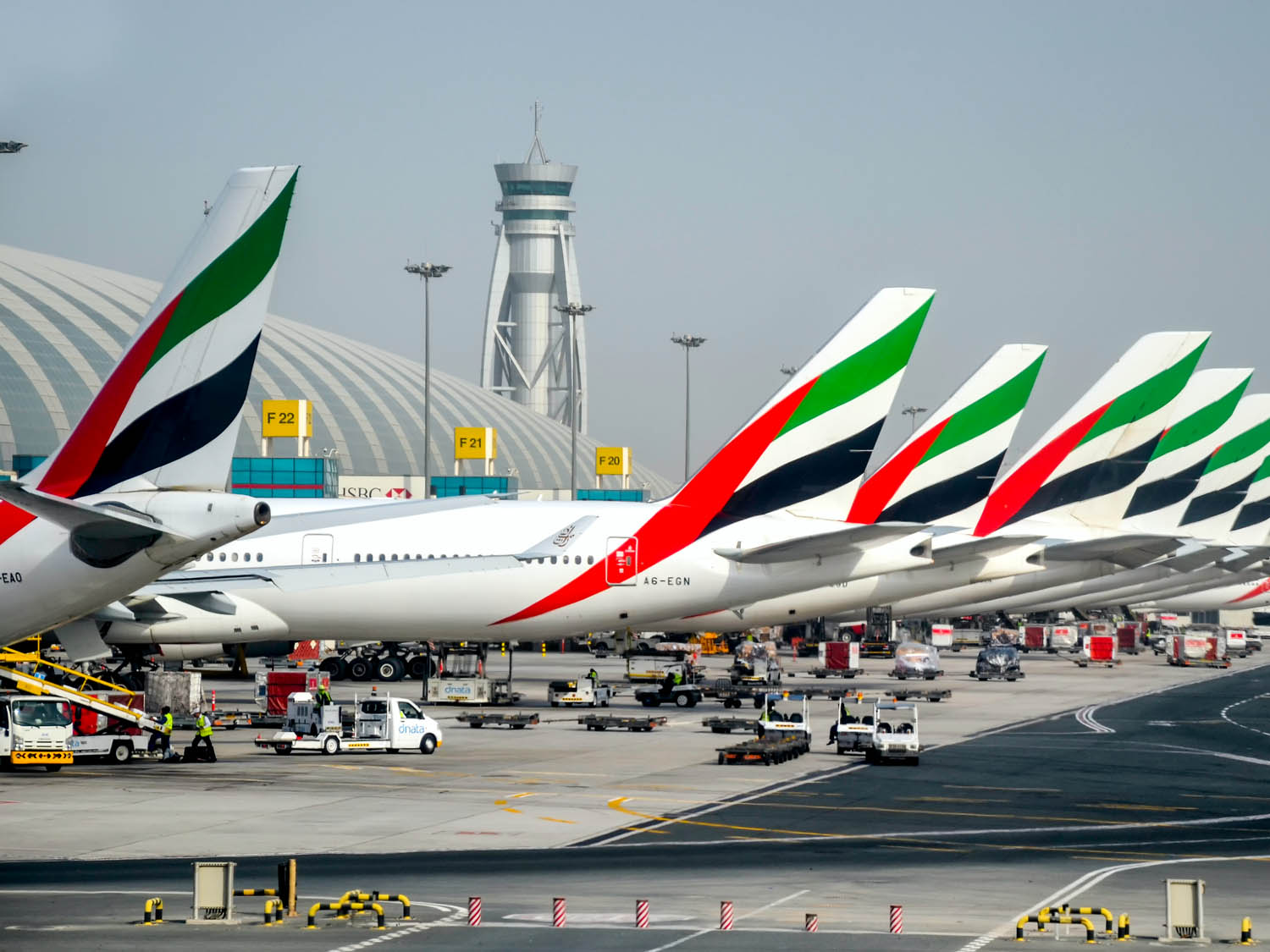
The air freight sector, which is already experiencing a demand spike in many regions, is anticipating another surge as the strikes at US East and Gulf Coast ports are likely to fuel even more demand on the time-sensitive mode.

With more than half of US containerised volumes moving through East and Gulf Coast ports the strikes will quickly have a profound impact on trade, especially with the peak holiday season approaching. The industrial action is expected to cause significant delays and backlogs, with each day of the strike potentially adding 5–10 days of cargo build-up.

As a result, many businesses will be reassessing their logistics strategies and opting for air freight to avoid the uncertainty of ocean shipping. This shift will put additional pressure on an already strained air freight market, with capacity tightening and rates rising.

Air cargo rates on routes from Asia to the US and Europe have already risen, as robust demand for eCommerce and traditional cargo has lifted load factors to almost 90% in September, with demand expected to strengthen further ahead of Black Friday and Cyber Monday.

As air freight capacity is being redirected by carriers from less profitable trade lanes, such as South America and India, to the more lucrative trans-Pacific and Asia-Europe routes, businesses on these secondary routes are finding it increasingly difficult to secure space for their shipments.

This trend is mirrored across other key Asian markets, with Japan, Bangladesh, and Southeast Asia also seeing sharp increases in air freight prices, driven by typhoon-related disruptions and ongoing strong demand.

Rates from Bangladesh to Europe and the US have risen dramatically, with prices to the US more than three times higher than the same period last year. The political unrest and logistics disruptions in Bangladesh, a key textile export nation, have further limited capacity and pushed up rates.

Q4 peak season set to intensify pressure
Massive eCommerce volumes from Asia are already tying up to 150 freighters per day and with volumes forecast to surge, conventional shippers, including those in retail and automotive, may struggle to secure the space they need for their shipments.

Our block space agreements (BSA) and capacity purchase agreements (CPA)  protect space and capacity on the busiest routes, so share your shipping forecasts and we will fly your cargo at the best rates.

Regardless of your cargo type, size and requirements, we have extremely competitive rate and service combinations, to meet every deadline and budget.

EMAIL Elliot Carlile, Operations Director, for insights, prices and advice on our airfreight, charter and sea/air solutions. 
Canada and US flags 1440x1080 1

Stricter air cargo security measures in response to rising threats

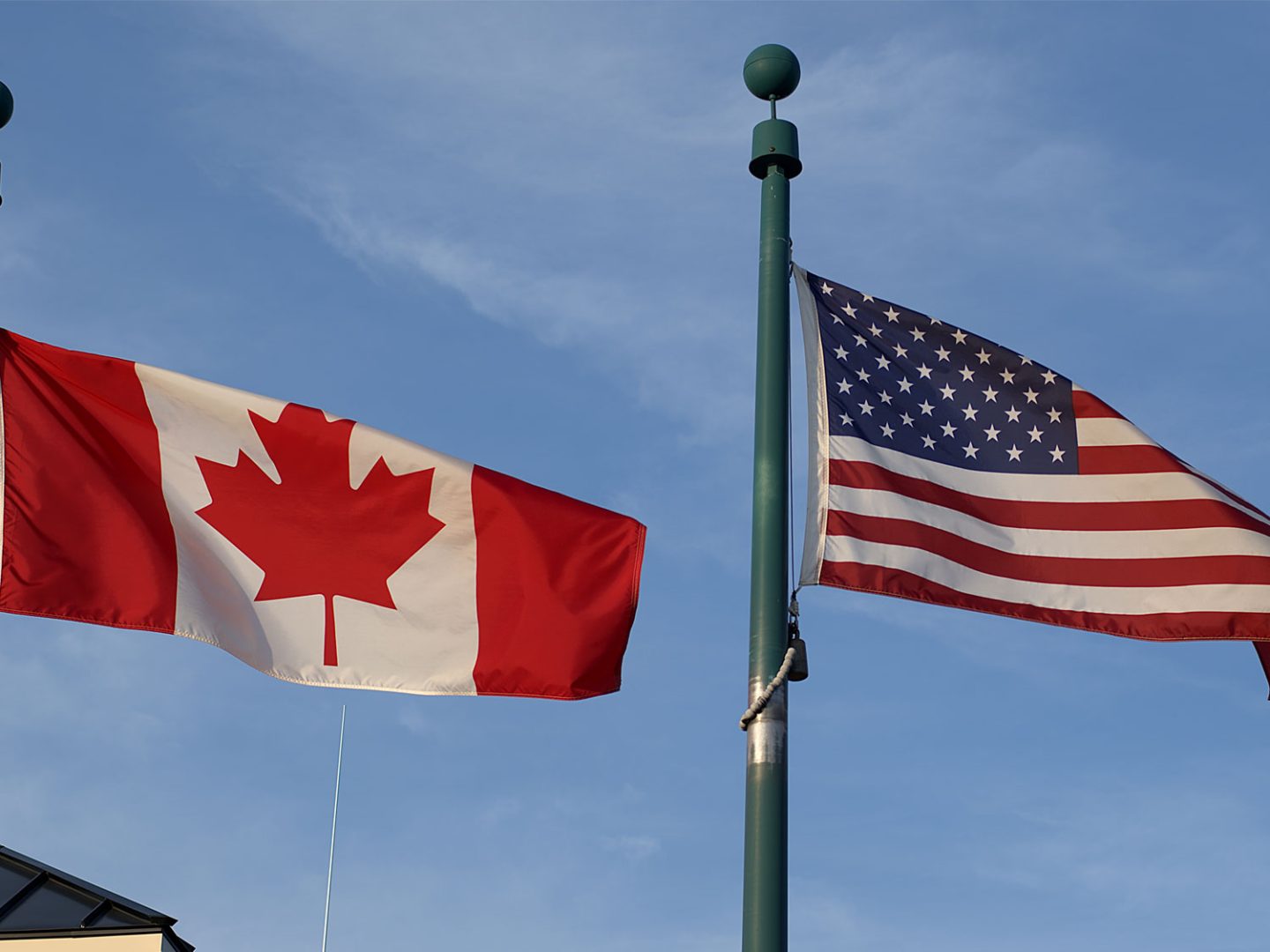
The US and Canada have introduced new security measures aimed at addressing the potential risks posed by incendiary devices found in European parcel networks.

Recent incidents, including a fire at a logistics hub in Leipzig originating from a Baltic package, have heightened awareness of potential threats to global supply chains, with reports suggesting possible interference by Russian actors.

The US Transportation Security Administration (TSA) and Transport Canada have implemented stricter security protocols, adding layers of scrutiny to air cargo entering their respective countries. 

These measures, introduced in August and early September, focus on cargo originating from Europe, the Commonwealth of Independent States (CIS), and Central Asia. Air carriers must now provide more detailed information on shippers and consignees to mitigate risks.

Transport Canada’s new rules require that cargo from 55 European and Central Asian countries must come from shippers with an “established business relationship” with freight forwarders or air carriers.

Air Canada Cargo, in line with these measures, has mandated specific messaging on air waybills to confirm the relationship between shippers and their logistics partners. To meet the security standards, shippers must have maintained an active account for at least 90 days, with a minimum of six shipments during that period.

Similarly, the US has introduced “Enhanced ACAS Security Filing,” requiring additional data on the shippers of all goods entering the country. This enhanced scrutiny aims to better identify parties involved in the supply chain before cargo is loaded onto US-bound aircraft. As part of these emergency measures, air carriers can only transport cargo from Europe and CIS countries if it has been tendered by a “Known Consignor” or a shipper with an established business relationship with a regulated agent or carrier.

These new regulations have not come without challenges. Several carriers, including Korean Air Cargo, have imposed temporary embargoes on cargo originating from Europe and the CIS regions due to the difficulties in meeting the updated requirements. The embargoes are set to remain in place until mid-November, with further assessments to follow as the new security rules settle into effect.

Metro’s air exports to North America continue to fly without issue, or delay. Inbound consignments are processed through customs and associated border agencies by our network partners in the US and Canada.

EMAIL Elliot Carlile, Operations Director, for insights, prices and advice. 

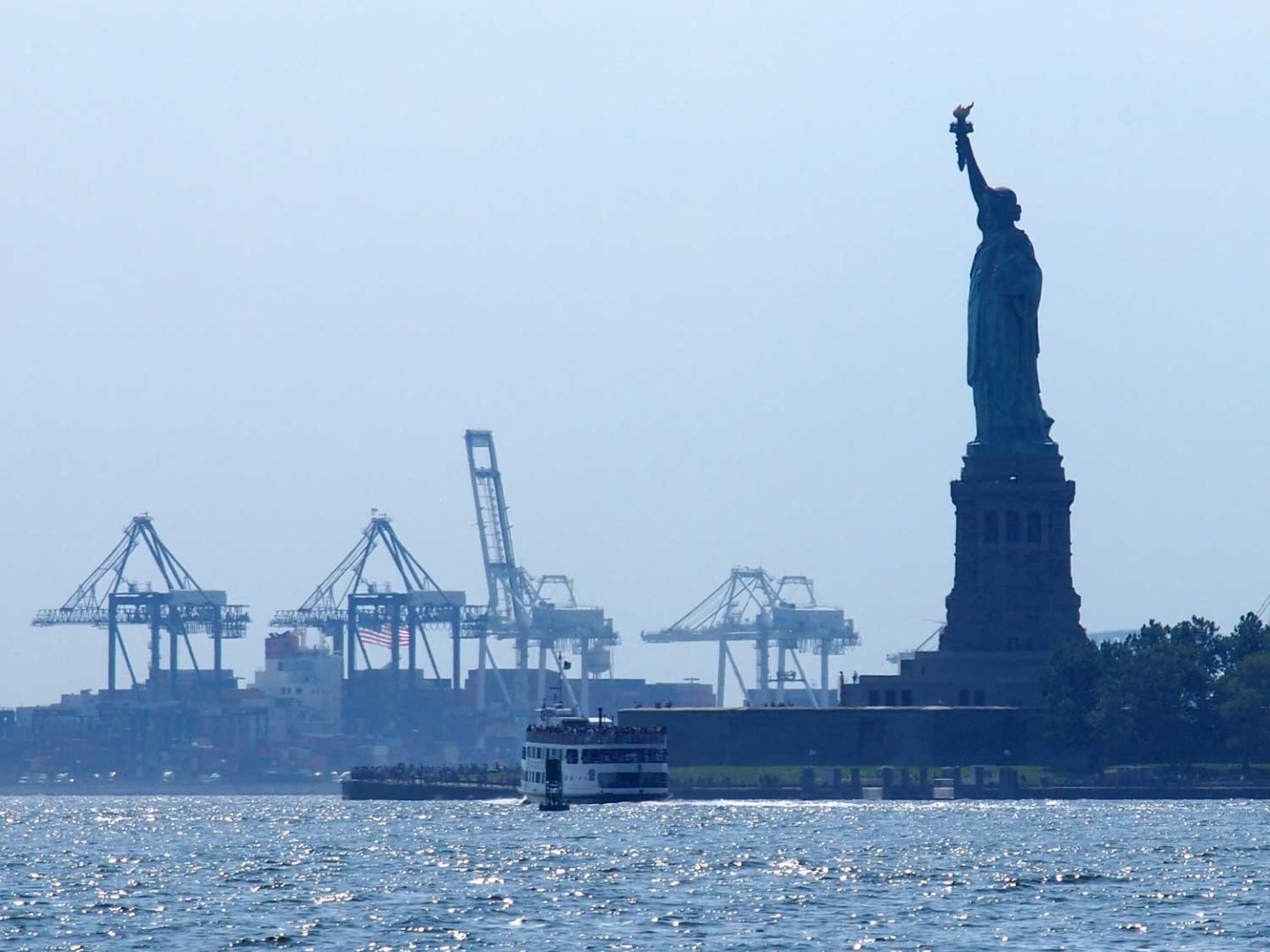
New York port 1440x1080 1

US East coast port strike looms as White House declines plea to step in

Ocean carriers and port employers are urging the International Longshoremen’s Association (ILA) to return to contract negotiations in an effort to avoid a potential strike across East and Gulf Coast ports, as the White House rejects plea by 177 trade associations to use legal powers. 

A strike at U.S. East and Gulf Coast ports appears imminent after the White House confirmed it won’t intervene legally. Following a letter from 177 trade associations urging action if negotiations with the ILA stall, the terminal employers’ group, USMX, welcomed the call for the government to help resume talks.

Trade groups warned a strike would harm the economy, especially with inflation falling. Despite USMX’s disappointment over stalled negotiations, the White House ruled out using the Taft-Hartley Act to delay the strike, encouraging both parties to negotiate.

The ILA rejected the latest wage offer from the USMX, considering it insufficient, particularly due to the unpredictable working hours of longshore work. The union is also pushing for stricter prohibitions on automation, demanding a ban on both semi-automation and full automation at marine terminals.

In addition to automation, the ILA raised concerns about the use of surveillance equipment, such as in-equipment cameras, which they claim infringes on worker privacy. They argue that this technology contributes to a hostile work environment, particularly affecting female longshore workers.

As the strike threat looms, transatlantic shipping rates are experiencing an unexpected surge, surpassing February’s peak. While many east-west container trade routes have seen declining rates, the North Europe to US East Coast trade route has bucked the trend, with a 16% increase in rates week-on-week.

There was speculation that the impending strike contributed to the rate spike, with European shippers rushing to move goods ahead of the 1st October deadline. However, much of the price rise can be attributed to peak season surcharges implemented by carriers at the beginning of September.

MSC has already announced plans to impose an Emergency Operations Surcharge from the start of October, further driving up rates. Shipping analysts suggest that even if the strike is short-lived, lasting around a week before government intervention, the ripple effects will push rates higher and create significant disruption for shippers across the Atlantic.

We have contingency plans in place to avoid the ports likely to be most affected by strikes, as well as alternative routes and entry points.

To discuss these issues and how Metro can protect your supply chain, please EMAIL Andrew Smith, Chief Commercial Officer.

Typhoon HKG 1440x1080 1

Supply chains brace for more disruption as storm season intensifies

From wildfires and floods to scorching heatwaves, the consequences of climate change are becoming more pronounced, and as we enter the peak shipping season, businesses are scrambling to prepare for what is predicted to be one of the most disruptive storm seasons in recent memory.

So far in 2024 supply chain disruptions caused by extreme weather are estimated to have cost companies billions of pounds, and the storm season is far from over. Hurricanes, wildfires, and floods have already stretched global supply lines thin, and the arrival of storms like Typhoon Bebinca, which threatened Shanghai this week, adds a fresh layer of concern.

Increased visibility allows managers to pinpoint disruptions and adjust supply chains accordingly, and the key to weathering these events lies in preparation. Shippers are diversifying their carrier bases and building inventory buffers to keep goods moving in the face of challenges. Strategic planning, such as maintaining safety stock for high-demand items, has become essential in managing supply chain risks.

The heightened storm season comes as companies are already reeling from the effects of wildfires in California and Australia, as well as floods that have caused widespread damage to transportation networks in Asia.

While technology and data-driven insights have made supply chains more resilient, this year’s relentless barrage of natural disasters is proving particularly difficult to navigate. While technology can help predict and respond to the impact of storms, it is only effective when paired with clear communication and regular updates on shipments.

The threat posed by Typhoon Bebinca is yet another reminder of the supply chain vulnerabilities that remain, with Shanghai closing ports, cancelling, and halting transportation links to ensure safety. With more storms likely in the coming months, companies must remain agile and vigilant, ready to adapt to further disruptions.

The need for resilience and adaptability is more pressing than ever, as companies navigate the challenges ahead. This season may prove to be one of the toughest in recent memory, but for those prepared, there are still opportunities to maintain operational continuity in the face of adversity.

Extreme weather events consistently highlight the vulnerability of supply chains and the importance of robust contingency plans and marine insurance to protect against risk.

We have been maintaining supply chain resilience in the face of unforeseen challenges for decades. To learn how we can develop and support your supply chain resilience EMAIL our Chief Commercial Officer, Andy Smith.