Algeciras 1440x1080 1

Red Sea diversions create Western Mediterranean port congestion

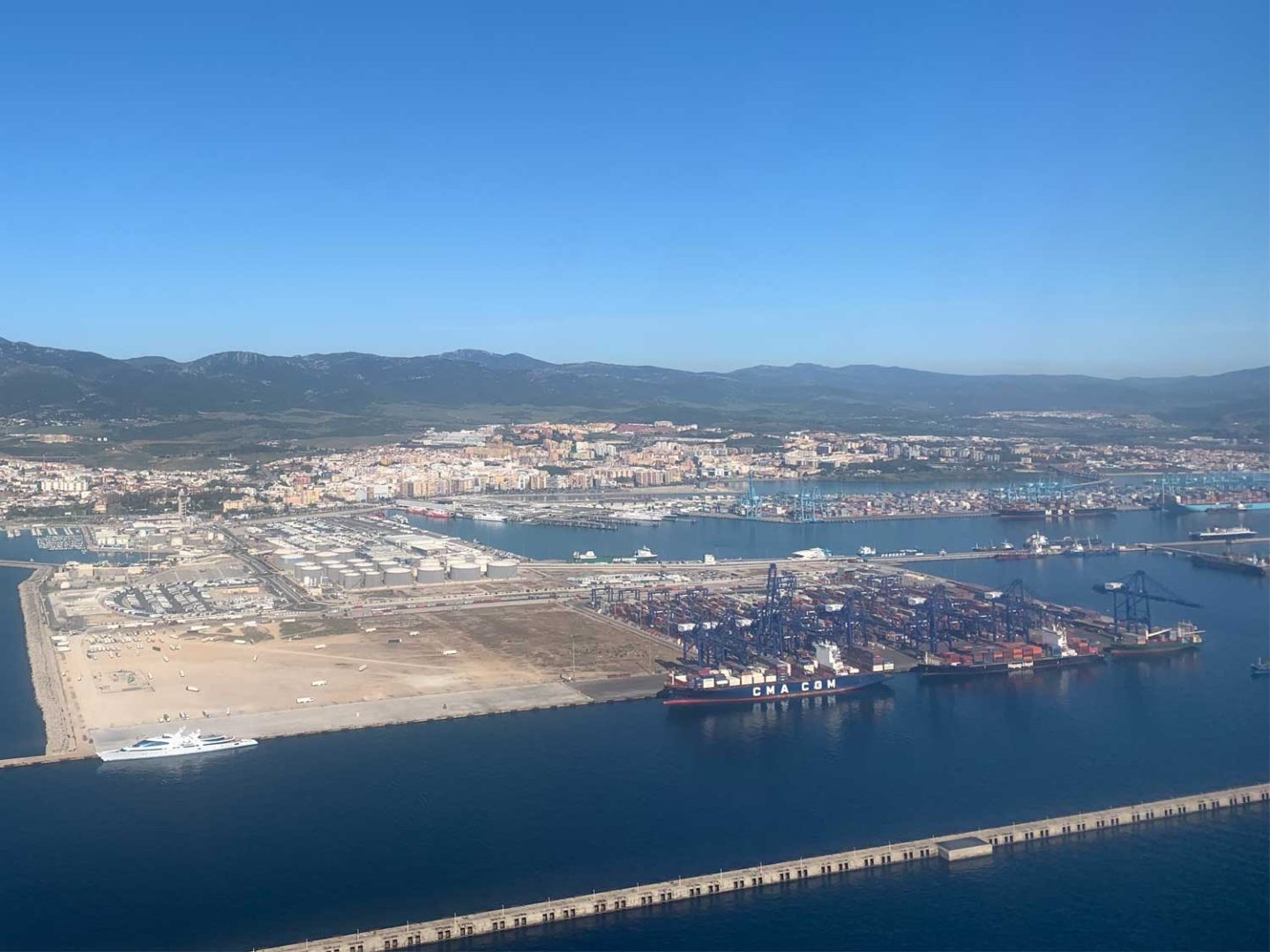
The mass diversion of container ships away from the Red Sea since December has raised fears of congestion across west Mediterranean container ports, as carriers from Asia drop boxes destined for the eastern Mediterranean.

Instead of entering the Mediterranean Sea dead end, created by the effective closure of the Suez Canal, Ultra-large container ships from the Far East are offloading containers at western Mediterranean ports such as Barcelona, with smaller feeder vessels transporting them to final central and eastern Mediterranean destinations.

Transhipment traffic in Barcelona was up year on year by 22%, 64% and 63% in January, February and March, while Algeciras, Valencia and Las Palmas grew at 7%, 18% and 33% in Q1 2024.

And while the ports managed the first quarter’s throughput, they are operating at (or are close to) operational capacity, which means that any continuation or increase in volumes could lead to a dangerously high level of utilisation and potentially serious congestion.

Alternatives, to spread volumes out, include the Moroccan hub of Tanger Med, but its utilisation is already sitting at 83%, so even a relatively small increase in volumes could fill it up.

The southern Portuguese port of Sines has capacity to handle an additional 1.4m teu, while the ports of Malaga and Castellon may also be worthy of consideration, to avoid a potential supply chain bottleneck, with storage yard capacity drying up at ports in the western Mediterranean.

The seven-day average vessel waiting time at Barcelona increased two days due to increased cargo flow, lowered productivity, IT issues and bad weather. Shipping lines are asking customers to pick up both their import units and empty containers as early as possible, due to congested line-up and increased waiting times.

One of the two container terminals at Algeciras confirmed that their facility was “quite full” and warned that “capacity is very limited”, leading them to restrict the amount of cargo accepted, to avoid severe congestion.

There are two potentially significant negative outcomes due to the current Mediterranean situation:

First, transshipment networks require more ships for the feeder services and carriers may remove ships from other trades, particularly those in North Europe, which could create a capacity squeeze and push rates up.

Second, port congestion creates a de-facto reduction of available vessel capacity, which leads to an increase in blank sailings, because there is a schedule gap when vessels are unavailable, which squeezes capacity and pushes up rates.

If you have any questions or concerns about the issues outlined in this article, or would like to discuss any aspect of your Mediterranean supply chain, please EMAIL our Chief Commercial Officer, Andy Smith.

Food factory 1440x1080 1

Importers concerned at cost of Brexit trade checks

Delayed five times by the UK government, post-Brexit physical border checks of animal products, plants and plant products through the Port of Dover and Eurotunnel were finally implemented on the 30th April 2024. However, importers of affected products express concern about additional costs.

The common user charge (CUC) was also introduced on the 30th April for commercial movements of animal products, plants and plant products through the Port of Dover and Eurotunnel.

It covers imports, goods in transit and goods eligible for sanitary and phytosanitary (SPS) checks at a government-run border control post.

The CUC applies to small imports of products such as plants, seeds, fish, salami, sausage, cheese and yoghurt. The flat-rate of £10 or £29 per commodity has been capped at £145, “specifically to help smaller businesses”, Defra said.

Health certificates were introduced in January on EU goods ranging from cut flowers, to fresh produce including meat, fruit and vegetables, but physical checks for the goods came into force two weeks ago.

Physical checks will be based on the “risk” category that goods fall into, so high-risk goods, such as live animals, will be subject to identity and physical checks at the border.

Products that present a medium risk to biosecurity will also be checked, while low-risk goods, such as canned meat will not require any checks.

But businesses, especially smaller companies, have raised concerns that the new checks from the EU could disrupt their supply chains and despite the £145 cap will increase their costs, with one importer interviewed by the BBC, suggesting “the checks would cost his business between £200,000 and £225,000 per year.”

Controls for SPS goods from the rest of the world are long-established and traders are aware of the responsibilities and inherent risk of goods moved from the rest of the world, but the extensions to goods moving from the EU is catching them out.

An additional CUC cost of £29 for a single commodity is minimal, but if you have four trailers carrying five or more commodities arriving every day then you easily add £200,000 plus to your supply chain.

There have been some easements with Customs, which allow fewer inspections and there are processes which can reduce costs, but preparation is key and the correct documentation is critical in ensuring a smoother frontier transition.

Metro are at the forefront of customs brokerage solutions, with our automated CuDoS declaration platform.

We can automate your CHED import notification, on the import of products, animals, food and feed system (IPAFFS) and simplify customs compliance, to safeguard your supply chain and cut costs.

To learn more about CUC or CuDoS, or how we can simplify and automate customs declarations for your business, please EMAIL Andy Fitchett, Brokerage Manager.

India industrial revolution 1440x1080 1

India; sourcing opportunity

For years India has been looked to as the next global manufacturing powerhouse and it now appears to be finally becoming the manufacturing power and sourcing alternative to China that it has long promised to be.

India’s Prime Minister Narendra Modi inherited an economy that was teetering on an economic precipice a decade ago.

Immediately after his victory in 2014, the prime minister launched an ambitious ‘Make In India’ campaign to turn India into the world’s factory.

Foxconn – which makes iPhones for Apple – are moving their supply chain to India and other major global giants like Tesla, Micron and Samsung have also been enthused to invest in manufacturing.

And while investment in manufacturing has not reached the highest expectations, India’s growth is outpacing other major economies, overtaking the UK as the fifth largest economy and it’s on track to leapfrog Japan and Germany and hit the third spot by 2027.

India has been heralded as the next global manufacturing powerhouse, only to be outshone in trade diversification initiatives by Vietnam, and more recently by Mexico, but over the last decade, US imports from India have doubled, to the 1 million TEU range, with East Coast ports reaping the largest gains.

Retailers and fashion brands have been shifting their focus to India for many years, in a bid to speed up supply chains, keep costs down and spread out sourcing to other countries.

Carrier commitment
Container shipping lines are expanding services and local presence, with ONE launching a service to the US East Coast and HMM securing slots on the new loop.

In December, MSC acquired a 49% stake in a container terminal, near Chennai, while CMA CGM and Hapag-Lloyd are also targeting Indian port opportunities.

Last year, Hapag-Lloyd invested in local ports and logistics and Maersk also has a significant footprint inland, with marine terminal operations at Nhava Sheva and Pipavav.

OOCL and APL have invested in rail services and container freight stations for nearly two decades.

The current supply chain
Despite the investment and presence of the shipping lines, Indian exporters are turning to air freight as ‘Red Sea’ vessel diversions around southern Africa have choked off capacity, by omitting Indian subcontinent port calls, making air cargo and sea/air the viable alternatives.

In a further complication fashion products are moving in trucks from Bangladesh into India, which is adding further demand for air freight.

Another significant contributing factor to elevated export air cargo rates is the shortage of capacity as big Chinese eCommerce marketplaces buy up as much space as they can find at premium rates.

With high rates on offer, capacity has moved from the Indian subcontinent to the Chinese market and as capacity dwindles rates out of India, Pakistan and Bangladesh go up even faster.

Overall, rates to Europe from South Asia are up 120% from the same time last year, with India to Europe spot rates up 174%.

There is also strong underlying economic growth in India, with HSBC reporting that the economy’s rate of expansion the strongest since July 2023, led by the strongest manufacturing output in nearly three and a half years, with export orders showing improved robustness.

India’s next decade could resemble China’s hyper growth, analysts from Morgan Stanley wrote and other trends like digitalisation, clean energy and growth in global offshoring will propel future growth, say experts.

For over 40 years Metro has helped customers open up new export markets and diversify sourcing across Asia and India.

Integrated on our MVT supply chain platform, our commercial and operations teams work closely with our partners across India and surrounding regions, processing air, ocean and sea/air shipments.

If you have any questions, rate requests or would like any further information on our capability in India, please EMAIL our Chief Commercial Officer, Andy Smith.

HKG truck

Ocean demand outweighs supply

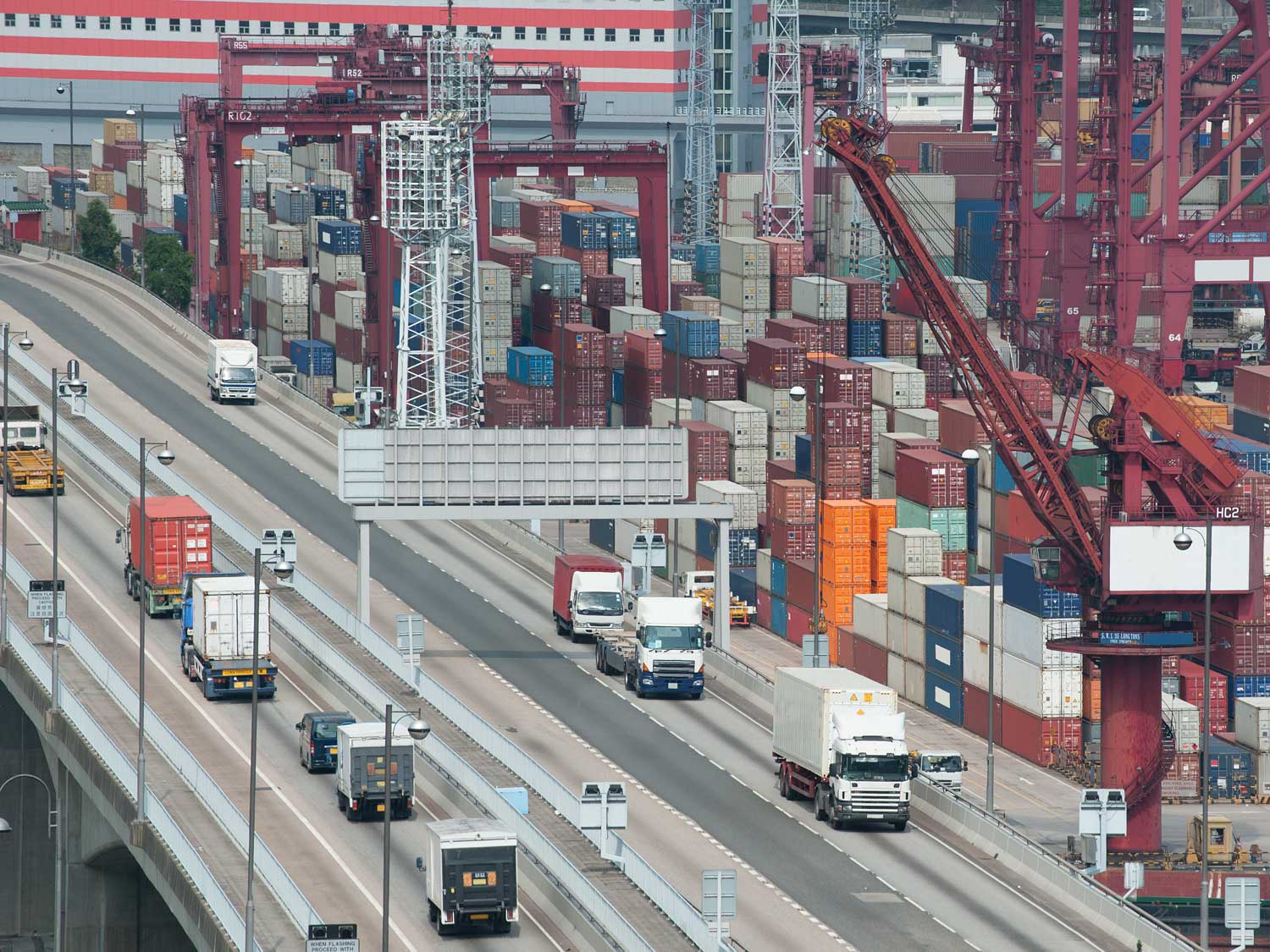
The ongoing impact of vessel diversions as a result of the Red Sea conflict continues to absorb available capacity at a time when demand is rapidly increasing. Container volumes are already higher than many predicted and there is a possibility that we have already entered a peak season market environment.

Container shipping lines are deploying maximum numbers of their fleets and new vessel deliveries and sailing them faster to offset the longer transits around southern Africa, but there is a finite limit on how much space they can throw at the market.

The additional two weeks it takes for ships to sail around the Cape of Good Hope effectively reduces available vessel capacity, with an average of 11 weekly scheduled voyages from Asia to Northern Europe in the coming weeks. Compared to the typical average of 17 voyages through the Suez Canal.

With spot rates rising as capacity tightens, it is clear that unwary shippers’ cargo will not get shipped, as capacity hits an increase in demand, extending the booking window to a minimum of 21 days ahead of cargo ready date.

The situation is further complicated by blanked sailings, smaller capacity vessels being used to fill schedule gaps and carriers restructuring their networks to support new sailing schedules.

The overall impact means that in recent weeks there has been anything up to a 50%-80% capacity cut on certain lanes, with carriers implementing additional blank sailings around this week’s Bank Holidays in China.

The intelligence that we are receiving from our network and carrier partners is that May and June could be tough in terms of equipment and space across the whole of Asia for all the major container shipping lines and this is in what would usually be the quieter period ahead of the peak season.

European imports from the Far East are up 12% year on year and US imports up 24%, which means strong Westbound and transPacific peak seasons are assured. However, demand into other markets is even more pronounced, with Asia to Middle East/India and Asia to Oceania’s both up nearly a third.

The demand explosion means more equipment is going to these regions than forecast, with some lines imposing priority surcharges, rolling cargo and others restricting equipment for contracted clients.

China’s factory activity has been growing for six straight months, suggesting that the rebound in the world’s second-biggest economy can be sustained, with export orders surging and a significant peak period looking certain.

We urge you to provide us with forecasts ahead of time, ensure shippers book 21 days ahead of cargo ready date and to communicate with us if you have any urgent/high priority orders.

We negotiate long-term and protected contracts with shipping lines across the alliances to secure space and rates, so that we can provide the best alternatives and options, whatever the situation.

To learn how we can support your Far East, transPacific or transAtlantic trade, or to learn more about our ocean capability and solutions, please EMAIL our Chief Commercial Officer, Andy Smith.