wing merro dusk

Supply chain; a year in review

2023 was supposed to be the year that global supply chains bounced back from pandemic lockdowns and factory shutdowns, trade wars, tariffs and war in Europe, but now container shipping is disrupted by attacks in the Red Sea and restrictions on the Panama Canal.

The COVID pandemic and its aftermath, with supply-side fluctuations, shipping delays and port congestion created a logistics storm so brutal that many wondered if supply chains would ever recover.

The dramatic increase in consumer spending during the pandemic that left shippers scrambling for air, road and sea space, quickly fell away at the beginning of the year as consumers faced potential recession and a cost of living crisis.

That fall in demand provided the breathing space for carriers and ports to resolve their capacity and performance issues, clear backlogs and reposition equipment effectively, with markets reverting to pre-pandemic levels in terms of capacity and pricing.

The uncertainties surrounding tariffs, trade wars and geopolitical tensions remain, but there has been no significant move away from China, though we are seeing some diversification of sourcing, with Vietnam and Bangladesh - among other origins - increasingly popular.

While container shipping demand fell away the global shortage of RoRo capacity for finished vehicle shipments led to some car manufacturers to acquire their own vessel assets, while others looked to our containerised shipping solutions, for cheaper sea freight movement and certainty of service.

On the air freight front, having joined the Air France, KLM, Martinair Cargo Sustainable Aviation Fuel (SAF) programme in 2022, we were extremely pleased to support their second sustainable flight challenge in the summer, which was followed a few months later by the first transatlantic SAF-powered crossing, accelerating the transition to a more sustainable airline industry.

Metro’s road freight division has grown significantly in 2023, with more team members joining our UK Birmingham HQ and new support operations located close by manufacturing hubs in Desford and Wythenshawe.

Under new leadership the road freight team have increased European FTL/LTL capability, adding more lanes and expanded our groupage offering, alongside the increasingly popular European Distribution (EU/DDP) solutions. 

As the UK deferred post-Brexit food checks for the 5th time, to avoid adding to food inflation, the EU expanded its Emissions Trading System to the container shipping sector, in a move that will cost carriers, and by extension shippers, $Billions from the start of 2024.

In a move that took the market by surprise (but shouldn’t have) the European Commission announced that it would not renew the container shipping sector’s Consortia Block Exemption to operating alliances in 2024.

Despite the initial panic, it is likely that the EC’s decision will have little real impact, particularly as the Maersk and MSC 2M alliance was already ending, with the others likely to reorganise into new structures.

With 2024 just weeks away, scheduled Trans-Pacific and Asia to North Europe container shipping capacity was up 30% and 10%, raising fears of a massive blank sailing program to try and support rates, but now, with the Suez Canal transit suspended and Panama Canal disruption, we may see increased rates and delays, with air freight’s popularity rising.

We are hopeful that the US and coalition navies can restore maritime security quickly, because the prolonged re-routing of vessels away from the Suez Canal, via the Cape of Good Hope will increase transit times and costs, with a massive reduction in available capacity and a return to equipment imbalances.

Whatever challenges 2024 may bring, you can rest assured that we will keep you informed and protected, because we always have your back covered.
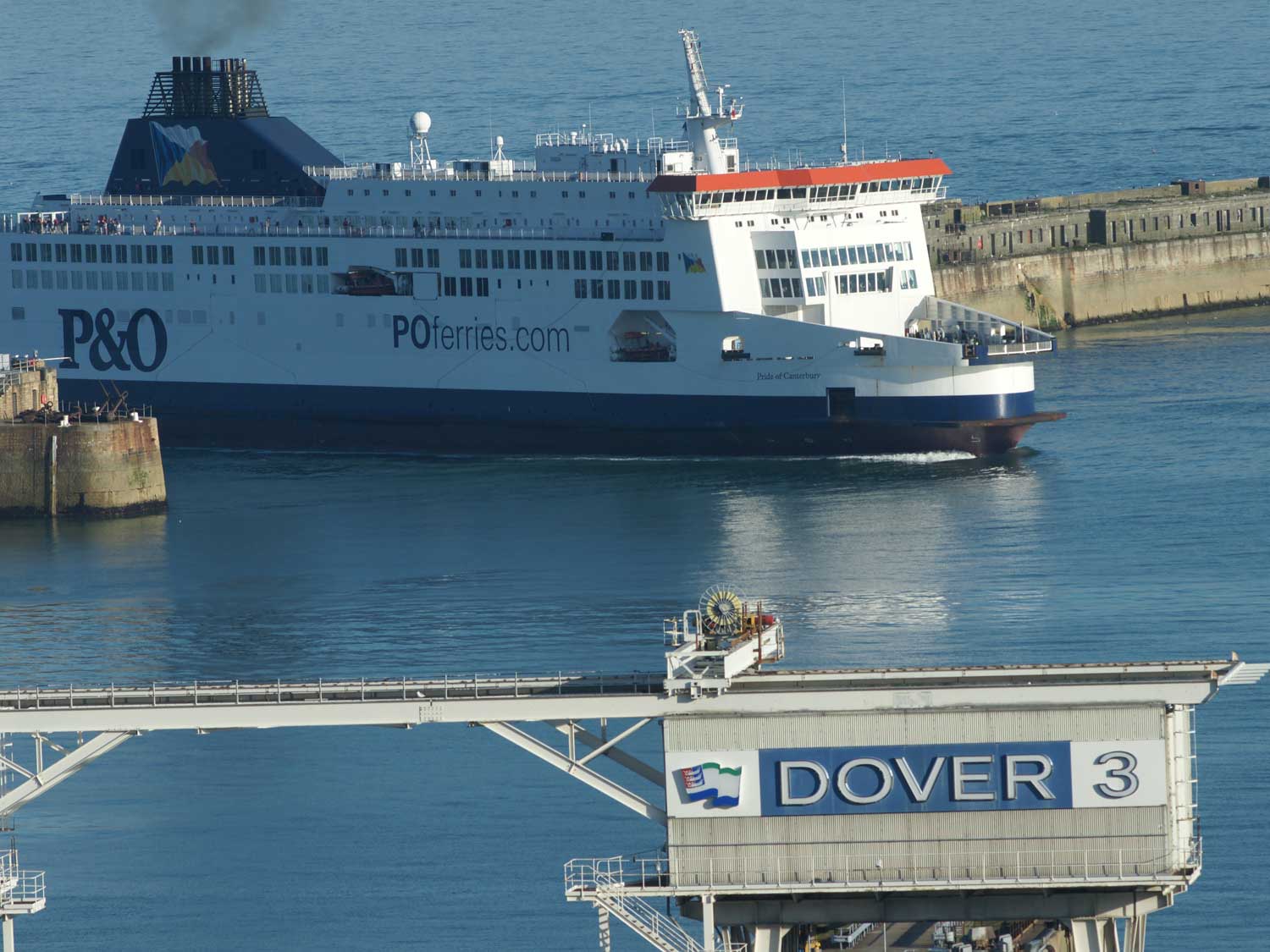
P and O

HMRC export deadline and rogue hauliers

With the deadline fast approaching for export declarations moving to the Customs Declaration Service HMRC are highlighting a worrying trend at the border, with misuse of valid documents leaving innocent exporters potentially non-compliant and exposed to penalties. 

In their latest Customs Declaration Service (CDS) update HMRC remind traders that all export declarations must move from their legacy Customs Handling of Import and Export Freight (CHIEF) system to CDS by Saturday 30th March 2024. 

We are continuing to work with our customers, setting them up on CDS for all export routes and the different types of export declaration submitted at the UK border, including Transit (TAD) and the Goods Vehicle Movement Service (GVMS).

It is these latter two that HMRC focused on, in highlighting Goods Movement Reference (GMR) errors by hauliers that are leading to issues at the UK and EU border.

Consistent misuse of valid export CDS documents where the transit document is being used for the convenience of the haulier means that shipments are not arrived in the correct manner.

Exporters have a legal obligation to pre-lodge declarations if they are moving their goods through a location using GVMS and pass evidence of this for a haulier to complete a GMR.

Hauliers have a legal obligation to carry evidence that pre-lodged customs declarations or reference numbers for Simplified Customs Procedure authorised traders are in place for all the goods they are moving.

This is met by hauliers completing a GMR which must include a declaration reference for each consignment as proof that a pre-lodged declaration has been made.

Carriers require a valid GMR to be presented at the port of departure before allowing the vehicle or trailer to board.

HMRC’s issue is that hauliers are inappropriately using TAD MRN (transit document) as suitable evidence for the export MRN reference, irrespective of what else is loaded to the trailer, which is not the case when a DUCR has been issued..

The correct use of DUCR or MUCR being advised to customs allows the authorities to “arrive” the customs entry, which means that there is a permanent record of the despatch of the goods so the VAT liability for the shipment is discharged and the zero rated document raised by the shipper becomes validated.

Incorrect GVMS entries by hauliers leads to missing data on exporters MSS reports, missing critical data in terms of managed Customs facilities such as stock records for CFSP locations, which leads to extra admin and inventory shortages, both serious matters.

These export process are incredibly complex and should be of no concern to exporters, but unfortunately many (non-Metro customers) are being caught out by the carriers’ non-compliance.

We work closely with our road transport partners to ensure they have the correct documentation and submit the correct information to GVMS through CDS.

Our CuDoS customs platform automatically monitors the status of export declarations and will flag potential non-compliance issues.

If you have any concerns or questions, regarding CDS or export compliance please EMAIL Andy Fitchett, Brokerage Manager.

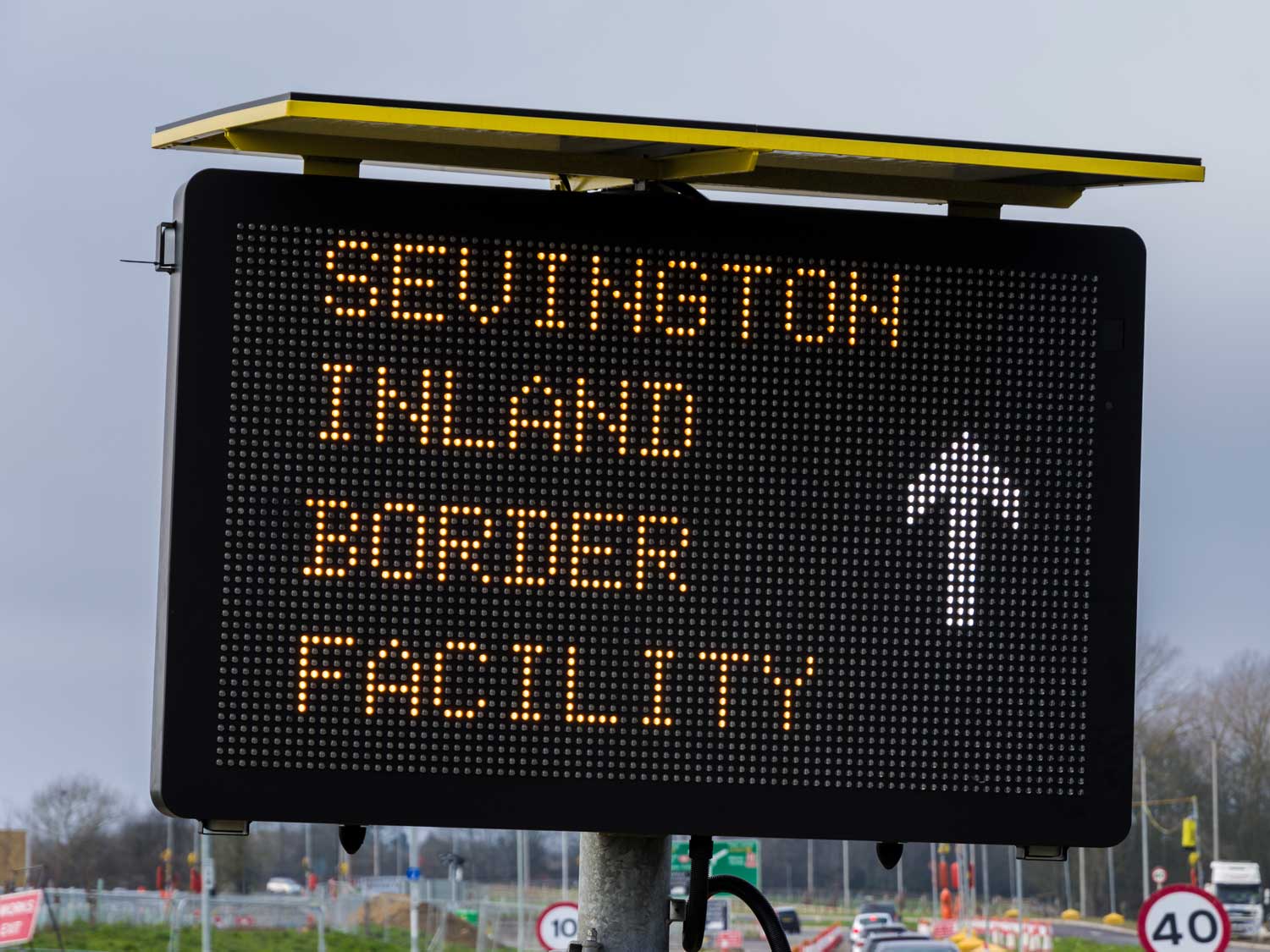
Inland Border Facility

Businesses face 24 legislative and policy supply chain changes

The Institute of Export & International Trade has issued a report highlighting the volume of regulatory change facing UK traders over the next 18 months and called for support for businesses through this turbulent period.

The report – The Border Target Operating Model and Beyond: Navigating changes to trade rules in the UK – details over 20 major policy updates that will impact British firms trading internationally between now and the end of 2024.

This makes the period potentially even busier and more critical for businesses that trade internationally than 2021, when the EU began applying full customs requirements and checks on UK post-Brexit exports.

Last month the government announced its plans for the new approach to importing goods into the UK via the Border Target Operating Model (BTOM), which will be introduced in phases starting in January 2024, and will affect border procedures for imports of food, animal and plant products.

But analysis finds BTOM to be just the beginning, with a further 23 major legislative and policy changes set to affect businesses directly or indirectly, through supply chains and delivery partners.

Other changes over coming months include the fifth release of the New Computerised Transit System (NCTS5), the rollout of the Electronic Trade Documents Act, the EU Import Control System 2, and multiple updates to documentation, risk-based checks and health certification checks on specific products.

With specific requirements and levels of understanding needed for each change, the time and support needed to implement these changes will be substantial, though once implemented, the potential benefits will be vast.

The UK’s international trade community is at the launchpad of great change, but such a number of new measures in so short a period is almost unheard of and while it presents an opportunity to reap the benefits of new trade deals and partnerships, businesses and policymakers will need to be pulling together in the same direction.

From cutting red tape to new digital borders, these changes are a cause for excitement, but with so much change, there is going to be some apprehension among business owners.

Businesses trading into or out of the UK face a period of intense regulatory change, with a wave of new rules coming into force and it is essential they stay ahead of these developments and keep up to date with the new rules. 

They need to know what's changing and when and they need to understand how it may affect their processes.

The next 18 months will see the introduction of the UK’s new Border Target Operating Model, a new IT platform for transit users, the migration to the new Customs Declaration Service for exporters and new customs rules from the EU, among other changes.

To learn more about impending changes and how you can prepared, please EMAIL Andy Fitchett, Metro’s Head of Brokerage and Customs Compliance.

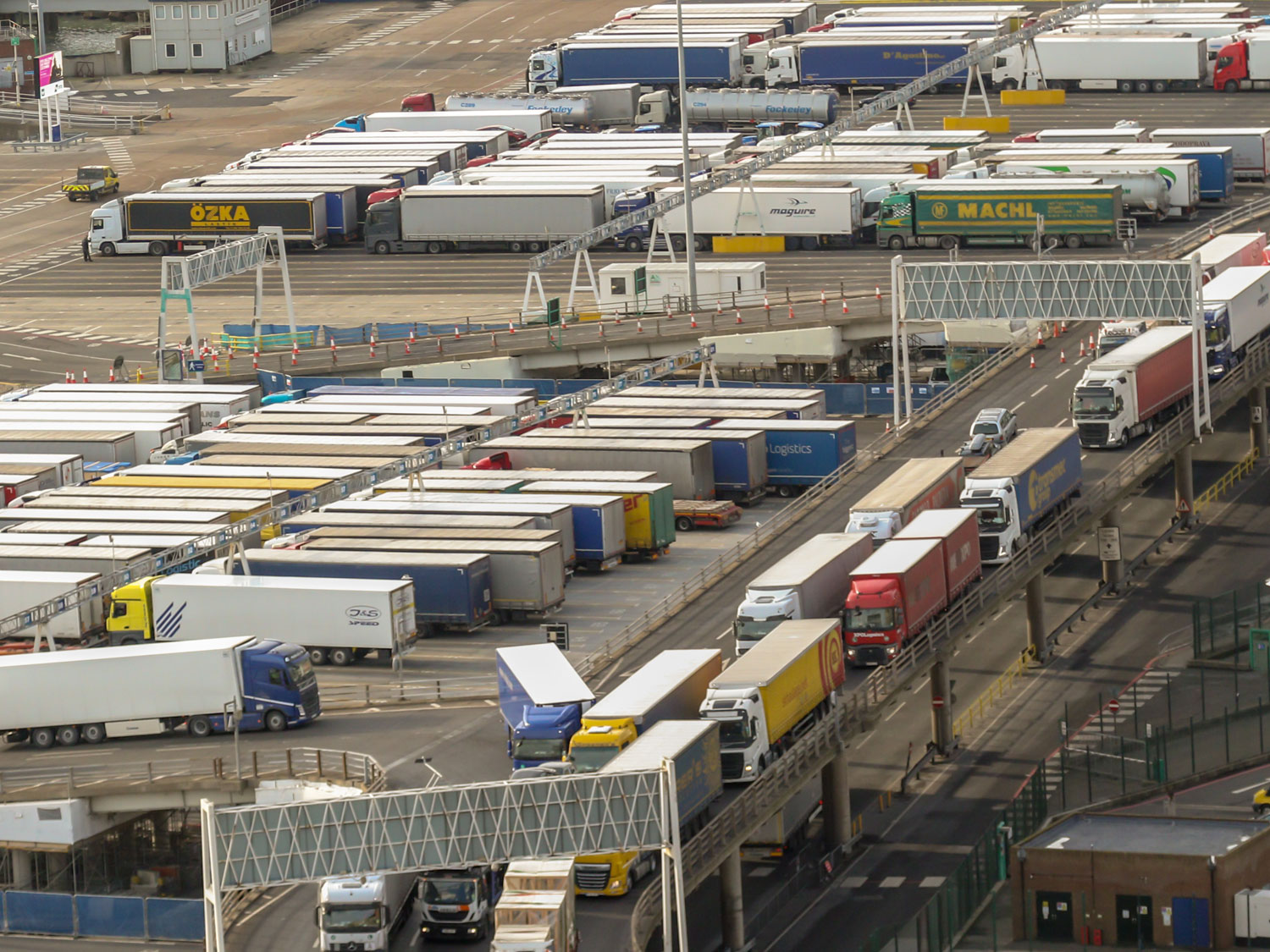
Dover queues

Final stage of EU’s Import Control System 2

On the 1st March 2024, the European Union is launching the 3rd and final part of its pre-loading and pre-arrival safety and security programme, which requires pre-advice of mandatory information and failure by shippers to comply may lead to goods being rejected by the airline, shipping line, rail operator or haulier.

The European Union (EU) implemented the European Import Control System (ICS) in the safety and security measures framework in 2011, to perform risk analysis on air, sea, rail and road freight before it enters or transits the customs territory of the EU.

In 2021, the EU began the rollout of ICS2 in 3 phases:  
15th March 2021: Mail/express shipments (pre-loading)
1st March 2023: Air cargo and Mail/express shipments (full)
1st March 2024: Maritime, Road, and Rail

Carriers submit details on cargo before it is carried into the EU, risk analysis on the data decides if shipments can proceed, or need to be presented for inspection.  

The ICS2 process:

1. Lodge the ENS declaration to customs by the economic operators 
2. Safety and security risk analysis performed by customs 
3. Arrival notification of the means of transport by the carrier or its representative 
4. Presentation to customs and examination in case of a potential risk

We have been adapting our processes and systems to meet the new EU requirements, but compliance with ICS2 changes will depend on the active participation of shippers.

Carriers will require relevant data to fulfil their responsibility for the pre-loading and pre-arrival information data set, including the journey details, which is sent to ICS2, where it is automatically reviewed for possible security threats. 

The pre-loading and pre-arrival messages are collectively referred to as the Entry Summary Declaration (ENS).

We will require the following information, so that we can ensure the pre-loading data is made available to the carrier in good time:

Shipper Name
Shipper Address
Consignee Name (including EORI number for cargo staying in Europe)
Consignee Address
Cargo Description (including 6-digit HS codes)
Total Quantity
Total Weight

When the ENS information is not provided to EU customs, shipments will be stopped and will not be processed for customs clearance, which will lead to delays and potential fines.

We are working closely with our sea, road and rail partners, test-submitting these new data sets, to ensure the smooth implementation of this new EU customs process. 

If you have any concerns or questions, regarding the ICS2 roll-out please EMAIL Andy Fitchett, Brokerage Manager.