Gulf of Oman 1440x1080 1

Gulf Tensions Redefining Asia–Europe Shipping

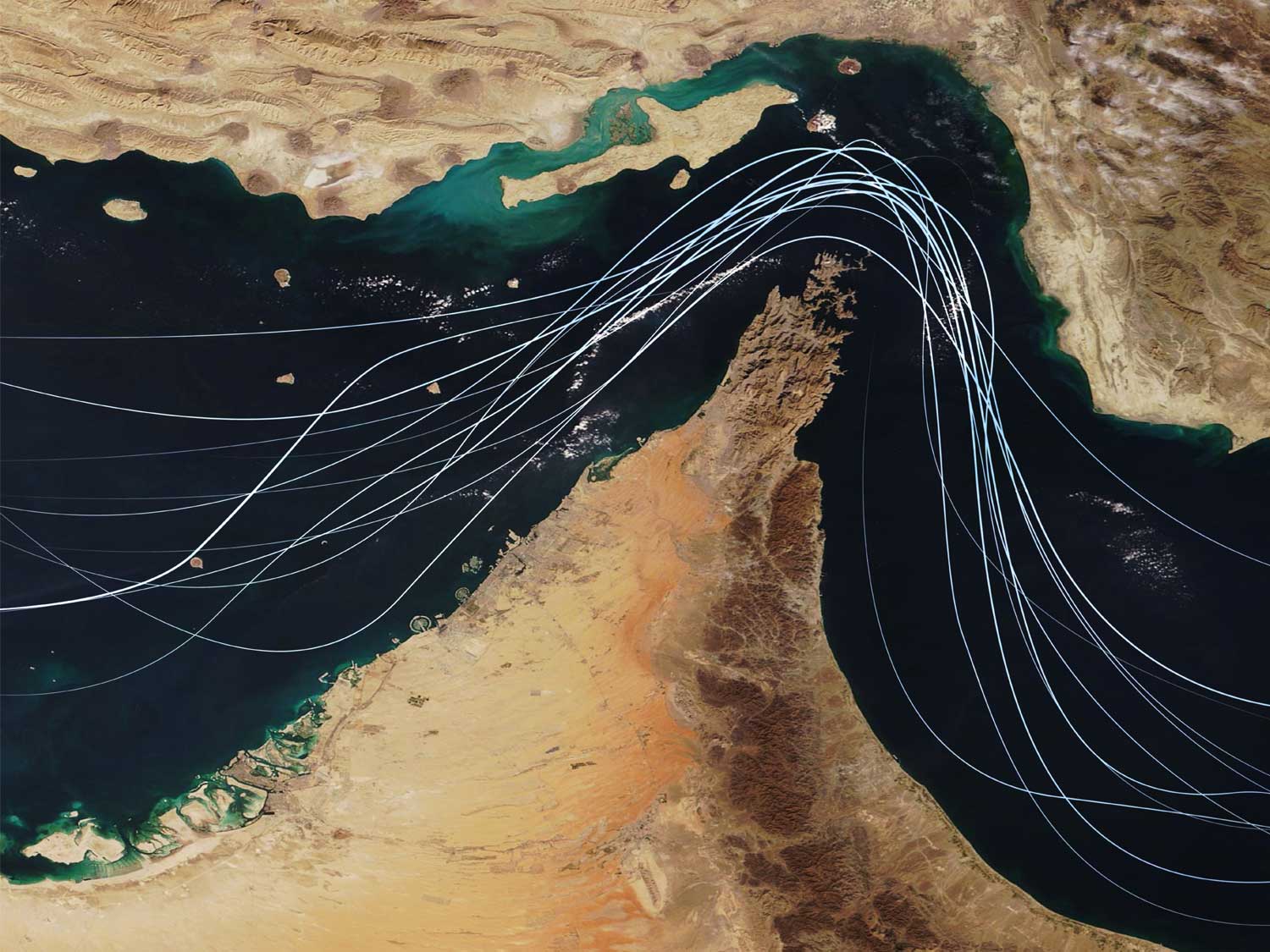
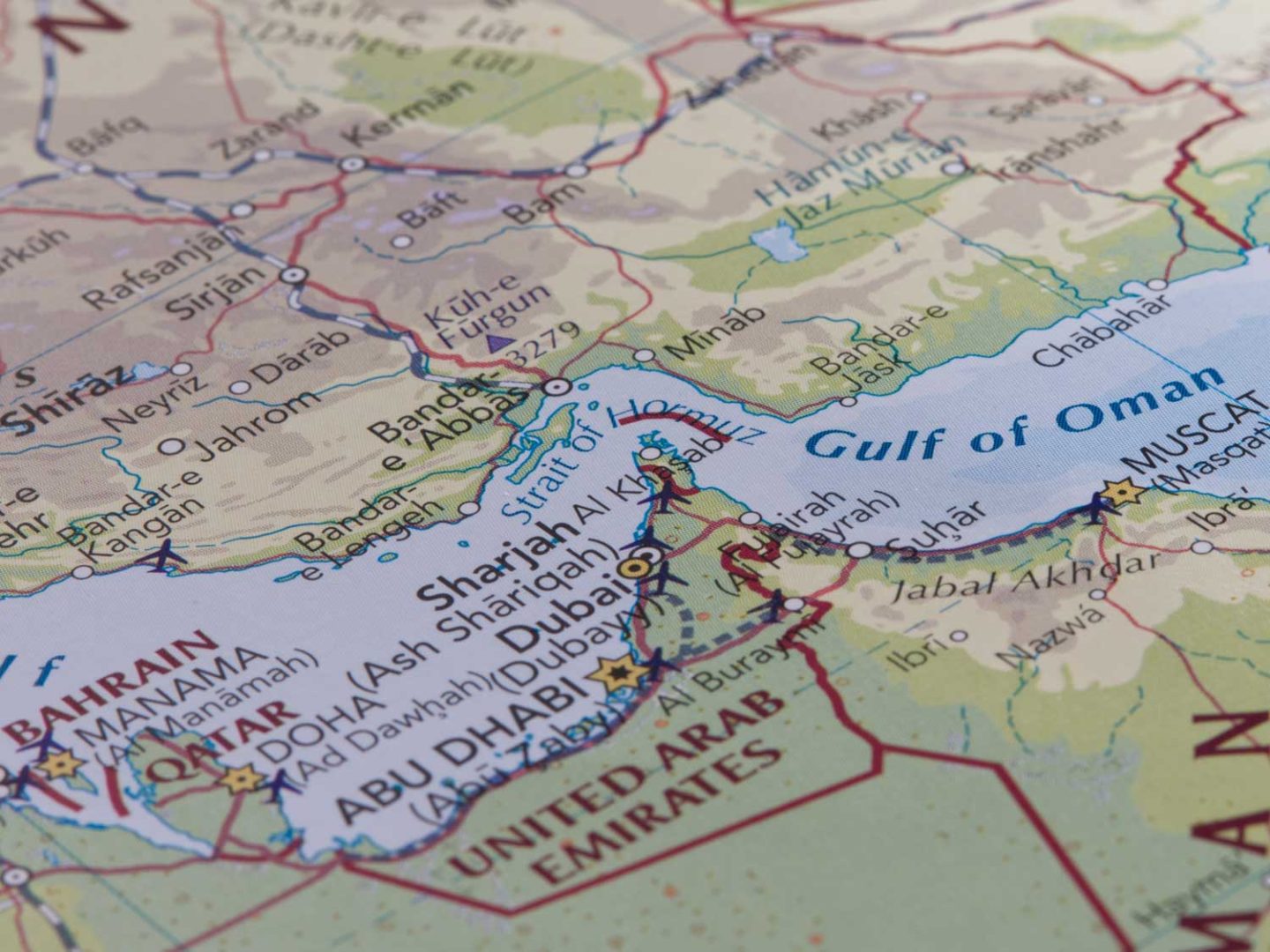
Diplomatic efforts to reopen the Strait of Hormuz remain stalled, constraining one of the world’s most important energy corridors and prolonging the biggest disruption to global oil supply in decades. 

Public statements from Tehran suggest Hormuz will only fully reopen once the conflict with the US and Israel is resolved, and even then Iran intends to retain a significant degree of control over traffic through the waterway.

Washington, for its part, is using an oil‑export blockade and secondary sanctions to squeeze Iran’s revenues and push it towards a ceasefire and broader deal. That has created a stand‑off, with Iran using threats to shipping and de facto control of Hormuz as leverage, while the US is using control of Iran’s oil exports and financial channels as its own bargaining chip. 

Pakistan has tried to mediate between Washington and Tehran, hosting talks and shuttling ideas between the two sides, but recent rounds have produced little progress. Iran wants an end to the blockade and a clear framework for Hormuz governance before tackling nuclear issues, while the US wants concrete nuclear concessions up front, with maritime and sanctions relief later. That gap, combined with sporadic flare‑ups around the Gulf, is why many analysts now see a prolonged stand‑off or even a return to open conflict as real possibilities.

Oil and fuel markets stay tight

This deadlock is feeding directly into energy markets. Roughly a fifth to a quarter of global seaborne oil normally move through Hormuz, so any sustained disruption has an outsized effect on supply and sentiment. Since the start of the war, benchmark crude prices have jumped by around 50%.

Even partial diversions and intermittent tanker flows are enough to keep physical crude markets tight and refinery margins elevated. Refineries in Europe, the US and West Africa have shifted more output into aviation and marine fuels, but feedstock uncertainty and higher risk premiums are feeding through into bunker and jet prices. For carriers, that means bunker adjustment factors, emergency fuel surcharges and war‑risk charges are now key drivers of end‑user freight rates across ocean and air.

How this feeds into peak season

Higher oil and fuel prices ripple into every mode, and the timing of bunker adjustments now interacts directly with the traditional peak‑season calendar.

Historically, Asia–Europe peak season demand has built from late June through to China’s Golden Week in early October. In the last two years, that pattern was already starting earlier as shippers brought orders forward to deal with Red Sea diversions and longer voyage times. In 2024, Asia–Europe rates began climbing in early May and peaked by mid‑July; in 2025 the climb started in early June, again topping out around mid‑July.

This year, Hormuz‑linked fuel volatility adds another layer. Bunker costs spiked after the latest escalation at the end of February, prompting emergency surcharges on spot cargo and triggering higher quarterly bunker adjustment factors for contracts from 1 July. Many large shippers are now accelerating Asia–Europe shipments through May and June to move as much volume as possible before that quarterly BAF reset takes effect.

The result is a front‑loaded peak, with exceptionally strong demand in late May and June, driven by restocking needs and attempts to get ahead of fuel‑linked rate hikes. That demand sits on top of the disruption “premium” already visible in spot rates on key east–west trades, where prices are running several hundred dollars per 40ft above where seasonal patterns would normally put them.

For UK shippers, the geopolitical headlines around Hormuz translate into three practical realities:

  • Fuel remains a structural driver of freight costs. Even if crude prices ease from day‑to‑day, bunker and jet markets are likely to stay tight and volatile as long as Hormuz is contested.
  • Timing matters more than usual. Quarterly bunker adjustment dates and carriers’ general rate increase cycles are now key milestones; moving cargo just before a BAF reset can materially change landed cost.
  • Peak season is starting earlier and lasting longer. Instead of a neat late‑Q3 surge, shippers face a longer high‑risk period running from late spring into the autumn, with rate spikes tied as much to fuel and conflict as to consumer demand.

Against that backdrop, we recommend that shippers should plan around higher and more volatile transport costs, rather than hoping for a quick return to pre‑crisis norms. Building in more lead time, watching bunker‑linked surcharges closely, and spreading volume across services and carriers can all help reduce the risk of being caught out by the next twist in Hormuz diplomacy.

EMAIL Managing Director, Andrew Smith, today to secure capacity, protect transit times and keep your supply chain moving in a rapidly changing environment.
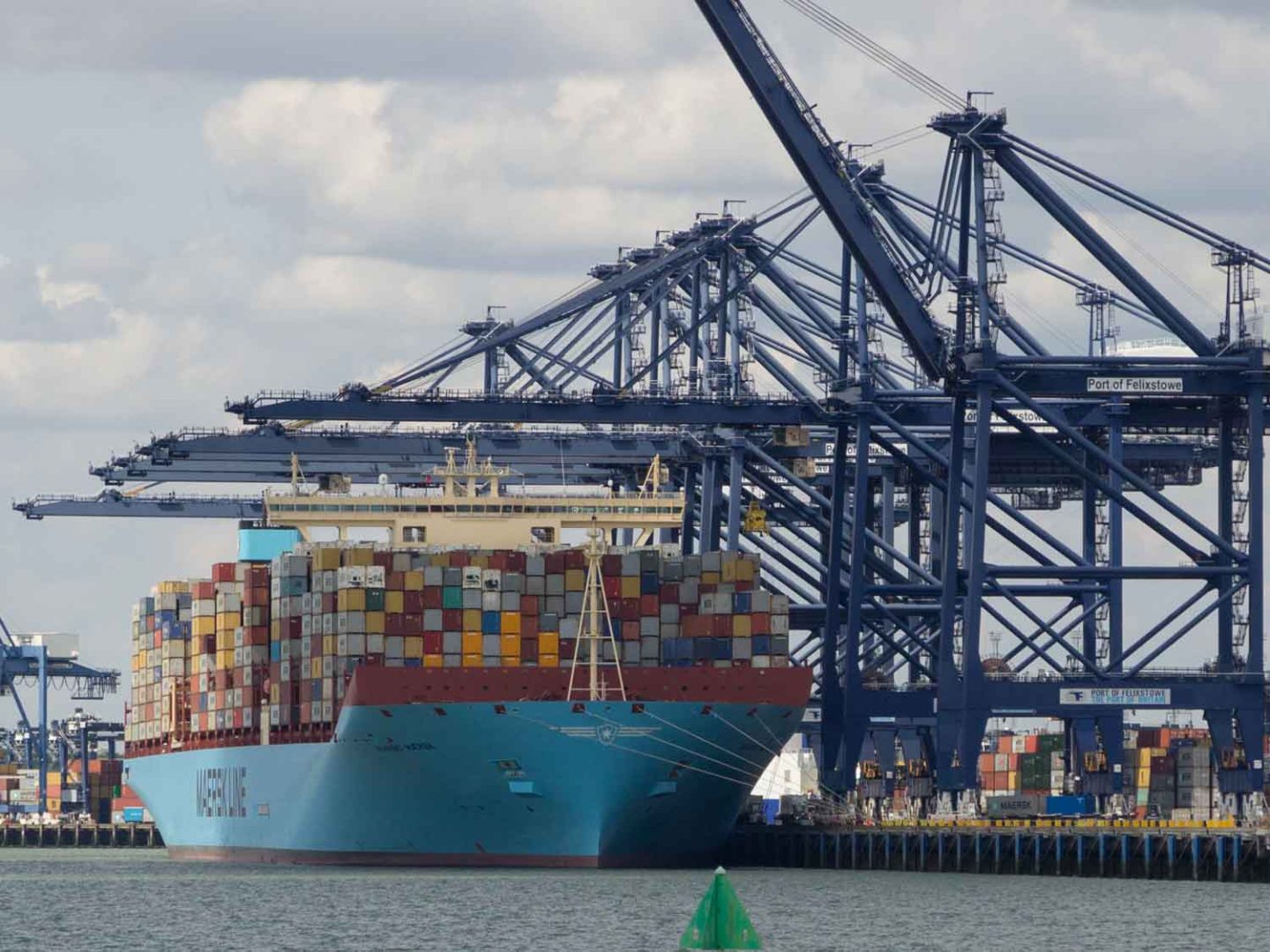

Maersk at FXT 1440x1080 1

Hormuz Is Pulling the Ocean Peak Forward

Container shipping normally follows a traditional demand curve, with rates climbing into Chinese New Year, softening through spring, and then building towards a Q3 peak. But not this year.

The crisis around the Strait of Hormuz is introducing an extra layer of cost and volatility, which means that instead of a gentle spring lull, the market is moving into peak‑like conditions earlier, and from a higher baseline.

Analysis of more than a decade of data shows how sharply 2026 has diverged from normal patterns on key trade lanes.

Shanghai–Los Angeles rates typically peak three weeks before Chinese New Year as shippers rush orders out, then fall into a sustained post‑holiday slump. This year, the usual pre‑CNY dip was deeper than normal and was followed by an unusually sharp post‑holiday drop. Instead of then drifting sideways, spot rates turned and climbed steeply, with east and west coast transpacific spot rates well above where they would usually sit at this point in the cycle.

On Asia–North Europe, the deviation from normal seasonality emerged slightly earlier, with a two‑week offset, and post‑CNY declines less severe than on the transpacific. The premium over “normal” seasonal levels initially surged, then faded, only to re‑emerge as rates climbed again and remain elevated. The Mediterranean trade has swung even more sharply, with early premiums peaking, dropping back to zero and then returning close to the highest levels.

Analysts are cautious about attributing every dollar of these increases to Hormuz, acknowledging that localised supply‑and‑demand factors also play a role. But the break from normal seasonality coincides closely with the crisis, and there is now a clear correlation between Gulf risk and an extra layer of cost in spot pricing.

Early peak, fuel pressure and front‑loading

Since carriers began diverting away from the Red Sea, importers have tended to order earlier to make sure boxes arrive before China’s Golden Week at the start of October. With longer transit times, containers loaded after mid‑October may not reach destination in time for the main holiday season, so some of the traditional late‑Q3 peak has already been brought forward into late Q2 and early Q3 in recent years.

In 2024, Asia–Europe rates started climbing in early May and peaked by mid‑July. In 2025, after seeing that the previous year’s May start was probably earlier than necessary, prices picked up in early June and again peaked in mid‑July. This year, some carriers are already reporting an uptick in demand on Asia–North Europe and Asia–Med, with daily prices already reacting to mid‑May general rate increase attempts and further rate hikes announced for June.

On top of that, bunker costs jumped after the latest Middle East escalation at the end of February. Emergency fuel surcharges quickly appeared on spot shipments, but contract cargo is tied to quarterly bunker adjustment factors. That has created a powerful timing incentive, with exceptionally strong shipper demand through late May and into June from larger cargo owners looking to move as much as possible before 1 July, when the next quarterly BAF reset will automatically push up contract freight rates.

Capacity constraints and blankings

Higher oil prices and longer routes via the Cape or alternative legs around the region have increased bunker and operating costs and tied up a large slice of global container capacity in longer voyage cycles.

At the same time, the supply side is tight. Few new ships are being delivered directly into the main Asia–Europe and transpacific loops in the near term, keeping the market “short of ships” and charter rates firm. Alliance partners are also using blanked sailings more actively. Instead of restricting blankings to Chinese New Year and Golden Week, carriers are using blankings as a flexible tool to match capacity to demand and support higher rate levels.

New alliance structures and more tactical service adjustments allow carriers to shift capacity more quickly between trades. For shippers, that can translate into sudden changes in available space and short‑notice rate moves, even outside the traditional peak window.

What this means for the 2026 ocean peak

Taken together, these factors are pulling peak‑season conditions forward and widening the window of risk:

  • Rates on key east–west trades are already running several hundred dollars per 40ft above where they would normally be for this stage in the year, even before the usual late‑Q3 build‑up.
  • Bookings and volumes on Asia–Europe trades are strengthening earlier, as shippers bring orders forward to secure space, get ahead of bunker‑linked increases on 1 July and hedge against further Gulf‑related shocks.
  • With limited new capacity entering the market, more dynamic blanking strategies and ongoing uncertainty around Hormuz and the wider Middle East, the system has less slack to absorb sudden volume surges later in the year.

For UK importers, the practical message is that the “traditional” Q3 ocean peak is being replaced by a longer, more uncertain high‑risk period, starting in late spring and running through to the autumn. 

Some of the early‑season rate increases may not fully stick, but geopolitical risk and fuel cost pressure are now baked into the market rather than being a passing anomaly. 

Through proactive capacity planning and contingency-focused supply chain support, Metro helps customers respond effectively to disruption, changing demand patterns and peak season uncertainty. EMAIL Managing Director, Andrew Smith, to learn more.

NYC 1440x1080 1

U.S. Supply Chains Grapple Cost Pressures and Uncertainty

Heading into the second half of 2026 shippers face, a politically charged USMCA review, an early tightening on the trans‑Pacific, and war‑driven fuel costs pushing up inland transport prices across North America. 

Together, they are rewriting the assumptions many companies use for peak‑season planning, pricing and inland network design.

USMCA stability at stake for North American production

The United States–Mexico–Canada Agreement (USMCA) reaches its first scheduled “joint review” on 1 July 2026, six years after it took effect. The three governments must decide whether to confirm the deal through 2042, seek adjustments, or signal opposition that could trigger renegotiation and, in the worst case, open the door to an eventual sunset in 2036 if no resolution is found.

Manufacturing across North America, and especially in the automotive sector, has a lot riding on the outcome. Automotive trade accounts for roughly 20–25% of total USMCA trade flows, making it the single largest sectorial user of the agreement. Since 2020, higher regional content requirements and labour‑value rules have already reshaped sourcing patterns for OEMs and tier suppliers, driving more production and component sourcing into Mexico, the U.S. and Canada.

Industry groups on all sides of the border are pushing for a stable, growth‑oriented review that preserves tariff‑free access and gives long‑term visibility to investors. At the same time, policymakers are signalling that the review will not be a formality. Areas likely to come under scrutiny include automotive rules of origin and tracing, enforcement of labour and environmental commitments, energy and state‑owned enterprise disputes, digital trade and data rules, and the role of Chinese investment and components in North American supply chains.

For U.S. manufacturers and importers, this means the next 12–18 months are a critical window to:

  • Verify that products truly qualify under current USMCA rules and identify any borderline cases.
  • Model how tighter regional content or new tracing requirements could change compliance status and cost.
  • Stress‑test footprint and sourcing decisions, particularly where there is high China content flowing via Mexico or Canada into the U.S.

Trans‑Pacific signs of an early peak

Eastbound trans‑Pacific trades are already showing signs of an early peak‑season, with container spot rates from Asia to the U.S. west and east coasts climbing sharply on the back of May general rate increases, as carriers tighten capacity and push through surcharges.

Recent data shows:

  • Spot rates from major South China ports to the U.S. west coast rising almost 100% on levels from only weeks earlier.
  • Asia–U.S. east coast spot rates climbing by 50–60% over a similar period, with some indices even higher.
  • Carriers rolling out peak season surcharges and emergency fuel surcharges ahead of the usual schedule, with higher amounts signalled for late June and 1 July.

Several dynamics are driving this early tightening:

  • Importers are front‑loading orders to get ahead of further cost increases later in the year, including potential tariff changes and bunker‑linked adjustments.
  • Vessel diversions around southern Africa to avoid Red Sea and Gulf of Aden risks, coupled with congestion at some Asian load ports, are absorbing capacity and disrupting schedules.
  • Capacity additions have lagged demand on key lanes, and carriers are using blank sailings and service adjustments to keep utilisation high.

We expect some rate relief later in the summer if additional capacity returns and front‑loaded volumes drop off, but the near‑term picture is one of elevated spot rates and tight space as peak‑season volumes converge with constrained supply.

Trucking and inland costs rise on fuel‑driven inflation

War‑driven fuel prices are pushing trucking and intermodal costs sharply higher, even before demand has fully recovered.

Since the escalation of conflict involving Iran, U.S. retail diesel prices have moved from just under USD 4 per gallon to around USD 5.60 per gallon on average, with some regions significantly higher. This jump has fed directly into trucking Producer Price Index (PPI) measures:

  • Truckload and LTL PPIs have risen markedly in recent months, reversing a multi‑year period of freight deflation;
  • Spot truckload rates on long‑haul lanes have climbed to their highest levels since 2022, with average per‑mile prices up more than 25% year‑on‑year in some benchmarks;
  • Higher fuel and capacity discipline are also starting to pull contract rates up, with increases spreading from truckload into LTL and intermodal.

It is worth noting that these increases are being driven largely by supply‑side constraints, reduced capacity, higher fuel costs and more disciplined carrier pricing, rather than by booming freight demand. For shippers, that means transport inflation can persist even if volumes remain only modestly above 2025 levels.

Metro’s CEO Grant Liddell and Managing Director Andrew Smith will be visiting U.S. offices and customers next week, to review operations and discuss these challenges on the ground, to help shape next‑step plans.

If you’d like to sense‑check your outlook for the second half of 2026 – from USMCA exposure and sourcing footprints to peak‑season capacity and inland cost pressures you can EMAIL Andrew directly or connect with the Metro Global USA team.

China flag and ship

China’s New 2026 Supply Chain Laws: What You Need to Know

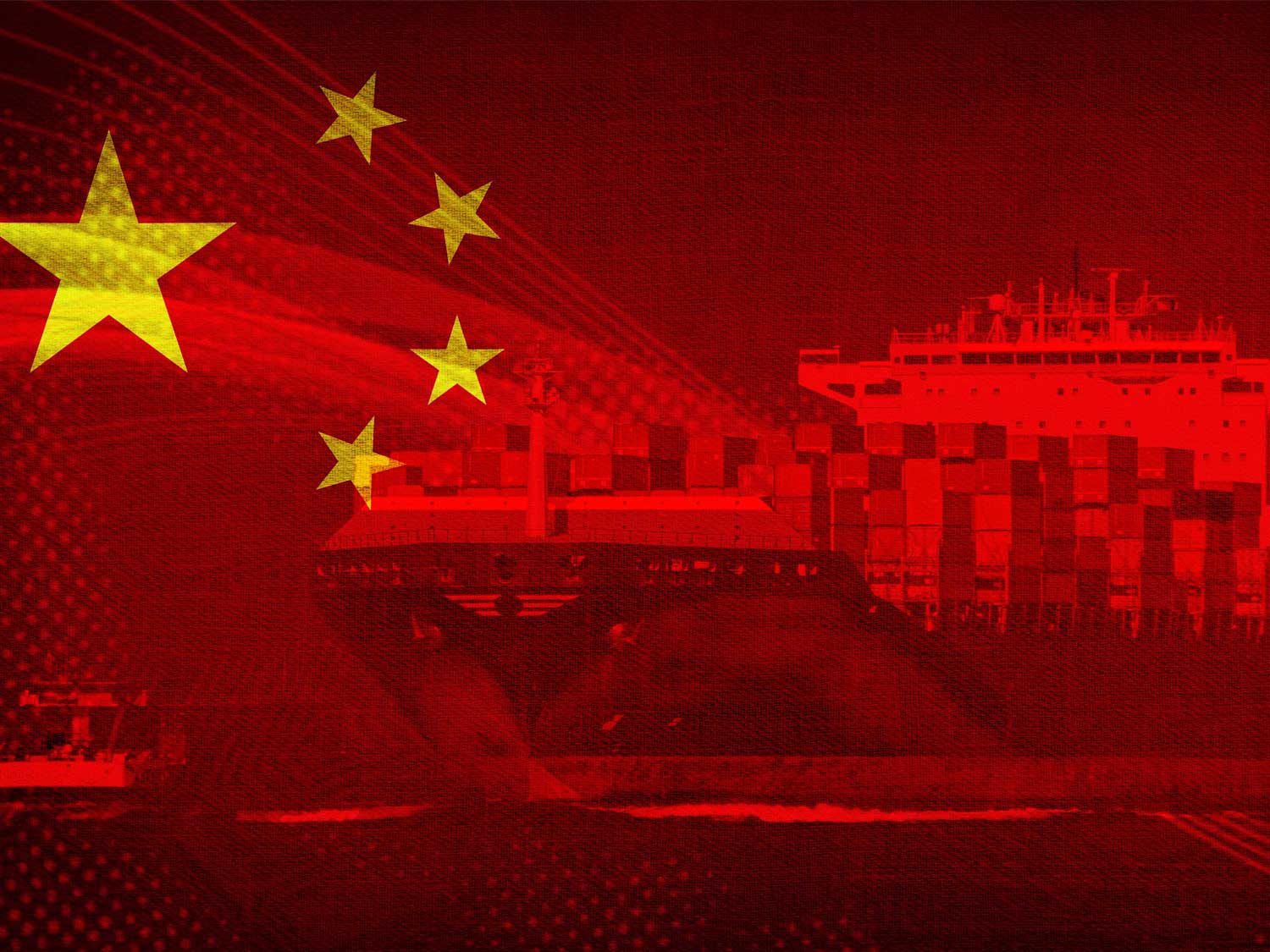
China is rewiring the legal framework around its ports and supply chains and that matters for every UK shipper moving goods to, from or via China. 

Two new sets of rules in 2026 change who controls disputes, how far you can probe your supply chain, and how China may respond to Western sanctions and due‑diligence demands.

Below we set out what’s changing and what Metro’s customers should be thinking about.

New maritime law puts China’s courts in the driving seat

From 1 May 2026, China’s revised Maritime Code gives Chinese law a much stronger role in contracts of carriage linked to Chinese ports. Where the port of loading or discharge is in China, Chinese courts can apply Chapter IV of the Code to carriage contracts even if the bill of lading or sea freight agreement points to English law.

Law firm HFW has called this a “substantive change”, noting that “chapter four of the Chinese Maritime Code will apply to a contract of carriage regardless of whether or not another law has been incorporated or chosen by the parties”. In effect, if governing‑law and jurisdiction clauses are unclear, Chinese courts now have more room to assert jurisdiction over disputes involving cargo moving through their ports.

Trading agreements often choose English law and London arbitration, while the carrier’s bill of lading may point a different way. The question is whether, in a dispute, a Chinese court will treat the bill of lading as the main contract and apply Chinese law, despite what the trade agreement says.

Some industry experts see this as part of a broader strategic move, to encourage a switch from FOB to CIF terms so that Chinese exporters control freight, insurance and crucially litigation on home turf.

However, any FOB to CIF shift is commercial, not legal, and Incoterms are an international standard which means that FOB remains fully available for China–UK trade, where the buyer wants to control the main–carriage contract and freight costs.

So, China’s legal changes don’t cancel FOB, and UK buyers can still insist on FOB terms and book their own freight, provided the contracts and practical behaviour match that intention.

Supply chain security rules: due diligence under pressure

Alongside the maritime reforms, China has introduced its first comprehensive Regulations on Industrial and Supply Chain Security, effective 31 March 2026. These rules treat supply chains as part of national security rather than a purely commercial matter, bringing them under the oversight of economic, security and cyber authorities.

The most sensitive provision for Western companies is Article 13, which restricts “information gathering activities” related to industrial and supply chains where these are found to breach Chinese law. The language is broad and undefined, creating uncertainty about whether standard due‑diligence activities, which can include supplier questionnaires, ESG audits, human‑rights assessments or on‑site inspections, could fall within the scope.

This sits uneasily alongside emerging Western rules such as the EU Corporate Sustainability Due Diligence Directive and US forced‑labour legislation, which expect companies to map supply chains and scrutinise suppliers in detail. Legal commentators warn that “the new law creates a direct and unresolved conflict between Chinese law and Western due diligence obligations”, with companies potentially facing legal risk in China for work they are required to do under EU or US law.

The regulations also give authorities wide powers to respond to perceived threats to supply‑chain stability. Investigations can target foreign organisations and individuals where there is a “risk or threat” of harm, not just proven damage, and can lead to restrictions on trade, investment and cooperation in China, along with travel or work limits for individuals.

Counter‑measures against foreign sanctions

A companion set of rules – the Regulations on Countering Foreign Improper/Unjustifiable Extraterritorial Jurisdiction, in force from early April – strengthens China’s ability to push back against foreign sanctions, export controls and data‑disclosure demands applied extraterritorially.

These sit alongside the Anti‑Foreign Sanctions Law, blocking rules and the “unreliable entities” regime, creating what one firm describes as an “integrated counter‑sanctions system”. Authorities can investigate and penalise organisations and individuals who implement or even “promote” foreign measures seen as discriminatory towards China, with tools ranging from import and export restrictions to asset seizures and visa bans.

This framework has emerged against a backdrop of heightened geopolitical tension, including Western tariffs and probes into China’s exports, secondary‑sanctions risks around Iran and disputes over strategic assets like the Panama Canal.

What shippers should do

None of this means that trading with China will suddenly stop or that every UK shipper is about to be investigated. But the risk environment has clearly changed, and it is worth taking some practical steps:

  • Check bills of lading, trade agreements and framework contracts to see where Chinese ports are involved, what law and jurisdiction are specified.
    Strengthen English‑law and arbitration provisions and clarify that higher‑tier agreements take precedence.
  • Talk to your insurers about how the revised Maritime Code might affect liability, claims handling and cover for China‑linked moves.
    Consider obtaining Chinese‑law input on key routes or contracts where your exposure is greatest.
  • Map which parts of your ESG and human‑rights due diligence involve Chinese suppliers or sites.
  • For higher‑risk work, such as auditing sensitive regions or investigations linked to sanctions, seek specialist advice on how to stay compliant with both Western obligations and Chinese restrictions.
  • Be mindful of public statements about “decoupling from China” or “boycotting” particular regions. These may be read as aligning with foreign measures and may increase regulatory attention in China.
  • Align messaging between compliance, procurement and communications so that necessary changes to your supply chain are framed around resilience, quality and legal compliance, not politics.

For Metro’s customers, the key takeaway is that China is now using law as an active tool of supply‑chain strategy. Understanding how these new rules work, and adjusting contracts, due‑diligence programmes and communication strategies accordingly, will help keep goods moving while managing a more complex risk landscape.

If you have questions or concerns about any of the developments outlined here EMAIL our Managing Director, Andrew Smith.