Typhoon HKG 1440x1080 1

Climate is becoming one of the biggest supply chain risks

For years, weather disruption was largely viewed as an operational inconvenience. A storm might delay a vessel, flooding could close a road for a day or two, or high winds might temporarily suspend port operations. That is no longer the case.

Across the world's major trade routes, climate-related disruption is becoming more frequent, affecting more regions at the same time and lasting significantly longer. Drought, heatwaves, wildfires and tropical storms are now influencing shipping capacity, inland transport, manufacturing and inventory planning simultaneously.

Recent events across Europe, Asia and the Americas demonstrate that weather is no longer simply an environmental issue. It’s becoming a fundamental supply chain risk that needs to be anticipated and planned for. 

Panama Canal faces renewed pressure

One of the clearest examples is the Panama Canal, where falling water levels in Gatun Lake have prompted the Panama Canal Authority to progressively reduce maximum vessel draft during the summer as it conserves freshwater ahead of an anticipated Super El Niño. While current restrictions remain less severe than those experienced during the 2023 drought, they are already increasing costs for shippers. 

Several major ocean carriers have introduced Panama Canal surcharges ranging from $100 to $320 per TEU on Asia-US East Coast and Gulf Coast services, reflecting the reduced cargo each vessel can carry under tighter draft restrictions. Although the canal continues to operate normally, any future reduction in daily transit slots would have a much greater impact on schedule reliability than the current draft limits alone. 

Europe's rivers are feeling the strain

The effects of prolonged hot, dry weather are also being felt across Europe's inland transport network.

Water levels on the Rhine have fallen to critically low levels, severely restricting barge operations between Rotterdam, Antwerp and inland Germany. Operators have been introducing low-water surcharges for several weeks, while some services have become commercially or operationally unviable. 

Efforts to transfer freight onto rail have proved equally challenging, with alternative corridors already operating close to capacity because of ongoing infrastructure works.

For manufacturers relying on Europe's inland waterways, disruption is no longer confined to river transport, it increasingly affects rail capacity, road availability and overall distribution costs.

Wildfires are disrupting European road freight

Across southern Europe, another climate-related challenge is emerging, as large wildfires in France and Spain disrupt some of Europe's busiest freight corridors through road closures, diversions, reduced visibility and extreme temperatures. Longer journey times are increasing fuel consumption, delaying deliveries and placing additional pressure on temperature-controlled supply chains. 

The impact extends well beyond the affected regions. France remains the principal land bridge between the UK and the Iberian Peninsula, and with around 75% of UK trade with continental Europe transported by road, closures and diversions across France can have far-reaching consequences for supply chains across Europe.

For businesses importing fresh produce or operating just-in-time supply chains, even relatively localised events can have continent-wide consequences.

Typhoon season continues to test Asian supply chains

Meanwhile, North Asia is experiencing another challenging tropical storm season.

Following the disruption caused by Typhoon Bavi, Typhoon Dolphin is threatening further delays across one of the world's busiest manufacturing and shipping regions. Major ports including Shanghai, Ningbo and Qingdao are already managing congestion, with delays of up to 8 days and while the typhoon is being downgraded, another severe weather event risks extending vessel queues and delaying cargo movements before previous backlogs have fully cleared. 

The timing is particularly significant as peak season demand continues, increasing pressure on both container shipping and bulk commodity movements throughout the region.

Weather disruption is becoming interconnected

Individually, each of these events presents a local operational challenge, but together, they highlight a much broader trend.

Lower water levels restrict major waterways. Heat and drought increase wildfire risk. Tropical storms disrupt manufacturing and port operations. Each event creates knock-on effects that spread rapidly through global supply chains, affecting transport capacity, transit times and logistics costs far beyond the immediate area.

With forecasters warning that a strengthening Super El Niño could increase the frequency and severity of weather extremes over the coming months, businesses should expect climate-related disruption to remain a significant operational risk. 

Building resilience into the supply chain

Extreme weather can no longer be treated as an occasional disruption that businesses simply react to.

Organisations that build resilience into their supply chains, through flexible transport options, contingency planning, alternative routings and greater supply chain visibility, will be far better placed to manage future disruption than those relying on historical weather patterns.

As climate events become more frequent and interconnected, resilience is becoming every bit as important as cost and transit time.

Whether you're moving freight through Europe, North America or Asia, Metro can deliver visibility throughout your supply chain and help you prepare for disruption before it happens. From alternative routings and multimodal solutions to warehousing, customs and contingency planning, we'll help build a more resilient supply chain that keeps your cargo moving when conditions change.

EMAIL Managing Director, Andrew Smith to start a conversation. 
Hormuz satellite

Middle East conflict is reshaping global shipping once again

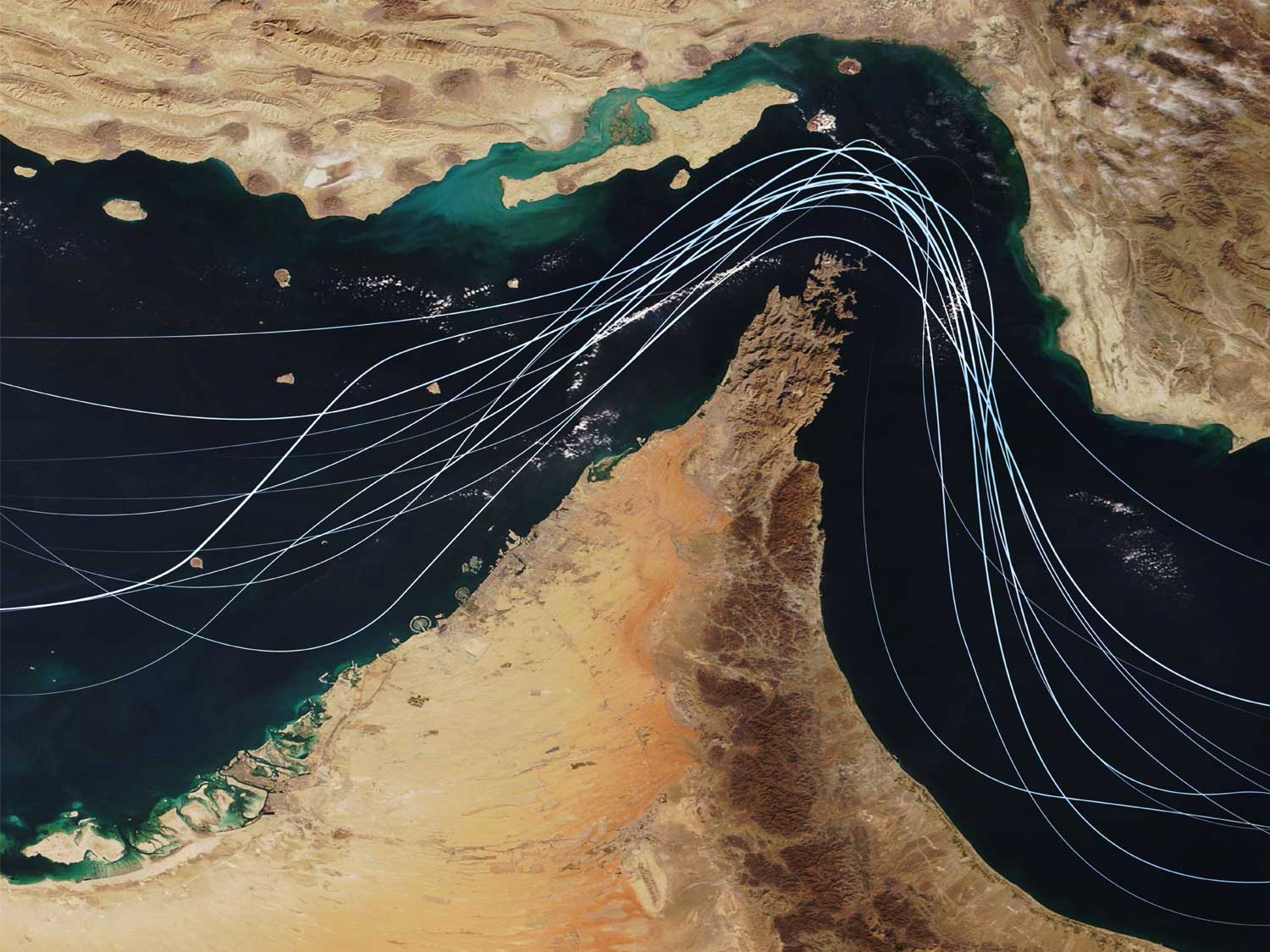
Commercial shipping in the Strait of Hormuz and Red Sea is facing renewed disruption with 14 Iranian attacks on vessels since June 25th, the breakdown of the US-Iran ceasefire and a Houthi threat to target Saudi-linked shipping in the Bab al-Mandab.

The tanker Kavomaleas, initially reported on fire in the Strait of Hormuz, has since been confirmed as the target of an attack on Monday. Its crew abandoned the vessel, which remained adrift and on fire. UK Maritime Trade Operations also reported that another tanker in the Strait’s southern transit corridor had been attacked and set alight, with its crew also abandoning ship.

These incidents have further weakened confidence in the safety of the Strait, which has historically carried around one fifth of the world’s crude oil and liquefied natural gas.

Traffic has fallen sharply during the latest period of escalation, with only six vessels crossing the Strait in a day, the lowest level in five weeks, while hundreds remained at anchor outside the waterway.

For shippers, the concern extends well beyond regional security. Rising fuel costs, higher insurance premiums, longer voyage times and reduced network capacity all have the potential to increase transport costs and reduce schedule reliability across global supply chains.

Hormuz remains the world's most important energy chokepoint

The attacks on Kavomaleas and a second tanker follows earlier incidents in July involving three vessels, including a Qatari-flagged LNG carrier.

Iran subsequently accused vessels of transiting without its permission, using its interpretation of the MoU agreement to assert control over passage through the Strait.

While the United States insists the waterway remains open to commercial traffic and has deployed a naval blockade, Iran's Islamic Revolutionary Guard Corps (IRGC) threat to execute attacks on unauthorised vessels cannot be ignored.

The impact extends far beyond the Gulf itself. Because such a significant proportion of the world's crude oil and LNG exports move through Hormuz, even relatively limited disruption can trigger sharp movements in energy markets as traders price in the risk of prolonged restrictions.

Brent crude briefly climbed above US$90 per barrel following the latest escalation, increasing expectations of higher bunker costs and transport surcharges across both ocean and air freight markets.

Red Sea uncertainty threatens container shipping

While Hormuz is primarily an energy concern, the Red Sea remains critical to global container shipping.

Recent threats to Saudi-linked shipping in the Bab al-Mandab Strait have renewed concerns that carriers may once again reduce Red Sea transits or suspend recently restored Suez services.

Maersk recently returned its Gemini AE15 service to the Suez route and planned to add Jeddah from August. Its MECL service also calls at the port.

CMA CGM operates several Asia-Europe services through Suez. Recent schedules show some Jeddah calls omitted on the MEX and BEX2 services, although not all calls have been removed.

Should security risks increase again, those services could once more be rerouted around southern Africa.

Such diversions add thousands of nautical miles to Asia-Europe voyages, increasing fuel consumption, extending transit times and reducing the effective capacity of the global container fleet. Even though no vessels are removed from service, longer round voyages mean fewer sailings can be completed each year, tightening capacity and placing upward pressure on freight rates.

Marine insurance remains available for vessels transiting the Gulf, but at substantially higher prices.

War risk hull premiums reportedly stood at a fraction of 1% of insured vessel value before the crisis began in February. They have since risen to between 3% and 10%.

For a tanker valued at US$100 million, this could increase the premium for a single transit from around US$250,000 to as much as US$10 million.

The Lloyd’s Market Association has stated that the decline in traffic is not primarily the result of insurance being unavailable. It said owners are choosing not to transit because of safety concerns.

These costs ultimately feed through to supply chains via emergency surcharges, bunker adjustment factors and higher freight rates.

Although neither the Strait of Hormuz nor the Red Sea is theoretically closed, commercial conditions remain highly fluid.

Container carriers continue to review sailing schedules, tanker operators are assessing voyage risks on a daily basis and insurance markets remain volatile. Further attacks or additional security measures could quickly alter routing decisions across both regions.

Visibility turns uncertainty into control

Geopolitical events cannot be prevented, but their impact can be managed with real-time visibility and timely data.

Metro combines global freight expertise with advanced digital visibility through our MVT platform, providing customers with real-time shipment tracking down to SKU level across all transport modes. Metro helps businesses identify disruption early, make informed decisions and keep products flowing through increasingly complex global supply chains.

To learn how Metro can strengthen the resilience and visibility of your international supply chain, EMAIL Managing Director Andrew Smith today.

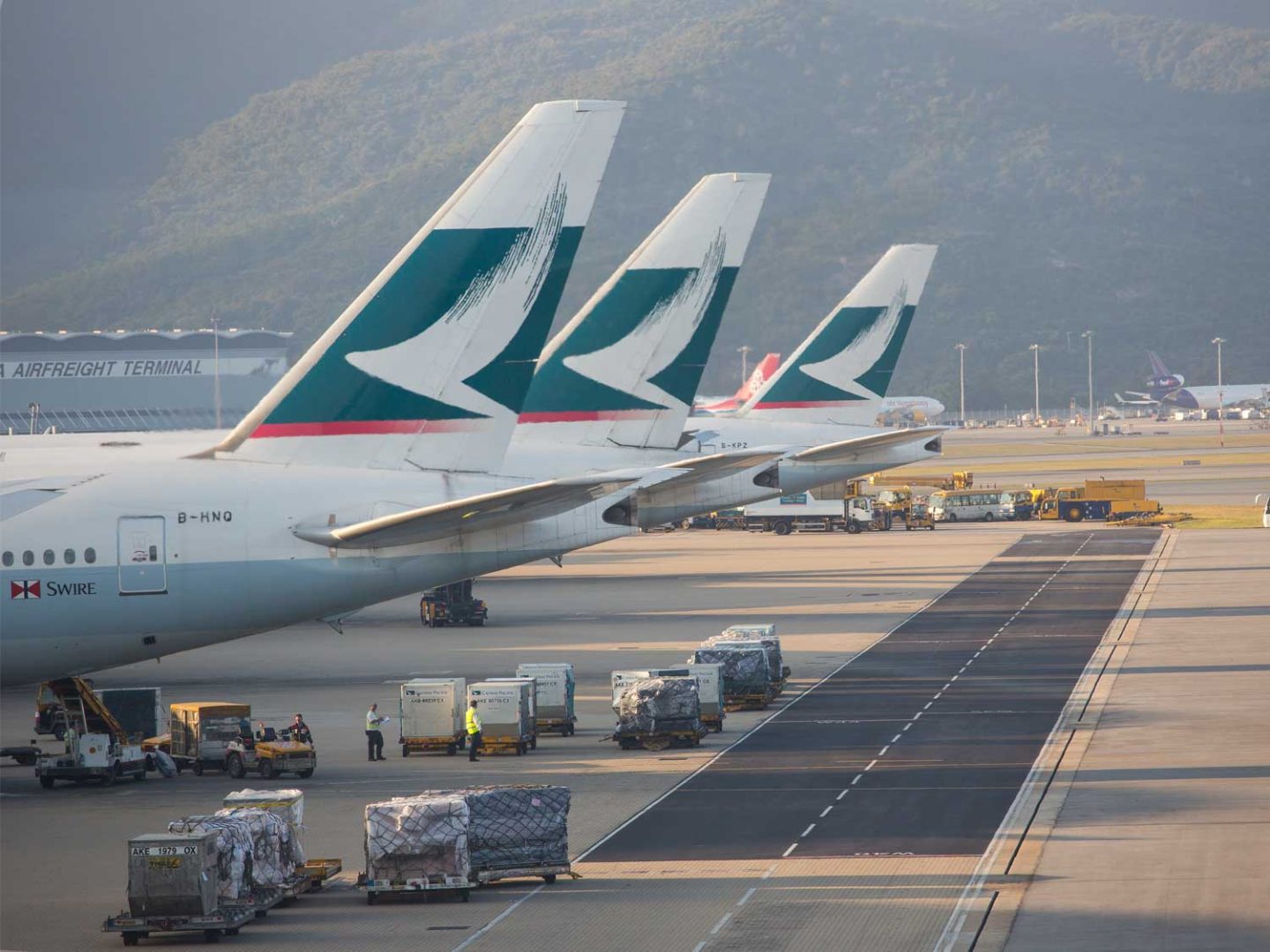
Typhoon HKG 1440x1080 1

Typhoon Bavi exposes fragility in global supply chains

Typhoon Bavi, an exceptionally powerful and large tropical cyclone that tore through the Western Pacific last week may have passed, but its impact on global supply chains will linger for at least another week. 

After forcing the temporary closure of several of China's most important container gateways, the storm has left shipping lines, ports and shippers facing weeks of disruption as vessel schedules recover and freight networks work through mounting backlogs.

The Category 5-equivalent super typhoon swept across eastern China in mid-July, bringing winds exceeding 140 km/h and affecting an area almost 1,000 kilometres wide. As the storm approached, ports suspended operations, vessels were ordered to leave exposed berths and inland feeder terminals closed as a precaution. Although terminals have now reopened, the disruption created during just a few days of closures is continuing to ripple through global logistics networks.

For importers and exporters, the lesson is becoming increasingly clear. Modern supply chains are no longer disrupted only by geopolitical events or capacity shortages. Severe weather is now capable of creating global consequences that last long after the skies have cleared.

China's busiest ports face weeks of recovery

Shanghai and Ningbo, the world's first and third busiest container ports respectively, bore the brunt of the disruption. Together they handle tens of millions of containers every year and sit at the heart of manufacturing supply chains serving Europe, North America and the rest of Asia.

As Typhoon Bavi approached, container terminals suspended operations, vessels left deep-water berths and truck movements were halted. Along the Yangtze River, feeder ports linking inland manufacturing centres with Shanghai also closed, temporarily severing one of China's most important export corridors.

Operations resumed once the storm had passed, but reopening terminals is only the first stage of recovery. Every delayed vessel must still be berthed, unloaded and reloaded before shipping schedules can begin returning to normal.

Industry analysts estimate that almost two million TEU of container capacity was delayed by the disruption, with North Asia accounting for more than half of all global port congestion during the immediate aftermath. Current forecasts suggest ports may require at least two weeks to work through the accumulated backlog.

Vessel queues continue to grow

The operational impact became visible almost immediately after ports reopened.

The queue of vessels waiting outside Shanghai more than doubled within a week, rising from fewer than 60 ships before the closures to well over 120. Ningbo experienced a similar pattern, with waiting vessels increasing by almost 70%, while congestion also spread north to Qingdao following precautionary closures there.

Waiting times have lengthened accordingly. Some vessels are now experiencing delays of several days before securing a berth, while carriers operating certain services face considerably longer waits as terminals prioritise arrivals and reorganise schedules.

The disruption extends well beyond the ports themselves. Warehousing, customs processing, container yards and trucking operations all require time to absorb the surge in cargo released once terminals reopen. As containers accumulate, equipment availability tightens, truck demand rises and inland transport networks come under increasing pressure.

Delays are spreading across global shipping networks

The consequences are now extending far beyond eastern China. Shipping lines have omitted calls at Shanghai and Ningbo on several international services, instead diverting cargo through alternative hubs including Hong Kong, Singapore and Busan before arranging onward transhipment. Other vessels have been forced to skip scheduled ports entirely or adjust voyage rotations to recover lost time.

These changes inevitably create further disruption downstream. Delayed vessels arrive at subsequent ports outside their planned windows, leading to berth congestion elsewhere, missed feeder connections and revised cut-off times for exporters. Cargo originally booked on one sailing may be rolled to another, while importers face growing uncertainty over arrival dates.

The cumulative effect is that disruption continues travelling through global shipping networks long after the original weather event has ended.

Extreme weather is becoming a strategic supply chain risk

Typhoon Bavi is the latest reminder that climate-related disruption is becoming an increasingly significant operational challenge for global trade.

Maritime transport carries more than 80% of world merchandise trade, making the resilience of major ports critical to international supply chains. Yet severe weather events are becoming both more frequent and more disruptive, with tropical cyclones already responsible for months of cumulative port disruption each year.

For shippers, this changes the nature of supply chain risk. Weather-related disruption can no longer be viewed simply as a short-term operational inconvenience. Increasingly, it affects inventory planning, manufacturing schedules, customer service and working capital across international supply chains.

Building resilience now requires more than securing freight capacity. Businesses also need timely visibility into where products are, how disruption is developing and which shipments require immediate intervention.

Visibility is becoming a competitive advantage

When disruption occurs, the biggest challenge is often not the delay itself but understanding exactly how individual shipments are affected.

Metro's MVT platform provides end-to-end shipment visibility down to SKU level, allowing customers to monitor cargo movements, identify disruption early and make informed decisions before delays impact production, inventory or customer commitments. Combined with Metro's global freight expertise, MVT transforms complex supply chain data into actionable intelligence, helping businesses maintain control when international logistics become increasingly unpredictable. EMAIL Managing Director Andrew Smith today.

LHR terminal 5

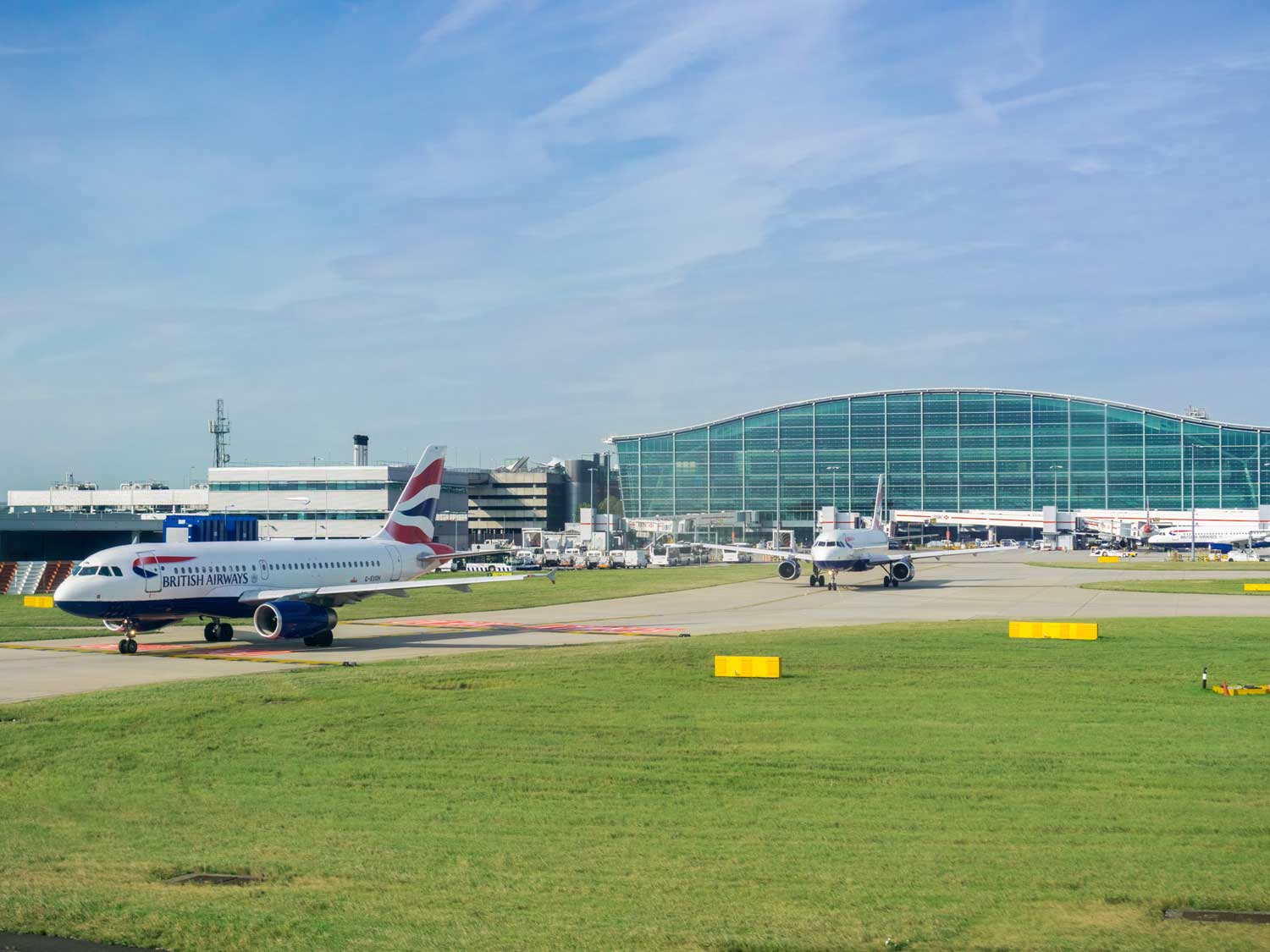
Air freight markets under pressure as capacity struggles to recover

Global air freight markets continue to outperform expectations, but the balance between supply and demand remains fragile. 

What began as a short-term disruption following renewed conflict in the Middle East has evolved into a more structural capacity challenge, keeping rates elevated and limiting available space on key trade lanes.

Although airlines have adapted their networks and capacity is gradually returning, the market has yet to recover the capacity lost earlier this year. At the same time, resilient demand, particularly from the technology sector, continues to absorb available space, leaving shippers facing higher transport costs and reduced flexibility. 

Middle East disruption continues to shape the market

The collapse of the ceasefire between the United States and Iran has extended disruption across international air cargo networks well beyond initial expectations.

Several major international airlines have postponed the planned resumption of passenger and freighter services to the Gulf until at least late October, delaying the return of valuable belly-hold and freighter capacity that traditionally supports Asia-Europe cargo flows.

Before the conflict, around one-third of Asia-Europe air freight transited through Middle Eastern hubs. The loss of those services removed approximately 12% of global air cargo capacity almost overnight, forcing airlines to reroute shipments through alternative gateways and deploy additional direct freighter services wherever possible.

Despite these adjustments, capacity growth has lagged behind demand throughout 2026. Global air cargo demand increased by around 4% during the first half of the year, while available capacity expanded by only around 1%, creating the imbalance that continues to support elevated freight rates.

As a result, industry forecasts have changed significantly. Expectations that freight rates would fall during 2026 have been replaced by forecasts of annual increases up to 15%, reflecting the ongoing supply constraints affecting the market.

Demand remains resilient as market dynamics evolve

While geopolitical disruption has constrained capacity, changing demand patterns are also reshaping global air freight.

The rapid growth of artificial intelligence infrastructure is generating exceptional demand for semiconductor and data centre equipment, particularly on Transpacific services. Global semiconductor sales more than doubled year on year during the spring, creating sustained demand for premium air freight capacity.

Although AI-related shipments still represent a relatively small proportion of total air cargo volumes, they are highly concentrated on key trade lanes and typically require fast, reliable transport, placing additional pressure on available freighter capacity.

By contrast, the extraordinary growth in cross-border e-commerce that has supported air freight markets in recent years is beginning to moderate.

Changes to low-value import rules in both the United States and the European Union have reduced demand for some e-commerce shipments, with exports of low-value goods from China continuing to decline. While this has eased pressure on certain trade lanes, the reduction has been more than offset by continued strength in industrial manufacturing, technology exports and higher-value cargo.

Airlines continue to compete for scarce freighter capacity

The industry's ability to respond to changing demand remains constrained by a shortage of dedicated freighter aircraft.

Delays to new passenger aircraft deliveries continue to limit passenger-to-freighter conversion programmes, restricting the supply of additional cargo aircraft entering the market. As a result, airlines are increasingly competing not only for freight but also for access to aircraft.

Rather than expanding fleets rapidly, many operators are pursuing partnerships, aircraft acquisitions and strategic investments to secure long-term capacity. Others are repositioning aircraft between markets as demand changes, with freighter deployment shifting rapidly between Asia, Europe and the Americas in response to geopolitical events, humanitarian operations and changing trade flows.

This lack of spare capacity means the market remains particularly vulnerable to further disruption. Any significant geopolitical event, weather-related disruption or operational shock has the potential to tighten capacity quickly and place renewed upward pressure on rates.

Planning ahead remains the best strategy

Although capacity is expected to improve gradually during the second half of the year, market conditions remain unpredictable.

For shippers moving time-critical or high-value cargo, securing capacity early, maintaining flexible transport options and working closely with dependable logistics partners will remain essential. Businesses that rely on just-in-time supply chains or seasonal inventory should continue to allow additional planning time while airlines rebuild network resilience.

The market has demonstrated remarkable resilience throughout 2026, but it also highlights how quickly global air freight can be reshaped by geopolitical events, changing technology demand and structural capacity constraints.

Keeping your supply chain moving

When capacity is tight, reliability, experience, network strength and proactive planning make the difference.

Metro works with leading airlines and global carrier partners to secure stable air freight capacity across key international trade lanes. Our experienced teams provide tailored routing solutions, customs expertise and end-to-end shipment management, helping customers minimise disruption and keep critical cargo moving, even in challenging market conditions.

To discuss how Metro can strengthen your global air freight strategy and support your international supply chain, EMAIL Managing Director Andrew Smith today.