ships at anchor

Middle East Conflict Is Rewriting the Airfreight Peak

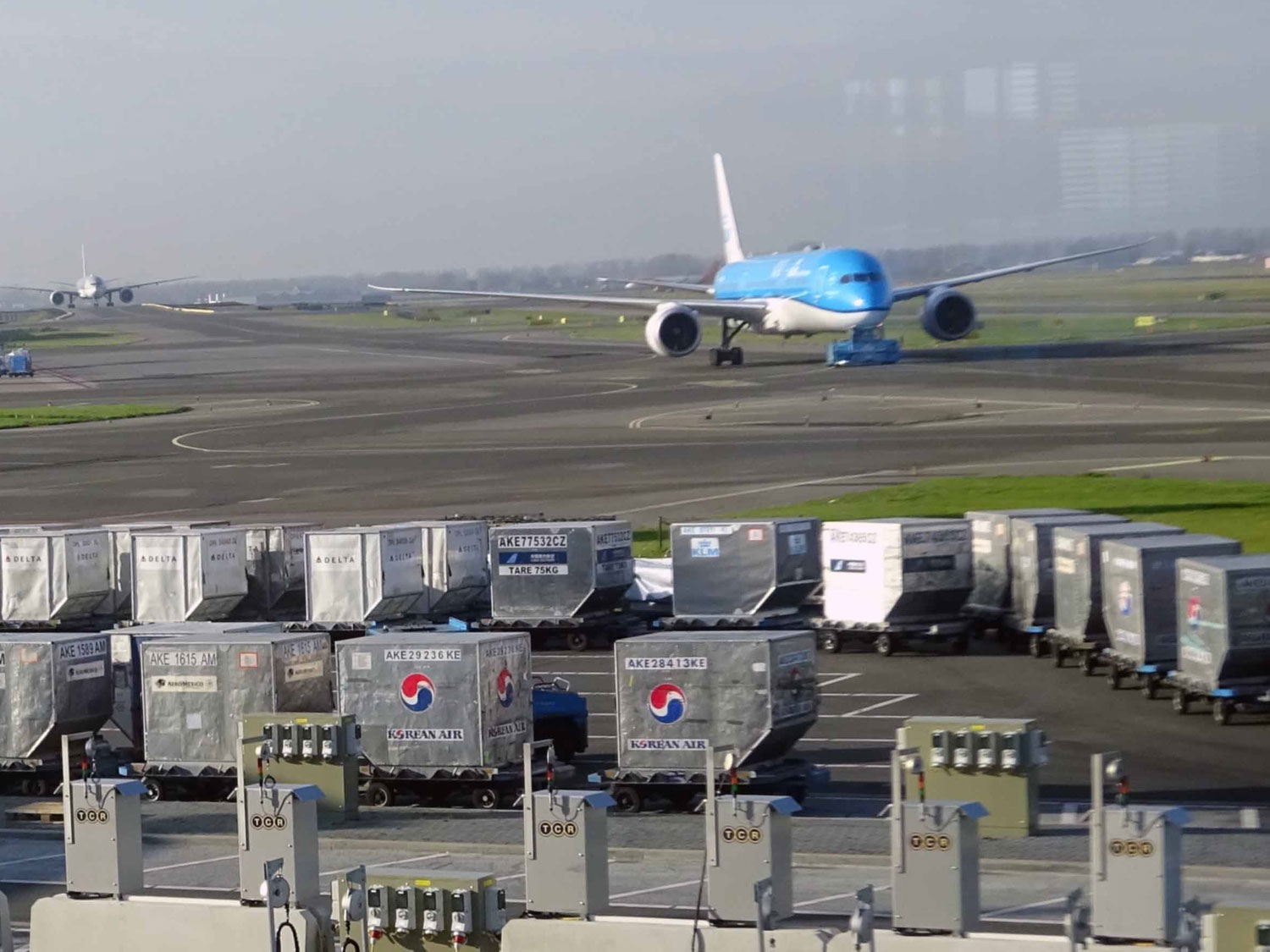
Airfreight has always played a dual role in supply chains, providing a reliable core mode for some flows and a pressure‑relief valve when ocean networks clog up. 

The current Middle East crisis has upended that safety‑valve function; because instead of a short, sharp bottleneck, the market has shifted into a higher‑cost, more volatile place, that is already reshaping the 2026 peak season.

The initial fear was that conflict around the Gulf would trigger a sudden collapse in air capacity and an uncontrollable spike in jet fuel costs. That fearful initial phase has now passed, but pricing has not returned to pre‑crisis norms. Freight indices show global air rates holding well above early‑2026 levels, with some Asia–Europe spot rates doubling by April and still sitting nearly 75% above pre-war levels.

Fuel surcharges are no longer climbing week by week, but they remain dramatically higher than at the start of the year. The air cargo market is not spiralling upward, but it has clearly found a new, elevated pricing floor.

Capacity returns, but on new terms

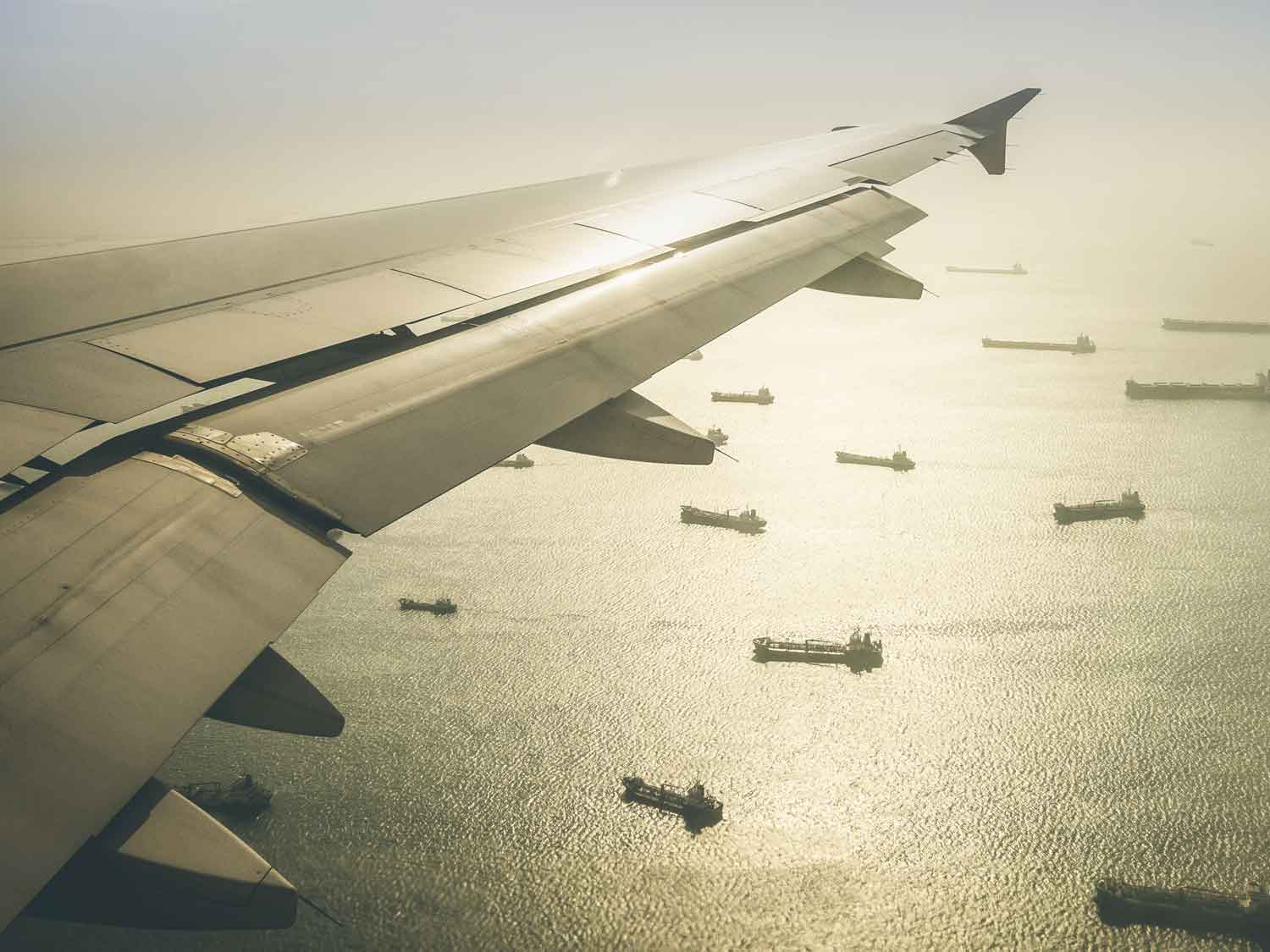
Freighter lift grew around 3% month‑on‑month in April, reversing earlier declines, although week‑on‑week growth has slowed as airlines add capacity cautiously. Gulf carriers have been rebuilding their schedules, with strong month‑on‑month growth on Asia–Middle East and Europe–Middle East lanes, and major integrators have restored intercontinental flights into Bahrain, Dubai and other Gulf hubs from Europe and Asia.

Regional airspace is open again, albeit with corridors, pre‑approvals and routing constraints. Network operators have re‑established connections that link Europe, Asia and Africa through the Middle East, and are gradually extending services deeper into the region. Backup hubs in places such as Riyadh and Muscat remain in use while the security picture stabilises, but some carriers have also found alternative “mid‑points” in India and South‑East Asia to recover Asia–Europe capacity.

Other operators remain more cautious. Some European freighter airlines are still avoiding most Middle East stops, citing airspace and security concerns, and are waiting on further guidance from aviation security authorities before fully reopening networks. Major Asian carriers have delayed the resumption of certain passenger and freighter services into Riyadh and Dubai, even as they add freighter capacity into Bangkok, Vietnam and other South‑East Asian gateways.

Recent rate data shows some easing out of major Asian hubs and on Europe–US and Europe–Gulf routes, but pricing remains historically high. Outbound Heathrow rates, for example, are still more than 40% above last year. Refineries in Europe, the US and West Africa have shifted output towards aviation fuel, airlines have rerouted networks and trimmed weaker services, and capacity is being deployed with unusual discipline. Together, these factors are preventing a rapid collapse in pricing.

What this means for the “traditional” air peak

In a normal year, shippers would expect a relatively quiet summer followed by a steady build‑up into the late‑Q3/Q4 peak. Middle East disruption has scrambled that pattern in three important ways:

  • The market has already experienced “mini peaks” in Q2, as conflict‑related diversions and fuel shocks pushed rates to levels normally associated with peak season.
  • With airspace constraints, elevated fuel costs and tight capacity discipline, the system has less slack than usual. The ability to “pivot to air” from ocean at short notice is weaker.
  • Geopolitical risk now appears to be permanently repriced into airfreight. Even if the Gulf situation stabilises, fuel surcharges and base rates are likely to remain volatile, and the industry is planning around that assumption with more frequent surcharge adjustments.

For UK shippers, the implication is that 2026’s airfreight peak is less about one clear season and more about a longer period of heightened risk, with short, unpredictable demand spikes layered onto an already expensive base. Treating the whole second half of the year as potentially “peak‑like”, budgeting for higher air costs, and pre‑booking critical flows on key lanes will be essential to avoid being caught out.

Metro works closely with airlines and partners to secure capacity, identify alternative routings and maintain reliability in a disrupted market. If your supply chain depends on airfreight, EMAIL our Managing Director, Andrew Smith, to protect space, manage cost exposure and keep your cargo moving.

Suez empty

Suez return remains fragile as carriers weigh faster transit against overcapacity

Although some shipping lines have begun selectively routing vessels back through the Suez Canal to reduce transit times and improve vessel utilisation, the industry remains far from a full-scale return to pre-crisis operating patterns.

Diversions around the Cape of Good Hope (COGH) have absorbed substantial global vessel capacity over the past two years by extending voyage times and reducing effective fleet availability. A broader return to Suez routing would rapidly reverse much of that dynamic, potentially releasing millions of TEU of effective capacity back into the market.

Routing via Suez shortens Asia–Europe voyages by more than 3,000 nautical miles compared with Cape routing, reducing transit times, improving vessel productivity and lowering fuel consumption, but the wider implications could be far more disruptive.

Faster transit times could rapidly shift supply and pricing dynamics

Industry estimates suggest that restoring normal Red Sea routings could release around 7% of effective fleet capacity back into the market. This would arrive at a time when container shipping is already facing heavy new-build vessel deliveries and relatively modest long-term demand growth.

The risk is that markets could move rapidly from relative tightness towards oversupply, placing renewed downward pressure on freight rates across major trades.

CMA CGM has increased the number of Suez Canal transits on two selected services, with shippers paying premium fees in exchange for faster transit times and reduced inventory delays.

Other carriers may be evaluating Red Sea routing strategies, although they remain cautious about large-scale network restructuring while regional security conditions remain unstable.

Importantly, any financial benefit from returning to Suez is still being offset by elevated war-risk insurance premiums and ongoing operational uncertainty linked to Houthi activity and wider instability across the Middle East.

Middle East instability continues to cloud long-term planning

Earlier expectations that container shipping could progressively return to normal Red Sea operations during 2026 have weakened significantly following renewed military escalation involving the US, Iran, Israel and regional proxy groups.

Several shipping lines that had previously explored limited Suez re-entry have since adopted a more cautious position, with some reversing earlier routing plans and returning services to COGH diversions.

At the same time, wider global trade patterns are also evolving in ways that partially offset oversupply concerns.

Chinese exporters are increasingly expanding into alternative markets including South America, Africa, the Indian subcontinent and the Middle East itself. These longer and more operationally complex trade flows consume additional vessel capacity and are helping absorb part of the substantial new tonnage entering the global fleet.

Even so, structural pressure continues to build beneath the surface.

Global trade growth is still expected to remain below the pace of new vessel deliveries scheduled between 2026 and 2028. Larger vessels are expected to feel the effects of oversupply first, particularly as cascading tonnage begins placing pressure on secondary and regional trades.

For shippers, the result is an increasingly uncertain operating environment where transit times, freight rates and network structures could change rapidly depending on how security conditions evolve across the Middle East.

While a full-scale return to Suez routing still appears unlikely in the near term, selective transits and gradual network adjustments are already beginning to reshape carrier strategies, pricing behaviour and capacity planning across major east-west trades.

Metro is working closely with customers to assess Suez and Cape of Good Hope routing trade-offs, comparing carrier strategies and identifying the ocean freight solutions most aligned to their supply chain priorities, inventory requirements and risk tolerance.

EMAIL Metro Managing Director Andrew Smith to learn how differing Suez and Cape routing strategies could affect your supply chain, and how Metro helps shippers balance transit times, security risk, insurance exposure, cost volatility and schedule reliability.

Hormuz satellite

Middle East disruption continues as Metro scales contingency solutions

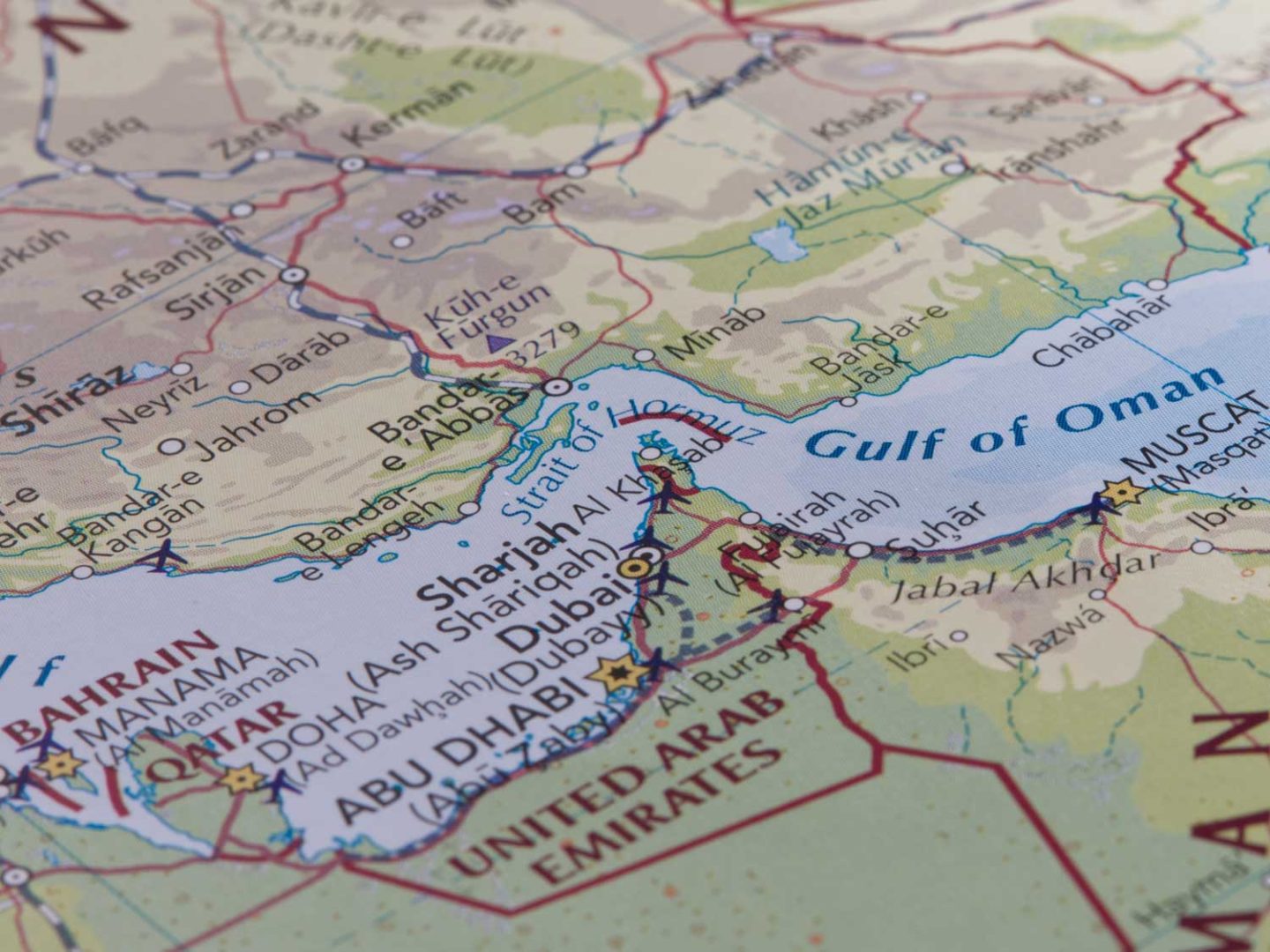
The extension of the US–Iran ceasefire has done little to stabilise operating conditions in the region, with last week’s seizure of two MSC-managed container vessels by Iran’s Islamic Revolutionary Guard Corps in the Strait of Hormuz. 

The incident highlight the ongoing risk to commercial shipping and reinforces the reality that access through Hormuz remains severely constrained, with container flows through the Strait largely suspended.

Land-bridge solutions under pressure as demand surges

As traditional shipping routes have been disrupted, supply chains have shifted rapidly towards alternative solutions, particularly land-bridge routes across the Gulf.

However, these corridors are now under significant strain. Demand for trucking capacity has surged well beyond available supply, with rates on key lanes such as Jeddah to the UAE rising four to five times above pre-conflict levels.

Jeddah has become the primary gateway following security concerns at Khor Fakkan and Salalah, concentrating volumes into a single entry point and creating further bottlenecks. In some cases, demand for road capacity has reached multiples of available supply, driving sharp price escalation and limiting flexibility for shippers.

Operational disruption now outweighs capacity availability

One of the defining characteristics of the current market is that disruption is being driven less by a lack of physical assets and more by how networks are operating.

Ocean carriers are navigating around both the Red Sea and Hormuz, adding 15–20% to voyage distances, increasing fuel consumption and reducing effective capacity. At the same time, global port congestion has exceeded 3 million TEU, further impacting reliability. 

Airfreight networks are also adjusting to restricted airspace and reduced Gulf capacity, while road freight is absorbing increased volumes through regional corridors, adding complexity and extending transit times.

The result is a market where capacity exists, but is harder to access, less predictable and more expensive to deploy.

Pricing volatility accelerates as fuel and disruption outpace contracts

Freight pricing is struggling to keep pace with the speed of change.

Across ocean freight, emergency bunker surcharges are now widely applied, while traditional fuel adjustment mechanisms lag behind real-time cost increases. In airfreight, fuel surcharges are being revised more frequently as jet fuel prices continue to rise. In road freight, fuels costs typically represent over 30% of operator costs, placing short-term pressure on carriers and increasing the likelihood of further cost pass-through. 

The situation is further complicated by simultaneous pressure across multiple global chokepoints.

Disruption linked to the Strait of Hormuz is occurring alongside continued Red Sea instability and wider geopolitical friction across key corridors. This has created a structurally higher-risk operating environment, where any escalation can quickly remove capacity, extend transit times and increase costs across all modes. 

Scaling solutions to maintain cargo flow

In response, Metro has significantly increased its operational focus on the region, with time dedicated to resolving Middle East-linked problems rising by more than 1000%.

The focus is on execution: ensuring cargo continues to move and that shipments already in transit are delivered using the most effective available solution.

Metro is actively supporting customers through:

  • Dynamic re-routing of in-transit cargo, avoiding disruption hotspots
  • Alternative gateway strategies, identifying viable entry points outside high-risk zones
  • Airfreight deployment, where speed and reliability are critical
  • Land-bridge and multimodal solutions, maintaining flow where ocean routes are constrained

This flexible, hands-on approach is essential in a market where conditions are changing rapidly and pre-planned routes are no longer sufficient.

If you have cargo moving to, from or through the Middle East, or shipments currently held en route, Metro can help you identify and implement the most effective resolutions.

EMAIL Managing Director, Andrew Smith, today to secure capacity, protect transit times and keep your supply chain moving in a rapidly changing environment.

refinery

Fuel shocks across ocean, air and road freight

With the Strait of Hormuz effectively closed, crude oil can still exist within the region, but refined products, which includes marine fuel, jet fuel and diesel, can no longer move freely to key consumption markets, which has triggered a sharp divergence in pricing and availability across all modes. 

For shippers, this creates a higher cost floor, as transport fuels are no longer moving in line with crude. Marine bunker, jet fuel and diesel each have their own supply chains and crack spreads (the margin between crude and refined products), and are now behaving independently of Brent. This is driving bunker-led cost pressure in ocean, jet fuel-driven inflation in air, and diesel-driven cost escalation in road. 

Ocean freight: bunker costs reset the pricing floor

In ocean freight, bunker fuel has become the dominant cost driver. Asian fuel hubs, particularly Singapore, are experiencing significant pressure as rerouted vessels increase demand while supply remains constrained.

This has created a disconnect between traditional pricing mechanisms and real-time costs. 

Emergency bunker surcharges are being applied across major trade lanes, while standard adjustment factors lag behind market conditions and may only catch up with current fuel inflation later in the year.

The result is a structurally higher cost base, with ocean rates now reflecting fuel volatility rather than underlying demand alone. 

Air freight: jet fuel shortage tightens capacity

Air freight is facing the most acute fuel-driven pressure. Gulf refineries, which typically supply jet fuel to Europe and Asia, are unable to export at normal levels, creating a shortage of refined product.

This has driven a sharp increase in jet fuel prices, with crack spreads widening dramatically from around $16 per barrel pre-crisis to approximately $100 in some regions. 

This regional price divergence means that Asia and Middle East jet fuel benchmarks sit substantially above North American levels, meaning that every kilo of freight uplifted is starting from a materially higher fuel cost base. 

As a result, airlines are adjusting networks, reducing marginal capacity and prioritising fuel efficiency, tightening available uplift and sustaining elevated airfreight rates.

Road freight: diesel inflation feeds through to transport costs

Road freight is also seeing significant cost pressure, with diesel prices rising independently of crude due to refinery constraints and regional supply dynamics.

Fuel accounts for roughly 30% of total truck operating costs, meaning sustained diesel inflation is already feeding through into pricing. 

At the same time, increased reliance on overland routes across the Middle East is adding further demand pressure, compounding both cost and capacity challenges.

What this means for shippers

  • Expect fuel-driven cost volatility across all modes
  • Plan for longer and less predictable transit times
  • Build flexibility into routing and inventory strategies
  • Monitor surcharge mechanisms

Fuel disruption, routing constraints and capacity pressure are now closely linked. Managing one without the others is no longer effective.

Metro works with customers to model alternative routes, balance mode selection and manage cost exposure in real time. If you are seeing rising costs, delays or uncertainty in your supply chain, EMAIL managing director, Andrew Smith, to secure the most effective solution for your cargo.