Sea/Air growth undiminished

Sea/Air growth undiminished

The latest air cargo data is showing a clear upswing in volumes at key sea/air hubs, as shippers from Asia seek to avoid the extended ocean freight transit that has resulted from the Red Sea shipping crisis.

Over the first two months of the year, volumes to Europe from Dubai, Colombo and Bangkok have increased between 60-70% year on year, while volumes from Singapore increased 10% and Doha by 3% year on year.

As reported in our last bulletin air cargo handlers in both Dubai and Bangkok had implemented a temporary embargo as they struggled to keep up with demand.

Our Sea/Air team are seeing massive volume increases out of Asia, with recent bookings passing the 400 ton mark, which is close to 3x what they would be typically processing at this time of year.

Traffic to Europe from Dubai almost tripled in week seven, having grown nearly 100% over the preceding weeks, while ex-Colombo volumes doubled and Bangkok-Europe tonnages were up 2/3rd’s.

The air freight leg from the hubs and particularly Dubai have become more complicated, with USA bound traffic offering greater yields, which means that many carriers are giving the higher earning cargo priority over 2nd Sea/Air volumes into the UK and Europe.

Metro work around the cherry-picking of higher yielding traffic with our airline block space agreements (BSA) and capacity purchase agreements (CPA) that protect space and capacity, or by using alternative hubs when appropriate.

While there is no certainty that demand for sea/air solutions will continue, there is clearly elevated tonnages to Europe from all the major sea/air hubs currently and it remains to be seen what impact the Lunar New Year holidays will have.

So far at least, volumes remain high out of Dubai, Bangkok and Colombo, but there could be be some lag as the effects of the LNY-related factory closures kick in. Time will tell.

Demand for air cargo
Air cargo demand increased by 18.4% year on year in January the second month of double-digit percentage increases, and the highest increase since summer 2021.

The newly released IATA data shows that cargo tonne kms (CTK) and available capacity both increased, the latter by 14.6% year on year, as belly space continued to be added to the market.

The increase is attributed to rising eCommerce demand and modal shift as a result of the Red Sea shipping crisis.

Looking at regional performance, Asia Pacific airlines saw their air cargo volumes increase by 24.6% year on year in January.

Carriers saw ongoing growth in international CTKs on three major trade lanes: Africa-Asia (+52.5%), Middle East-Asia (+29.5%) and Europe-Asia (+27.5%).

The air freight market is particularly challenging from India currently, with congestion on some routes/lanes leading airlines to increase rates significantly in recent weeks.

India’s economy is buoyant and exports are strong, rising over 3% in January despite the Red Sea crisis.

However, there are limited numbers of outbound flights, in particular cargo only flights, with much air cargo reliant on transhipment services moving through hubs including Dubai, Qatar and Kuwait Airways.

With high demand for first leg flights from India into the transhipment hubs carriers will take higher yielding freight as priority and with USA freight offering premiums of over 100%, UK and European freight becomes less attractive.

Approximately 80% of cargo from India tranships, but the same competition exists on direct flights. British Airways, as an example, will favour the much higher rate available for transhipment freight into North and South America, rather than lower paying cargo destined for Europe. This is a fact.

However we have our own BSA’s and CPA agreements with airlines protecting space and capacity over a fixed period which generally gets honoured from all main gateway airports in India.

For urgent, valuable and special shipments we have a range of air freight and sea/air solutions, with block space agreements (BSA) and capacity purchase agreements (CPA) that protect space and capacity on the busiest routes.

Regardless of your routing and requirements, we have extremely competitive rate and service combinations, to meet every deadline and budget.

EMAIL Elliot Carlile, Operations Director, for insights, prices and advice. 

Insurers withdraw war risk cover

Insurers withdraw war risk cover

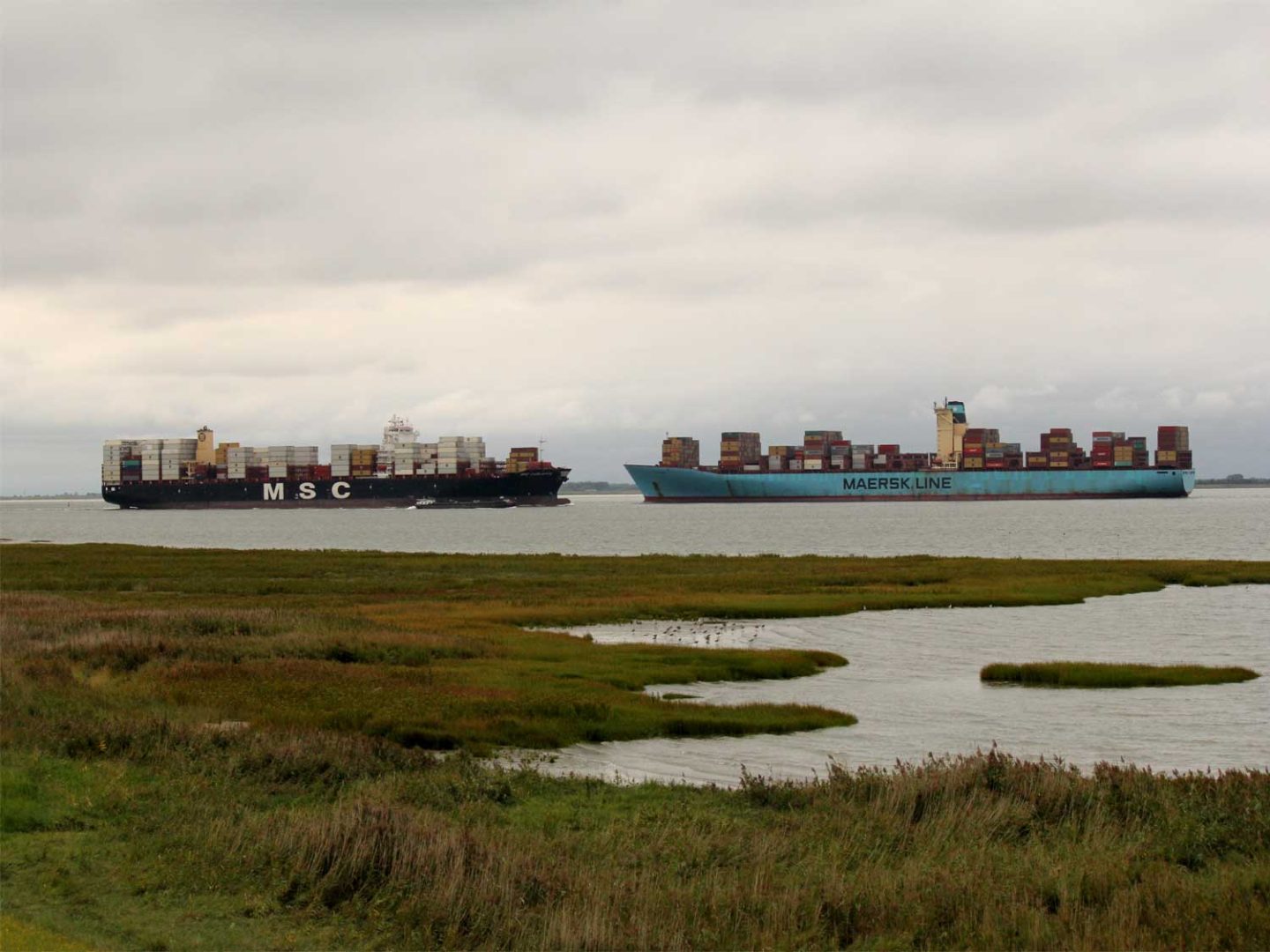
Since December 2023, nearly 30 commercial vessels transiting the Red Sea have faced missile strikes or near misses from the Yemen-based Houthis, including container ships owned by Maersk, MSC and CMA CGM.

As of last week, 550 container ships have been diverted away from the Suez Canal or are planning to reroute around the south of Africa via the Cape of Good Hope to avoid Red Sea attacks.

Some ships are still travelling through the Suez Canal. Beijing has been neutral on the Houthi attacks but the disruption has raised freight rates, while France’s CMA CGM is still sending some ships through the canal when they can get French warship escorts.

Last week Lloyd’s and London market marine insurers confirmed that they are continuing to maintain cover for cargo and ships transiting the Red Sea despite increasing tensions, but some ship insurers are starting to avoid covering commercial ships against war risks when they navigate the southern Red Sea.

War-risk insurance premiums have already climbed from 0.75-1% of the vessel’s value, which means, shipowners will now have to pay $millions for war-risk insurance cover, depending on vessel age, size and type, with underwriters seeking exclusions for vessels with links to the UK, US and Israel, when issuing cover for ships transiting the Red Sea.

In addition to the soaring annual premium, shipowners will also have to pay an additional premium if they want to transit via the Red Sea. It is because several Protection and Indemnity (P&I) clubs have expanded their additional premium zones across the Indian Ocean, Gulf of Aden and Southern Red Sea.

We have seen evidence however, that some insurers won’t cover anything from a war risk perspective around the Horn of Africa and the Red Sea, which means even more commercial shipping companies will be rerouting through The Cape of Good Hope in the near future.

The massive boost to insurance rates is likely to make the Cape of Good Hope routing more cost effective for carriers relative to the Suez Canal, even with the higher fuel costs.

Metro recommends All Risk marine insurance to protect you against all loss of cargo, to the full value of the goods.

Carriers and other supply chain participants operate under conditions that limit their liability and may even require you to compensate them, in certain circumstances, which means that any compensation you receive is likely to be considerably lower than your actual loss.

Metro work with selected partners to offer All Risk marine insurance cover that protects your cargo during every stage of transportation and storage, on a per shipment or annual cover basis.

Please contact your Metro Account Manager for further information.

Economic impact of Suez Canal diversions

Economic impact of Suez Canal diversions

For the UK and Europe fears are growing that any prolonged denial of access to the Suez Canal could impact faltering economies and derail plans to start cutting interest rates later this year.

Despite the confidence of European and UK central banks, uncertainties about the Red Sea crisis’ impact remain and prolonged denial of access to the Suez Canal could derail plans to start cutting interest rates this year.

No major impact from the Houthi attacks in the Red Sea has yet turned up in main economic indicators, including December inflation numbers, which ticked up only slightly.

The global economy is still performing below par, suggesting plenty of slack around the system.

Oil prices were the most obvious commodity to hit economies in Europe and beyond, but they haven’t surged because supplies haven’t been impacted and demand is slowing.

Less sanguine, the World Bank says the Middle East crisis, with the war in Ukraine, could still lead to surging energy prices, with broader implications for global activity and inflation.

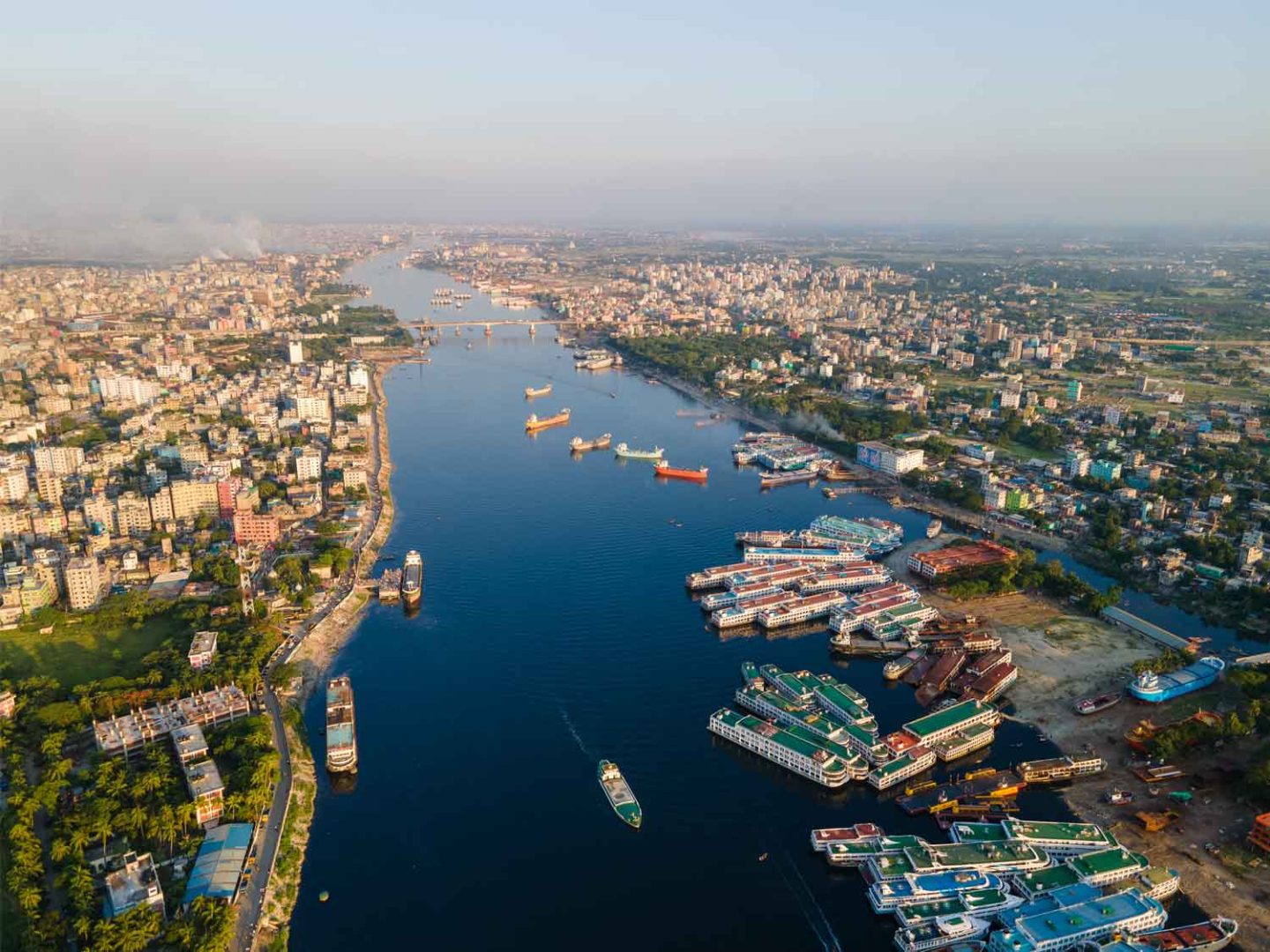
Bangladesh is the world’s second-largest apparel exporter and garments are its main foreign currency earner. Ocean freight rates have gone up 40% from Chittagong to Europe and America, as a direct result of the security crisis in the Red Sea, with fears growing that buyers will begin to look for alternative sourcing.

Sea freight rates from India to the UK and Europe are up an astonishing 500% and there are some signs that the extended equipment turnarounds are leading to equipment scarcity, with fewer 40’ HC empties at busy ports, including Mundra and some inland container depots in northern India.  

Oxford Economics estimates that gains in container transport prices would add just 0.6% to UK inflation in a year. The ECB is expecting Euro zone inflation to fall from 5.4% in 2023 to 2.7% this year, with the BoE expecting UK inflation to average 2.4% in 2024, which suggests that a sustained closure of the Red Sea wouldn’t prevent inflation from falling, though it would slow the speed at which it returns to normal.

In the longer term, some companies may advance plans for alternative, more predictable supply routes, which could involve longer but more secure trade paths or “near-shoring” to bring production closer. 

Whichever options are considered, the likelihood is they will involve higher costs, and supply chain risk by its very nature is unpredictable.

Metro support our customers continuing success, by protecting their supply chains, with innovation and resilience, whatever the economic or operational challenges.  

Our unique blend of experience, systems and processes means that we can react quickly to overcome challenges or exploit opportunities; optimising global inventory, reducing costs and streamlining the supply chain. 

Please EMAIL Andy Smith to discuss how we can optimise your supply chain and help you overcome the issues you currently face.

General Red Sea Update

General Red Sea Update

The US and UK carried out eight strikes on Houthi targets in Yemen on Monday, as the Iran-aligned armed group continues to target commercial shipping in the Red Sea, with no sign that the conflict will de-escalate anytime soon.

While many hoped that the situation in the Red Sea might be a short-lived crisis, it is edging closer to the challenges that global supply chains faced during the COVID-19 pandemic. 

The ripple effects caused by the necessity of re-routing around 90% of all container ships from Asia around the Cape of Good Hope are immense. Analyst Sea-Intelligence are concluding that the vessel capacity drop is the second largest after the ‘Ever Given’ got stuck in the Suez Canal for six days during March 2021. 

With 10+ days added to the normal transit the drop in available capacity has sent freight rates rocketing, with container equipment challenges growing and expected to become far more difficult in the run up to the Chinese lunar new year. 

CMA CGM, the world’s third-largest carrier, announced an empty container imbalance surcharge of $100 per unit on top of similar equipment surcharges out of Turkey to the Mediterranean and North Africa announced last week.

There is one significant difference between now and the Ever Given situation and the pandemic, which is demand is lower and the shipping lines have injected significant capacity to maintain services. 

The Ever Given disruption occurred during a period of scarce capacity and historic peak demand, which was why rates skyrocketed and while we aren’t currently at those highs, the recent rate surge is noticeable in the short term.

The current delays and projected longer transit times are already impacting manufacturers across the globe, with many forced to halt production due to shipment delays, while many retailers have warned of product delays and cost increases. 

The next two-to-three weeks could be interesting, with bunched vessels arriving at the main ports, potentially triggering port delays driver shortages and cargo build-ups at warehouses.

The window for booking air freight ahead of Chinese New Year is closing and vessels are quickly filling, which is why we would urge you for your shipping deadlines, so that we can book your space and services at the best possible rates. 

Sharing forecasts for your forthcoming movements is an essential tool in managing your freight and expectations, and reserving the equipment you need, when you need it. 

If you have any questions or concerns about the impact of the Suez situation on your Asia supply chain, or would like to discuss its wider implications, please EMAIL our Chief Commercial Officer, Andy Smith.