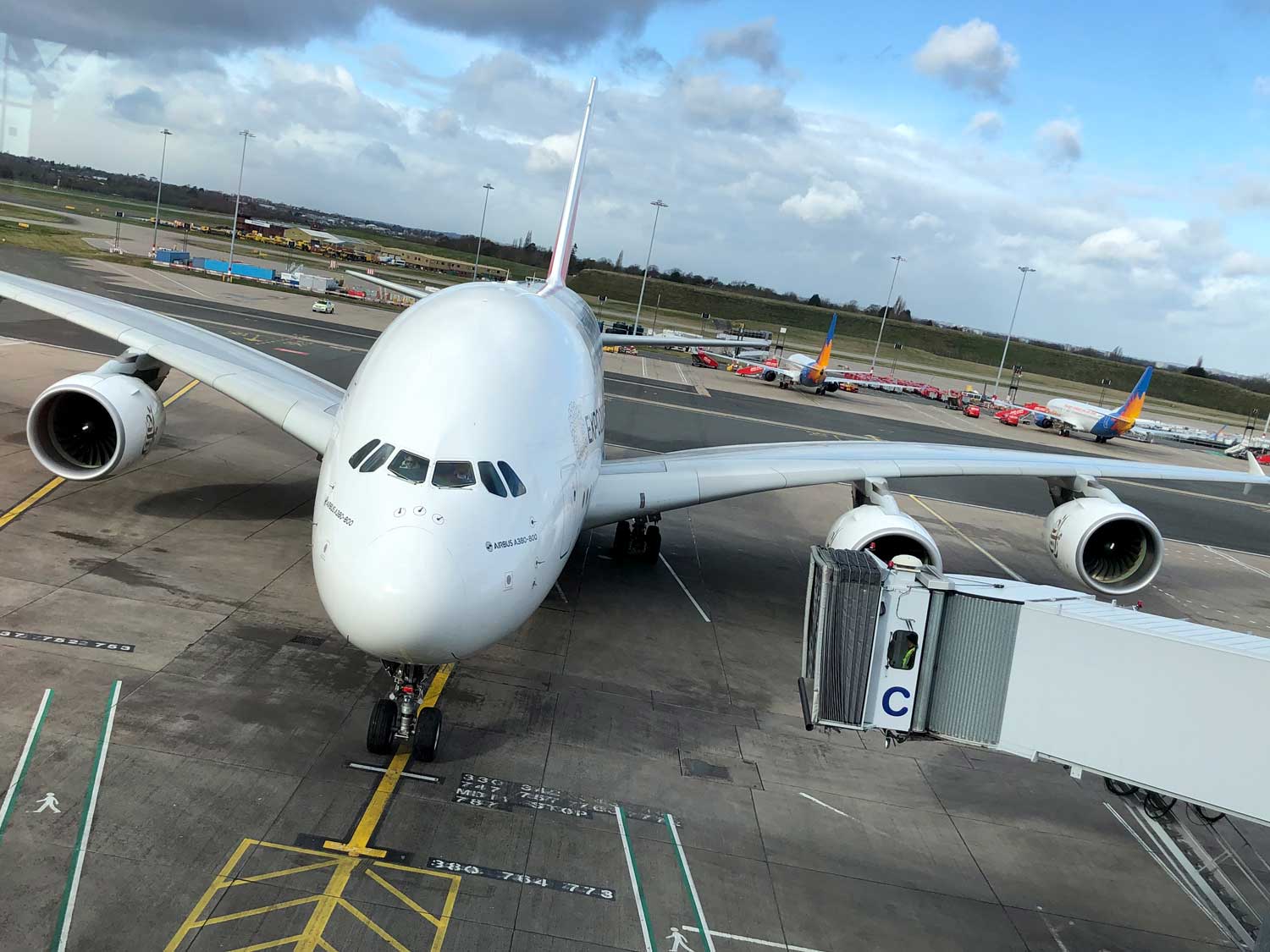
Birmingham International Airport, a long-standing strategic hub partner of Metro, has confirmed an ambitious growth programme that will strengthen its infrastructure and bolster its role in air cargo logistics and global connectivity.
Building on years of collaborative development with Metro and ground-handling partners, which have already improved cargo turnaround efficiency, expanded value-added services, and supported new freighter services into key markets, the airport is now moving into a new phase of investment.
Major investment plan sets framework for growth
The airport has outlined a £300 million capital programme aimed at modernising key facilities and preparing for anticipated increases in passenger and freight demand. This investment includes:
- A significant capital commitment toward terminal and airfield enhancements designed to improve operational resilience.
- Upgraded airfield infrastructure, including taxiway reconstruction, new aircraft stands and runway works, which will support more frequent and diverse cargo aircraft operations.
- Enhanced baggage and cargo handling systems, to contribute to greater throughput capacity and speed of processing for both inbound and outbound consignments.
While the initial focus of much recent investment has been on passenger facilities, these infrastructure improvements will also benefit cargo flows by increasing overall operational efficiency and flexibility across the airport.
In parallel with capital spending, the airport has appointed a leading international consultancy to help develop its next long-term masterplan. This forthcoming blueprint will define how the airport evolves over the coming decade, taking account of technological, sustainability and market trends.
This forward-looking strategy reaffirms Birmingham Airport’s role as a regional and international gateway that supports economic growth and cargo connectivity across the Midlands and beyond.
Complementing physical investment, broader transport links being developed around the airport — including future rail connections and improved surface access — are expected to enhance the airport’s appeal as a logistics centre. These improvements will widen the airport’s catchment area and could unlock further opportunities for cargo route development and new airline services.
Implications for Metro’s shippers
For Metro and its customers, these expansions reinforce the strategic value of Birmingham Airport:
- Faster turnaround times, with greater handling capacity reducing potential bottlenecks during peak periods.
- Improved reliability and service quality as infrastructure upgrades take effect.
- Enhanced route potential, supporting ambitions for more diverse cargo services to and from key global markets.
- Stronger regional freight hub, strengthening the airport’s competitive position relative to other UK gateways.
Birmingham Airport’s investment and planning activities signal confidence in the growth of both passenger and cargo traffic. By modernising infrastructure and preparing for future needs, the airport is positioning itself as a more capable and flexible partner for Metro’s client community.
Metro are able to offer time critical ‘JIT’ services through the airport where freight can be transferred in minutes rather than hours from aircraft to the road. Additional customs formalities such as ATA carnets are handled swiftly and efficiently.
Birmingham International is the UK’s fastest-growing airport and our central air freight hub, with proximity to major clients and manufacturing regions, for speed of first/final mile logistics and 90% of the UK population within a few hours drive. EMAIL our managing director, Andrew Smith, to learn more.