ship aerial 1440x1080 1

Europe Builds Momentum as Trans-Pacific Slowdown Deepens

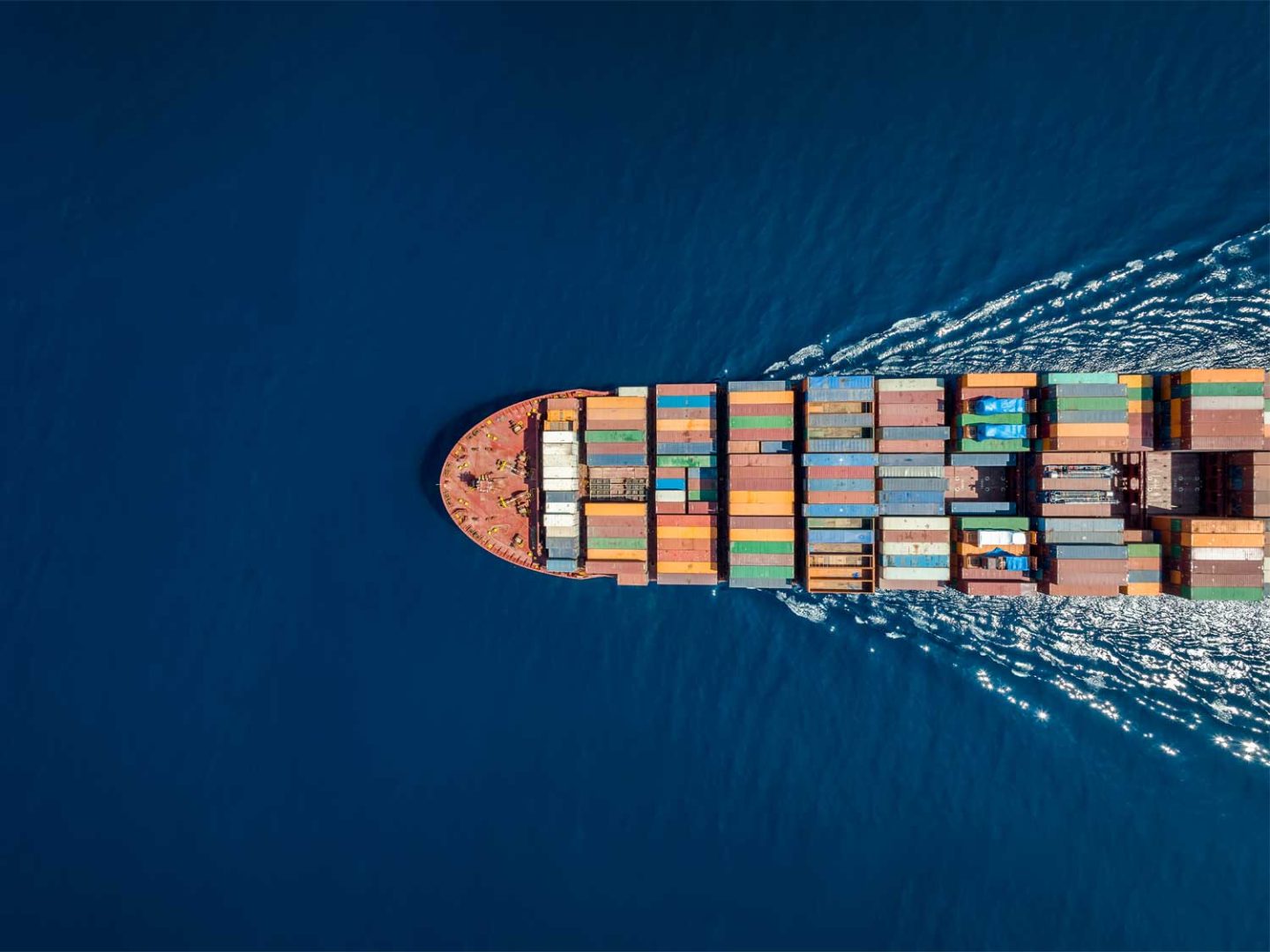
Global container shipping is evolving rapidly, with Asia–Europe trade lanes showing fresh strength just as the transpacific market enters a significant slowdown. This divergence is creating new challenges and opportunities for shippers.

On the Asia–Europe route, demand has been steadily rising, with spot freight rates climbing significantly since the end of May. After a sluggish start to the year, the peak season seems to have arrived, driven by stronger consumer sentiment in Europe, improved macroeconomic indicators, and renewed retailer confidence in stock building.

Forecasts for European imports have been upgraded. Instead of the previously expected 3.5% annual growth, volumes are now set to increase by 6% through 2025. This is being supported by lower inflation, falling unemployment, rising disposable income, and stronger euro/sterling, which is making imports from Asia more affordable.

A new UK trade agreement is also giving exporters a boost by reducing U.S. tariffs on inbound goods to 10%. Discussions with the EU are ongoing, and similar tariff terms could apply more broadly to European supply chains, further stimulating demand.

In contrast, container traffic from Asia to North America is heading in the opposite direction. The sharp increase in demand earlier this year, driven by front-loading stock ahead of tariff deadlines, has left warehouses full and order volumes slowing. With inventory levels high and economic uncertainty persisting, import activity is falling, and rates have dropped since early June from Asia.

Adding to this pressure is the looming reintroduction of US tariffs. Temporary suspensions on general and China-specific tariffs are set to expire in July and August respectively. While extensions are possible, the expected imposition of new duties, potentially rising to 55% for some Chinese goods, may suppress demand further and shift sourcing decisions in the second half of the year.

Although a short-lived spike in cargo arrivals at US West Coast ports may materialise in July, driven by attempts to beat the tariff deadlines, this is expected to be a temporary reprieve in a broader downtrend.

Meanwhile, carriers on the Asia–Europe route are preparing to balance higher demand with tighter capacity. Shipping lines plan to withdraw approximately 90,000 TEU of scheduled space in August compared to July, using blank sailings and capacity cuts to maintain pricing discipline. If volumes remain strong, this could lead to a second wave of rate increases before the end of summer.

Beyond commercial dynamics, security remains a key concern in the Red Sea. A bulk carrier was attacked this week using drone boats, rocket-propelled grenades, and small arms, in the first such assault since December. Analysts warn that the threat level to commercial shipping has risen significantly, with continued disruption to Suez-linked services.

As trade routes shift, tariffs tighten, and risks increase, the ability to adapt quickly and make informed shipping decisions is more critical than ever.

Metro’s sea freight team provides expert guidance to help you navigate volatile conditions, mitigate disruption, and make your supply chain more resilient. Whether you’re importing from Asia or exporting to global markets, we’ll keep your cargo moving and your costs under control.  EMAIL our managing director Andrew Smith.

customer survey 1440x1080 1

Survey Highlights Why Supply Chains Must Evolve or Fall Behind

Global businesses must prepare for a fundamental overhaul of their supply chains, as the cumulative impact of geopolitical tension, climate volatility, cost inflation and sourcing risk reshapes the logistics landscape.

According to a recent survey by the Boston Consulting Group (BCG), 87% of leading global companies are planning to restructure their global supply chains. Over half have already suffered serious procurement cost increases, with more than one in five citing disruption from climate-related events such as wildfires and flooding. 

In addition to economic uncertainty and climate-related disruption, businesses are contending with fractured supplier networks, unstable trade relationships, and growing geopolitical risk. Ongoing conflict in Europe, heightened tensions between global powers, and renewed unrest in the Middle East are all adding urgency. 

The Challenges BCG Identified:

  • 57% of firms have suffered supply shortages
  • 55% are being hit hard by procurement cost inflation
  • 33% see energy prices as a major threat
  • 23% have experienced disruption from climate events
  • 20% cite global geopolitical tensions as a business risk

Fragmented supplier networks and over-reliance on vulnerable sourcing channels are being exposed, yet fewer than half of companies are using digital tools to spot weaknesses or manage risk proactively. While many are now diversifying suppliers, near-shoring and conducting more frequent evaluations, most remain trapped in reactive decision-making.

Although 40% of businesses now carry out regular supplier assessments and 36% have adopted dual or multi-sourcing strategies, the majority still operate reactively. Only 45% are using digital tools to anticipate and address supply chain vulnerabilities before they escalate. The result is a growing gap between firms that can adapt, and those that can only respond.

From Restructuring to Resilience
The shift is clear: supply chains need to be more agile, digitally enabled, and less geographically dependent. But this transformation doesn’t happen through strategy alone. It requires digital processes, and partners built to handle change.

That’s where Metro’s supply chain control platform, MVT, provides a distinct advantage. Developed to unify procurement, freight, fulfilment and inventory management, MVT transforms fragmented operations into a connected, insight-driven system—giving businesses the visibility and control needed to stay ahead of disruption.

Whether you’re managing multi-country supplier networks, tracking shipment milestones in real time, or integrating with your ERP and sales platforms, MVT enables data-backed decisions at every stage. It’s more than visibility—it’s the backbone for scalable, resilient logistics.

With Metro’s global reach, sector expertise, and fully integrated services across freight, customs, warehousing and fulfilment, we help customers re-engineer supply chains that are responsive, cost-efficient, and future-ready.

Unlock the power of connected logistics
Disruption may be constant—but with the right digital tools and operational model, your supply chain doesn’t have to be vulnerable.

EMAIL our managing director, Andrew Smith, to learn how MVT can give you total control of your supply chain.

Airfreight Tracking 3.0 v2 1440x1080 1

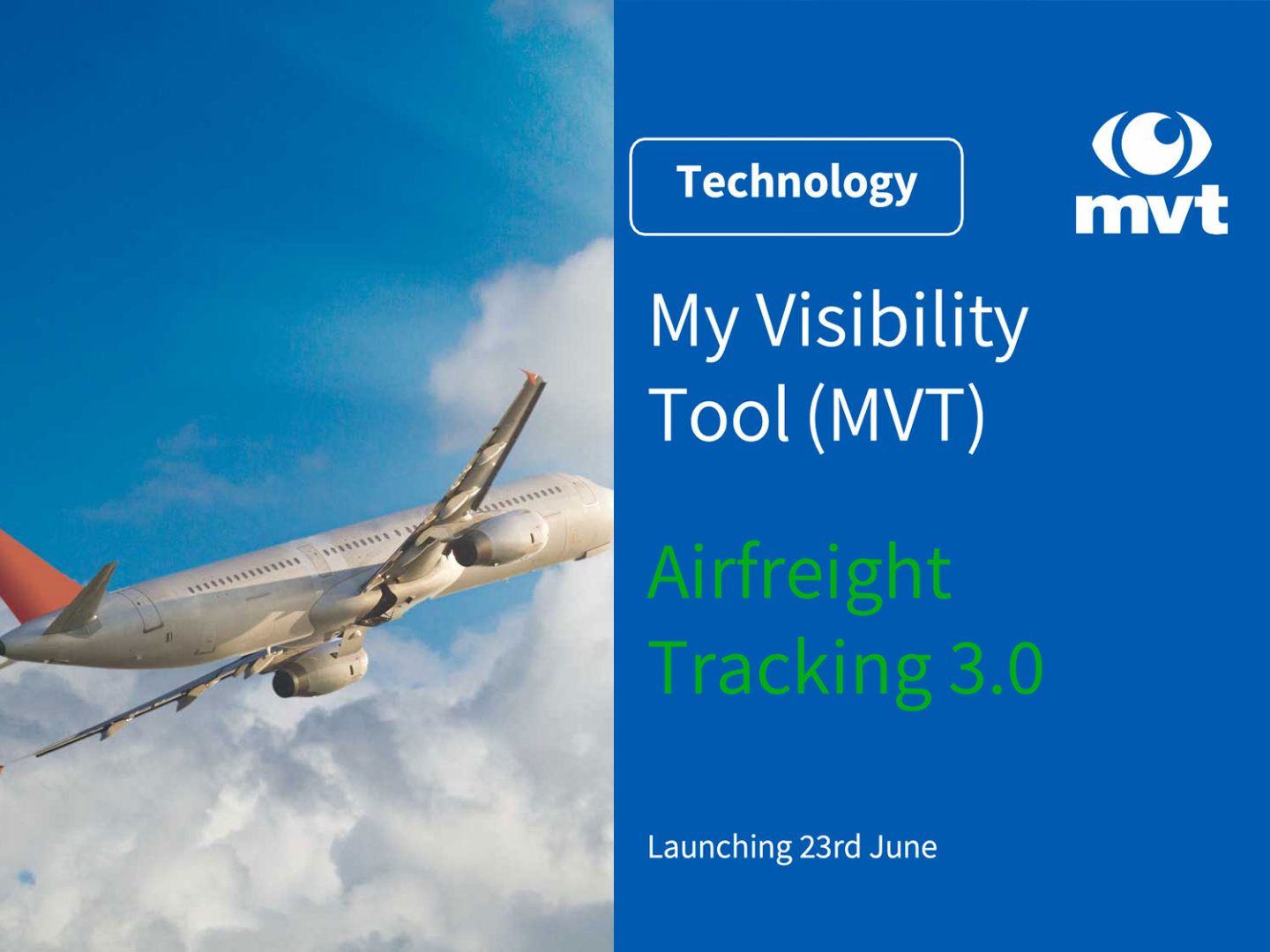
Real-Time Visibility Takes Flight

New live flight tracking powers smarter airfreight decisions with MVT Track & Trace.

We’re excited to share a powerful new upgrade to MVT Track & Trace, Metro’s shipment visibility platform, that delivers even greater control and confidence when managing your airfreight.

Our latest enhancement introduces real-time flight telemetry tracking, giving you an instant, accurate view of your air cargo’s location, live and in motion. For every shipment, you can now follow its journey across an interactive map, complete with precise flight paths and positional data updated in real time.

Whether you’re monitoring standard freight or time-critical consignments, this new feature transforms how you track air movements, with benefits that include:

  • Live flight tracking for every airfreight shipment
  • Visual map interface showing the current aircraft position and route
  • Accurate flight data, including departure, ETA, and arrival confirmation
  • Time-stamped milestone events, clearly logged for full shipment oversight

Each key status change is automatically captured and displayed through a clean, user-friendly interface, so you’re always in the know, without the need for chasing updates.

This level of transparency is especially valuable when speed and certainty matter most. By enriching your operational visibility, our new flight telemetry feature supports smarter decisions, tighter planning, and more resilient supply chains.

At Metro, we’re committed to continuous innovation that makes logistics smarter, faster, and easier to manage. This upgrade to MVT Track & Trace is just one of the ways we’re helping you stay ahead.

Want to see it in action? Log in to your MVT portal today or EMAIL Ian Powell,
Customer and Technical Solutions Director.

India flag on container doors 1440x1080 1

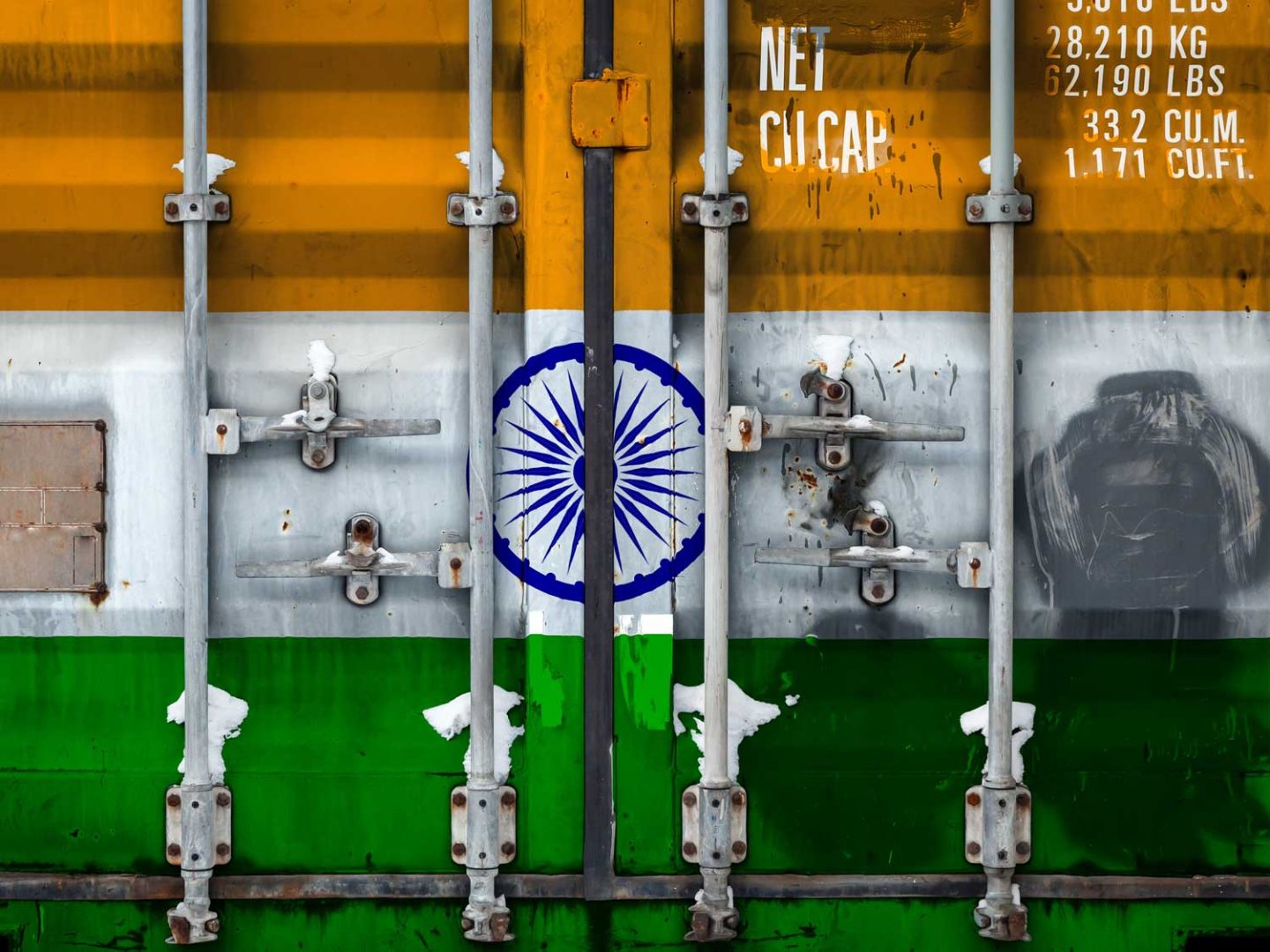
Pressure Builds on India–Europe Sea Freight

Indian exports are facing growing challenges on the India–Europe sea freight corridor as space tightens, equipment shortages emerge, and rates rise sharply, as carriers push through significant price hikes and service adjustments.

The situation has been building since early May, when the end of seasonal produce volumes briefly softened the market. Since then, rates have rebounded week-on-week, climbing steadily on the back of capacity cuts, slower vessel arrivals, and strategic redeployments by carriers. While export volumes remain steady, the squeeze on space and container availability is driving up freight costs and impacting booking reliability.

From mid-June and into July, carriers have introduced a series of general rate increases (GRIs), with some operators implementing double-digit percentage rises on westbound shipments from Indian ports to North Europe and the Mediterranean. Several major lines have also introduced new surcharges to secure space, including emergency space surcharges and revised all-in tariffs.

These rate increases coincide with signs of wider strain on the trade. Some carriers are deploying smaller vessels on Indian routes to prioritise higher-yield trans-Pacific traffic, while others have voided scheduled calls due to operational issues. The result is growing uncertainty at key Indian ports, including Nhava Sheva, Mundra, Ennore, and Chennai, where last-minute gate cut-off changes and blank sailings are complicating planning for exporters and freight forwarders.

At the same time, equipment availability is starting to tighten. While the situation is not yet critical, access to empty containers, especially in inland and southern locations, varies widely between carriers and equipment types. The slowdown in imports from Asia, driven by congestion at transhipment hubs, is beginning to disrupt the usual balance of container flows, raising concerns about inventory levels in the weeks ahead.

The full impact of these challenges is now being felt across the market. Rates from West India to key European destinations, including Rotterdam, Antwerp, and London Gateway have increased by more than 50% in some cases, with further hikes expected. Carriers appear confident in their ability to hold these levels through the end of July, with strong demand and constrained supply underpinning their position.

As these dynamics play out, shippers should brace for continued volatility. Advance planning, flexible routing, and close collaboration with stakeholders will be essential in a trade lane that shows no signs of stabilising in the near term.

Metro combines deep ocean freight expertise with global reach and local insight, now strengthened by our new India office, to keep your cargo moving through market volatility.

EMAIL managing director, Andrew Smith, to discover how our sea freight solutions and on-the-ground presence in India can support your supply chain.