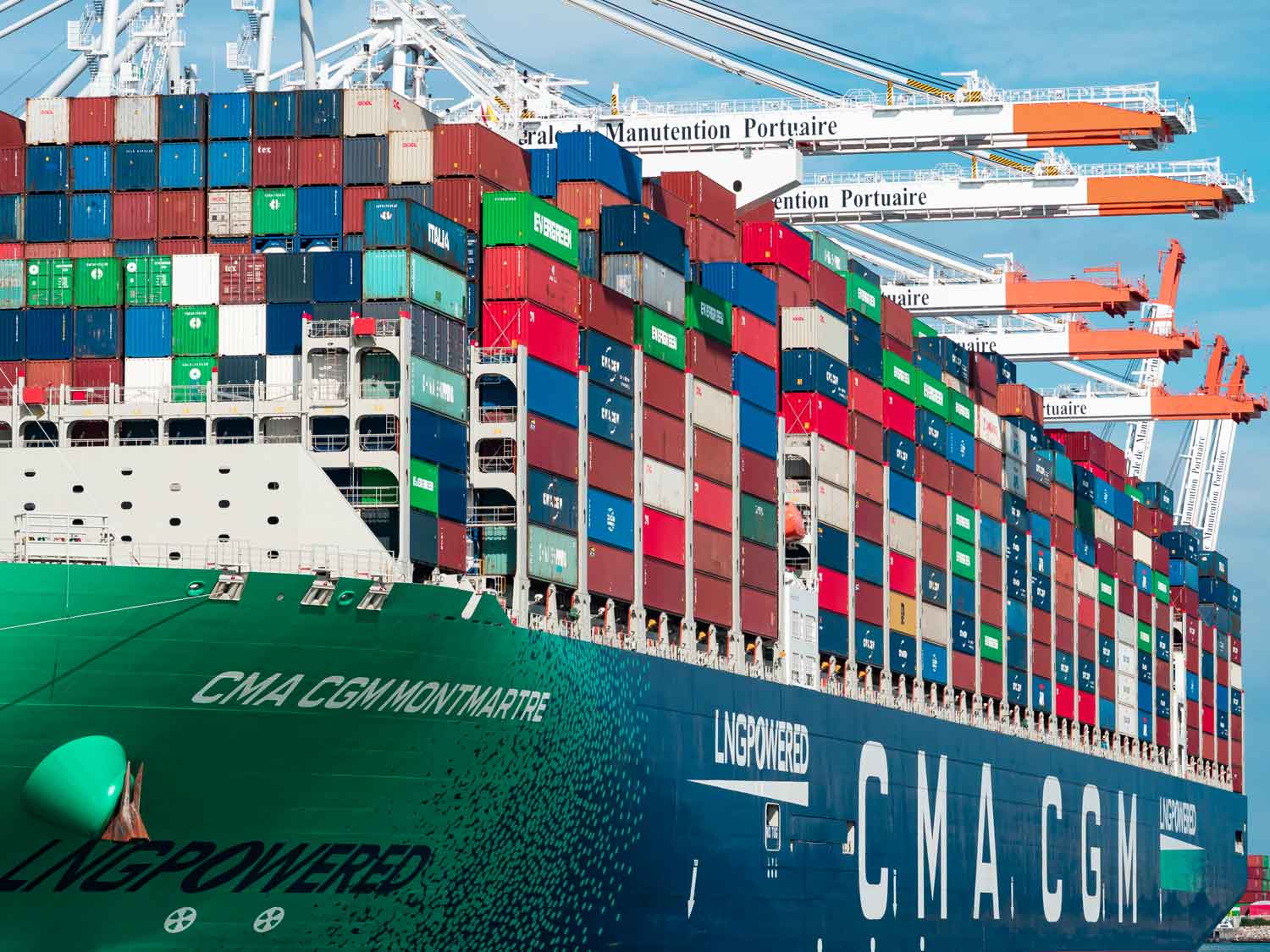
CMA CGM Montmarte

Record volumes raise concerns for peak season

Global demand for ocean freight container shipping has surged to unprecedented levels, surpassing even the peak during the Covid pandemic and comes when available capacity is already strained due to diversions around Africa, leading to concerns that any peak season demand could be calamitous.

Chinese exports reached a record high of 6.2 million TEU in May and while there is hope that early shipments will reduce volumes during the traditional peak season in the third quarter, other factors could keep demand high. 

Nervous shippers are re-stocking and seeking to avoid potential future tariffs on imports from China, which could sustain high demand in the coming months.

Approximately 19% of US shippers and 26% of European customers are advancing their shipping schedules due to fears of supply chain disruptions.

Planned US tariff increases on goods, including electric vehicle-related materials, battery parts, and solar cells, could further elevate freight costs as exporters rush to front-load shipments. The Hong Kong Small and Medium Enterprises Association noted that many manufacturers are struggling with tighter deadlines and increased overtime pay in mainland China, jeopardising profitability.

With importing customers asking for orders to be shipped earlier than usual, Chinese manufacturers are increasingly struggling to meet the shortened schedules necessary for timely festive season deliveries. The average cost of moving a 40ft container between Asia and northern Europe has more than doubled in two months, with a roughly fivefold increase from the same period last year.

Recent spot rate indexes for sea freight have shown the smallest gains in months, with some main east-west routes seeing a pause in growth. The slowdown suggests the market might be reaching an equilibrium of supply and demand. However, it remains unclear whether this is a temporary early peak season or if demand from front-loading shippers will persist, particularly with potential US tariff increases looming.

While Asia-to-Market routes have stabilised, others continue to show week-on-week rises, with the WCI’s Shanghai-Rotterdam leg and XSI’s Asia-Europe component both increasing. Monitoring space availability closely, there are reports that vessel utilisation might be slipping, potentially making bookings easier to acquire. However, rates are expected to remain high throughout the peak season, especially for shipments ex-China.

Equipment shortages
Please be aware that we are seeing more reports from carriers that intra-Asia routes are experiencing equipment shortages, particularly out of China. This is an industry-wide issue that initially affected long-haul shipping but now has extended to intra-Asia routes. The demand for export containers in China means that carriers have to decide whether to prioritise carrying empty containers back to China or carrying laden containers to other destinations.

We are monitoring the station closely, as it could possibly push rates up, potentially cascading into the backhaul trades to Asia and regional trades.

The unprecedented demand for ocean freight and ongoing challenges in capacity and costs suggest a complex and potentially turbulent peak season ahead.

We recommend talking to us now, if you have any urgent or high-priority orders forthcoming and sharing your shipping forecasts, so that we can secure your space, on the services that meet your deadlines, at the best possible rates.

To learn how we can enhance your ocean freight solutions, please EMAIL our Chief Commercial Officer, Andy Smith. 

computer down 1440x1080 1

Global IT outage disrupts supply chains

On Friday, a faulty update to Microsoft software by cyber-security firm Crowdstrike, saw global supply chain operations significantly disrupted, with the fallout expected to take weeks to fully resolve.

Thousands of flights were grounded or delayed at major air freight hubs in Europe, Asia, and North America, creating severe impacts on the complex air supply chains.

Experts warn that planes and cargo are not where they should be, leading to extended recovery times and depending on the scale of the IT failure and current market conditions, these disruptions could take much longer to resolve than the duration of the outage itself.

This situation is further exacerbated by limited airfreight capacity, with global demand increasing by 13% in June compared to 2023, with the surge in demand largely driven by traffic from China to Europe and the US, putting additional strain on already limited available capacity.

While sea port operations were less affected, initial disruptions were reported in several European container terminals, including Poland’s Baltic Hub, Felixstowe and Rotterdam. These ports have since recovered, but the main issues could lie inland with truck and rail services, potentially increasing congestion if containers cannot be moved in or out of the ports efficiently.

Some air cargo operations are gradually returning to normal, with ground handler Swissport and Lufthansa Cargo reporting only minor impacts. However, Schiphol Airport and US airlines such as Delta, United, and American Airlines faced significant disruptions, with hundreds of flights cancelled or delayed, including 700 cancellations by Delta on Monday.

While most airlines have resumed operations, residual delays are anticipated due to the sheer number of disrupted flights.

Supply chain experts are concerned about the long-term effects of the Crowdstrike outage on global deliveries. The Chartered Institute of Export & International Trade warned that the disruption could create further problems in planning and scheduling for importers, exporters, and consumers globally. Time-sensitive air freight is particularly affected, with one thousand flights cancelled worldwide, by mid-morning on Friday.

Although a fix has been deployed by Crowdstrike, the full resolution of the outage issue may take some time, as IT staff may need to access individual machines to remove the faulty update.

The fallout from the outage has once-again highlighted the vulnerability of global supply chains and as the industry works to recover, the importance of robust contingency plans and marine insurance cannot be overstated, ensuring protection against financial risks and maintaining supply chain resilience in the face of unforeseen challenges.

To learn how we can develop and support your supply chain resilience or for more information about our Marine Insurance products, please EMAIL our Chief Commercial Officer, Andy Smith.

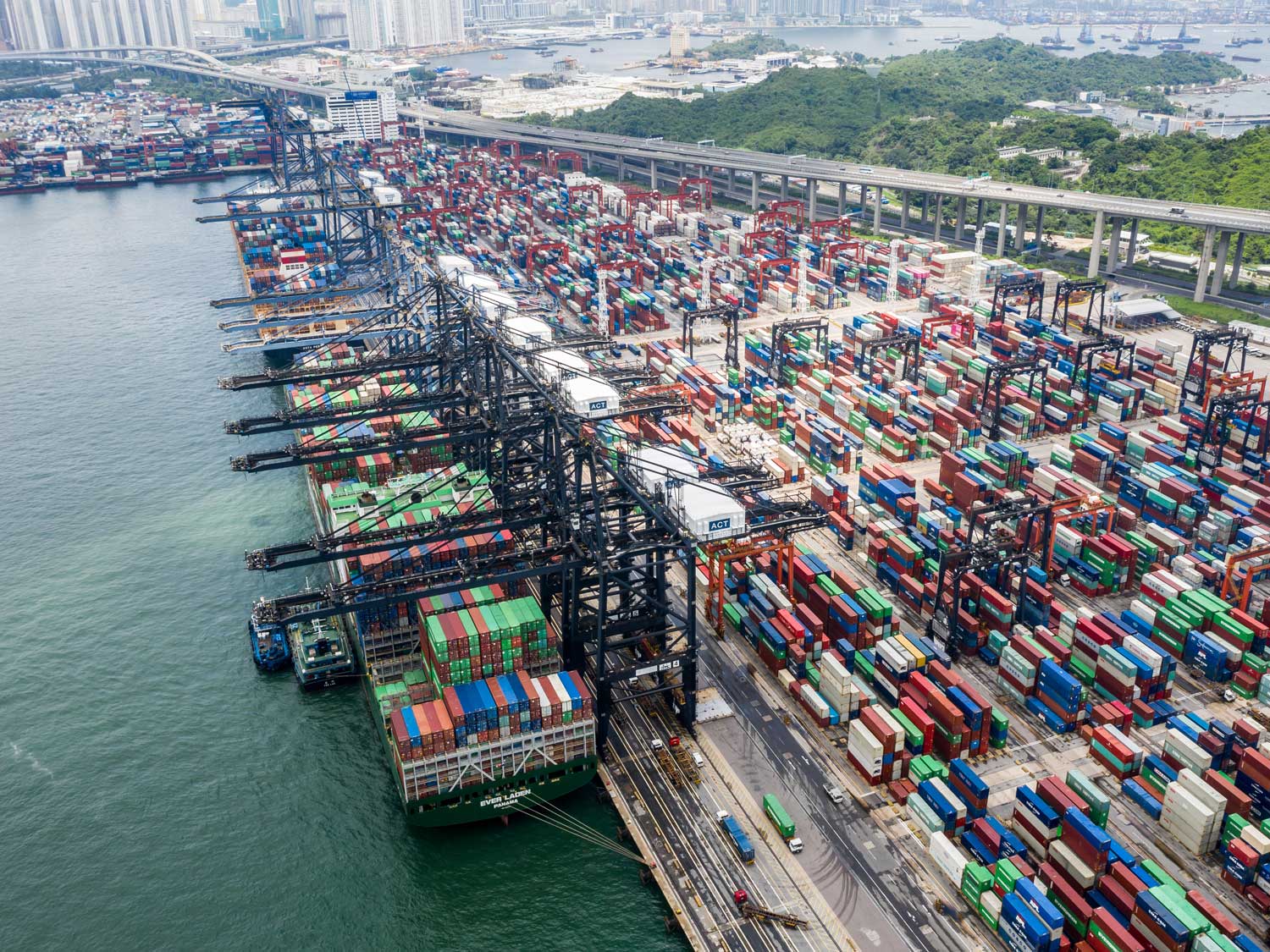
HKG port

Ex-Asia spot rate spiral turned into shooting star

Container shipping lines have announced significant rate hikes on all ex-Asia trade lanes, due to increased demand and increasing equipment challenges in more origins and it would be prudent to expect more of the same.

Effective capacity to North Europe has decreased by 5% compared to a year ago, due to the longer route around Africa, despite the deployment of 18% more vessel capacity. 

One leading carrier has suggested that capacity shortages could be as much as 20% and while the situation is not as grim as the carrier suggests, demand growth of 15% has taken the market by surprise with container equipment and vessels in short supply. 

It is difficult to see what precipitated the steep increase in demand over the last couple of weeks, which have been remarkably strong. It may be buyers pulling orders forward because they have concerns about global geopolitical uncertainties, or they need an additional two-week buffer of stock in transit. Or rates could be driven by a more general restocking to replenish inventories.

The speed and pace of change in the market has been phenomenal, replicating the lead-up to the peak of the pandemic, with demand hugely high. Add to that the early start of the traditional peak season in May, which is now seasonalising to the pre-pandemic model and it’s a potential nightmare scenario for importers.

Carriers are putting rates out and then withdrawing them because they have already been replaced with higher levels. 

FAK and spot rate quotes for most shipping lines are now closed until June, or later, so shippers can’t make a booking even if they are willing to pay premium prices.

Demand has grown consistently over the last two quarters and while new container ship deliveries continue, the diversion around the Cape of Good Hope, strong demand and additional summer service deployments are absorbing this capacity and we expect the lines to continue raising rates into the summer.

The ocean freight market has moved beyond ‘pay to play’, with carriers cutting back on contracts, blanking vessels and not carrying space forward. Shippers may look around and try to ‘play the market’ but everyone is in the same ‘boat’.

Metro are coping relatively well, thanks to our long-standing carrier relationships and sensible annual contracts, which guarantee us space and set rates.

To learn how we can enhance your ocean freight solutions, please EMAIL our Chief Commercial Officer, Andy Smith. 
City of London

Economic impact of Suez Canal diversions

For the UK and Europe fears are growing that any prolonged denial of access to the Suez Canal could impact faltering economies and derail plans to start cutting interest rates later this year.

Despite the confidence of European and UK central banks, uncertainties about the Red Sea crisis' impact remain and prolonged denial of access to the Suez Canal could derail plans to start cutting interest rates this year.

No major impact from the Houthi attacks in the Red Sea has yet turned up in main economic indicators, including December inflation numbers, which ticked up only slightly.

The global economy is still performing below par, suggesting plenty of slack around the system.

Oil prices were the most obvious commodity to hit economies in Europe and beyond, but they haven't surged because supplies haven’t been impacted and demand is slowing.

Less sanguine, the World Bank says the Middle East crisis, with the war in Ukraine, could still lead to surging energy prices, with broader implications for global activity and inflation.

Bangladesh is the world’s second-largest apparel exporter and garments are its main foreign currency earner. Ocean freight rates have gone up 40% from Chittagong to Europe and America, as a direct result of the security crisis in the Red Sea, with fears growing that buyers will begin to look for alternative sourcing.

Sea freight rates from India to the UK and Europe are up an astonishing 500% and there are some signs that the extended equipment turnarounds are leading to equipment scarcity, with fewer 40’ HC empties at busy ports, including Mundra and some inland container depots in northern India.  

Oxford Economics estimates that gains in container transport prices would add just 0.6% to UK inflation in a year. The ECB is expecting Euro zone inflation to fall from 5.4% in 2023 to 2.7% this year, with the BoE expecting UK inflation to average 2.4% in 2024, which suggests that a sustained closure of the Red Sea wouldn't prevent inflation from falling, though it would slow the speed at which it returns to normal.

In the longer term, some companies may advance plans for alternative, more predictable supply routes, which could involve longer but more secure trade paths or "near-shoring" to bring production closer. 

Whichever options are considered, the likelihood is they will involve higher costs, and supply chain risk by its very nature is unpredictable.

Metro support our customers continuing success, by protecting their supply chains, with innovation and resilience, whatever the economic or operational challenges.  

Our unique blend of experience, systems and processes means that we can react quickly to overcome challenges or exploit opportunities; optimising global inventory, reducing costs and streamlining the supply chain. 

Please EMAIL Andy Smith to discuss how we can optimise your supply chain and help you overcome the issues you currently face.