Trump on tv 1440x1080 1

Tariff turmoil threatens US importers as China trade takes a hit

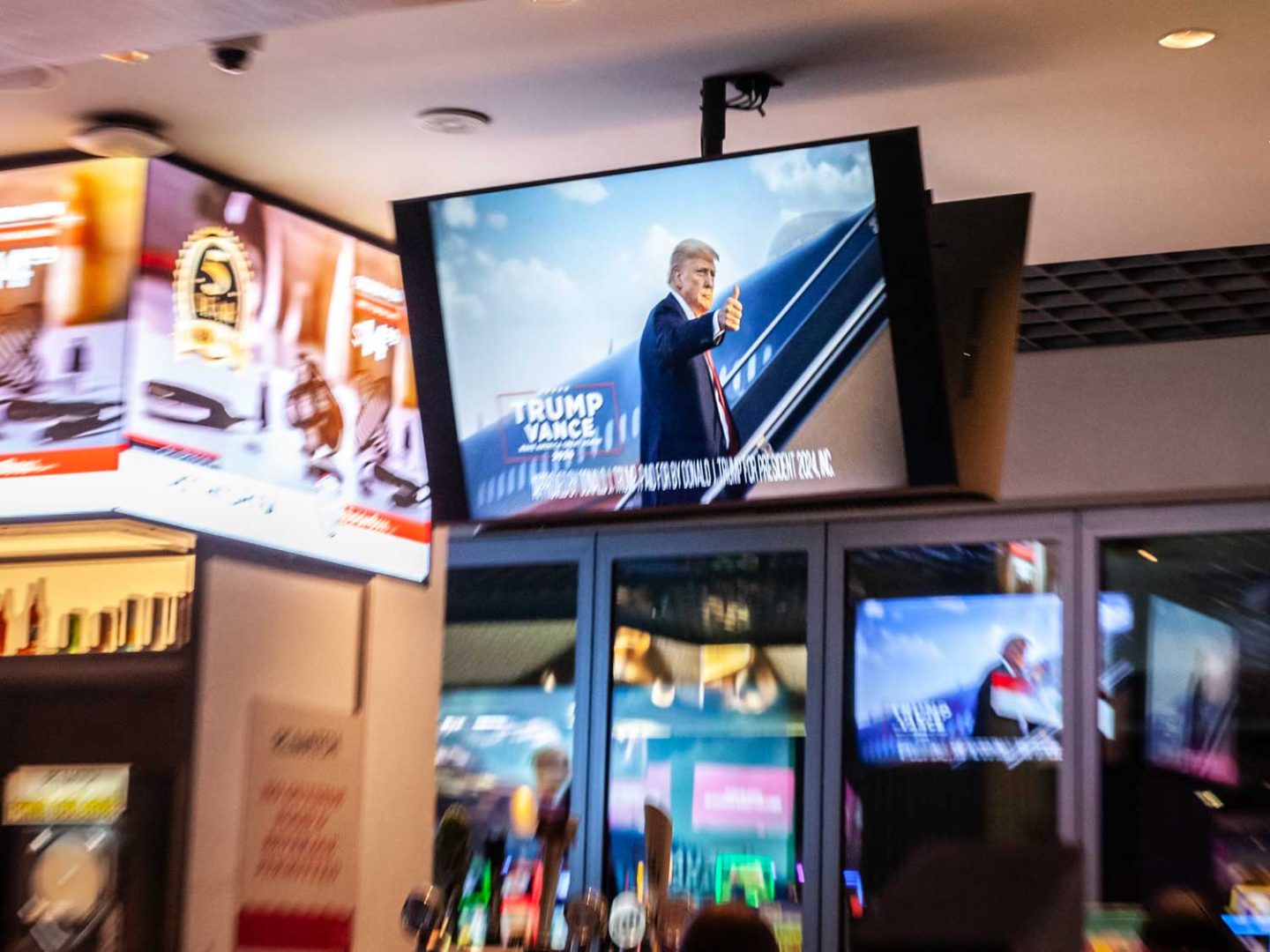
After weeks of speculation, US President Donald Trump has sharply escalated tariffs on Chinese goods to 125%, while simultaneously offering a 90-day reprieve to other trading partners.

The baseline tariff of 10% applies to imports from all countries other than China, including the EU. This rate applies in addition to any existing tariffs, with certain exemptions in place for key sectors such as semiconductors, copper, lumber, pharmaceuticals, bullion, energy, and minerals not found domestically.

Meanwhile, the separate 25% tariff on automobiles and auto parts, introduced last month, remains in effect.

Tariffs of 25% also continue to apply to steel and aluminium imports across the board, alongside the existing 25% duty on goods from Mexico and Canada that do not comply with USMCA free trade agreement terms.

US retailers and importers are reacting quickly. Delaying or cancelling orders and turning to existing inventory while they wait for clarity. According to the National Retail Federation (NRF), the outlook for imports is bleak, with volumes expected to fall sharply in the coming months.

Data from Dun & Bradstreet shows that just 225,900 TEUs of US imports from Asia were booked in the past seven days, down from around 633,000 TEUs the week before. Purchase orders for fall and holiday merchandise are also being postponed by 30 to 60 days.

The NRF’s Global Port Tracker estimates a 20% year-on-year drop in US imports for the second half of 2025. June volumes are forecast to be the lowest since early 2023, with the downturn starting as soon as May. While the 90-day reprieve on non-China tariffs may cushion the blow, the wide disparity in duty rates between China and other Asian nations is already influencing global sourcing decisions.

With tariffs now exceeding 150% on some goods, many Chinese-made products are no longer viable in the US market. By contrast, the impact on goods from countries facing lower tariffs is less severe. A 10% duty typically translates to a retail price increase of around 3%, making these supply chains more resilient in the near term. As a result, sourcing is shifting rapidly towards countries like Vietnam and Taiwan, where the tariff environment is more favourable.

Despite the disruption, shipping lines remain cautiously optimistic. Many believe that once the tariff situation stabilises import volumes could rebound strongly during the peak late summer to autumn season.

Meanwhile, the administration appears to be refining its approach on another controversial measure. The proposed port fees of up to $1.5 million on Chinese-built or operated ships calling at US ports. Speaking before the Senate Finance Committee, USTR Jamieson Greer sought to ease concerns, indicating adjustments are being made to avoid damaging American export competitiveness.

“The president will look very carefully to make sure we have the right amount of time and the right incentives to create shipbuilding here without impacting our commodity exports,” Greer said.

Meanwhile, pressure is building on US Customs and Border Protection (CBP). The increased complexity of tariff codes and documentation is creating more manual processing work, and staffing levels have not risen in line with demand. There is growing concern that CBP could be overwhelmed if volumes rise suddenly or new duties are introduced.

For now, the only certainty is continued volatility. Trade flows are being redrawn, sourcing strategies are in flux, and the longer-term consequences of this tariff upheaval are only just beginning to surface.

We will share further updates as new details emerge, particularly around the EU and shifts in UK trade policy.

If you’d like to review any potential impact on your supply chain, assess your exposure, or explore strategic options, we’re here to help. Metro is well-placed to support you, backed by our expanded US footprint and strong focus on North American trade flows.

If we can help, or simply answer your questions, contact us now for prompt and tailored advice.
container ship and naval escort

Shipping routes likely to remain diverted until August

The diversion of container shipping around the Cape of Good Hope is expected to continue well into 2025 as carriers prioritise stability over the potential risks of returning to the Red Sea, despite recent advancements in the Suez Canal’s infrastructure

The reluctance to return to the Red Sea stems from attacks on commercial shipping by Iran-backed Houthi forces, which have created a precarious operating environment. Earlier incidents prompted carriers to divert ships around the Cape of Good Hope, and the industry remains cautious about resuming transits until the risks are fully mitigated.

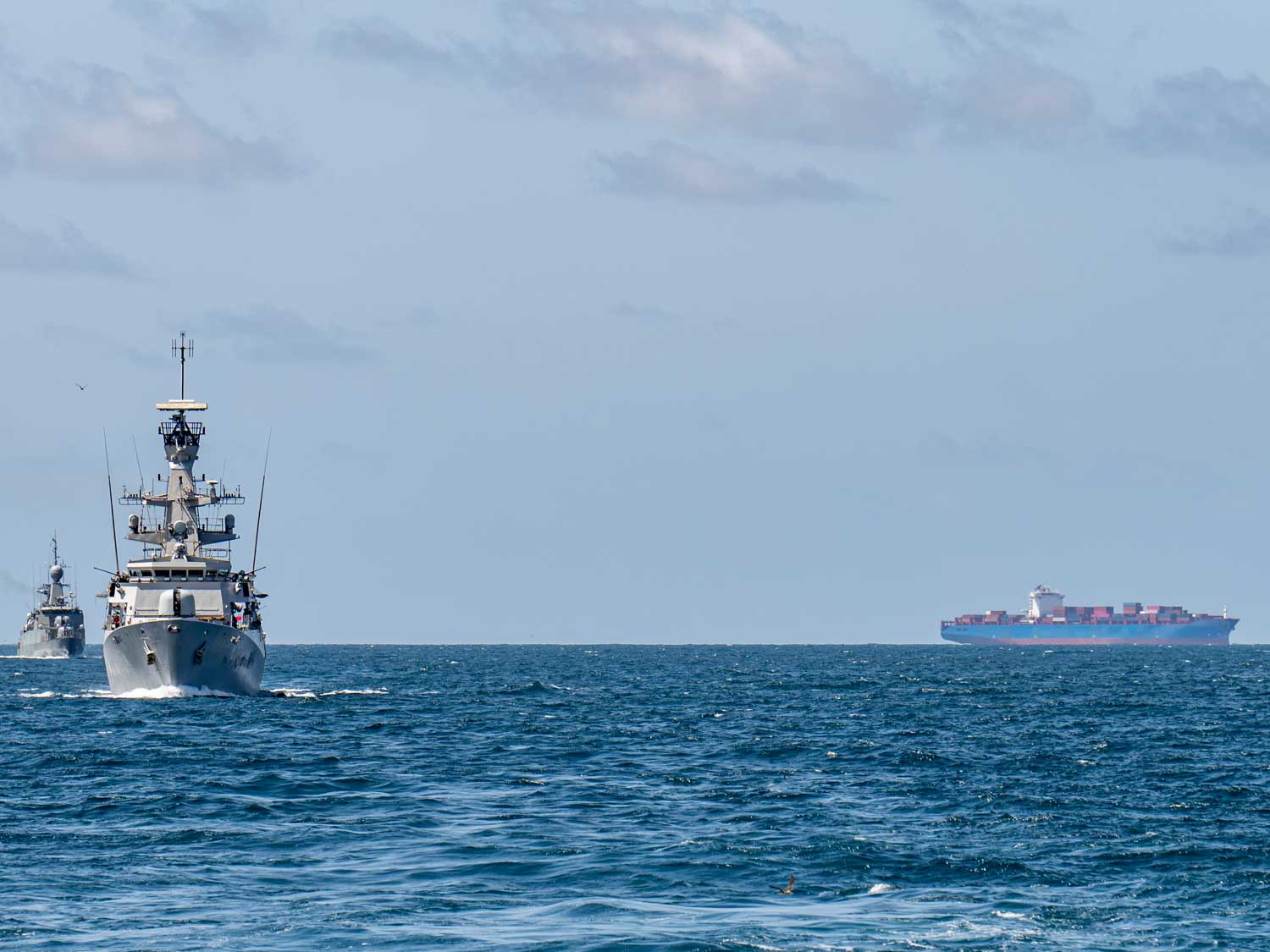
Efforts by carriers like CMA CGM to reintroduce Suez services under naval protection have met resistance from shippers who fear both financial and operational uncertainties. As a result, even if the Red Sea crisis were resolved, it is likely that diversions around the Cape of Good Hope would persist for several months while confidence is rebuilt.

The logistical complexity of reconfiguring networks, combined with the risk of potential attacks, has led carriers to maintain their Cape of Good Hope detours and with the lines set to phase in new networks over February and March, further adjustments to accommodate Suez transits are unlikely before August at the earliest.

Shippers, too, are hesitant to support a return to the Red Sea. The concern is not just the extended transit times around Africa but the financial risks associated with general average (GA). If a ship were to be attacked and damaged, resulting in environmental cleanup or other liabilities, insurers may not cover GA in such high-risk zones.

Egypt has successfully tested a new 10 km extension of the Suez Canal, which allows for two-way traffic and increases the canal’s daily capacity by an additional 6 to 8 ships. This improvement also reduces the likelihood of severe disruptions, such as the grounding of the “Ever Given” in the single-lane section of the canal.

As conditions stabilise, the Suez will likely regain its position as the preferred route, but for now the added capacity is not required.

With geopolitical risks casting uncertainty over the industry, building resilient supply chains, securing comprehensive cargo insurance, and managing budgets effectively will be essential for shippers navigating the complexities of the 2025 sea freight landscape.

In this volatile market, our marine insurance cover and fixed-rate agreements on key shipping routes help minimise risk and provide budgetary stability.

To discover how Metro’s insurance solutions and fixed-rate options can support your business in 2025, please EMAIL Managing Director Andy Smith.

strike signs 1440x1080 1

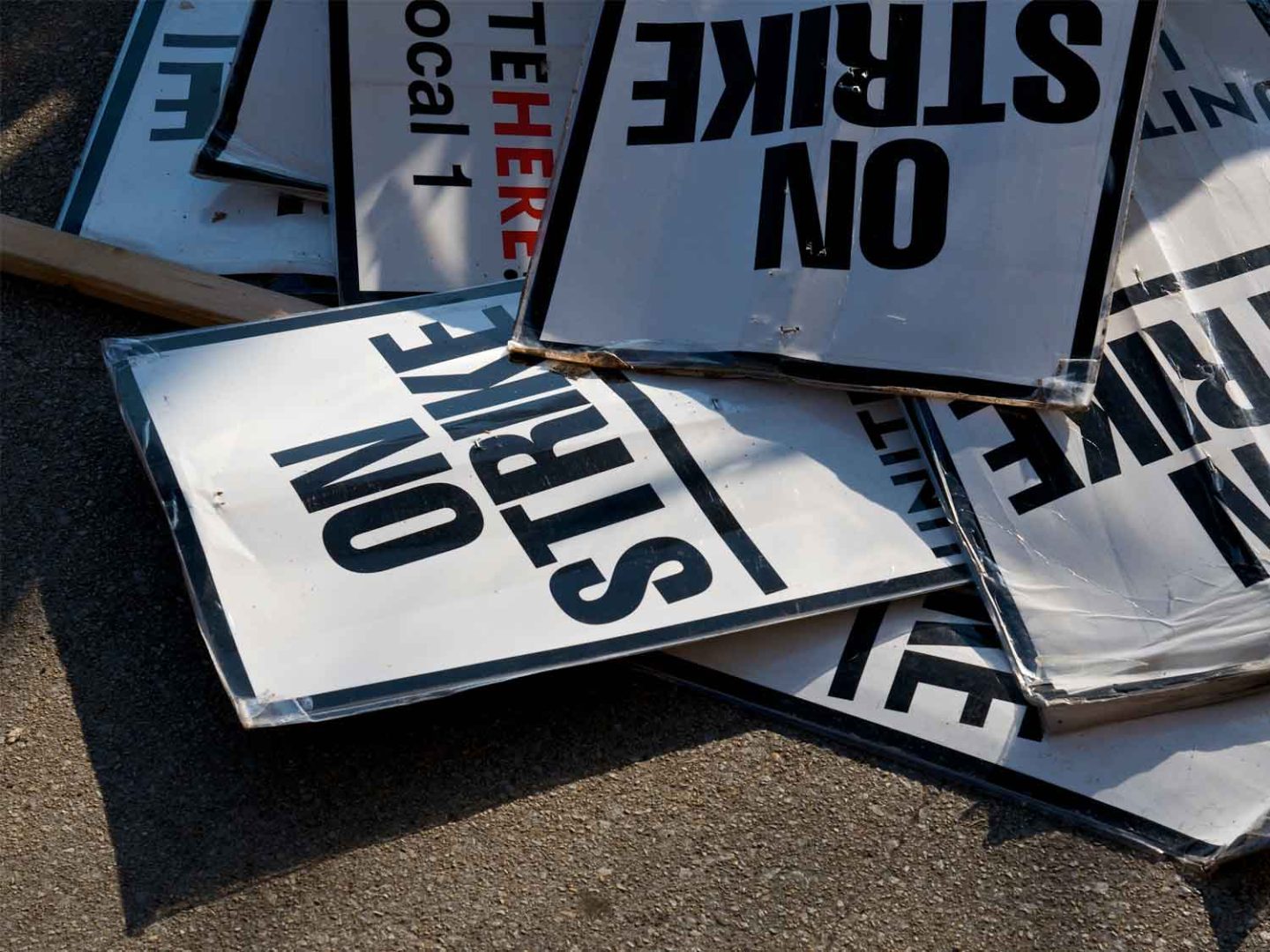
US East Coast dockworker strike: Temporary resolution but risks remain for January

While a tentative agreement between the International Longshoremen’s Association (ILA) and the United States Maritime Alliance (USMX) has paused the strike, a final resolution must be reached in January 2025, or further disruption could occur.

The recent US East and Gulf Coast dockworker strike, which began on 1st October 2024 and lasted three days, caused significant disruptions across 36 key ports, including New York, Savannah, and Houston.

During the strike, over 50 vessels were anchored offshore, impacting approximately 1.4% of the global container shipping fleet. Carriers including CMA CGM, ONE, and APL declared force majeure, leading to potential rerouting, delays, and added costs for shippers. This has highlighted the importance of securing comprehensive marine insurance to mitigate risks such as unexpected storage costs, rerouting, and delays.

Though some cargo was rerouted to alternative ports in Canada and Mexico, these measures provided limited relief due to limited capacity and congestion at those facilities.

With another 100 vessels en-route the length of time required to clear the backlog remains uncertain, and the resulting congestion could persist well into Q4. Additionally, carrier surcharges are expected to remain in place on all cargo to and from the US, further increasing costs for shippers.

If the ILA and USMX fail to reach a final agreement by January, the resumption of the strike could lead to significant global supply chain disruptions. Nearly 50 vessels were affected during the initial strike, and this number could rise, with an estimated 2.22 million TEU of cargo capacity tied up by the end of the month if no resolution is found

To discuss the current situation and how Metro can protect your supply chain, please EMAILAndrew Smith, Chief Commercial Officer.

Typhoon HKG 1440x1080 1

Supply chains brace for more disruption as storm season intensifies

From wildfires and floods to scorching heatwaves, the consequences of climate change are becoming more pronounced, and as we enter the peak shipping season, businesses are scrambling to prepare for what is predicted to be one of the most disruptive storm seasons in recent memory.

So far in 2024 supply chain disruptions caused by extreme weather are estimated to have cost companies billions of pounds, and the storm season is far from over. Hurricanes, wildfires, and floods have already stretched global supply lines thin, and the arrival of storms like Typhoon Bebinca, which threatened Shanghai this week, adds a fresh layer of concern.

Increased visibility allows managers to pinpoint disruptions and adjust supply chains accordingly, and the key to weathering these events lies in preparation. Shippers are diversifying their carrier bases and building inventory buffers to keep goods moving in the face of challenges. Strategic planning, such as maintaining safety stock for high-demand items, has become essential in managing supply chain risks.

The heightened storm season comes as companies are already reeling from the effects of wildfires in California and Australia, as well as floods that have caused widespread damage to transportation networks in Asia.

While technology and data-driven insights have made supply chains more resilient, this year’s relentless barrage of natural disasters is proving particularly difficult to navigate. While technology can help predict and respond to the impact of storms, it is only effective when paired with clear communication and regular updates on shipments.

The threat posed by Typhoon Bebinca is yet another reminder of the supply chain vulnerabilities that remain, with Shanghai closing ports, cancelling, and halting transportation links to ensure safety. With more storms likely in the coming months, companies must remain agile and vigilant, ready to adapt to further disruptions.

The need for resilience and adaptability is more pressing than ever, as companies navigate the challenges ahead. This season may prove to be one of the toughest in recent memory, but for those prepared, there are still opportunities to maintain operational continuity in the face of adversity.

Extreme weather events consistently highlight the vulnerability of supply chains and the importance of robust contingency plans and marine insurance to protect against risk.

We have been maintaining supply chain resilience in the face of unforeseen challenges for decades. To learn how we can develop and support your supply chain resilience EMAIL our Chief Commercial Officer, Andy Smith.